×

Brazil🇧🇷 | attractionsSão Bento MonasteryGregorian chant, gold-leaf nave, hilltop lift, working Benedictines | things to do and best time to go

Explore Pinacoteca do Estado de São PauloExplore Pelourinho

Backpacking in São Bento Monastery
👍 Recommendedattraction ranked #14
By Johan Kruseman 🇳🇱 | Updated October 19, 2026

The first thing that reaches you is the low, layered hum of Gregorian chant rolling out of the nave, and then the smell of old wax and warm wood. That is São Bento Monastery, a working Benedictine house on a hilltop in the center of Rio de Janeiro, Brazil, reached by a tiny lift from a grimy downtown street. The gilded Baroque interior is worth every minute; the plain exterior and the small gift shop are not. Entry is free, crowds stay thin, and the mood is hushed. Come for the chant, not for photos. Unlike the busy Candelária Church below, this is a place where monks actually live.

Discover everything you want to know in the 📖 Brazil Travel Guide.


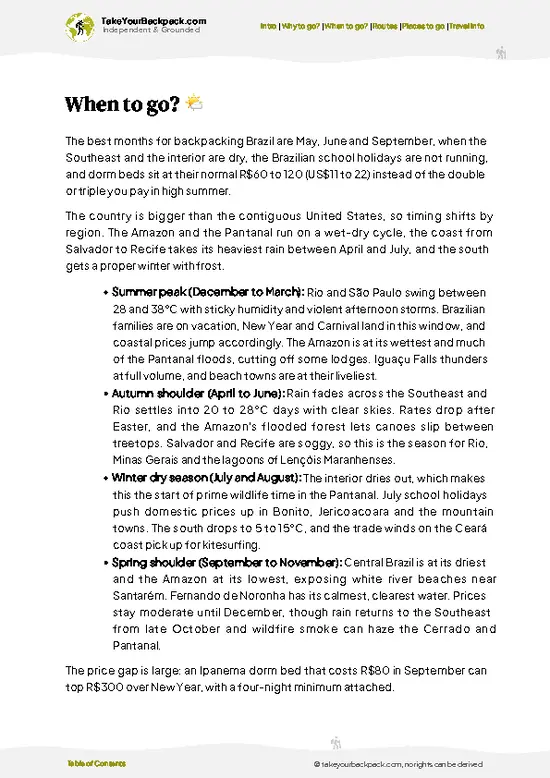
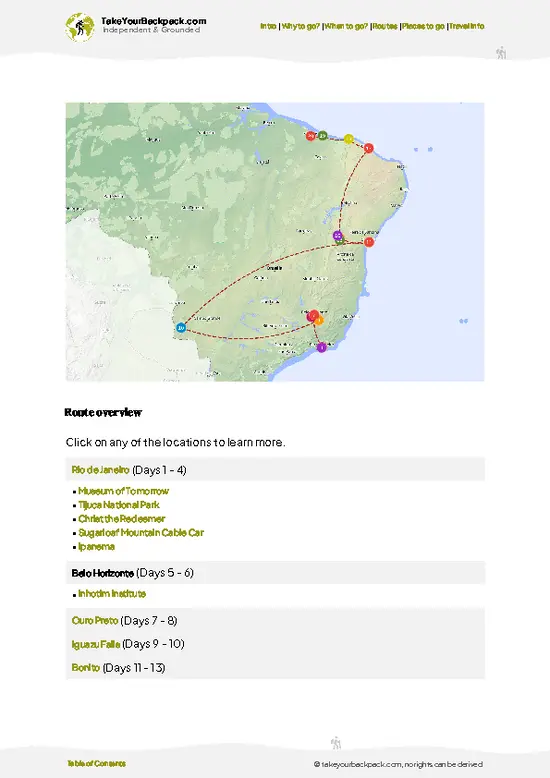
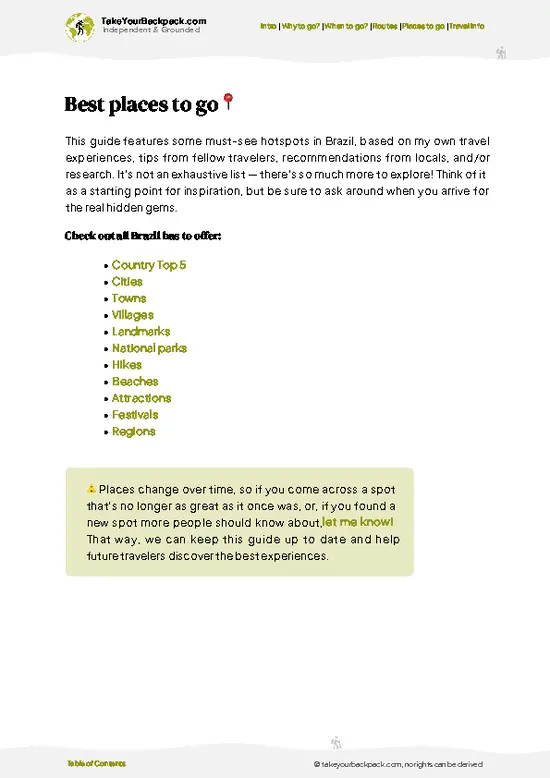
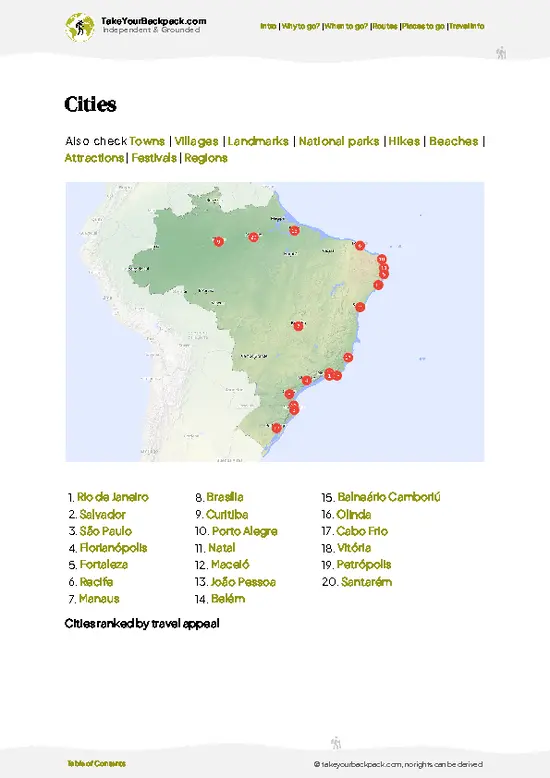
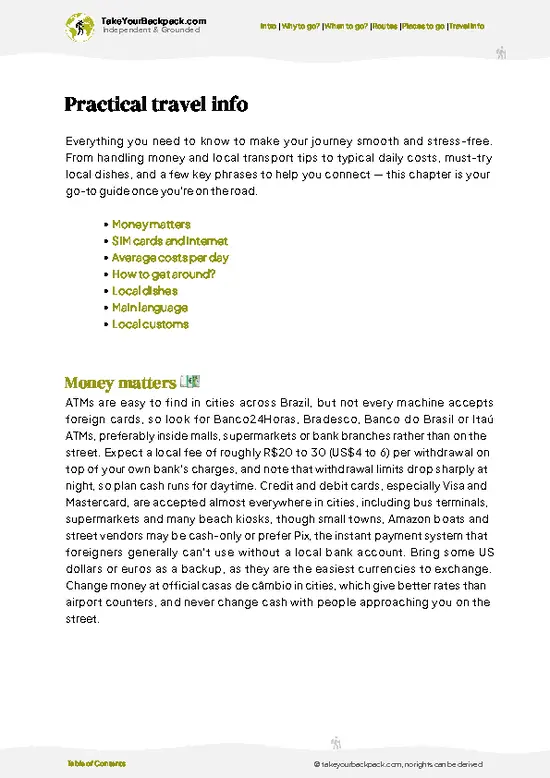
example page 0 from our offline Travel Guide for Brazil
example page 1 from our offline Travel Guide for Brazil
example page 2 from our offline Travel Guide for Brazil
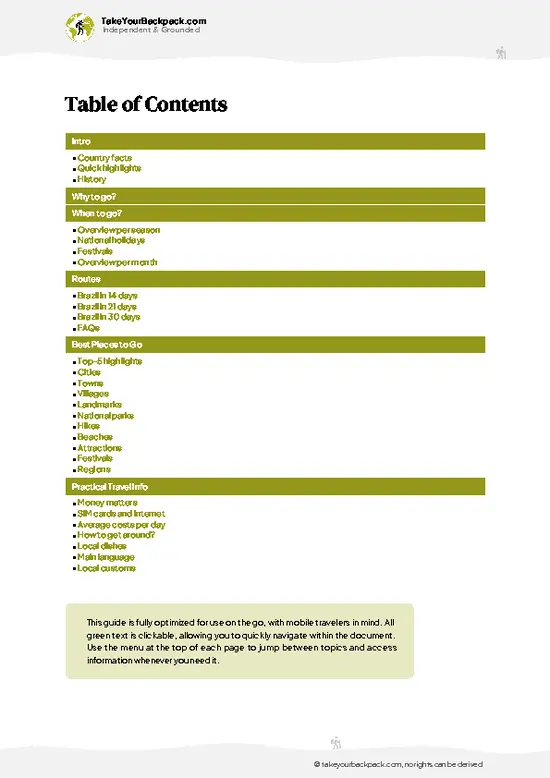
example page 3 from our offline Travel Guide for Brazil
example page 4 from our offline Travel Guide for Brazil
example page 5 from our offline Travel Guide for Brazil
example page 6 from our offline Travel Guide for Brazil
example page 7 from our offline Travel Guide for Brazil
Loading the map 🌍
CLICK TO FILTER
cities
towns
villages
landmarks
national parks
hikes
beaches
attractions
festivals
regions
SHOW COUNTRY’S BESTSHOW ALL

✨ Why go?
Ranked #14 attraction in Brazil
Why São Bento Monastery should be on your travel list

São Bento Monastery sits on a hill above Rio’s port, and the climb is the first reason to go: a lift from Rua Dom Gerardo drops you at a plain 17th-century façade that hides one of the most lavishly gilded interiors in the Americas. The carved and gilded wood covers nearly every surface of the church, and the effect is overwhelming in the best way. The second reason is the Gregorian chant sung by the resident Benedictine monks, which turns a sightseeing stop into a living service you can sit through for free. The third is context. Founded in the late 1500s, the monastery gives you colonial Rio before the beaches and favelas became the postcard, and it makes a quiet counterweight to Sugarloaf and Christ the Redeemer.

💡 HighlightsDon't-miss highlights and experiences

  1. The Gilded Church Interior: Baroque carving covered in gold leaf climbs the nave, chapels and ceiling. Give it at least 30 minutes so your eyes adjust to the detail.
  2. Gregorian Chant Services: The monks sing at set hours, and the sound fills the stone nave. Hearing it beats any audio guide.
  3. The Main Altarpiece: A towering gilded backdrop frames the sanctuary, with saints and angels stacked in carved layers.
  4. Our Lady of Montserrat: The church is dedicated to her, and her image on the high altar was carved by the monk Frei Domingos da Conceição.
  5. The Façade and Courtyard: The outside is deliberately sober, so the contrast when you step through the door is half the fun.
  6. The Lift and Hilltop Approach: The entrance is reached by a small lift from the street, and the walkway gives a first look over the
… read more 👉
  1. The Gilded Church Interior: Baroque carving covered in gold leaf climbs the nave, chapels and ceiling. Give it at least 30 minutes so your eyes adjust to the detail.
  2. Gregorian Chant Services: The monks sing at set hours, and the sound fills the stone nave. Hearing it beats any audio guide.
  3. The Main Altarpiece: A towering gilded backdrop frames the sanctuary, with saints and angels stacked in carved layers.
  4. Our Lady of Montserrat: The church is dedicated to her, and her image on the high altar was carved by the monk Frei Domingos da Conceição.
  5. The Façade and Courtyard: The outside is deliberately sober, so the contrast when you step through the door is half the fun.
  6. The Lift and Hilltop Approach: The entrance is reached by a small lift from the street, and the walkway gives a first look over the port and Guanabara Bay.
  7. The Monastery Bookshop: The monks’ own publishing house, Lumen Christi, runs a bookshop, a modest and genuinely local stop.
  8. Views over the Port Area: From the hilltop you see cargo cranes, Rio-Niterói Bridge in the haze and the old harbor district below.
For a first visit, go for the Gregorian chant service in the gilded church, since sound and gold together are what the place does best.
Spotted a mistake or missing something? Contact us.

Things to do around São Bento Monastery

Ratings based on Tripadvisor reviews. When you book through this link, you support our work at no extra cost to you.

🌤️ When to go?Weather, crowds, and seasonal trade-offs

  • Winter (June to August): Rio’s driest, coolest stretch, with highs of 25 to 27°C (77 to 81°F) and lows near 17°C (63°F). The walk up Morro de São Bento stays comfortable and the city views are crisp.
  • Summer (December to March): Hot and humid at 30 to 38°C (86 to 100°F), with afternoon downpours. Daylight runs longest, but the climb feels heavy. Accommodation prices peak around Christmas and Carnival.
  • Shoulder months (April to May, September to November): Mild at 22 to 29°C (72 to 84°F), fewer crowds, and lower bed prices.
  • Sunday mornings: Gregorian chant Mass draws the biggest crowds, so arrive early.
Aim for a weekday morning to catch the church quiet and the heat still low.

source: climatestotravel.comJANJanuary: fair for travelingFEBFebruary: fair for travelingMARMarch: excellent for travelingAPRApril: excellent for travelingMAYMay: highly recommended for travelingJUNJune: highly recommended for travelingJULJuly: good for travelingAUGAugust: highly recommended for travelingSEPSeptember: excellent for travelingOCTOctober: excellent for travelingNOVNovember: highly recommended for travelingDECDecember: fair for traveling
when-to-go

✈️ The backpacker research shortcutBrazil Travel Guide

An offline-friendly backpacking guide with optimized travel routes, ranked highlights, transport advice, and the best areas to stay.
example page 0 from our offline Travel Guide for Brazil
example page 1 from our offline Travel Guide for Brazil
example page 2 from our offline Travel Guide for Brazil
example page 3 from our offline Travel Guide for Brazil
example page 4 from our offline Travel Guide for Brazil
example page 5 from our offline Travel Guide for Brazil
example page 6 from our offline Travel Guide for Brazil
example page 7 from our offline Travel Guide for Brazil
The digital guide (410 pages) contains:
✅ 146 highlights, ranked by travel appeal
✅ Optimized 14, 21 & 30-day travel routes
✅ Cities, national parks, landmarks, beaches
✅ How to get around
✅ Offline-friendly for travel without Wi-Fi
👉 Click to see all 30+ guide features

📅 Plan smarter in minutes, not weeks
✅ Month by month travel advice
✅ Festivals & national holidays
✅ Budget expectations

🗺️ Go to the right places, skip the overrated ones
✅ Honest pros & cons of destinations
✅ Top hikes, parks & viewpoints
✅ Lesser-known places most travelers miss
✅ Clear “worth it vs skip it” guidance

🛏️ Travel smoothly without rookie mistakes
✅ Best areas to stay
✅ Transport systems explained simply
✅ Common scams & safety advice
✅ SIM cards, money & practical tips

🌍 Understand the country, not just visit it
✅ Culture & traditions
✅ 52 Essential phrases & customs
✅ Festivals worth planning around
✅ Traveler-friendly historical context
✅ Insights that make places more meaningful

📱 Built for real travel conditions
✅ Fully downloadable PDF
✅ Works completely offline
✅ Optimized for phone use
✅ Useful in remote areas & buses
✅ Everything in one place
Stop searching, start planning
Get instant access to your full guide. 30‑day money-back guarantee.
+ Add another guide for just

By proceeding you agree to our terms.
Sent to your inbox immediately after payment • 100% Secure Checkout
Best Backpacking Travel Advisor 2025 tourism awardBest Backpacking
Travel Advisor
2025
What others say about Take Your Backpack Guides:
⭐⭐⭐⭐⭐
Fantastic, amazing amount of information!
⭐⭐⭐⭐⭐
My goodness this is amazing, it's what I've been looking for hats off too you!
⭐⭐⭐⭐⭐
I think this is absolutely BRILLIANT
⭐⭐⭐⭐
Very complete and informative. It's still missing places, but I gotta to commend you
⭐⭐⭐⭐⭐
This is truly amazing, thank you, can't wait to explore it with my kids!
⭐⭐⭐⭐⭐
Awesome resource, thank you!
⭐⭐⭐⭐⭐
This is amazing! Can't wait to explore the ones I haven't seen
⭐⭐⭐⭐
I love this! Well done, great idea.
⭐⭐⭐⭐⭐
Thanks for taking the time to make this gem!
⭐⭐⭐⭐⭐
This might be the best website I've ever seen.
⭐⭐⭐⭐⭐
Congratulations, and thank you so much for your work; it's incredibly valuable.
⭐⭐⭐⭐
In all seriousness I think you did a great job pointing out the important spots
⭐⭐⭐⭐⭐
10/10 very good
⭐⭐⭐⭐⭐
As someone who's only just starting to visit regularly this is awesome, thank you.
⭐⭐⭐⭐
Thank you very much! I'm going to visit my dad, it's going to be very useful!
⭐⭐⭐⭐⭐
This is really cool! We'll be travelling for the first time and this definitely come in handy.
⭐⭐⭐⭐⭐
You are now our minister of culture, congratulations 👨‍💼
⭐⭐⭐⭐⭐
Just wanted to tell you that this is a pearl! Going to follow your recommendations.
⭐⭐⭐⭐⭐
This is so cool. I'll definitely be using the resource for my travels soon.
⭐⭐⭐⭐⭐
This is very impressive! Good work.
⭐⭐⭐⭐⭐
This is an amazing and informative site. Very well done!

🛏️ Where to stay?Choosing the right base

Stay in Santa Teresa or Lapa if you want to be close to São Bento Monastery, since both sit within a short ride of the Centro hilltop where it stands. Lapa is the social choice. It has the highest concentration of hostels, live samba bars and late-night street life, and the metro and tram links make getting around easy. Keep your wits about you after dark and use ride-hailing apps for the last stretch. Santa Teresa is quieter and leafier, with artsy hillside streets, small guesthouses and a relaxed mix of solo travelers, though some of its steep streets are best avoided late at night. Centro itself … read more 👉
Stay in Santa Teresa or Lapa if you want to be close to São Bento Monastery, since both sit within a short ride of the Centro hilltop where it stands. Lapa is the social choice. It has the highest concentration of hostels, live samba bars and late-night street life, and the metro and tram links make getting around easy. Keep your wits about you after dark and use ride-hailing apps for the last stretch. Santa Teresa is quieter and leafier, with artsy hillside streets, small guesthouses and a relaxed mix of solo travelers, though some of its steep streets are best avoided late at night. Centro itself is practical for weekday visits and cheap, but it empties out in the evenings and on weekends, so it feels lonely for solo travelers. Copacabana and Ipanema are a metro ride away, offer beach life and big hostel scenes, and suit anyone who wants sand more than history.

👛 Costs (as of 19 October 2026)Typical daily expenses

A day around São Bento Monastery runs about US$22 to 58, and the monastery itself is free to enter. Prices are paid in reais, and cards are widely accepted in Centro.
CategoryBudget RangeLocal Reality
EntranceUS$0Free for the church and cloister, though donations are welcome.
Accommodation (high season)US$12 to 30Hostel dorm bed in Lapa or Santa Teresa, with higher rates at New Year and Carnival.
FoodUS$7 to 15Lunch by the kilo in Centro is the best value, and street snacks cost less.
Local transportUS$1 to 5Metro and VLT tram fares are under US$1.50 per ride, and short ride-hailing trips cost more.
ExtrasUS$2 to 8Coffee, bottled water and perhaps a book from the monastery bookshop.
Total Daily BudgetUS$22 to 58Opening figure assumes a typical day with a mid-range meal and a few rides.
⚠️ Prices can change and everyone travels differently, so take this as a rough guide. Hope it helps you plan your adventure!

FAQFrequently asked questions about São Bento Monastery

Plan on 1 to 2 hours at São Bento Monastery. That covers the gilded baroque church, the cloister and the walk up from the street, and Sunday Mass with chanting adds about an hour. Combine it with nearby Centro sights like the Paço Imperial and Candelária Church for a half day.
Yes, São Bento Monastery is free to enter, so the cost question hardly arises. You get one of Brazil’s finest baroque interiors, with carved and gilded wood covering the walls and ceiling, plus hilltop views over Guanabara Bay. A donation of US$1 to 3 is a fair gesture.
Take the metro to Uruguaiana or Carioca station, then walk 10 to 15 minutes to the monastery on Rua Dom Gerardo in Centro. The VLT tram also stops nearby, and a ride-hailing trip from Copacabana or Ipanema takes 20 to 40 minutes and costs about US$4 to 9. You can go up by the church’s elevator from street level, which saves the steep stairs.
⚠️ Things can change over time, so always validate details locally before you go.

Other Brazilian attractions near São Bento Monastery

Explore more nearby:


💡 Not sure where to go next?
Create a personalized itinerary for Brazil including São Bento Monastery and the places that fit your trip.

Generate my itinerary

👉 Discover all attractions

Or checkout all Brazil has to offer (think cities, towns, villages, national parks, hikes, beaches, festivals)
Country photo of Brazil

We 💚 feedbackIs it worth it?

São Bento Monastery hides its best detail on the ceiling and walls: nearly every surface of the church is carved wood covered in gold leaf, and the dark nave makes it glow the longer your eyes adjust. Sit in a pew for ten minutes before taking photos. If a Mass with Gregorian chant is on, stay for it.

✈️ When did I visit Brazil?
Call it good timing or luck, but I was able to celebrate Carnaval in Rio de Janeiro in February 2022, after a round trip in the north and east coast.

✍️ Help improve this page!
The information on this page is based on my own backpacking experience in Brazil, supplemented with up-to-date research and feedback from other travelers. Travel details can change, so if you notice anything outdated or incomplete, feel free to let me know.


🙋‍♂️ Give feedback

👋 Meet the founderWho’s Behind Take Your Backpack?

Johan, backpacker and founder of TakeYourBackpackHi, I’m Johan (Netherlands 🇳🇱), the creator of TakeYourBackpack. Over the past 3 decades, I’ve backpacked through 90+ countries across six continents, gaining extensive experience with independent travel, long-term trips, and overland routes.

This site is built on a combination of firsthand travel experience and carefully curated insights from other backpackers. Many guides are based on places I’ve personally visited, while others bring together tips, observations, and practical advice shared by trusted travelers I’ve met along the way.

The goal is to provide realistic, experience-driven guidance — not generic itineraries — so you can explore destinations with better context, clearer expectations, and more confidence.