v2.webp)
- Kotel Historical Museum (Исторически музей — Kotel) — Small but well-curated: everything from local National-Revival artifacts to documents and folk costume that explain why Kotel mattered during the 19th century. Good for orientation and a dry, informative hour away from the streets.
- Dobri Chintulov House-Museum — The birthplace and small museum dedicated to Kotel’s most famous poet and songwriter. You get original manuscripts, local stories, and a genuine feel for how a Revival intellectual’s life was rooted in a provincial town.
- Architectural Reserve / Old Revival Quarter — The cluster of preserved 18th-19th-century houses, narrow lanes and wooden balconies that give Kotel its classic look. Walk slowly — the architecture, details of woodwork and courtyards are the real attraction.
- Kotel Historical Museum (Исторически музей — Kotel) — Small but well-curated: everything from local National-Revival artifacts to documents and folk costume that explain why Kotel mattered during the 19th century. Good for orientation and a dry, informative hour away from the streets.
- Dobri Chintulov House-Museum — The birthplace and small museum dedicated to Kotel’s most famous poet and songwriter. You get original manuscripts, local stories, and a genuine feel for how a Revival intellectual’s life was rooted in a provincial town.
- Architectural Reserve / Old Revival Quarter — The cluster of preserved 18th-19th-century houses, narrow lanes and wooden balconies that give Kotel its classic look. Walk slowly — the architecture, details of woodwork and courtyards are the real attraction.
- Neofit Rilski House-Museum — A modest house-museum honoring one of Bulgaria’s key educators and clerics associated with the area; the exhibits focus on education, books and the monastic-scholar tradition that fed the Revival movement.
- Main 19th-century Orthodox Church — The town’s principal church is worth visiting for its interior icons, iconostasis and the atmosphere: a living piece of Kotel’s religious and cultural continuity through the Revival era.
- Clock Tower and Central Square — Small towns’ clock towers are always useful meeting points; in Kotel the tower anchors the square where locals sit, shops sell regional goods and you can watch everyday life without a tourist filter.
- Community Centre (chitalishte) and its programs — The local chitalishte often hosts small exhibitions, traditional music or theater and a library. Pop in to see a real community institution still running the cultural life of the town.
- Icon-painting and Woodcarving Workshops/Galleries — Kotel has a strong artisan tradition: look for small workshops and galleries where local icon painters and woodcarvers show (and sometimes sell) their work — a hands-on insight into living crafts.
- Local Revival-era Schools / Former School Buildings — A few former school buildings are preserved and open as small exhibits or cultural spaces; they tell the story of how education spread in the 19th century and shaped the town’s identity.
- Scenic walks to the nearby hillside viewpoints — Short, marked walks right from town climb to viewpoints over the Balkan foothills. They’re free, low-effort, and you get that wide, Bulgarian-town-in-the-mountains feeling — perfect at sunset.
Spotted a mistake or missing something? Contact us.

ATV/QUAD Off-Road Tour in Veliko Tarnovo and Arbanasi

Veliko Tarnovo and Arbanasi day tour from Sofia with pickup

Monasteries and Waterfalls Tour from Veliko Tarnovo

Skip the Line: Medieval Tuida Fortress tours

Private Access Rose Festival Kazanlak 05-07.06.2025

Private Action Day Karting & Paintball & Buggies
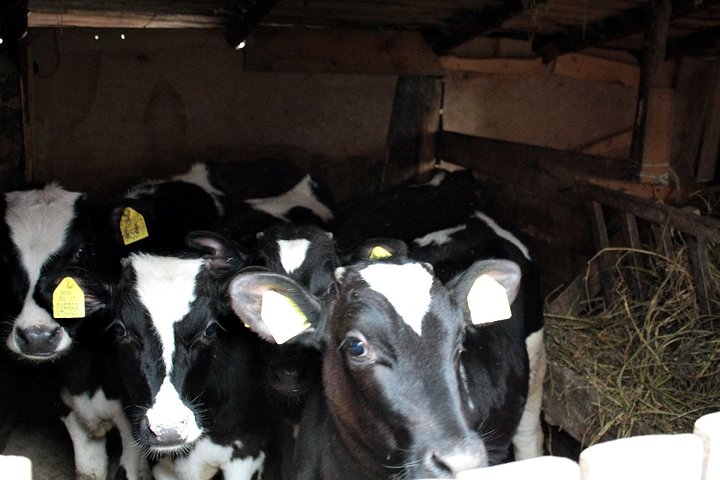
Help the hosts: Breadmaking, Yoghurt making and Cattle Keeping

Thracian Tombs Tour in the Valley of the Thracian Kings

Self-Guided Tour in ISKRA Historical Museum


 Best Backpacking
.jpg) Hi, I’m Johan (Netherlands 🇳🇱), the creator of TakeYourBackpack. Over the past 3 decades, I’ve backpacked through 90+ countries across six continents, gaining extensive experience with independent travel, long-term trips, and overland routes.
Hi, I’m Johan (Netherlands 🇳🇱), the creator of TakeYourBackpack. Over the past 3 decades, I’ve backpacked through 90+ countries across six continents, gaining extensive experience with independent travel, long-term trips, and overland routes.