
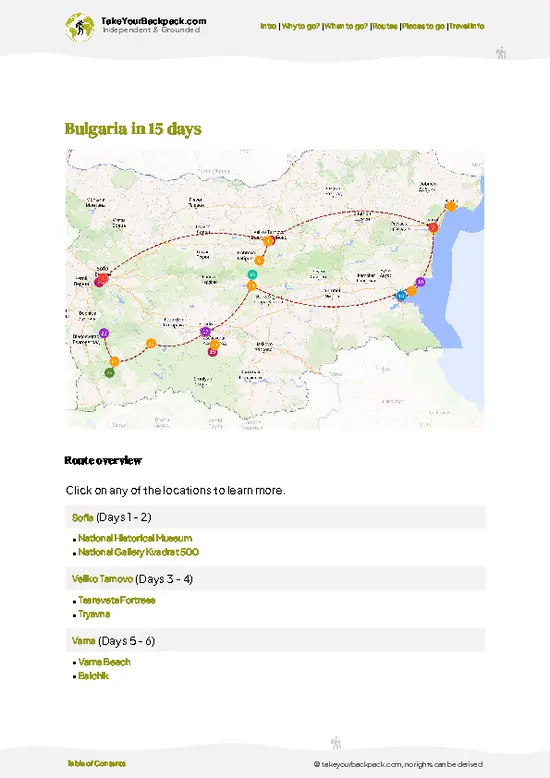
The Main Hall (Hall 1)
This is the beating heart of the National Palace of Culture—think less “museum” and more “rock concert meets political summit.” Hall 1 is a 4,000-seat monster, and if you’re lucky enough to catch a show here, you’ll feel the energy in your bones. The acoustics are engineered for everything from symphony orchestras to international pop stars. Forget velvet ropes and stuffy ushers; this is where Bulgaria’s biggest moments happen, from Eurovision qualifiers to presidential inaugurations. The sheer scale is intimidating, but the vibe is electric—especially when the crowd is on its feet.
The Fountains and Outdoor Plaza
Instagram will show you the fountains at sunset, but it won’t tell you about the impromptu rollerbladers, the chess hustlers, or the late-night dance crews … read more 👉
The Main Hall (Hall 1)
This is the beating heart of the National Palace of Culture—think less “museum” and more “rock concert meets political summit.” Hall 1 is a 4,000-seat monster, and if you’re lucky enough to catch a show here, you’ll feel the energy in your bones. The acoustics are engineered for everything from symphony orchestras to international pop stars. Forget velvet ropes and stuffy ushers; this is where Bulgaria’s biggest moments happen, from Eurovision qualifiers to presidential inaugurations. The sheer scale is intimidating, but the vibe is electric—especially when the crowd is on its feet.
The Fountains and Outdoor Plaza
Instagram will show you the fountains at sunset, but it won’t tell you about the impromptu rollerbladers, the chess hustlers, or the late-night dance crews that turn the plaza into Sofia’s unofficial living room. This is where the city comes to breathe, flirt, protest, and celebrate. The fountains themselves are a kinetic sculpture—sometimes on, sometimes off, always a magnet for people-watching. Skip the posed selfies and just sit on the steps with a beer from the corner kiosk. You’ll see more of Sofia’s soul in an hour here than in a week of guided tours.
The Socialist-Era Murals and Interior Art
If you want to understand Bulgaria’s complicated relationship with its past, look up—literally. The Palace is a time capsule of late-Communist ambition, and the murals, mosaics, and brutalist chandeliers are unapologetically grandiose. These aren’t the sanitized, “retro-chic” touches you’ll find in hipster bars. They’re massive, sometimes jarring, and absolutely loaded with symbolism. You’ll see muscular workers, cosmic motifs, and enough gold leaf to make a tsar blush. It’s a crash course in propaganda and artistry, all in one dizzying package.
The Annual Sofia International Film Festival
For two weeks every spring, the Palace transforms into the epicenter of Balkan cinema. This isn’t Cannes—there’s no red carpet snobbery—but the programming is sharp, the crowds are passionate, and you’ll see films here that never make it to Netflix. Directors and actors mingle with the audience, and the post-screening debates spill out into the cafes. If you want to see what’s on the mind of modern Bulgaria, this is the place to eavesdrop.
The Rooftop Views (When Accessible)
Here’s the secret: the Palace’s rooftop isn’t always open, but when it is, you get a panorama that puts every Instagram filter to shame. You’ll see the sprawl of Sofia, the snow-capped Vitosha mountain, and the endless parade of wedding parties posing for photos below. It’s a rare chance to get above the city’s chaos and see how the old and new collide. No ticketed tour, no velvet rope—just you, the wind, and a view that makes the crowds worth it.
The Underground Passageways and Book Market
Beneath the Palace, you’ll find a warren of tunnels, shops, and a book market that’s pure Balkan chaos. It’s not pretty, but it’s real—secondhand books in Cyrillic, anarchist zines, pirated DVDs, and the occasional fortune-teller. This is where you feel the undercurrent of Sofia: messy, creative, and stubbornly alive. If you want a souvenir with a story, skip the fridge magnets and dig through the stacks here.
Spotted a mistake or missing something? Contact us.

Sofia Highlights 2 Hour Sightseeing Walking Tour

Communist Walking Tour of Sofia

Private city walking tour of Sofia

Sofia Walking Private City Tour

Art Gallery Sightseeing Tour in Sofia

Private & Ultimate Sofia 2,5-hour Walking Tour

Sofia Under Communism: Self-Guided Puzzle Quest

Historic Sofia: Exclusive Private Tour with a Local

Bike Tours in Sofia


 Best Backpacking
 Hi, I’m Johan (Netherlands 🇳🇱), the creator of TakeYourBackpack. Over the past 3 decades, I’ve backpacked through 90+ countries across six continents, gaining extensive experience with independent travel, long-term trips, and overland routes.