
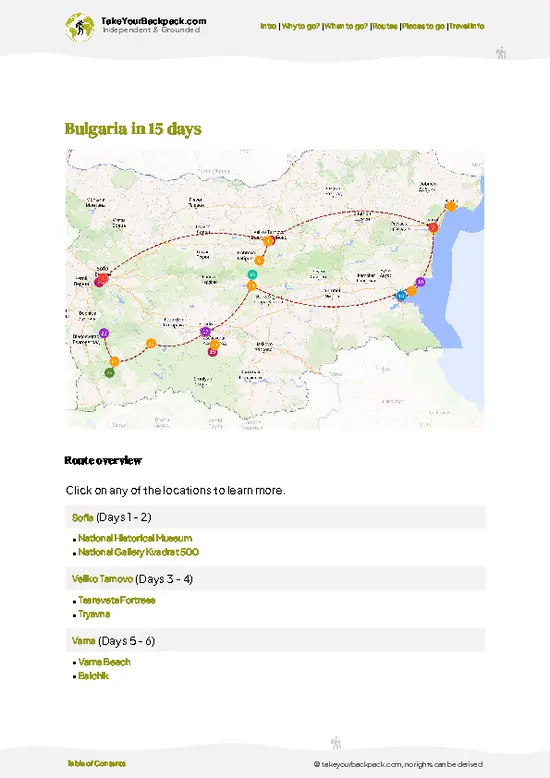
The Ottoman-Era Bathhouse (Central Mineral Bath Building)
Forget sterile glass boxes—this museum is housed in Sofia’s old Central Mineral Bath, a riot of yellow tiles, domes, and faded grandeur. You’re not just looking at history; you’re walking through it. The building itself is a living artifact, with echoes of steamy mineral baths and the kind of architectural bravado you only get when a city is trying to prove it belongs in Europe. The mosaics and the scent of old stone are half the experience. If you’re the type who gets more excited about peeling paint than polished marble, this is your playground.
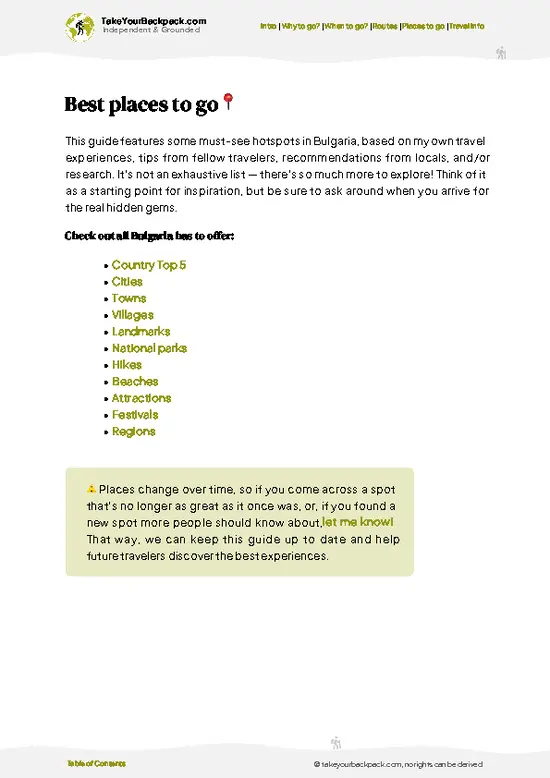
The Thracian Gold Treasures
Instagram will show you the gold, but it won’t tell you how wild these artifacts actually are. The Thracian treasures—gleaming burial masks, drinking vessels shaped … read more 👉
The Ottoman-Era Bathhouse (Central Mineral Bath Building)
Forget sterile glass boxes—this museum is housed in Sofia’s old Central Mineral Bath, a riot of yellow tiles, domes, and faded grandeur. You’re not just looking at history; you’re walking through it. The building itself is a living artifact, with echoes of steamy mineral baths and the kind of architectural bravado you only get when a city is trying to prove it belongs in Europe. The mosaics and the scent of old stone are half the experience. If you’re the type who gets more excited about peeling paint than polished marble, this is your playground.
The Thracian Gold Treasures
Instagram will show you the gold, but it won’t tell you how wild these artifacts actually are. The Thracian treasures—gleaming burial masks, drinking vessels shaped like animals, and jewelry that would make a rock star blush—are Bulgaria’s answer to King Tut. These pieces aren’t just old; they’re brash, weird, and dripping with personality. You’ll see craftsmanship that predates Rome and a culture that drank wine from solid gold. The display isn’t flashy, but the objects themselves are pure spectacle.
Communist-Era Relics
You want real Bulgaria? Skip the rose oil and look for the propaganda posters, medals, and everyday objects from the country’s decades behind the Iron Curtain. There’s a battered suitcase here that tells more about 20th-century Europe than any textbook. The museum doesn’t sugarcoat it—these rooms are a crash course in how ordinary people survived, adapted, and sometimes rebelled. It’s not pretty, but it’s honest, and it’s a side of Sofia you won’t get from a walking tour.
The Sofia Through the Ages Exhibit
This isn’t just a parade of dusty pottery. The exhibit walks you through Sofia’s wild ride from Roman outpost to Ottoman stronghold to modern capital. You’ll see ancient coins, medieval weapons, and the kind of everyday objects that make you realize people have always been messy, hopeful, and a little bit superstitious. It’s the antidote to the “timeless city” cliché—here, you see the layers, the scars, and the reinventions.
The Interactive Children’s Area
If you think history museums are just for adults, the Regional History Museum will prove you wrong. There’s a hands-on section where kids (and, let’s be honest, bored adults) can try on costumes, play with replicas, and get their hands dirty with history. It’s not a theme park, but it’s a rare spot where the museum drops the velvet rope and lets you touch the past. This is the kind of detail that turns a quick visit into a memory.
Spotted a mistake or missing something? Contact us.

Half Day Tour around Sofia and the mountains with Thermal Spa

Sofia Discount Card – Balloon Flights, ATV, Spa, 70+ Experiences

ATV Off Road Tour Near Sofia Guided Quad Bike Experience

Plovdiv, Asen's Fortress and Bachkovo Monastery small group tour with pickup

Full-day Rila Monastery, Stob Pyramids and St Ivan Rilski Cave from Sofia

Sofia from the Top and Alexander Nevski Catherdral

From Sofia: Mushroom Foraging & Wild Food Experience with Dobrin

Private transfer by car/MPV/Van from Sofia to Plovdiv

Private Experience in Wildlife Survival School in Bulgaria


 Best Backpacking
 Hi, I’m Johan (Netherlands 🇳🇱), the creator of TakeYourBackpack. Over the past 3 decades, I’ve backpacked through 90+ countries across six continents, gaining extensive experience with independent travel, long-term trips, and overland routes.