×

Bulgaria🇧🇬 | national parksRila National Parkhighest peak, glacial valleys, ancient spruce forests | things to do and best time to go

Explore Vitosha National ParkExplore Strandzha Nature Park

Backpacking in Rila
🏆 Top picknational park ranked #1
By Johan Kruseman 🇳🇱 | Updated May 17, 2026

Most online blurbs sell Rila National Park as a quick day trip to the Seven Rila Lakes, but the surprising truth is that the park is huge, mostly empty of people, and you can walk for days without seeing a chairlift or souvenir stand. It sits in southwest Bulgaria, south of Sofia and west of Bansko, covering the bulk of the Rila Mountains. For backpackers, it’s a serious hiking playground: long ridgelines, glacial lakes, real weather, and enough wildlife (bears, wolves, chamois) that you actually need to think about where you camp and store food. Access from Sofia is decent but not seamless; buses get you close, then you’re on lifts, taxis, or your feet. No real entrance fee, but huts and cable cars add up. Wild camping is technically restricted yet widely practiced with discretion. Compared with Pirin’s sharper drama and Vitosha’s easy city-escape vibe, Rila feels bigger, wilder, and less curated—rewarding if you’re prepared, punishing if you’re not.

Discover everything you want to know in the 📖 Bulgaria Travel Guide.


Get your Bulgaria guide
93 ranked highlights, routes & tips, works offline (363 pages)
Loading the map 🌍
CLICK TO FILTER
cities
towns
villages
landmarks
national parks
hikes
beaches
attractions
festivals
regions
SHOW COUNTRY’S BESTSHOW ALL

✨ Why go?
Ranked #1 national park in Bulgaria
Why Rila should be on your travel list

Rila National Park is a top choice for backpackers seeking independent exploration. The park’s extensive trail network allows you to chart your own course, whether you’re after a leisurely stroll or a challenging hike. With budget camping options and hostels nearby, you can stretch your funds without sacrificing comfort.

The park is known for its trail variety. From the iconic Seven Rila Lakes to the rugged peaks of Musala, there’s something for every skill level. This diversity means you can easily tailor your adventure to match your energy levels and interests.

For those who prefer to go solo, Rila is particularly suited for self-guided travelers. The well-marked paths and detailed maps make navigation straightforward, reducing the need for guided tours. This independence not only enhances … read more 👉
Rila National Park is a top choice for backpackers seeking independent exploration. The park’s extensive trail network allows you to chart your own course, whether you’re after a leisurely stroll or a challenging hike. With budget camping options and hostels nearby, you can stretch your funds without sacrificing comfort.

The park is known for its trail variety. From the iconic Seven Rila Lakes to the rugged peaks of Musala, there’s something for every skill level. This diversity means you can easily tailor your adventure to match your energy levels and interests.

For those who prefer to go solo, Rila is particularly suited for self-guided travelers. The well-marked paths and detailed maps make navigation straightforward, reducing the need for guided tours. This independence not only enhances your experience but also allows you to connect more deeply with the stunning landscapes.

However, be mindful of the weather and trail conditions, as they can change rapidly. Proper preparation will keep you safe and ensure you focus on the moments that truly matter—like soaking in the breathtaking views or enjoying a quiet moment by a mountain lake.
Get the complete Travel Guide for Bulgaria
Everything organized for offline planning — routes, highlights, costs & tips

See what’s inside 👉

Get the Travel Guide -

💡 HighlightsMust-see experiences and standout moments

  • Seven Rila Lakes — A string of glacial lakes sitting like steps in a high cirque; each lake has its own look (from mirror-flat to frothy streams) and the ridge views are ridiculously good for relatively little effort if you take the common loop trail.
  • Musala Peak — The highest point in the Balkans at 2,925 m. Big, blunt summit with wide panoramic views of surrounding peaks and glacial bowls — classic high-mountain terrain and a must for summit-baggers or sunrise hikers.
  • Malyovitsa Valley and Peak — A compact alpine playground: granite walls for climbers, steep scree, cirques and a friendly refuge. It’s where Bulgarian alpine history lives and where serious day hikes feel properly dramatic.
  • Skakavitsa Waterfall and Old Spruce Forest — One of the park’s most photogenic falls (around 70
read more 👉
  • Seven Rila Lakes — A string of glacial lakes sitting like steps in a high cirque; each lake has its own look (from mirror-flat to frothy streams) and the ridge views are ridiculously good for relatively little effort if you take the common loop trail.
  • Musala Peak — The highest point in the Balkans at 2,925 m. Big, blunt summit with wide panoramic views of surrounding peaks and glacial bowls — classic high-mountain terrain and a must for summit-baggers or sunrise hikers.
  • Malyovitsa Valley and Peak — A compact alpine playground: granite walls for climbers, steep scree, cirques and a friendly refuge. It’s where Bulgarian alpine history lives and where serious day hikes feel properly dramatic.
  • Skakavitsa Waterfall and Old Spruce Forest — One of the park’s most photogenic falls (around 70 m) tucked into ancient spruce woods. In winter it turns into an ice cathedral; in summer the trail is shaded and full of mossy atmosphere.
  • Rila Monastery and the surrounding beech forests — Not just culture — the monastery sits in a wild, forested valley with walking trails, river gorges and a timeless feel. It’s an easy way to combine breathtaking frescoes and mountain air in one stop.
  • Smaller glacial lakes and cirques (Musalenski, Suhodolski groups) — If you want quieter, more alpine solitude than the Seven Lakes, these lesser-visited lake basins offer mirror waters, endemic alpine plants and excellent camping/photography spots.
  • Wildlife and biodiversity hotspots — Rila’s forests and high meadows shelter brown bears, chamois, wolves and raptors, plus a rich understory of endemic plants. Wildlife viewing is best at dawn/dusk; keep your distance and expect to see more signs than animals.
Spotted a mistake or missing something? Contact us.

Things to do around Rila National Park

Ratings based on Tripadvisor reviews. When you book through this link, you support our work at no extra cost to you.

🌤️ When to go?Weather, crowds, and seasonal trade-offs


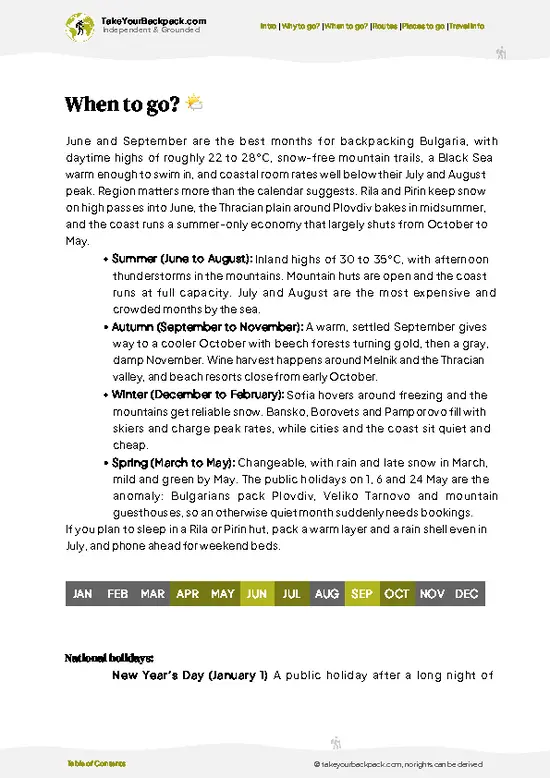
  • Weather: The best weather for backpacking in Rila National Park is late spring through early autumn. From May to September, expect mostly dry conditions, though sudden mountain showers can still happen. Winter months bring heavy snow, limiting access and requiring specialized gear.

  • Temperature: Summer highs range from 20°C to 25°C (68°F to 77°F), comfortable for hiking but cooler at higher elevations. Spring and autumn can be chilly, especially at night, often dropping below 5°C (41°F). Winter temperatures plunge well below freezing, making trails icy and challenging.

  • Daylight Hours: Peak daylight stretches from May to August, with up to 15 hours of light. This extended daylight lets you cover more ground safely. Outside these months, shorter days mean earlier starts and quicker finishes.
read more 👉

  • Weather: The best weather for backpacking in Rila National Park is late spring through early autumn. From May to September, expect mostly dry conditions, though sudden mountain showers can still happen. Winter months bring heavy snow, limiting access and requiring specialized gear.

  • Temperature: Summer highs range from 20°C to 25°C (68°F to 77°F), comfortable for hiking but cooler at higher elevations. Spring and autumn can be chilly, especially at night, often dropping below 5°C (41°F). Winter temperatures plunge well below freezing, making trails icy and challenging.

  • Daylight Hours: Peak daylight stretches from May to August, with up to 15 hours of light. This extended daylight lets you cover more ground safely. Outside these months, shorter days mean earlier starts and quicker finishes.

  • Crowds: July and August see the highest visitor numbers, especially around popular spots like Seven Rila Lakes. If you want solitude, aim for late May, June, or September when the park is quieter but still accessible.

  • Seasonal Activities: Summer is prime for hiking and camping. Autumn offers vibrant foliage but shorter hiking windows. Winter attracts skiers and snowshoers but isn’t ideal for standard backpacking without winter gear.

  • Price Fluctuations: Accommodation and transport costs peak in July and August. Booking outside these months can save money and avoid last-minute scrambles, especially in mountain huts and local guesthouses.


Pro-tip: Plan your trip for late spring or early autumn to dodge crowds, enjoy stable weather, and keep costs reasonable—this balance preserves your energy for the trails, not the hassles.


source: climatestotravel.comJANJanuary: below average for travelingFEBFebruary: below average for travelingMARMarch: fair for travelingAPRApril: good for travelingMAYMay: excellent for travelingJUNJune: excellent for travelingJULJuly: highly recommended for travelingAUGAugust: highly recommended for travelingSEPSeptember: excellent for travelingOCTOctober: good for travelingNOVNovember: fair for travelingDECDecember: below average for traveling
bulgaria-national-park-rila-national-park
© Google |

✈️ The backpacker research shortcutBulgaria Travel Guide

An offline-friendly backpacking guide with optimized travel routes, ranked highlights, transport advice, and the best areas to stay.
example page 0 from our offline Travel Guide for Bulgariaexample page 1 from our offline Travel Guide for Bulgariaexample page 2 from our offline Travel Guide for Bulgariaexample page 3 from our offline Travel Guide for Bulgariaexample page 4 from our offline Travel Guide for Bulgariaexample page 5 from our offline Travel Guide for Bulgariaexample page 6 from our offline Travel Guide for Bulgariaexample page 7 from our offline Travel Guide for Bulgaria
The digital guide (363 pages) contains:
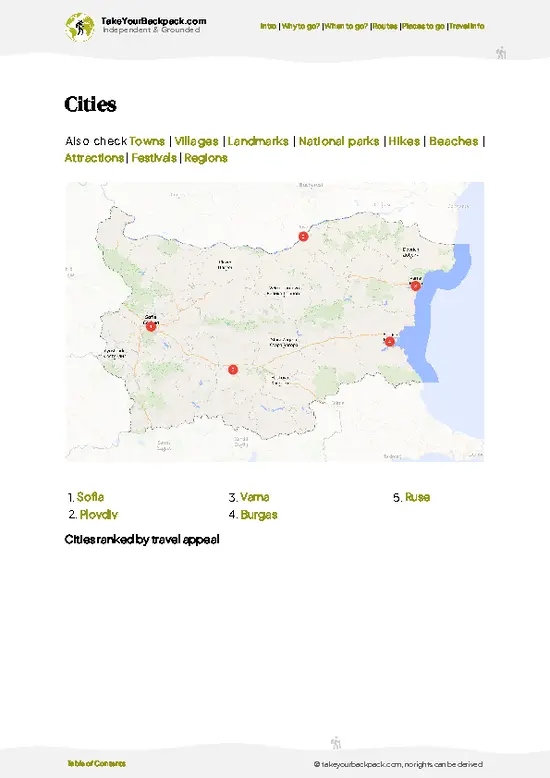
93 highlights, ranked by travel appeal
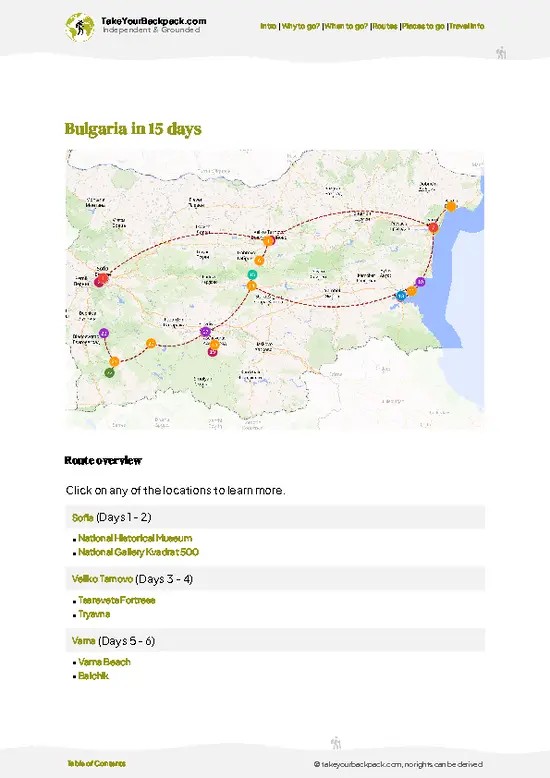
Optimized 5, 10 & 15-day travel routes
Cities, national parks, beaches, historical sites, ...
How to get around
Offline-friendly for travel without Wi-Fi
👉 Click to see all 30+ guide features

📅 Plan smarter in minutes, not weeks
Month by month travel advice
Festivals & national holidays
Budget expectations

🗺️ Go to the right places, skip the overrated ones
Honest pros & cons of destinations
Top hikes, parks & viewpoints
Lesser-known places most travelers miss
Clear “worth it vs skip it” guidance

🛏️ Travel smoothly without rookie mistakes
Best areas to stay
Transport systems explained simply
Common scams & safety advice
SIM cards, money & practical tips

🌍 Understand the country, not just visit it
Culture & traditions
52 Essential phrases & customs
Festivals worth planning around
Traveler-friendly historical context
Insights that make places more meaningful

📱 Built for real travel conditions
Fully downloadable PDF
Works completely offline
Optimized for phone use
Useful in remote areas & buses
Everything in one place
Save weeks of stressful planning
Get instant access to the full guide directly. 30-day money-back guarantee.


Sent to your inbox immediately after payment • 100% Secure Checkout
Best Backpacking Travel Advisor 2025 tourism awardBest Backpacking
Travel Advisor
2025
What others say about Take Your Backpack Guides:
⭐⭐⭐⭐⭐
Fantastic, amazing amount of information!
⭐⭐⭐⭐⭐
My goodness this is amazing, it's what I've been looking for hats off too you!
⭐⭐⭐⭐⭐
I think this is absolutely BRILLIANT
⭐⭐⭐⭐
Very complete and informative. It's still missing places, but I gotta to commend you
⭐⭐⭐⭐⭐
This is truly amazing, thank you, can't wait to explore it with my kids!
⭐⭐⭐⭐⭐
Awesome resource, thank you!
⭐⭐⭐⭐⭐
This is amazing! Can't wait to explore the ones I haven't seen
⭐⭐⭐⭐
I love this! Well done, great idea.
⭐⭐⭐⭐⭐
Thanks for taking the time to make this gem!
⭐⭐⭐⭐⭐
This might be the best website I've ever seen.
⭐⭐⭐⭐⭐
Congratulations, and thank you so much for your work; it's incredibly valuable.
⭐⭐⭐⭐
In all seriousness I think you did a great job pointing out the important spots
⭐⭐⭐⭐⭐
10/10 very good
⭐⭐⭐⭐⭐
As someone who's only just starting to visit regularly this is awesome, thank you.
⭐⭐⭐⭐
Thank you very much! I'm going to visit my dad, it's going to be very useful!
⭐⭐⭐⭐⭐
This is really cool! We'll be travelling for the first time and this definitely come in handy.
⭐⭐⭐⭐⭐
You are now our minister of culture, congratulations 👨‍💼
⭐⭐⭐⭐⭐
Just wanted to tell you that this is a pearl! Going to follow your recommendations.
⭐⭐⭐⭐⭐
This is so cool. I'll definitely be using the resource for my travels soon.
⭐⭐⭐⭐⭐
This is very impressive! Good work.
⭐⭐⭐⭐⭐
This is an amazing and informative site. Very well done!

🛏️ Where to stay?Best areas and accommodation options

Rila National Park is a treasure for backpackers, but where you lay your head can make or break your experience. Inside the park, options are limited. The best bet is the Rila Monastery, which offers basic accommodations. Staying here puts you right next to the stunning monastery and some trailheads. Just be aware that it can get crowded, especially in peak season.

If you prefer a bit more variety, head to Samokov, about 30 kilometers from the park. This town has several budget-friendly hostels and guesthouses. It’s a good base for day trips into the park. Plus, you’ll find local eateries where … read more 👉
Rila National Park is a treasure for backpackers, but where you lay your head can make or break your experience. Inside the park, options are limited. The best bet is the Rila Monastery, which offers basic accommodations. Staying here puts you right next to the stunning monastery and some trailheads. Just be aware that it can get crowded, especially in peak season.

If you prefer a bit more variety, head to Samokov, about 30 kilometers from the park. This town has several budget-friendly hostels and guesthouses. It’s a good base for day trips into the park. Plus, you’ll find local eateries where you can refuel without breaking the bank.

Another option is Bansko, roughly 40 kilometers away. Known for its ski resorts, it also offers affordable lodging and a lively atmosphere. The added bonus? You can enjoy the local nightlife after a day of hiking.

Keep in mind that public transport can be sparse, so plan your trips carefully. Renting a car can save you time and energy, allowing you to focus on the trails and the breathtaking views. Avoid the tourist traps in the area; stick to local spots for food and gear. This way, you’ll keep your budget intact for the experiences that truly matter.

👛 Costs (as of 24 February 2026)What things cost and how to budget

Visiting Rila National Park in Bulgaria can be a rewarding experience, but it’s essential to be aware of the costs involved to avoid surprises.

Entrance fees are generally around €5 to €10 per person, depending on the specific area you plan to explore. Some trails may have additional fees if they lead to specific attractions, like the Seven Rila Lakes.

If you’re considering guided tours, expect to pay between €30 and €70 per person. This often includes transportation, a guide, and sometimes meals. It’s a good investment if you want insights into the park’s ecology and history.

Accommodation options vary widely. Budget hostels can start at around €10 to €20 per night, while mid-range hotels typically range from €30 to €70. For a more upscale experience, expect to pay €80 and up.

Food costs … read more 👉
Visiting Rila National Park in Bulgaria can be a rewarding experience, but it’s essential to be aware of the costs involved to avoid surprises.

Entrance fees are generally around €5 to €10 per person, depending on the specific area you plan to explore. Some trails may have additional fees if they lead to specific attractions, like the Seven Rila Lakes.

If you’re considering guided tours, expect to pay between €30 and €70 per person. This often includes transportation, a guide, and sometimes meals. It’s a good investment if you want insights into the park’s ecology and history.

Accommodation options vary widely. Budget hostels can start at around €10 to €20 per night, while mid-range hotels typically range from €30 to €70. For a more upscale experience, expect to pay €80 and up.

Food costs are reasonable. A meal at a local restaurant can be as low as €5, while a more substantial meal might set you back €15 to €25.

Transportation is another factor. If you’re using public transport, a bus ticket from Sofia to Rila costs about €10. Renting a car can be more expensive, with daily rates starting around €30, plus fuel.

Plan for these costs to keep your budget intact and your energy focused on enjoying the park’s natural beauty.
⚠️ Prices can change and everyone travels differently, so take this as a rough guide. Hope it helps you plan your adventure!

🥾 TrailsWhere to hike in Rila: trails for every level

Rila National Park is a gem for hikers, boasting stunning alpine landscapes, crystal-clear lakes, and diverse wildlife. The terrain varies from gentle slopes to steep ascents, making it accessible for different skill levels. You might spot chamois, deer, or even golden eagles soaring overhead if you’re lucky.

One of the standout trails is the Seven Rila Lakes Trail.
  • Length: 10 km
  • Estimated Duration: 4-5 hours
  • Difficulty Level: Moderate
  • Key Features: Stunning glacial lakes, panoramic views, and lush meadows
  • Terrain: A mix of well-marked paths and rocky sections, with some steep climbs

Another popular … read more 👉
Rila National Park is a gem for hikers, boasting stunning alpine landscapes, crystal-clear lakes, and diverse wildlife. The terrain varies from gentle slopes to steep ascents, making it accessible for different skill levels. You might spot chamois, deer, or even golden eagles soaring overhead if you’re lucky.

One of the standout trails is the Seven Rila Lakes Trail.
  • Length: 10 km
  • Estimated Duration: 4-5 hours
  • Difficulty Level: Moderate
  • Key Features: Stunning glacial lakes, panoramic views, and lush meadows
  • Terrain: A mix of well-marked paths and rocky sections, with some steep climbs

Another popular route is the Musala Peak Trail.
  • Length: 12 km
  • Estimated Duration: 6-7 hours
  • Difficulty Level: Challenging
  • Key Features: Highest peak in the Balkans, breathtaking views, and a chance to see rare flora
  • Terrain: Rocky and steep, with some sections requiring careful footing

Getting to Rila National Park is pretty straightforward. You can catch a bus from Sofia to the town of Samokov, and then another to Borovets, which is a common starting point for many trails. The trails can get busy, especially in summer, so starting early can help you avoid the crowds. As for fees, there’s usually a small entrance fee to access certain areas, but it’s generally affordable. Just pack some snacks, lace up your boots, and enjoy the adventure!
⚠️ Hiking info can sometimes be outdated or inaccurate. Before you hit the trail, check the latest conditions with locals. If you do spot anything that's off, I'd love to hear from you, so I can update it for fellow travelers.

🛡️ SafetyTraveler Safety Guide

Rila National Park is a stunning playground for backpackers, but it’s wise to be prepared. Weather can shift quickly, especially at higher altitudes. Mornings might start crisp, but by afternoon, you could face rain or even snow. Layering is key; pack a waterproof jacket and thermal layers to stay comfortable.

The terrain varies significantly. Some trails are steep and rocky, demanding good footing and a steady pace. Navigation can be tricky in foggy conditions, so a reliable map or GPS is essential. Watch for river crossings, especially after rain; they can swell quickly and become challenging.

Wildlife encounters are rare but possible. If you spot a bear or a deer, keep your distance. Make noise while hiking to avoid surprising them.

First-time visitors often underestimate the park’s … read more 👉
Rila National Park is a stunning playground for backpackers, but it’s wise to be prepared. Weather can shift quickly, especially at higher altitudes. Mornings might start crisp, but by afternoon, you could face rain or even snow. Layering is key; pack a waterproof jacket and thermal layers to stay comfortable.

The terrain varies significantly. Some trails are steep and rocky, demanding good footing and a steady pace. Navigation can be tricky in foggy conditions, so a reliable map or GPS is essential. Watch for river crossings, especially after rain; they can swell quickly and become challenging.

Wildlife encounters are rare but possible. If you spot a bear or a deer, keep your distance. Make noise while hiking to avoid surprising them.

First-time visitors often underestimate the park’s elevation. Take your time to acclimate, especially if you’re coming from lower altitudes. With thoughtful preparation, you’ll conserve your energy for the breathtaking views and experiences that truly matter.

Other Bulgarian national parks near Rila

Explore more nearby:


👉 Discover all national parks

Or checkout all Bulgaria has to offer (think cities, towns, villages, national parks, hikes, beaches, festivals)
Country photo of Bulgaria

We 💚 feedbackSumming up the experience

Rila National Park is a breath of fresh air, but don’t underestimate its challenges. The trails can be rugged, and weather shifts quickly. Pack layers and sturdy shoes. The best surprise? The serene beauty of the Seven Rila Lakes—arrive early to beat the crowds and soak in the stillness. Remember, the park’s charm lies in its wildness, so embrace the unexpected. Keep your energy for those moments that truly matter, and you’ll leave with stories worth sharing.

✍️ Help improve this page!
The information on this page is based on in-depth research, insights shared by experienced travelers, and feedback from the local travel community in Bulgaria. While every effort is made to keep the information accurate and current, conditions can change — so if you spot anything incorrect or outdated, please get in touch.


🙋‍♂️ Give feedback

👋 Meet the founderWho’s Behind Take Your Backpack?

Johan, backpacker and founder of TakeYourBackpackHi, I’m Johan (Netherlands 🇳🇱), the creator of TakeYourBackpack. Over the past decade, I’ve backpacked through 80+ countries across six continents, gaining extensive experience with independent travel, long-term trips, and overland routes.

This site is built on a combination of firsthand travel experience and carefully curated insights from other backpackers. Many guides are based on places I’ve personally visited, while others bring together tips, observations, and practical advice shared by trusted travelers I’ve met along the way.

The goal is to provide realistic, experience-driven guidance — not generic itineraries — so you can explore destinations with better context, clearer expectations, and more confidence.

Get full Bulgaria guide •
Instant download • 93 highlights • Full Offline guide