v2.webp)
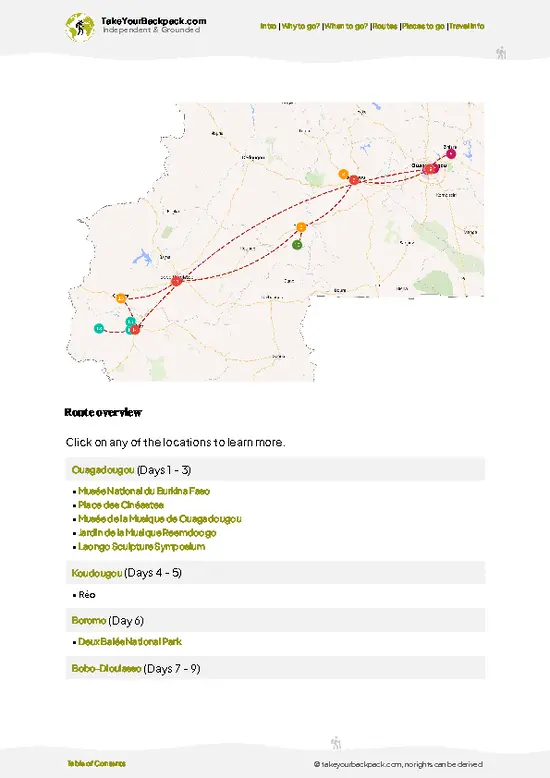
- Orodara Central Market: the town’s main draw, piled with mangoes, citrus, tomatoes and shea butter. Go in the morning when stalls are fullest. Entry is free and an hour is enough.
- Fruit orchards around town: mango and citrus groves ring Orodara, and growers will sometimes let you walk through if you ask politely. Season runs roughly April to June for mangoes. Plan 2 to 3 hours by bike, and a small tip of about €1 to 2 for a guide is appreciated.
- Grand Mosque area: the town’s main mosque anchors the center, and the surrounding streets show everyday life. Visit outside prayer times, dress modestly and ask before photographing. Free, 30 minutes.
- Juice and fruit-processing stalls: local vendors press fresh mango, orange and tamarind drinks. Late afternoon is best. A glass costs about €0.30 to 0.80,
- Orodara Central Market: the town’s main draw, piled with mangoes, citrus, tomatoes and shea butter. Go in the morning when stalls are fullest. Entry is free and an hour is enough.
- Fruit orchards around town: mango and citrus groves ring Orodara, and growers will sometimes let you walk through if you ask politely. Season runs roughly April to June for mangoes. Plan 2 to 3 hours by bike, and a small tip of about €1 to 2 for a guide is appreciated.
- Grand Mosque area: the town’s main mosque anchors the center, and the surrounding streets show everyday life. Visit outside prayer times, dress modestly and ask before photographing. Free, 30 minutes.
- Juice and fruit-processing stalls: local vendors press fresh mango, orange and tamarind drinks. Late afternoon is best. A glass costs about €0.30 to 0.80, and 30 minutes is plenty.
- Evening maquis on the main road: a grilled chicken or fish plate with a cold drink is the town’s nightlife. Go after dark, budget about €3 to 6, and expect 1 to 2 hours.
Spotted a mistake or missing something? Contact us.

 Best Backpacking
.jpg) Hi, I’m Johan (Netherlands 🇳🇱), the creator of TakeYourBackpack. Over the past 3 decades, I’ve backpacked through 90+ countries across six continents, gaining extensive experience with independent travel, long-term trips, and overland routes.
Hi, I’m Johan (Netherlands 🇳🇱), the creator of TakeYourBackpack. Over the past 3 decades, I’ve backpacked through 90+ countries across six continents, gaining extensive experience with independent travel, long-term trips, and overland routes.