×

Burundi🇧🇮 | citiesBujumburaLake Tanganyika shore, colonial-era architecture, lively central market | things to do and best time to go

Explore Saga BeachExplore Gitega

Backpacking in Bujumbura
🏆 Top pickcity ranked #1
By Johan Kruseman 🇳🇱 | Updated June 6, 2026

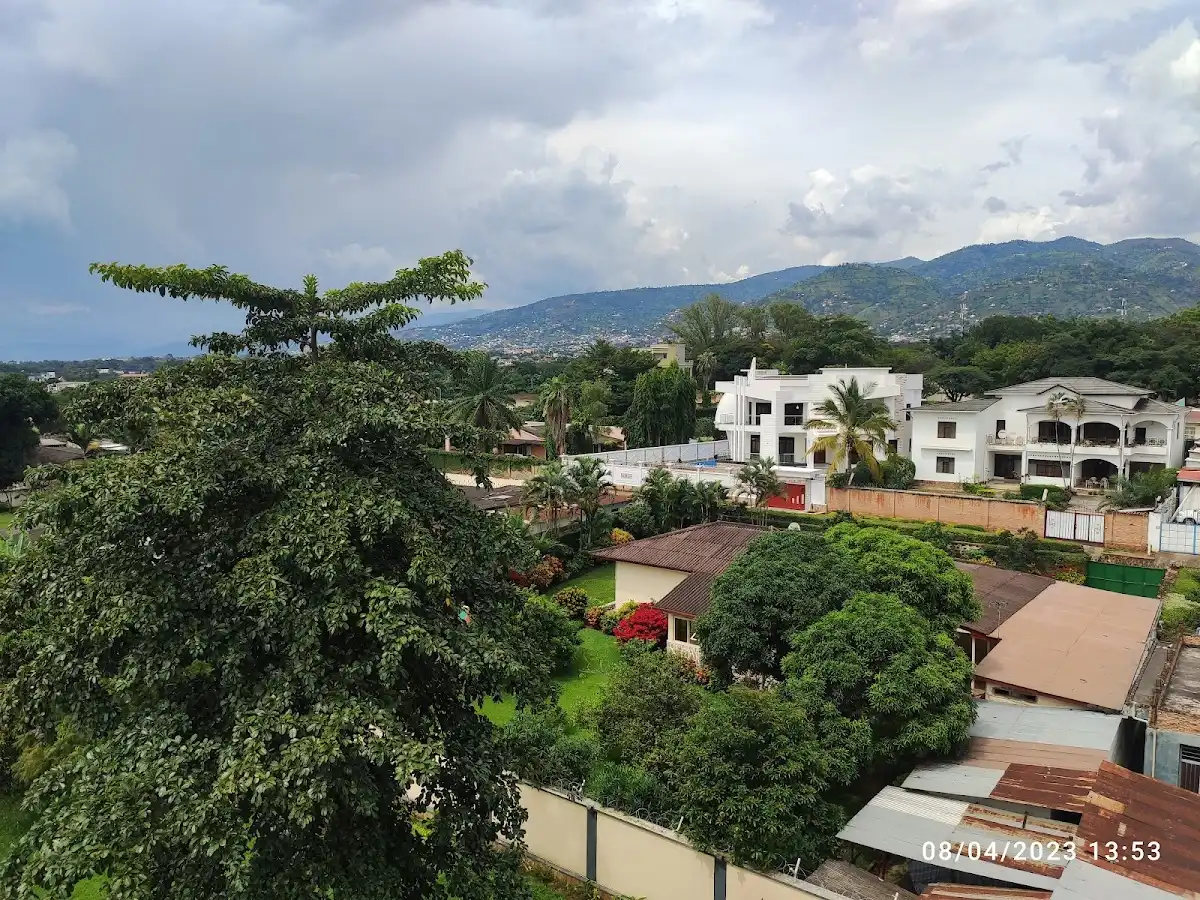
Everyone says you come to Bujumbura for Lake Tanganyika’s beaches, but let’s be honest: if you’re backpacking, the real game is understanding what you’re trading for your time and money. Bujumbura sits on Burundi’s western edge, hugging the lake and the Congolese border—a crossroads city with a pulse that’s more about daily hustle than postcard moments. The city’s faded colonial architecture and the Livingstone-Stanley Monument are worth a look, but the real highlight is people-watching on Place de l’Indépendance or catching live music in a smoky bar after dark. Bujumbura is cheaper than most East African capitals, but you’ll pay in patience: infrastructure is patchy, ATMs are unreliable, and public transport is a puzzle. Meeting other travelers is rare—this isn’t Kigali or Kampala—so you’ll need to be proactive if you want company. Safety is better than Burundi’s reputation suggests, but you need street smarts. The vibe? Gritty, unpredictable, and surprisingly friendly if you lean in.

Discover everything you want to know in the 📖 Burundi Travel Guide.
Safety warning

The current risk level for Burundi is high. Check the advice before going.


Get your Burundi guide
60 ranked highlights, routes & tips, works offline (250 pages)
Loading the map 🌍
CLICK TO FILTER
cities
towns
landmarks
national parks
hikes
beaches
attractions
festivals
SHOW COUNTRY’S BESTSHOW ALL

✨ Why go?
Ranked #1 city in Burundi
What makes it a must-see city

Bujumbura, the former capital of Burundi, is a strategic stop for backpackers weaving through East Africa. It offers a unique blend of affordability and authenticity that’s hard to find elsewhere. The hostel scene is vibrant yet laid-back, providing a solid base for travelers looking to connect with others. You’ll find cheap eats that showcase local flavors, making it easy to fuel up without breaking the bank.

The city is walkable, allowing you to soak in the local vibe as you navigate its streets. While Bujumbura isn’t packed with tourist traps, it serves as a gateway to stunning day trips—think of it as your launchpad into the surrounding beauty. The nightlife, though not overwhelming, has its charm, with local bars offering a taste of Burundian culture.

In terms of logistics, Bujumbura … read more 👉
Bujumbura, the former capital of Burundi, is a strategic stop for backpackers weaving through East Africa. It offers a unique blend of affordability and authenticity that’s hard to find elsewhere. The hostel scene is vibrant yet laid-back, providing a solid base for travelers looking to connect with others. You’ll find cheap eats that showcase local flavors, making it easy to fuel up without breaking the bank.

The city is walkable, allowing you to soak in the local vibe as you navigate its streets. While Bujumbura isn’t packed with tourist traps, it serves as a gateway to stunning day trips—think of it as your launchpad into the surrounding beauty. The nightlife, though not overwhelming, has its charm, with local bars offering a taste of Burundian culture.

In terms of logistics, Bujumbura is well-connected for onward travel, making it easy to hop to neighboring countries. If you’re after a place that balances comfort and value, while still offering a glimpse into local life, Bujumbura is worth your time. Just remember, it’s best enjoyed as part of a broader journey rather than a destination in itself.
Want to include Bujumbura in your Burundi route?
Create a personalized Burundi itinerary that includes Bujumbura and the places that fit your trip — based on your travel style, budget, and available time. Get your route in seconds.

Generate my trip

💡 HighlightsKey sights and experiences for travelers

  • Lake Tanganyika shoreline & Saga Beach — The city’s lifeblood: long sandy bays, locals fishing and grilling fresh catch, calm swimming spots and the best sunsets you’ll actually want to linger for.
  • Rusizi River mouth & Rusizi nature area — Where the Rusizi dumps into the lake: easy boat trips, hippo-and-waterbird spotting right from shore and a different, wetter side of Bujumbura’s nature without leaving the city’s edge.
  • Marché Central (Central Market) — A chaotic, colorful crash-course in Burundian daily life: produce, fabrics, spices and street food stalls where you can watch bargaining, try local snacks and pick up inexpensive souvenirs.
  • Buyenzi neighborhood — One of the city’s oldest, most vibrant quarters: narrow streets, mosques, small cafes and street traders offering an authentic
read more 👉
  • Lake Tanganyika shoreline & Saga Beach — The city’s lifeblood: long sandy bays, locals fishing and grilling fresh catch, calm swimming spots and the best sunsets you’ll actually want to linger for.
  • Rusizi River mouth & Rusizi nature area — Where the Rusizi dumps into the lake: easy boat trips, hippo-and-waterbird spotting right from shore and a different, wetter side of Bujumbura’s nature without leaving the city’s edge.
  • Marché Central (Central Market) — A chaotic, colorful crash-course in Burundian daily life: produce, fabrics, spices and street food stalls where you can watch bargaining, try local snacks and pick up inexpensive souvenirs.
  • Buyenzi neighborhood — One of the city’s oldest, most vibrant quarters: narrow streets, mosques, small cafes and street traders offering an authentic urban atmosphere away from tourist bubbles.
  • Bujumbura fish market / lakefront landing sites — Early-morning scenes of fishermen hauling in Tanganyika’s catch, and cheap, excellent grilled fish stands—great for photos and a raw local experience.
  • Musée Vivant (Living Museum) — A small cultural spot that combines traditional huts and ethnographic displays with a modest animal collection; a compact way to get context on local crafts, dress and rural life without a long drive.
  • Cathédrale Regina Mundi (main cathedral) — A landmark of colonial-era architecture and an active community focal point; even if you’re not religious, the building and neighborhood give a good slice of city history and daily rhythms.
  • Stade Intwari (Prince Louis Rwagasore Stadium) — Catching a local football match here is visceral and fun: loud crowds, street food and a real feel for national pride in a very public, social setting.
  • Alliance Française / local cultural centers — Small galleries, film nights, language classes and rotating performances: the easiest place to tap into contemporary Burundian arts, music and events in town.
  • Lakefront artisan stalls & craft sellers — Scattered along the promenade and near tourist spots: wood carvings, woven goods and paintings by local artists—good for supporting makers directly and finding unique keepsakes.
A few excellent day-trip options just outside the city include Gitega (the national museum and the Gishora drum sanctuary), the Rumonge lakeshore and fishing villages along Tanganyika, and forest hikes in the Kibira area for a full-nature contrast to Bujumbura.
Spotted a mistake or missing something? Contact us.

Things to do in Bujumbura

Ratings based on Tripadvisor reviews. When you book through this link, you support our work at no extra cost to you.

🏘️ NeighborhoodsUnderstanding the local layout

Bujumbura, the former capital of Burundi, offers a unique blend of culture, nature, and local life. As a backpacker, knowing where to stay can make all the difference. Here’s a breakdown of key neighborhoods to help you navigate your options.

Centre Ville: This is the heart of Bujumbura. You’ll find bustling markets, local eateries, and a vibrant street life. It’s walkable, with plenty of budget accommodations. Nightlife is lively, with bars and music venues nearby. Perfect for short stays, but the constant activity might wear you out if you’re looking for peace.

Musaga: A quieter residential area, Musaga offers a more laid-back vibe. It’s less touristy, giving you a chance to mingle with locals. Accommodations are affordable, and it’s a short ride to the city center. Ideal for longer stays … read more 👉
Bujumbura, the former capital of Burundi, offers a unique blend of culture, nature, and local life. As a backpacker, knowing where to stay can make all the difference. Here’s a breakdown of key neighborhoods to help you navigate your options.

Centre Ville: This is the heart of Bujumbura. You’ll find bustling markets, local eateries, and a vibrant street life. It’s walkable, with plenty of budget accommodations. Nightlife is lively, with bars and music venues nearby. Perfect for short stays, but the constant activity might wear you out if you’re looking for peace.

Musaga: A quieter residential area, Musaga offers a more laid-back vibe. It’s less touristy, giving you a chance to mingle with locals. Accommodations are affordable, and it’s a short ride to the city center. Ideal for longer stays if you want to soak in the local culture without the hustle.

Kiriri: This neighborhood is known for its scenic views of Lake Tanganyika. It’s a bit more upscale, with some pricier options, but you can still find budget spots. Walkability is decent, though you might need to rely on taxis for longer distances. Great for those who want a mix of relaxation and access to city life.

Ngagara: A blend of residential and commercial, Ngagara is bustling but not overwhelming. It’s affordable and has good transport links. You’ll find local markets and eateries, making it suitable for both short and longer stays. The nightlife is quieter here, perfect for unwinding after a day of exploration.

⌛️ 1 day1-day itinerary for Bujumbura

Bujumbura, nestled on the shores of Lake Tanganyika, is a city that pulses with life and culture. It’s a place where the vibrant local markets meet the serene beauty of the lake, offering a unique blend of experiences that are both enriching and refreshing. You can feel the rhythm of daily life here, and it’s a perfect spot for a day of exploration.

Start your morning at the bustling **Central Market** in the city center. The air is thick with the scent of fresh produce and spices. Wander through the stalls, engage with local vendors, and maybe pick up some handmade crafts. This isn’t just shopping; it’s a chance to connect with the heart of Bujumbura. Afterward, grab a quick breakfast at a nearby café—try the local **brochettes** and a cup of Burundian coffee to fuel your day.

In the afternoon, … read more 👉
Bujumbura, nestled on the shores of Lake Tanganyika, is a city that pulses with life and culture. It’s a place where the vibrant local markets meet the serene beauty of the lake, offering a unique blend of experiences that are both enriching and refreshing. You can feel the rhythm of daily life here, and it’s a perfect spot for a day of exploration.

Start your morning at the bustling **Central Market** in the city center. The air is thick with the scent of fresh produce and spices. Wander through the stalls, engage with local vendors, and maybe pick up some handmade crafts. This isn’t just shopping; it’s a chance to connect with the heart of Bujumbura. Afterward, grab a quick breakfast at a nearby café—try the local **brochettes** and a cup of Burundian coffee to fuel your day.

In the afternoon, head towards **Kibira National Park**, just a short drive from the city. While it’s not the most common tourist route, the park offers a chance to escape the urban hustle. Hike through lush trails, where you might spot some of the unique wildlife that calls this area home. The tranquility of the forest is a refreshing contrast to the market’s energy. Spend a few hours here, soaking in the sights and sounds of nature.

As the sun begins to set, make your way back to the lakeshore. The **Promenade de la Plage** is a perfect spot to unwind. Grab a seat at one of the local eateries, where you can enjoy grilled fish fresh from the lake. The view of the sunset over the water is nothing short of spectacular, painting the sky in hues of orange and pink.

Bujumbura may not be on everyone’s radar, but its charm lies in these authentic experiences. By balancing your time between the market, the park, and the lakeside, you’ll leave with a deeper understanding of this vibrant city.
Turn your Bujumbura visit into an Burundi adventure
Build a complete Burundi route with Bujumbura, hidden gems, must-see destinations, and realistic travel times included.

Generate my trip

🌤️ When to go?Weather, crowds, and seasonal trade-offs


  • Topic: Weather and Temperature — Bujumbura’s climate is tropical, with a wet season from October to May and a dry season from June to September. Temperatures hover between 22°C and 28°C (72°F to 82°F) year-round, but humidity spikes during the rainy months, making outdoor activities less pleasant.

  • Topic: Daylight Hours — Near the equator, daylight is consistent, roughly 12 hours daily all year. This stability means you don’t have to juggle short days or long nights, giving you reliable daylight for trekking or exploring.

  • Topic: Crowds — Tourism in Bujumbura is modest, but the dry season sees a slight uptick as travelers avoid rain. You’ll find fewer tourists and more authentic local interactions outside June to September, but expect some trade-offs in comfort.

  • Topic: Seasonal Activities
read more 👉

  • Topic: Weather and Temperature — Bujumbura’s climate is tropical, with a wet season from October to May and a dry season from June to September. Temperatures hover between 22°C and 28°C (72°F to 82°F) year-round, but humidity spikes during the rainy months, making outdoor activities less pleasant.

  • Topic: Daylight Hours — Near the equator, daylight is consistent, roughly 12 hours daily all year. This stability means you don’t have to juggle short days or long nights, giving you reliable daylight for trekking or exploring.

  • Topic: Crowds — Tourism in Bujumbura is modest, but the dry season sees a slight uptick as travelers avoid rain. You’ll find fewer tourists and more authentic local interactions outside June to September, but expect some trade-offs in comfort.

  • Topic: Seasonal Activities — Dry months are prime for hiking and visiting Lake Tanganyika’s beaches without interruption. The wet season limits these options but offers lush landscapes and fewer visitors, which can be a trade-off worth considering.

  • Topic: Price Fluctuations — Accommodation and transport costs dip during the wet season due to lower demand. If you’re flexible and don’t mind occasional downpours, this is your chance to stretch your budget further.


Pro-tip: Aim for the shoulder months—May and September—when rain eases, crowds thin, and prices start to balance out. You get the best mix of comfort, cost, and authentic experience.


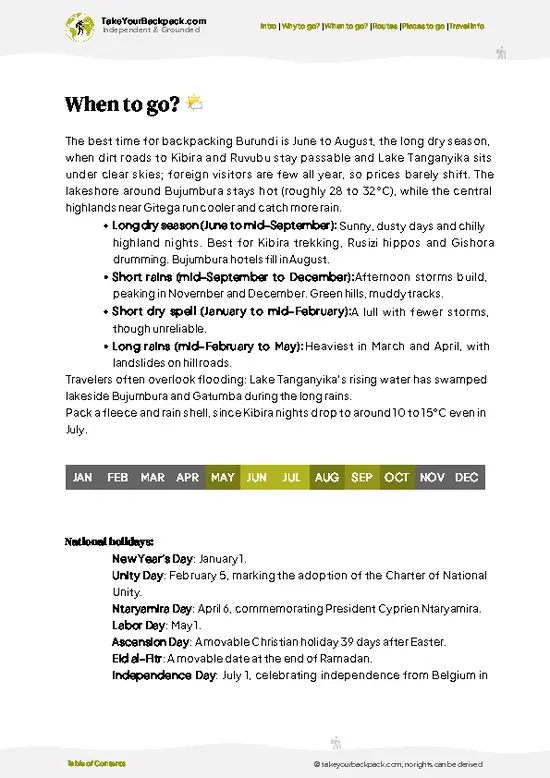
source: climatestotravel.comJANJanuary: fair for travelingFEBFebruary: fair for travelingMARMarch: fair for travelingAPRApril: fair for travelingMAYMay: highly recommended for travelingJUNJune: excellent for travelingJULJuly: excellent for travelingAUGAugust: excellent for travelingSEPSeptember: highly recommended for travelingOCTOctober: fair for travelingNOVNovember: fair for travelingDECDecember: fair for traveling
burundi-city-bujumbura v1
© Google |

✈️ The backpacker research shortcutBurundi Travel Guide

An offline-friendly backpacking guide with optimized travel routes, ranked highlights, transport advice, and the best areas to stay.
example page 0 from our offline Travel Guide for Burundi
example page 1 from our offline Travel Guide for Burundi
example page 2 from our offline Travel Guide for Burundi
example page 3 from our offline Travel Guide for Burundi
example page 4 from our offline Travel Guide for Burundi
example page 5 from our offline Travel Guide for Burundi
example page 6 from our offline Travel Guide for Burundi
example page 7 from our offline Travel Guide for Burundi
The digital guide (250 pages) contains:
60 highlights, ranked by travel appeal
Optimized 2, 3 & 5-day travel routes
Cities, national parks, landmarks, beaches
How to get around
Offline-friendly for travel without Wi-Fi
👉 Click to see all 30+ guide features

📅 Plan smarter in minutes, not weeks
Month by month travel advice
Festivals & national holidays
Budget expectations

🗺️ Go to the right places, skip the overrated ones
Honest pros & cons of destinations
Top hikes, parks & viewpoints
Lesser-known places most travelers miss
Clear “worth it vs skip it” guidance

🛏️ Travel smoothly without rookie mistakes
Best areas to stay
Transport systems explained simply
Common scams & safety advice
SIM cards, money & practical tips

🌍 Understand the country, not just visit it
Culture & traditions
52 Essential phrases & customs
Festivals worth planning around
Traveler-friendly historical context
Insights that make places more meaningful

📱 Built for real travel conditions
Fully downloadable PDF
Works completely offline
Optimized for phone use
Useful in remote areas & buses
Everything in one place
Save weeks of stressful planning
Get instant access to your full guide. 30‑day money-back guarantee.


By proceeding you agree to our terms.
Sent to your inbox immediately after payment • 100% Secure Checkout
Best Backpacking Travel Advisor 2025 tourism awardBest Backpacking
Travel Advisor
2025
What others say about Take Your Backpack Guides:
⭐⭐⭐⭐⭐
Fantastic, amazing amount of information!
⭐⭐⭐⭐⭐
My goodness this is amazing, it's what I've been looking for hats off too you!
⭐⭐⭐⭐⭐
I think this is absolutely BRILLIANT
⭐⭐⭐⭐
Very complete and informative. It's still missing places, but I gotta to commend you
⭐⭐⭐⭐⭐
This is truly amazing, thank you, can't wait to explore it with my kids!
⭐⭐⭐⭐⭐
Awesome resource, thank you!
⭐⭐⭐⭐⭐
This is amazing! Can't wait to explore the ones I haven't seen
⭐⭐⭐⭐
I love this! Well done, great idea.
⭐⭐⭐⭐⭐
Thanks for taking the time to make this gem!
⭐⭐⭐⭐⭐
This might be the best website I've ever seen.
⭐⭐⭐⭐⭐
Congratulations, and thank you so much for your work; it's incredibly valuable.
⭐⭐⭐⭐
In all seriousness I think you did a great job pointing out the important spots
⭐⭐⭐⭐⭐
10/10 very good
⭐⭐⭐⭐⭐
As someone who's only just starting to visit regularly this is awesome, thank you.
⭐⭐⭐⭐
Thank you very much! I'm going to visit my dad, it's going to be very useful!
⭐⭐⭐⭐⭐
This is really cool! We'll be travelling for the first time and this definitely come in handy.
⭐⭐⭐⭐⭐
You are now our minister of culture, congratulations 👨‍💼
⭐⭐⭐⭐⭐
Just wanted to tell you that this is a pearl! Going to follow your recommendations.
⭐⭐⭐⭐⭐
This is so cool. I'll definitely be using the resource for my travels soon.
⭐⭐⭐⭐⭐
This is very impressive! Good work.
⭐⭐⭐⭐⭐
This is an amazing and informative site. Very well done!

🛏️ Where to stay?Best areas and accommodation options

In Bujumbura, the backpacker sweet spot is the area around the city center and the adjacent Kamenge neighborhood. This zone strikes a rare balance between safety, social buzz, and budget-friendly options. The city center is where you’ll find the pulse of local life—markets, street food stalls, and a handful of hostels that cater to solo travelers and budget adventurers. It’s not luxury, but it’s authentic and lively, with enough foot traffic to feel secure without being overwhelming.

Kamenge, just north of the center, is a quieter alternative that still offers a social vibe. It’s popular with … read more 👉
In Bujumbura, the backpacker sweet spot is the area around the city center and the adjacent Kamenge neighborhood. This zone strikes a rare balance between safety, social buzz, and budget-friendly options. The city center is where you’ll find the pulse of local life—markets, street food stalls, and a handful of hostels that cater to solo travelers and budget adventurers. It’s not luxury, but it’s authentic and lively, with enough foot traffic to feel secure without being overwhelming.

Kamenge, just north of the center, is a quieter alternative that still offers a social vibe. It’s popular with locals and a few backpackers who want to dodge the tourist bubble but stay connected. Hostels here tend to be smaller, more intimate, and often run by locals who double as informal guides. The trade-off is a bit less polish and fewer amenities, but you gain a genuine connection to the city’s rhythm and a chance to meet other travelers in a low-key setting.

Avoid the outskirts and industrial zones—they’re less safe and lack the social infrastructure backpackers crave. In Bujumbura, your best bet is to stay where the city’s heart beats steadily, where you can walk, mingle, and keep your budget intact without sacrificing the comfort of knowing you’re in a traveler-friendly pocket.

🚌 Getting aroundMoving around without the hassle

Bujumbura moves at its own rhythm—a blend of laid-back East African coastal vibes and the pulse of a city still finding its modern beat. It’s not about strict timetables or polished transit apps; here, intuition and local knowledge are your best guides. The city’s flow is a dance between the informal and the functional, where waiting for the “right” bus can mean a gamble, but the payoff is a ride into the heart of Burundian life. Understanding this flow means you’re not just a passenger—you’re playing the game on your terms, balancing time, money, and comfort with savvy moves.


  • Walking: The ultimate budget option and the best way to soak in Bujumbura’s street life. The city center is compact enough to explore on foot, especially around the waterfront and markets. Zero cost, full control
read more 👉
Bujumbura moves at its own rhythm—a blend of laid-back East African coastal vibes and the pulse of a city still finding its modern beat. It’s not about strict timetables or polished transit apps; here, intuition and local knowledge are your best guides. The city’s flow is a dance between the informal and the functional, where waiting for the “right” bus can mean a gamble, but the payoff is a ride into the heart of Burundian life. Understanding this flow means you’re not just a passenger—you’re playing the game on your terms, balancing time, money, and comfort with savvy moves.


  • Walking: The ultimate budget option and the best way to soak in Bujumbura’s street life. The city center is compact enough to explore on foot, especially around the waterfront and markets. Zero cost, full control over your pace, and a chance to catch the small details that buses miss. Just be ready for uneven sidewalks and the occasional stray dog.


  • Minibus Taxis (Taxi-Bus): The backbone of local transit. These shared minibuses run on semi-fixed routes but leave only when full, so timing is unpredictable. Fares hover around 200-300 BIF (about $0.10-$0.15), making them the cheapest motorized option. They’re slow and cramped, but you’ll get a raw, unfiltered slice of daily life. Expect frequent stops and a noisy, bustling atmosphere.


  • Motorcycle Taxis (Moto): When time is tight but cash is limited, motos are your go-to. They weave through traffic with ease, cutting travel time dramatically compared to minibuses. Prices vary but generally start around 500 BIF ($0.25) for short trips. Comfort is minimal—helmet optional, dust guaranteed—but the speed and flexibility often justify the trade-off.


  • Private Taxis: More expensive and less common, but worth considering if you’re traveling with luggage or in a group. Expect to negotiate fares upfront, usually starting at 5,000 BIF ($2.50) for short city rides. Comfort is higher, and you control departure times, but the cost can quickly outpace other options.


  • Bicycles: Not a formal transit mode but a growing choice for the budget traveler who wants speed and independence without the noise and pollution. Rentals are rare but possible through guesthouses or local shops. Ideal for short to medium distances, especially if you’re comfortable navigating uneven roads and occasional hills.


Mastering Bujumbura’s transit means recognizing the trade-offs: save money and dive deep into local life with minibuses and walking, or spend a bit more for speed and comfort with motos and private taxis. Your choice shapes not just your schedule but your experience—turning every trip into a strategic win.

👛 Costs (as of 4 February 2026)Travel costs and budget guide for Bujumbura

Backpacking in Bujumbura, Burundi, offers a clear trade-off between cost and comfort, with prices leaning toward the budget-friendly but varying by season and choice of services.
  • Dorm Accommodation (High Season): Expect to pay around €8 to €12 per night. High season drives prices up slightly due to demand, but options remain basic and functional rather than luxurious.
  • Dorm Accommodation (Off-Season): Prices drop to about €5 to €8 per night. Off-season travelers can find quieter hostels or guesthouses with more bargaining power on rates.
  • Meals: Local street food and simple eateries cost between €2 and €5 per meal. Opting for a mix of street vendors and modest restaurants keeps food expenses low without sacrificing local flavor.
  • Local Transport: Using shared taxis or minibuses typically
read more 👉
Backpacking in Bujumbura, Burundi, offers a clear trade-off between cost and comfort, with prices leaning toward the budget-friendly but varying by season and choice of services.
  • Dorm Accommodation (High Season): Expect to pay around €8 to €12 per night. High season drives prices up slightly due to demand, but options remain basic and functional rather than luxurious.
  • Dorm Accommodation (Off-Season): Prices drop to about €5 to €8 per night. Off-season travelers can find quieter hostels or guesthouses with more bargaining power on rates.
  • Meals: Local street food and simple eateries cost between €2 and €5 per meal. Opting for a mix of street vendors and modest restaurants keeps food expenses low without sacrificing local flavor.
  • Local Transport: Using shared taxis or minibuses typically costs €0.20 to €0.50 per trip. This is the most economical way to get around but expect crowded conditions and irregular schedules.
  • City Transport Pass: Bujumbura does not have a formal city transport pass system. Budget travelers rely on pay-per-ride options, which means flexibility but no bulk savings.
  • Basic Activities/Entry Fees: Visiting local markets, public beaches, or small museums usually costs under €3. More organized tours or special sites might push this to €5 or slightly higher.
  • Miscellaneous Expenses: Budget around €1 to €3 daily for essentials like bottled water, occasional snacks, or minor supplies. This category can fluctuate depending on personal habits and needs.

In total, a backpacker in Bujumbura can expect to spend roughly €15 to €30 per day, depending on season and lifestyle choices. This range balances the essentials with enough room for comfort or occasional splurges, making it a manageable and straightforward budget to plan around.
⚠️ Prices can change and everyone travels differently, so take this as a rough guide. Hope it helps you plan your adventure!

🚌 Day tripsExploring the surroundings

Bujumbura, Burundi, is a fantastic launchpad for day trips that reveal the country’s rich culture and stunning landscapes. Here are some top picks that balance time, money, and comfort, ensuring you get the most out of your adventure.

Lake Tanganyika Adventure
A trip to Lake Tanganyika is a must. Just a 30-minute drive from Bujumbura, you can spend the day swimming, snorkeling, or simply lounging on the beach. The lake is one of the deepest in the world, and its clear waters are teeming with vibrant fish. Grab a local lunch at one of the lakeside eateries for under $5, and don’t forget to catch the sunset—it’s a sight that’ll stick with you. Many first-timers overlook the local transport options; using a shared taxi can save you both time and money.
👉 Explore Lake Tanganyika

Gitega Cultural read more 👉
Bujumbura, Burundi, is a fantastic launchpad for day trips that reveal the country’s rich culture and stunning landscapes. Here are some top picks that balance time, money, and comfort, ensuring you get the most out of your adventure.

Lake Tanganyika Adventure
A trip to Lake Tanganyika is a must. Just a 30-minute drive from Bujumbura, you can spend the day swimming, snorkeling, or simply lounging on the beach. The lake is one of the deepest in the world, and its clear waters are teeming with vibrant fish. Grab a local lunch at one of the lakeside eateries for under $5, and don’t forget to catch the sunset—it’s a sight that’ll stick with you. Many first-timers overlook the local transport options; using a shared taxi can save you both time and money.
👉 Explore Lake Tanganyika

Gitega Cultural Experience
About an hour and a half from Bujumbura, Gitega offers a deep dive into Burundian culture. Visit the National Museum to learn about the country’s history and traditions. The entrance fee is minimal, usually around $2, and you can enjoy a guided tour for a few extra bucks. The vibrant local markets are a feast for the senses, so bring a small budget for souvenirs. A common mistake is underestimating the time needed to explore; plan for a full day to soak it all in.
👉 Explore Gitega

Kibira National Park Hike
For those craving a bit of adventure, Kibira National Park is about an hour’s drive away. The park is a haven for birdwatchers and hikers, with trails that wind through lush forests. A guided hike costs around $10, and the experience of spotting rare birds and monkeys is priceless. The best time to visit is during the dry season, from May to September, when trails are more accessible. Many backpackers miss out on packing enough water; don’t make that mistake.
👉 Explore Kibira National Park

Rusizi National Park Safari
Just under two hours from Bujumbura, Rusizi National Park offers a unique safari experience. You can take a boat ride on the Rusizi River, where you might spot hippos and crocodiles. The boat tours are usually around $15, and the park entrance fee is about $5. The best time to go is early morning when wildlife is most active. A common pitfall is not booking the boat in advance; it’s a popular choice, so plan ahead.
👉 Explore Rusizi National Park

Bujumbura City Tour
If you prefer to stay close to home, a city tour can be surprisingly rewarding. Spend a day exploring local markets, tasting street food, and visiting historical sites like the Independence Monument. You can easily navigate the city on foot or by bike, keeping costs low. The best time to explore is early morning or late afternoon to avoid the heat. Many first-timers rush through without taking the time to chat with locals; don’t miss the chance to connect.
👉 Explore Bujumbura
Want to know what more Burundi offers?
The Burundi Travel Guide describes 60 highlights, from cities to national parks, from beaches to hikes

Get the Travel Guide -

🍲 FoodWhat to Eat & Drink

In Bujumbura, food is a celebration of local flavors and communal spirit. Start with brochettes, skewered meat grilled to perfection, often served with a side of akabenz—fried pork that’s crispy on the outside and tender inside. Pair these with ugali, a staple made from maize flour, which acts as the perfect vehicle for soaking up rich sauces.

Street food is where the magic happens. Vendors line the streets, their stalls filled with sizzling delights. The aroma of samosas wafts through the air, tempting you to grab a few for a quick snack. Markets are bustling with life, offering fresh fruits like mangoes and pineapples that burst with sweetness. Don’t miss the chance to sip on sugarcane juice, a refreshing treat that cools you down in the tropical heat.

When it comes to drinking culture, … read more 👉
In Bujumbura, food is a celebration of local flavors and communal spirit. Start with brochettes, skewered meat grilled to perfection, often served with a side of akabenz—fried pork that’s crispy on the outside and tender inside. Pair these with ugali, a staple made from maize flour, which acts as the perfect vehicle for soaking up rich sauces.

Street food is where the magic happens. Vendors line the streets, their stalls filled with sizzling delights. The aroma of samosas wafts through the air, tempting you to grab a few for a quick snack. Markets are bustling with life, offering fresh fruits like mangoes and pineapples that burst with sweetness. Don’t miss the chance to sip on sugarcane juice, a refreshing treat that cools you down in the tropical heat.

When it comes to drinking culture, locals often gather at casual bars or cafés, sharing stories over a cold Primus beer. It’s customary to toast with “Amashimwe,” meaning “cheers,” before taking a sip. Be mindful of the communal nature of dining; sharing food is a sign of friendship and respect.

Embrace the flavors and the warmth of the people, and you’ll find that every bite and sip tells a story worth savoring.

🛡️ SafetySafety Tips and Common Scams in Bujumbura

Bujumbura is generally safe for backpackers, but a few situational awareness tips can enhance your experience. Stick to well-trodden areas, especially around the city center and the lakeside. These spots are lively and have a friendly vibe, but avoid wandering too far off the beaten path after dark. Solo travelers should exercise caution at night; it’s best to stick to groups or use reputable taxis.

Scams are rare, but be mindful of overly eager vendors or guides. If someone approaches you with an unsolicited offer, a polite but firm “no thanks” usually suffices. Also, keep an eye on your belongings in crowded markets; petty theft can happen, though it’s not rampant.

Everyday annoyances might include occasional power outages or slow service in restaurants, but these quirks are part of the … read more 👉
Bujumbura is generally safe for backpackers, but a few situational awareness tips can enhance your experience. Stick to well-trodden areas, especially around the city center and the lakeside. These spots are lively and have a friendly vibe, but avoid wandering too far off the beaten path after dark. Solo travelers should exercise caution at night; it’s best to stick to groups or use reputable taxis.

Scams are rare, but be mindful of overly eager vendors or guides. If someone approaches you with an unsolicited offer, a polite but firm “no thanks” usually suffices. Also, keep an eye on your belongings in crowded markets; petty theft can happen, though it’s not rampant.

Everyday annoyances might include occasional power outages or slow service in restaurants, but these quirks are part of the local charm. Embrace the pace, and you’ll find that the warmth of the people and the beauty of the surroundings make it all worthwhile.

Other Burundian cities near Bujumbura

Explore more nearby:

  • Bubanza—savanna plains, provincial center, open landscapes| 31 km away
  • Cibitoke—river valleys, agricultural villages, western frontier| 56 km away
  • Kayanza—coffee region, bustling market, northern hills| 57 km away

💡 Not sure where to go next?
Create a personalized itinerary for Burundi including Bujumbura and the places that fit your trip.

Generate my itinerary

👉 Discover all cities

Or checkout all Burundi has to offer (think cities, towns, villages, national parks, hikes, beaches, festivals)
Country photo of Burundi

We 💚 feedbackWhat to keep in mind

Bujumbura has a laid-back vibe that feels like a well-kept secret. The lakeside sunsets? Pure magic. You might stumble upon a local music scene that’ll have you dancing like no one’s watching. Just a heads-up: the infrastructure can be a bit quirky, so don’t expect everything to run like clockwork. Embrace the unpredictability; it’s part of the charm. Dive into the street food—trust me, the grilled fish is a must. You’ll leave with stories that outshine any guidebook.

✍️ Help improve this page!
The information on this page is based on in-depth research, insights shared by experienced travelers, and feedback from the local travel community in Burundi. While every effort is made to keep the information accurate and current, conditions can change — so if you spot anything incorrect or outdated, please get in touch.


🙋‍♂️ Give feedback

👋 Meet the founderWho’s Behind Take Your Backpack?

Johan, backpacker and founder of TakeYourBackpackHi, I’m Johan (Netherlands 🇳🇱), the creator of TakeYourBackpack. Over the past decade, I’ve backpacked through 80+ countries across six continents, gaining extensive experience with independent travel, long-term trips, and overland routes.

This site is built on a combination of firsthand travel experience and carefully curated insights from other backpackers. Many guides are based on places I’ve personally visited, while others bring together tips, observations, and practical advice shared by trusted travelers I’ve met along the way.

The goal is to provide realistic, experience-driven guidance — not generic itineraries — so you can explore destinations with better context, clearer expectations, and more confidence.

Get full Burundi guide •
Instant download • 60 highlights • Full Offline guide