v2.webp)
- Marché central de Kayanza (Central Market) — The town’s heartbeat: stalls piled with greenery, fresh coffee cherries, dried beans, vegetables and baskets. Great for people-watching, grabbing cheap snacks, and seeing how trade actually moves in a provincial Burundian town.
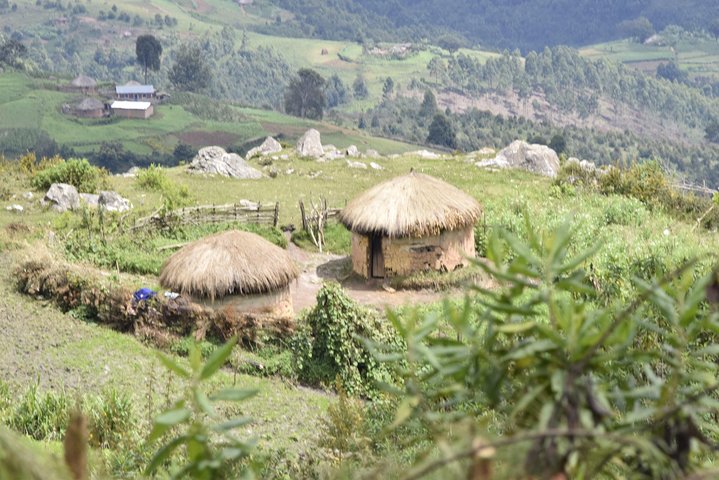
- Kayanza hill viewpoint (Colline lookout) — A short walk up a nearby colline rewards you with sweeping terraces, red-earth lanes and neat tea/coffee plots. Simple, but the views and local village rhythms make it one of the best ways to understand the landscape.
- Small tea gardens and processing houses — Kayanza town sits in the country’s tea belt, and small processing huts and estates are visitable inside town limits. You can watch plucking to withering, and often talk directly with workers and smallholders.
- Coffee cooperatives
- Marché central de Kayanza (Central Market) — The town’s heartbeat: stalls piled with greenery, fresh coffee cherries, dried beans, vegetables and baskets. Great for people-watching, grabbing cheap snacks, and seeing how trade actually moves in a provincial Burundian town.
- Kayanza hill viewpoint (Colline lookout) — A short walk up a nearby colline rewards you with sweeping terraces, red-earth lanes and neat tea/coffee plots. Simple, but the views and local village rhythms make it one of the best ways to understand the landscape.
- Small tea gardens and processing houses — Kayanza town sits in the country’s tea belt, and small processing huts and estates are visitable inside town limits. You can watch plucking to withering, and often talk directly with workers and smallholders.
- Coffee cooperatives and washing stations — Local cooperatives process the coffee sold at market. Visiting a washing station is a hands-on cultural and sensory experience: the smell of cherries, the sorting, and the chance to learn about local livelihoods.
- Parish church of Kayanza (Église catholique locale) — Churches anchor community life here. Pop in during a service or between to see local architecture, hear choirs, and observe how faith and daily life intersect in the town.
- Artisan basketry and market-side crafts — Near the market you’ll find women selling woven baskets, mats and small textiles. They’re practical, beautiful, and buying here supports local families—plus you’ll get a story with your purchase.
- Gare routière (bus/taxi hub) and trading quarter — Loud, chaotic and honest: the transport hub is where long-distance buses, moto-taxis and traders meet. It’s a practical stop for arranging onward travel and an instant lesson in regional connections.
- Maison Communale / central square — The town hall area is where announcements, small demonstrations and community events happen. If you time it right you’ll catch meetings, public market days or local festivities that aren’t listed in guidebooks.
- Local cafés and open-air tea stalls — Tiny cafés and street stalls serve strong tea and local-washed coffee—perfect for slowing down, practicing French/Kirundi, and watching daily life unfold. The flavors and conversations are the attraction.
- Walking routes through residential hills and farm lanes — Lace up for a loop through terraced backstreets and family farms. It’s low-cost, safe if you stick to populated lanes, and you’ll meet farmers, see crop cycles and get unfiltered views of rural life.
Spotted a mistake or missing something? Contact us.

3 Day Burundi Tour- Multi-Day Burundi Sightseeing Tour with Karera Waterfalls

Bujumbura City Tour

From Bujumbura: Private Day Tour-Gitega-Gishora Drum Sanctuary

Discovering the Wonders of Burundi: A 7-Day Tour itinerary

Private Tour of Bujumbura

3 Day Burundi Nile Source Gitega Rusizi Park
5 Day Burundi Green Tour-Nature & Culture

Small Group Guided Shared Tour To Gishora Drum Sanctuary From Bujumbura

Muramvya: Kibira National Park – Tea plantations




 Best Backpacking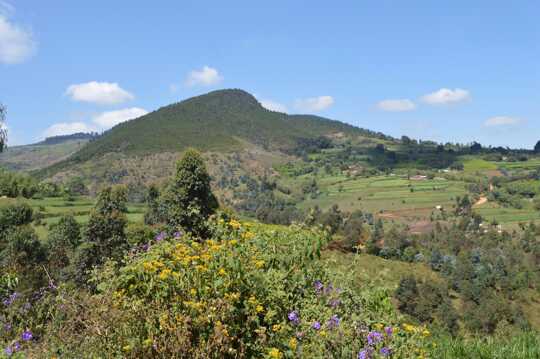
.jpg) Hi, I’m Johan (Netherlands 🇳🇱), the creator of TakeYourBackpack. Over the past decade, I’ve backpacked through 80+ countries across six continents, gaining extensive experience with independent travel, long-term trips, and overland routes.
Hi, I’m Johan (Netherlands 🇳🇱), the creator of TakeYourBackpack. Over the past decade, I’ve backpacked through 80+ countries across six continents, gaining extensive experience with independent travel, long-term trips, and overland routes.