×

Burundi🇧🇮 | townsKigandacentral plateau, local crafts, small-town life | things to do and best time to go

Explore Bururi Forest Nature ReserveExplore Kigwena

Backpacking in Kiganda
👌 Worth visitingtown ranked #14
By Johan Kruseman 🇳🇱 | Updated June 10, 2026

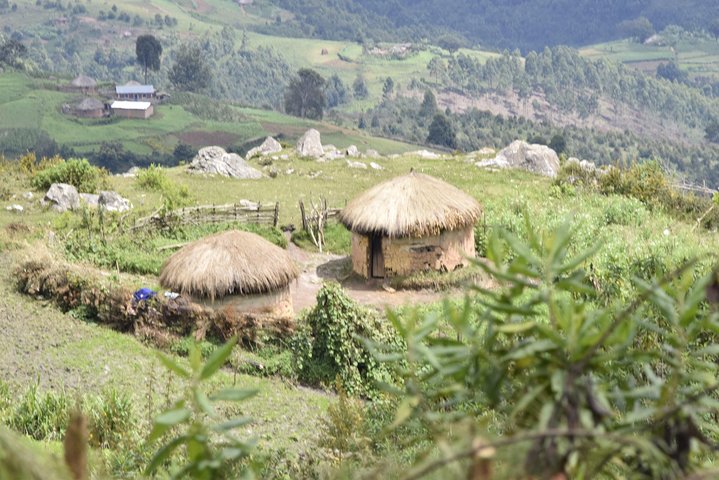
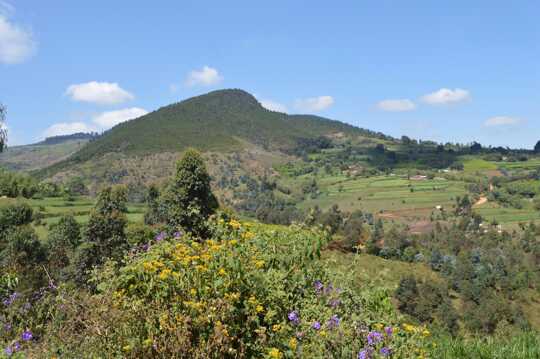
If you crave nightlife, boutique shopping, or a parade of Instagrammable cafés, Kiganda will feel like a detour into quiet reality. But that’s the point: Kiganda, tucked into Burundi’s central highlands north of Bujumbura, rewards the traveler who wants to swap city noise for the sound of wind through eucalyptus and the slow rhythm of rural life. The town is small, practical, and honest—more crossroads than destination—yet it’s a strategic stop for those heading to Kibira National Park or tracing the old colonial routes. Expect simple markets, a few local eateries, and a pace that invites conversation with locals rather than fellow backpackers. Transport is basic—buses and shared taxis, mostly—so patience is part of the price, but costs are low and the vibe is safer and more relaxed than busier hubs like Gitega. Kiganda isn’t a highlight reel, but it’s a real slice of Burundi, best appreciated by those who find beauty in the everyday.

Discover everything you want to know in the 📖 Burundi Travel Guide.
Safety warning

The current risk level for Burundi is high. Check the advice before going.


Get your Burundi guide
60 ranked highlights, routes & tips, works offline (250 pages)
Loading the map 🌍
CLICK TO FILTER
cities
towns
landmarks
national parks
hikes
beaches
attractions
festivals
SHOW COUNTRY’S BESTSHOW ALL

✨ Why go?
Ranked #14 town in Burundi
Why visitors keep coming back

Kiganda, a small town in Burundi, serves as a gateway for backpackers seeking both adventure and culture. Its proximity to stunning hikes in the nearby Mugara Mountains makes it a perfect base for those eager to explore. The walkable streets are lined with small-scale hostels and guesthouses, offering a cozy atmosphere where you can easily strike up conversations with fellow travelers. The local food scene is vibrant, with street vendors serving up samosas and ugali that burst with flavor, making every meal an experience.

Backpackers often linger here for a few days, soaking in the friendly social vibe while planning their next moves. It’s ideal for slow travelers and solo adventurers who appreciate a quieter pace. If you’re looking for a place to recharge before diving into the next leg … read more 👉
Kiganda, a small town in Burundi, serves as a gateway for backpackers seeking both adventure and culture. Its proximity to stunning hikes in the nearby Mugara Mountains makes it a perfect base for those eager to explore. The walkable streets are lined with small-scale hostels and guesthouses, offering a cozy atmosphere where you can easily strike up conversations with fellow travelers. The local food scene is vibrant, with street vendors serving up samosas and ugali that burst with flavor, making every meal an experience.

Backpackers often linger here for a few days, soaking in the friendly social vibe while planning their next moves. It’s ideal for slow travelers and solo adventurers who appreciate a quieter pace. If you’re looking for a place to recharge before diving into the next leg of your journey, Kiganda is a solid choice, blending convenience with a touch of local charm.
Want to include Kiganda in your Burundi route?
Create a personalized Burundi itinerary that includes Kiganda and the places that fit your trip — based on your travel style, budget, and available time. Get your route in seconds.

Generate my trip

💡 HighlightsWhat this place is best known for

🏘️ NeighborhoodsUnderstanding the local layout

Kiganda, a vibrant town in Burundi, offers a unique blend of culture and adventure for backpackers. Here’s how to navigate its neighborhoods for the best experience.

Centre Ville: This is the heartbeat of Kiganda. Bustling markets and street vendors fill the air with the scent of grilled plantains and spices. It’s walkable, with affordable guesthouses and eateries. Perfect for short stays, you’ll find nightlife options like local bars, but it quiets down by midnight.

Musaga: A bit more laid-back, Musaga is ideal for those seeking a peaceful retreat. The atmosphere is relaxed, with beautiful views of Lake Tanganyika. Accommodations here are slightly pricier but worth it for the tranquility. It’s less walkable, so consider local transport. Great for longer stays if you want to recharge.

Gikungu: … read more 👉
Kiganda, a vibrant town in Burundi, offers a unique blend of culture and adventure for backpackers. Here’s how to navigate its neighborhoods for the best experience.

Centre Ville: This is the heartbeat of Kiganda. Bustling markets and street vendors fill the air with the scent of grilled plantains and spices. It’s walkable, with affordable guesthouses and eateries. Perfect for short stays, you’ll find nightlife options like local bars, but it quiets down by midnight.

Musaga: A bit more laid-back, Musaga is ideal for those seeking a peaceful retreat. The atmosphere is relaxed, with beautiful views of Lake Tanganyika. Accommodations here are slightly pricier but worth it for the tranquility. It’s less walkable, so consider local transport. Great for longer stays if you want to recharge.

Gikungu: Known for its artistic vibe, Gikungu is home to local artisans and galleries. The streets are alive with creativity, making it a great spot for inspiration. Budget-friendly hostels are available, and it’s walkable, though some areas can be steep. Perfect for those who want to immerse themselves in local culture while enjoying a lively atmosphere.

⌛️ 1 dayWhat you can realistically do in a day

Kiganda, Burundi, is a vibrant tapestry of life, where the rhythm of daily activities pulses through the streets. The air is thick with the scent of grilled plantains and the chatter of locals, creating an inviting atmosphere that feels both alive and intimate.

Start your morning at the bustling market in the heart of the town. The colors of fresh produce and handmade crafts are a feast for the eyes. Engage with vendors; their stories add depth to your experience. Grab a cup of locally brewed coffee, rich and aromatic, to fuel your exploration.

As the sun climbs higher, head to the nearby hills for a hike. The trails offer stunning views of Lake Tanganyika, and the fresh breeze carries the earthy scent of wildflowers. This isn’t just exercise; it’s a chance to connect with the land and … read more 👉
Kiganda, Burundi, is a vibrant tapestry of life, where the rhythm of daily activities pulses through the streets. The air is thick with the scent of grilled plantains and the chatter of locals, creating an inviting atmosphere that feels both alive and intimate.

Start your morning at the bustling market in the heart of the town. The colors of fresh produce and handmade crafts are a feast for the eyes. Engage with vendors; their stories add depth to your experience. Grab a cup of locally brewed coffee, rich and aromatic, to fuel your exploration.

As the sun climbs higher, head to the nearby hills for a hike. The trails offer stunning views of Lake Tanganyika, and the fresh breeze carries the earthy scent of wildflowers. This isn’t just exercise; it’s a chance to connect with the land and its people. You might even stumble upon a small village, where you can witness traditional crafts being made, a slice of life often overlooked by tourists.

In the afternoon, return to the town and visit the local art gallery, tucked away in a quiet neighborhood. Here, you’ll find works that reflect the culture and struggles of the Burundian people. It’s a space that invites contemplation and appreciation, far from the usual tourist spots.

As evening falls, enjoy dinner at a local eatery. The grilled fish, fresh from the lake, paired with a side of sweet potatoes, is a must-try. The laughter and music around you create a warm ambiance, wrapping up your day in Kiganda with a sense of belonging.
Turn your Kiganda visit into an Burundi adventure
Build a complete Burundi route with Kiganda, hidden gems, must-see destinations, and realistic travel times included.

Generate my trip

🌤️ When to go?Seasonal considerations and timing


  • Topic: Weather – Kiganda’s dry season from June to September offers clear skies and less humidity, making trails less slippery and the air crisp. The wet season (October to May) brings heavy rains that can turn paths into mud baths and obscure views.

  • Topic: Temperature – Expect daytime highs around 22-26°C (72-79°F) during the dry months, perfect for hiking without overheating. The wet season cools slightly but feels warmer due to humidity, which can sap your energy faster.

  • Topic: Daylight Hours – Near the equator, daylight stays steady year-round, roughly 12 hours. Early mornings and late afternoons are golden hours for photography and cooler trekking.

  • Topic: Crowds – The dry season draws more visitors, especially locals on holiday, so expect lively markets and fuller guesthouses.
read more 👉

  • Topic: Weather – Kiganda’s dry season from June to September offers clear skies and less humidity, making trails less slippery and the air crisp. The wet season (October to May) brings heavy rains that can turn paths into mud baths and obscure views.

  • Topic: Temperature – Expect daytime highs around 22-26°C (72-79°F) during the dry months, perfect for hiking without overheating. The wet season cools slightly but feels warmer due to humidity, which can sap your energy faster.

  • Topic: Daylight Hours – Near the equator, daylight stays steady year-round, roughly 12 hours. Early mornings and late afternoons are golden hours for photography and cooler trekking.

  • Topic: Crowds – The dry season draws more visitors, especially locals on holiday, so expect lively markets and fuller guesthouses. The wet season is quieter, offering solitude but fewer open services.

  • Topic: Seasonal Activities – Dry months are prime for hiking, wildlife spotting, and cultural festivals, while the wet season suits birdwatching and lush landscape photography, albeit with more logistical challenges.

  • Topic: Price Fluctuations – Accommodation and transport costs spike during the dry season due to demand. Traveling just before or after this peak can save money without sacrificing much on conditions.


Pro-tip: Aim for late June or early September to catch dry trails, manageable crowds, and better rates—a sweet spot where the air smells fresh, the light is soft, and the town feels alive but not overwhelmed.


source: climatestotravel.comJANJanuary: fair for travelingFEBFebruary: fair for travelingMARMarch: fair for travelingAPRApril: fair for travelingMAYMay: fair for travelingJUNJune: highly recommended for travelingJULJuly: excellent for travelingAUGAugust: excellent for travelingSEPSeptember: highly recommended for travelingOCTOctober: fair for travelingNOVNovember: fair for travelingDECDecember: fair for traveling
when-to-go

✈️ The backpacker research shortcutBurundi Travel Guide

An offline-friendly backpacking guide with optimized travel routes, ranked highlights, transport advice, and the best areas to stay.
example page 0 from our offline Travel Guide for Burundi
example page 1 from our offline Travel Guide for Burundi
example page 2 from our offline Travel Guide for Burundi
example page 3 from our offline Travel Guide for Burundi
example page 4 from our offline Travel Guide for Burundi
example page 5 from our offline Travel Guide for Burundi
example page 6 from our offline Travel Guide for Burundi
example page 7 from our offline Travel Guide for Burundi
The digital guide (250 pages) contains:
60 highlights, ranked by travel appeal
Optimized 2, 3 & 5-day travel routes
Cities, national parks, landmarks, beaches
How to get around
Offline-friendly for travel without Wi-Fi
👉 Click to see all 30+ guide features

📅 Plan smarter in minutes, not weeks
Month by month travel advice
Festivals & national holidays
Budget expectations

🗺️ Go to the right places, skip the overrated ones
Honest pros & cons of destinations
Top hikes, parks & viewpoints
Lesser-known places most travelers miss
Clear “worth it vs skip it” guidance

🛏️ Travel smoothly without rookie mistakes
Best areas to stay
Transport systems explained simply
Common scams & safety advice
SIM cards, money & practical tips

🌍 Understand the country, not just visit it
Culture & traditions
52 Essential phrases & customs
Festivals worth planning around
Traveler-friendly historical context
Insights that make places more meaningful

📱 Built for real travel conditions
Fully downloadable PDF
Works completely offline
Optimized for phone use
Useful in remote areas & buses
Everything in one place
Save weeks of stressful planning
Get instant access to your full guide. 30‑day money-back guarantee.


By proceeding you agree to our terms.
Sent to your inbox immediately after payment • 100% Secure Checkout
Best Backpacking Travel Advisor 2025 tourism awardBest Backpacking
Travel Advisor
2025
What others say about Take Your Backpack Guides:
⭐⭐⭐⭐⭐
Fantastic, amazing amount of information!
⭐⭐⭐⭐⭐
My goodness this is amazing, it's what I've been looking for hats off too you!
⭐⭐⭐⭐⭐
I think this is absolutely BRILLIANT
⭐⭐⭐⭐
Very complete and informative. It's still missing places, but I gotta to commend you
⭐⭐⭐⭐⭐
This is truly amazing, thank you, can't wait to explore it with my kids!
⭐⭐⭐⭐⭐
Awesome resource, thank you!
⭐⭐⭐⭐⭐
This is amazing! Can't wait to explore the ones I haven't seen
⭐⭐⭐⭐
I love this! Well done, great idea.
⭐⭐⭐⭐⭐
Thanks for taking the time to make this gem!
⭐⭐⭐⭐⭐
This might be the best website I've ever seen.
⭐⭐⭐⭐⭐
Congratulations, and thank you so much for your work; it's incredibly valuable.
⭐⭐⭐⭐
In all seriousness I think you did a great job pointing out the important spots
⭐⭐⭐⭐⭐
10/10 very good
⭐⭐⭐⭐⭐
As someone who's only just starting to visit regularly this is awesome, thank you.
⭐⭐⭐⭐
Thank you very much! I'm going to visit my dad, it's going to be very useful!
⭐⭐⭐⭐⭐
This is really cool! We'll be travelling for the first time and this definitely come in handy.
⭐⭐⭐⭐⭐
You are now our minister of culture, congratulations 👨‍💼
⭐⭐⭐⭐⭐
Just wanted to tell you that this is a pearl! Going to follow your recommendations.
⭐⭐⭐⭐⭐
This is so cool. I'll definitely be using the resource for my travels soon.
⭐⭐⭐⭐⭐
This is very impressive! Good work.
⭐⭐⭐⭐⭐
This is an amazing and informative site. Very well done!

🛏️ Where to stay?Best areas and accommodation options

In Kiganda, the heartbeat for backpackers pulses strongest in the Nyakabiga district. This area balances safety with a lively, approachable vibe that’s rare in Burundi’s urban sprawl. Streets here hum with local markets and small cafés where the scent of fresh coffee mingles with the earthy smell of rain-soaked pavement. It’s where solo travelers find easy conversation and fellow adventurers without the touristy gloss. Hostels cluster around the main roads, offering simple, clean beds and a social atmosphere that feels more like a shared campfire than a dormitory. Compared to the quieter, more … read more 👉
In Kiganda, the heartbeat for backpackers pulses strongest in the Nyakabiga district. This area balances safety with a lively, approachable vibe that’s rare in Burundi’s urban sprawl. Streets here hum with local markets and small cafés where the scent of fresh coffee mingles with the earthy smell of rain-soaked pavement. It’s where solo travelers find easy conversation and fellow adventurers without the touristy gloss. Hostels cluster around the main roads, offering simple, clean beds and a social atmosphere that feels more like a shared campfire than a dormitory. Compared to the quieter, more residential zones, Nyakabiga’s energy helps you plug into the city’s rhythm without risking your comfort or wallet. For those who want to stretch their legs after a day of exploring, the nearby parks offer shaded spots to unwind, making this neighborhood a practical and vibrant base for your Kiganda experience.

🚌 Getting aroundHow to get around Kiganda

The rhythm of Kiganda is a dance between deliberate calm and bursts of spontaneous energy. Streets pulse with the scent of roasting coffee and fresh rain on red earth, but the pace isn’t frantic—it’s a measured flow where locals know when to pause and when to surge forward. Time here isn’t a strict taskmaster; it’s more like a patient companion. You’ll find that schedules exist, but they’re flexible, bending to the mood of the day and the needs of the people. This means your best bet is to lean into the town’s natural tempo, blending patience with a readiness to move when the moment calls for it. The payoff is a travel experience that feels earned, where every step and ride reveals a layer of Kiganda’s character.


  • Walking: The heart of Kiganda beats strongest on foot. Streets are compact
read more 👉
The rhythm of Kiganda is a dance between deliberate calm and bursts of spontaneous energy. Streets pulse with the scent of roasting coffee and fresh rain on red earth, but the pace isn’t frantic—it’s a measured flow where locals know when to pause and when to surge forward. Time here isn’t a strict taskmaster; it’s more like a patient companion. You’ll find that schedules exist, but they’re flexible, bending to the mood of the day and the needs of the people. This means your best bet is to lean into the town’s natural tempo, blending patience with a readiness to move when the moment calls for it. The payoff is a travel experience that feels earned, where every step and ride reveals a layer of Kiganda’s character.


  • Walking: The heart of Kiganda beats strongest on foot. Streets are compact and walkable, with the earthy aroma of market spices and the occasional burst of laughter from street vendors. Walking is free, immersive, and the best way to catch the town’s subtle shifts in light and life from dawn to dusk.


  • Boda-Boda (Motorcycle Taxi): These are the town’s quicksilver veins, darting through narrow alleys and crowded markets. Expect to pay around 500-1,000 UGX per short trip. They run from early morning until late evening but don’t expect a fixed schedule—flag one down when you need it, and be ready for a bumpy, exhilarating ride.


  • Matatu (Minibus): The budget traveler’s workhorse for longer hops. Matatus run roughly from 6 AM to 7 PM, with fares between 2,000-4,000 UGX depending on distance. They’re packed, noisy, and a bit chaotic, but they get you where you need to go without breaking the bank.


  • Bicycle Rentals: For those who want to cover more ground without losing the tactile connection to the town, renting a bicycle is a smart move. Rentals cost about 5,000 UGX per day. It’s slower than a boda-boda but lets you control your pace and soak in the scents of wet earth and cooking fires along the way.

👛 Costs (as of 6 February 2026)Travel costs and budget guide for Kiganda

Backpacking in Kiganda, Burundi, means embracing a raw, authentic pace where every dollar stretches but also unlocks genuine local life. Here’s what you can expect to spend daily:
  • Dorm Accommodation: Budget dorm beds in Kiganda typically run between $5 and $10 per night. These are basic, often with shared bathrooms and minimal amenities, but they put you right in the heart of the town’s rhythm.
  • Meals: Street food and local eateries dominate the scene. Expect to pay around $2 to $5 for a filling meal—think hearty beans, rice, and fresh vegetables, sometimes with a bit of grilled fish or meat. Western-style or tourist-targeted meals will cost more, but they’re rare here.
  • Local Transport: Transport is mostly by motorcycle taxis (motos) or shared minibuses. A typical short ride costs about
read more 👉
Backpacking in Kiganda, Burundi, means embracing a raw, authentic pace where every dollar stretches but also unlocks genuine local life. Here’s what you can expect to spend daily:
  • Dorm Accommodation: Budget dorm beds in Kiganda typically run between $5 and $10 per night. These are basic, often with shared bathrooms and minimal amenities, but they put you right in the heart of the town’s rhythm.
  • Meals: Street food and local eateries dominate the scene. Expect to pay around $2 to $5 for a filling meal—think hearty beans, rice, and fresh vegetables, sometimes with a bit of grilled fish or meat. Western-style or tourist-targeted meals will cost more, but they’re rare here.
  • Local Transport: Transport is mostly by motorcycle taxis (motos) or shared minibuses. A typical short ride costs about $0.50 to $1.50. For longer trips or private hires, budget up to $5. Walking is often the best way to soak in the atmosphere and save cash.
  • Basic Activities/Entry Fees: Kiganda’s attractions are low-key and affordable. Entry fees to local markets, cultural sites, or natural spots usually range from $1 to $3. Guided tours or special activities might push this higher but remain modest compared to more touristy areas.
  • Miscellaneous Expenses: This covers essentials like bottled water, snacks, or phone credit. Plan for about $1 to $3 daily. Keep in mind that reliable ATMs and card payments are scarce, so cash is king.

All told, a realistic daily budget for backpacking in Kiganda falls between $10 and $22. This range balances scrappy independence with enough comfort to enjoy the town’s unvarnished charm without constant worry over every cent.
⚠️ Prices can change and everyone travels differently, so take this as a rough guide. Hope it helps you plan your adventure!

🚌 Day tripsShort trips worth adding

Kiganda, Burundi, is a backpacker’s dream base for day trips, offering a blend of culture, nature, and adventure. The town itself buzzes with life, from the scent of grilled plantains wafting through the market to the vibrant chatter of locals. Here are some standout day trips that make the effort worthwhile.

Lake Tanganyika
Just a short bus ride away, Lake Tanganyika is a paradise for those seeking tranquility. The journey takes about an hour, and the cost is minimal—around $2 for the bus. Once there, you can swim in the crystal-clear waters or rent a kayak to explore the shoreline. The best time to visit is during the dry season, from May to September, when the skies are clear. A common mistake? Many first-timers rush through without taking the time to enjoy a lakeside meal at one of … read more 👉
Kiganda, Burundi, is a backpacker’s dream base for day trips, offering a blend of culture, nature, and adventure. The town itself buzzes with life, from the scent of grilled plantains wafting through the market to the vibrant chatter of locals. Here are some standout day trips that make the effort worthwhile.

Lake Tanganyika
Just a short bus ride away, Lake Tanganyika is a paradise for those seeking tranquility. The journey takes about an hour, and the cost is minimal—around $2 for the bus. Once there, you can swim in the crystal-clear waters or rent a kayak to explore the shoreline. The best time to visit is during the dry season, from May to September, when the skies are clear. A common mistake? Many first-timers rush through without taking the time to enjoy a lakeside meal at one of the local eateries. Trust me, the fresh fish is worth it.
👉 Explore Lake Tanganyika

Gitega National Museum
A 90-minute trip from Kiganda, the Gitega National Museum offers a deep dive into Burundian culture. The bus fare is about $3, and the museum entrance is around $1. Spend the day exploring artifacts and traditional crafts that tell the story of the nation. The best time to go is early in the morning to avoid crowds. A mistake to avoid? Skipping the guided tour; the insights from local guides enrich the experience immensely.
👉 Explore Gitega National Museum

Kibira National Park
For the adventurous, Kibira National Park is a must. It’s about two hours from Kiganda, costing around $5 for transport. The park is a lush rainforest, home to diverse wildlife and stunning hiking trails. Aim for the dry season for the best hiking conditions. Many backpackers underestimate the park’s size and end up unprepared; bring plenty of water and snacks. The effort is rewarded with breathtaking views and the chance to spot rare birds.
👉 Explore Kibira National Park

Muramvya
A quick 45-minute bus ride leads you to Muramvya, where you can visit the historic royal palace ruins. The cost is about $2, and the site offers a glimpse into Burundi’s royal past. The best time to visit is in the late afternoon when the light casts a golden hue over the ruins. A common oversight? Not taking a local guide; they provide context that makes the history come alive.
👉 Explore Muramvya
Want to know what more Burundi offers?
The Burundi Travel Guide describes 60 highlights, from cities to national parks, from beaches to hikes

Get the Travel Guide -

🛡️ SafetyScams, Hazards, and Annoyances

Kiganda, Burundi, is generally safe, but a few practical tips can enhance your experience. Stay aware in crowded markets; pickpockets can be crafty. When wandering solo, especially after dark, stick to well-lit areas and avoid empty streets. The local vibe is friendly, but it’s wise to keep your belongings close and avoid displaying valuables.

Common scams are rare, but be cautious of overly eager guides offering unsolicited help. A polite “no, thank you” usually suffices. Everyday annoyances include occasional power outages, so a portable charger can be a lifesaver. Embrace the rhythm of the town, engage with locals, and you’ll find that a little awareness goes a long way in unlocking the true charm of Kiganda.

Other Burundian towns near Kiganda

Explore more nearby:

  • Muramvya—royal heritage, hilltop vistas, ceremonial sites| 11 km away
  • Gisozi—mountain ridges, rural hamlets, panoramic outlooks| 25 km away
  • Gihanga—rice paddies, lowland farms, rural settlements| 45 km away

💡 Not sure where to go next?
Create a personalized itinerary for Burundi including Kiganda and the places that fit your trip.

Generate my itinerary

👉 Discover all towns

Or checkout all Burundi has to offer (think cities, towns, villages, national parks, hikes, beaches, festivals)
Country photo of Burundi

We 💚 feedbackFinal thoughts on visiting Kiganda

Kiganda has a pulse that’s hard to ignore. The air is thick with the scent of wood smoke and fresh earth, especially during the rainy season. You might stumble upon a local dance circle that’ll pull you in, a surprise that turns into a highlight. Just be ready for the uneven paths; they can be tricky. But trust me, the warmth of the people makes every step worthwhile.

✍️ Help improve this page!
The information on this page is based on in-depth research, insights shared by experienced travelers, and feedback from the local travel community in Burundi. While every effort is made to keep the information accurate and current, conditions can change — so if you spot anything incorrect or outdated, please get in touch.


🙋‍♂️ Give feedback

👋 Meet the founderWho’s Behind Take Your Backpack?

Johan, backpacker and founder of TakeYourBackpackHi, I’m Johan (Netherlands 🇳🇱), the creator of TakeYourBackpack. Over the past decade, I’ve backpacked through 80+ countries across six continents, gaining extensive experience with independent travel, long-term trips, and overland routes.

This site is built on a combination of firsthand travel experience and carefully curated insights from other backpackers. Many guides are based on places I’ve personally visited, while others bring together tips, observations, and practical advice shared by trusted travelers I’ve met along the way.

The goal is to provide realistic, experience-driven guidance — not generic itineraries — so you can explore destinations with better context, clearer expectations, and more confidence.

Get full Burundi guide •
Instant download • 60 highlights • Full Offline guide