×

Burundi🇧🇮 | townsKigwenacoastal wetlands, fishing villages, southern lakeshore | things to do and best time to go

Explore KigandaExplore Muramvya

Backpacking in Kigwena
👀 For curious travelerstown ranked #15
By Johan Kruseman 🇳🇱 | Updated June 10, 2026

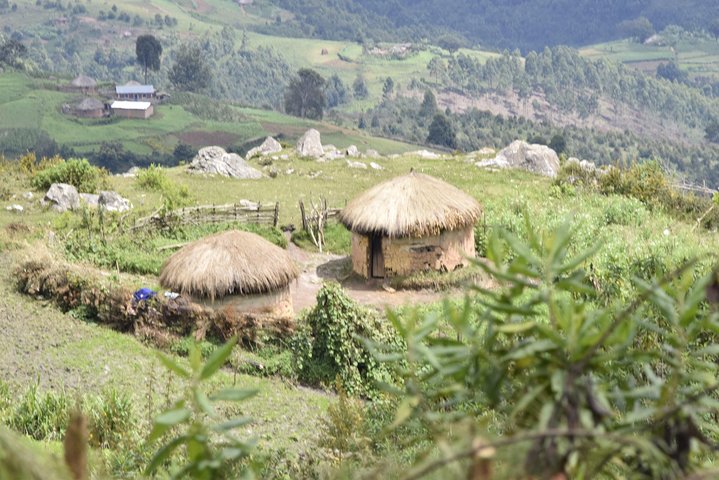
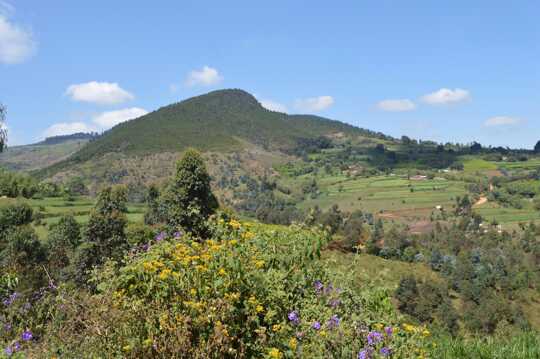
If you crave nightlife, gourmet coffee, or a parade of hostels, Kigwena will disappoint. But for backpackers who trade buzz for birdsong and want Burundi’s wild side without a multi-day trek, Kigwena is a rare find. Tucked in the country’s southwest, near the Tanzanian border and Lake Tanganyika’s humid edge, the town itself is little more than a cluster of roadside stalls and slow-moving afternoons. Kigwena works best as a launchpad for the Kigwena Forest Reserve—expect monkeys overhead, mud underfoot, and the earthy scent of rain-soaked leaves. Transport is basic: minibuses from Rumonge or Bujumbura, then moto-taxis. It’s quiet, cheap, and social only if you make the first move—don’t expect a backpacker scene. Compared to Rumonge’s lakeside bustle, Kigwena is all hush and green, a place where the payoff is the forest, not the town.

Discover everything you want to know in the 📖 Burundi Travel Guide.
Safety warning

The current risk level for Burundi is high. Check the advice before going.


Get your Burundi guide
60 ranked highlights, routes & tips, works offline (250 pages)
Loading the map 🌍
CLICK TO FILTER
cities
towns
landmarks
national parks
hikes
beaches
attractions
festivals
SHOW COUNTRY’S BESTSHOW ALL

✨ Why go?
Ranked #15 town in Burundi
Reasons people choose to visit here

Kigwena serves as a gateway for backpackers exploring Burundi’s stunning landscapes. Its proximity to nearby hikes, like the lush trails of the Kibira National Park, makes it a strategic stop for those seeking adventure. The local guesthouses offer a cozy atmosphere, perfect for solo travelers or small groups looking to connect. You’ll find walkable streets lined with friendly faces, where the scent of grilled plantains fills the air, inviting you to savor authentic local dishes.

Most travelers tend to stay a few days, soaking in the cultural richness and the laid-back vibe. It’s not a party town, but the social atmosphere encourages conversations over meals, making it ideal for slow travelers who appreciate a deeper connection to their surroundings. If you’re after a blend of nature and … read more 👉
Kigwena serves as a gateway for backpackers exploring Burundi’s stunning landscapes. Its proximity to nearby hikes, like the lush trails of the Kibira National Park, makes it a strategic stop for those seeking adventure. The local guesthouses offer a cozy atmosphere, perfect for solo travelers or small groups looking to connect. You’ll find walkable streets lined with friendly faces, where the scent of grilled plantains fills the air, inviting you to savor authentic local dishes.

Most travelers tend to stay a few days, soaking in the cultural richness and the laid-back vibe. It’s not a party town, but the social atmosphere encourages conversations over meals, making it ideal for slow travelers who appreciate a deeper connection to their surroundings. If you’re after a blend of nature and culture, Kigwena is a rewarding stop on your journey.
Want to include Kigwena in your Burundi route?
Create a personalized Burundi itinerary that includes Kigwena and the places that fit your trip — based on your travel style, budget, and available time. Get your route in seconds.

Generate my trip

💡 HighlightsWhat this place is best known for

🏘️ NeighborhoodsUnderstanding the local layout

Kigwena offers a unique blend of culture and nature, making it a rewarding stop for backpackers. Here’s how to navigate its neighborhoods:

Centre Ville: This is the heartbeat of Kigwena. Bustling markets fill the air with the scent of spices and fresh produce. It’s walkable, with plenty of budget-friendly eateries. Nightlife is low-key, perfect for winding down after a day of exploration. Ideal for short stays, you’ll find transport options to other regions easily accessible.

Musaga: A quieter area, Musaga is where you can soak in local life. The vibe is laid-back, with friendly locals and fewer tourists. It’s a bit further from the main attractions, but the tranquility makes it worth it. Great for longer stays, you can find cozy guesthouses here. Walkability is decent, but expect to rely … read more 👉
Kigwena offers a unique blend of culture and nature, making it a rewarding stop for backpackers. Here’s how to navigate its neighborhoods:

Centre Ville: This is the heartbeat of Kigwena. Bustling markets fill the air with the scent of spices and fresh produce. It’s walkable, with plenty of budget-friendly eateries. Nightlife is low-key, perfect for winding down after a day of exploration. Ideal for short stays, you’ll find transport options to other regions easily accessible.

Musaga: A quieter area, Musaga is where you can soak in local life. The vibe is laid-back, with friendly locals and fewer tourists. It’s a bit further from the main attractions, but the tranquility makes it worth it. Great for longer stays, you can find cozy guesthouses here. Walkability is decent, but expect to rely on local transport for longer distances.

Gikungu: Known for its lush landscapes, Gikungu is a nature lover’s paradise. The atmosphere is serene, with hiking trails nearby. It’s less developed, so costs can vary. Perfect for those looking to escape the hustle, it’s best for longer stays. Transport options are limited, so plan ahead if you want to explore further.

⌛️ 1 dayWhat you can realistically do in a day

Kigwena, Burundi, is a town that pulses with life and authenticity, where the vibrant colors of local markets contrast beautifully with the lush green hills surrounding it. The air is rich with the scent of fresh produce and the sound of laughter fills the streets. This is a place where you can feel the heartbeat of Burundian culture.

Start your morning at the bustling market in the center of town. The early light casts a warm glow on the stalls brimming with fruits, vegetables, and handmade crafts. Engage with the vendors; their stories are as rich as their produce. Grab a few local snacks—perhaps some sweet plantains or spicy sambaza fish—and savor them as you wander.

In the afternoon, make your way to the nearby Gitega National Museum. While not on the typical tourist path, this museum … read more 👉
Kigwena, Burundi, is a town that pulses with life and authenticity, where the vibrant colors of local markets contrast beautifully with the lush green hills surrounding it. The air is rich with the scent of fresh produce and the sound of laughter fills the streets. This is a place where you can feel the heartbeat of Burundian culture.

Start your morning at the bustling market in the center of town. The early light casts a warm glow on the stalls brimming with fruits, vegetables, and handmade crafts. Engage with the vendors; their stories are as rich as their produce. Grab a few local snacks—perhaps some sweet plantains or spicy sambaza fish—and savor them as you wander.

In the afternoon, make your way to the nearby Gitega National Museum. While not on the typical tourist path, this museum offers a deep dive into Burundi’s history and culture, showcasing traditional artifacts and art. The peaceful gardens surrounding the museum provide a perfect spot to reflect on what you’ve learned.

As evening approaches, head to the hills overlooking the town. The sunset here is a spectacle, painting the sky in hues of orange and pink. Find a local eatery for dinner; try the brochettes, grilled to perfection and served with a side of fresh vegetables. The warmth of the locals and the delicious food will wrap around you like a cozy blanket, making your day in Kigwena a truly enriching experience.
Turn your Kigwena visit into an Burundi adventure
Build a complete Burundi route with Kigwena, hidden gems, must-see destinations, and realistic travel times included.

Generate my trip

🌤️ When to go?Choosing the right time of year


  • Weather: Kigwena’s dry season from June to September offers clear skies and minimal rain, making trails less slippery and the air crisp. The wet season, October to May, brings heavy rains that can turn paths into mud traps and obscure views.

  • Temperature: Expect daytime highs around 24-28°C (75-82°F) during the dry months, perfect for hiking without overheating. The wet season is warmer, often hitting 30°C (86°F), but humidity spikes, making exertion feel tougher.

  • Daylight Hours: Daylight stays steady year-round, roughly 12 hours, but the dry season’s clearer skies mean you’ll get more usable daylight without the threat of sudden storms.

  • Crowds: Tourist numbers peak in the dry season, especially July and August, so expect more fellow backpackers but also better-maintained facilities
read more 👉

  • Weather: Kigwena’s dry season from June to September offers clear skies and minimal rain, making trails less slippery and the air crisp. The wet season, October to May, brings heavy rains that can turn paths into mud traps and obscure views.

  • Temperature: Expect daytime highs around 24-28°C (75-82°F) during the dry months, perfect for hiking without overheating. The wet season is warmer, often hitting 30°C (86°F), but humidity spikes, making exertion feel tougher.

  • Daylight Hours: Daylight stays steady year-round, roughly 12 hours, but the dry season’s clearer skies mean you’ll get more usable daylight without the threat of sudden storms.

  • Crowds: Tourist numbers peak in the dry season, especially July and August, so expect more fellow backpackers but also better-maintained facilities and social vibes.

  • Seasonal Activities: Dry months unlock trekking, wildlife spotting, and cultural festivals. Wet months limit outdoor options but bring lush greenery and fewer tourists.

  • Price Fluctuations: Accommodation and transport costs rise during the dry season due to demand. The wet season offers bargains but at the cost of comfort and accessibility.


Pro-tip: Aim for early June or late September to catch dry trails, fewer crowds, and better prices—a sweet spot where the landscape is still vivid, and the vibe is relaxed.


source: climatestotravel.comJANJanuary: fair for travelingFEBFebruary: fair for travelingMARMarch: fair for travelingAPRApril: fair for travelingMAYMay: fair for travelingJUNJune: highly recommended for travelingJULJuly: excellent for travelingAUGAugust: excellent for travelingSEPSeptember: highly recommended for travelingOCTOctober: fair for travelingNOVNovember: fair for travelingDECDecember: fair for traveling
when-to-go

✈️ The backpacker research shortcutBurundi Travel Guide

An offline-friendly backpacking guide with optimized travel routes, ranked highlights, transport advice, and the best areas to stay.
example page 0 from our offline Travel Guide for Burundi
example page 1 from our offline Travel Guide for Burundi
example page 2 from our offline Travel Guide for Burundi
example page 3 from our offline Travel Guide for Burundi
example page 4 from our offline Travel Guide for Burundi
example page 5 from our offline Travel Guide for Burundi
example page 6 from our offline Travel Guide for Burundi
example page 7 from our offline Travel Guide for Burundi
The digital guide (250 pages) contains:
60 highlights, ranked by travel appeal
Optimized 2, 3 & 5-day travel routes
Cities, national parks, landmarks, beaches
How to get around
Offline-friendly for travel without Wi-Fi
👉 Click to see all 30+ guide features

📅 Plan smarter in minutes, not weeks
Month by month travel advice
Festivals & national holidays
Budget expectations

🗺️ Go to the right places, skip the overrated ones
Honest pros & cons of destinations
Top hikes, parks & viewpoints
Lesser-known places most travelers miss
Clear “worth it vs skip it” guidance

🛏️ Travel smoothly without rookie mistakes
Best areas to stay
Transport systems explained simply
Common scams & safety advice
SIM cards, money & practical tips

🌍 Understand the country, not just visit it
Culture & traditions
52 Essential phrases & customs
Festivals worth planning around
Traveler-friendly historical context
Insights that make places more meaningful

📱 Built for real travel conditions
Fully downloadable PDF
Works completely offline
Optimized for phone use
Useful in remote areas & buses
Everything in one place
Save weeks of stressful planning
Get instant access to your full guide. 30‑day money-back guarantee.


By proceeding you agree to our terms.
Sent to your inbox immediately after payment • 100% Secure Checkout
Best Backpacking Travel Advisor 2025 tourism awardBest Backpacking
Travel Advisor
2025
What others say about Take Your Backpack Guides:
⭐⭐⭐⭐⭐
Fantastic, amazing amount of information!
⭐⭐⭐⭐⭐
My goodness this is amazing, it's what I've been looking for hats off too you!
⭐⭐⭐⭐⭐
I think this is absolutely BRILLIANT
⭐⭐⭐⭐
Very complete and informative. It's still missing places, but I gotta to commend you
⭐⭐⭐⭐⭐
This is truly amazing, thank you, can't wait to explore it with my kids!
⭐⭐⭐⭐⭐
Awesome resource, thank you!
⭐⭐⭐⭐⭐
This is amazing! Can't wait to explore the ones I haven't seen
⭐⭐⭐⭐
I love this! Well done, great idea.
⭐⭐⭐⭐⭐
Thanks for taking the time to make this gem!
⭐⭐⭐⭐⭐
This might be the best website I've ever seen.
⭐⭐⭐⭐⭐
Congratulations, and thank you so much for your work; it's incredibly valuable.
⭐⭐⭐⭐
In all seriousness I think you did a great job pointing out the important spots
⭐⭐⭐⭐⭐
10/10 very good
⭐⭐⭐⭐⭐
As someone who's only just starting to visit regularly this is awesome, thank you.
⭐⭐⭐⭐
Thank you very much! I'm going to visit my dad, it's going to be very useful!
⭐⭐⭐⭐⭐
This is really cool! We'll be travelling for the first time and this definitely come in handy.
⭐⭐⭐⭐⭐
You are now our minister of culture, congratulations 👨‍💼
⭐⭐⭐⭐⭐
Just wanted to tell you that this is a pearl! Going to follow your recommendations.
⭐⭐⭐⭐⭐
This is so cool. I'll definitely be using the resource for my travels soon.
⭐⭐⭐⭐⭐
This is very impressive! Good work.
⭐⭐⭐⭐⭐
This is an amazing and informative site. Very well done!

🛏️ Where to stay?Choosing the right base

Kigwena’s heart for backpackers beats strongest in the Nyakabiga district. It’s where the city’s pulse feels alive but not overwhelming—streets lined with small cafés and markets where the scent of fresh coffee mingles with the earthy aroma of wet clay after rain. This area balances safety with social energy, making it a natural magnet for solo travelers and budget adventurers. Hostels here tend to cluster around the main roads, offering a mix of dorms and private rooms that encourage easy mingling without sacrificing comfort. Compared to the quieter, more residential zones, Nyakabiga’s vibe is … read more 👉
Kigwena’s heart for backpackers beats strongest in the Nyakabiga district. It’s where the city’s pulse feels alive but not overwhelming—streets lined with small cafés and markets where the scent of fresh coffee mingles with the earthy aroma of wet clay after rain. This area balances safety with social energy, making it a natural magnet for solo travelers and budget adventurers. Hostels here tend to cluster around the main roads, offering a mix of dorms and private rooms that encourage easy mingling without sacrificing comfort. Compared to the quieter, more residential zones, Nyakabiga’s vibe is a practical choice: you’re close enough to public transport and local eateries to keep costs low, but far enough from the chaotic city center to avoid the noise and hassle. It’s the sweet spot where you can feel part of Kigwena’s rhythm without losing your peace.

🚌 Getting aroundHow to get from A to B

Kigwena moves at its own rhythm—less a clockwork town and more a pulse you feel underfoot. The air carries a mix of dust and fresh earth, stirred by the chatter of vendors and the occasional honk of a motorbike weaving through narrow streets. Here, schedules are more of a suggestion than a rule, and the best way to get around is to sync with the local tempo: flexible, intuitive, and a little unpredictable. You’ll find that patience isn’t just a virtue; it’s your ticket to unlocking the town’s real character.


  • Walking: The heart of Kigwena is compact enough to explore on foot, with dusty lanes and shaded alleys revealing unexpected corners. Walking costs nothing, lets you soak in the scent of spices and hear the rhythm of daily life up close, but be ready for uneven paths and midday heat.
read more 👉
Kigwena moves at its own rhythm—less a clockwork town and more a pulse you feel underfoot. The air carries a mix of dust and fresh earth, stirred by the chatter of vendors and the occasional honk of a motorbike weaving through narrow streets. Here, schedules are more of a suggestion than a rule, and the best way to get around is to sync with the local tempo: flexible, intuitive, and a little unpredictable. You’ll find that patience isn’t just a virtue; it’s your ticket to unlocking the town’s real character.


  • Walking: The heart of Kigwena is compact enough to explore on foot, with dusty lanes and shaded alleys revealing unexpected corners. Walking costs nothing, lets you soak in the scent of spices and hear the rhythm of daily life up close, but be ready for uneven paths and midday heat.


  • Boda-Boda (Motorcycle Taxis): These are the lifeblood of local transit—fast, cheap (usually under $1 for short hops), and available from dawn until late evening. They dart through traffic with a reckless grace, so hold on tight and keep your wits about you. Ideal for quick trips when time is tight.


  • Matatu (Shared Minibuses): The budget traveler’s workhorse for longer distances within and around Kigwena. They run roughly from 6 AM to 7 PM, cost a couple of dollars, and pack in locals like sardines. It’s not about comfort, but the experience is a window into everyday life and a chance to chat with fellow passengers.


  • Cycle Rickshaws: Slower and more relaxed than boda-bodas, these pedal-powered rides offer a breeze and a chance to watch the town drift by. They’re perfect for short distances and cost a bit more than walking but less than motorized options. Expect to negotiate fares upfront.

👛 Costs (as of 6 February 2026)Typical daily expenses

Backpacking in Kigwena, Burundi, means embracing a raw, off-the-beaten-path vibe where every dollar counts and local rhythms shape your daily spend.
  • Dorm Accommodation: Expect basic guesthouses or hostels with shared rooms, often simple but clean enough. Prices hover around €5 to €10 per night. Don’t expect luxury linens—think mosquito nets and a fan, sometimes a shared bathroom down the hall.
  • Meals: Street food and local eateries dominate. A filling meal of grilled fish or beans with rice will set you back about €1.50 to €3. Fresh fruit and roadside snacks are even cheaper. Western-style cafes are rare and pricier, so stick to local fare for the best value and authentic taste.
  • Local Transport: Boda-bodas (motorcycle taxis) are the go-to for short hops, costing roughly €0.50 to €1 per ride
read more 👉
Backpacking in Kigwena, Burundi, means embracing a raw, off-the-beaten-path vibe where every dollar counts and local rhythms shape your daily spend.
  • Dorm Accommodation: Expect basic guesthouses or hostels with shared rooms, often simple but clean enough. Prices hover around €5 to €10 per night. Don’t expect luxury linens—think mosquito nets and a fan, sometimes a shared bathroom down the hall.
  • Meals: Street food and local eateries dominate. A filling meal of grilled fish or beans with rice will set you back about €1.50 to €3. Fresh fruit and roadside snacks are even cheaper. Western-style cafes are rare and pricier, so stick to local fare for the best value and authentic taste.
  • Local Transport: Boda-bodas (motorcycle taxis) are the go-to for short hops, costing roughly €0.50 to €1 per ride within town. For longer trips, shared minibuses run around €1 to €2. Walking is often the best way to soak in the atmosphere and save cash.
  • Basic Activities/Entry Fees: Kigwena’s attractions are modest but rewarding—local markets, small cultural sites, and natural spots. Entry fees, if any, are minimal, usually under €2. Guided tours are rare and tend to be informal, so negotiate prices directly.
  • Miscellaneous Expenses: Bottled water, snacks, and occasional internet access can add up. Budget around €1 to €2 daily for these essentials. Keep cash handy, as card payments are uncommon and ATMs scarce.

All told, you’re looking at roughly €10 to €18 per day to cover the essentials in Kigwena. It’s a lean budget, but one that unlocks a genuine, unfiltered experience where every euro stretches into a story.
⚠️ Prices can change and everyone travels differently, so take this as a rough guide. Hope it helps you plan your adventure!

🚌 Day tripsEasy escapes and nearby places

Kigwena, Burundi, is a backpacker’s dream base for day trips, offering a blend of culture, nature, and adventure. The town itself has a laid-back vibe, with friendly locals and the scent of street food wafting through the air. Here are some must-do day trips that will elevate your experience.

Lake Tanganyika
Just a short bus ride away, Lake Tanganyika is a paradise for those who love water. The shimmering blue expanse invites you to swim, kayak, or simply lounge on the shore. The journey takes about an hour, and you can expect to spend around $5 on transport. Bring a picnic; the local fish grilled over open flames is a treat. Many first-timers miss the early morning light, which casts a magical glow on the water. Arrive early to soak in the tranquility.
👉 Explore Lake Tanganyika

Gitega read more 👉
Kigwena, Burundi, is a backpacker’s dream base for day trips, offering a blend of culture, nature, and adventure. The town itself has a laid-back vibe, with friendly locals and the scent of street food wafting through the air. Here are some must-do day trips that will elevate your experience.

Lake Tanganyika
Just a short bus ride away, Lake Tanganyika is a paradise for those who love water. The shimmering blue expanse invites you to swim, kayak, or simply lounge on the shore. The journey takes about an hour, and you can expect to spend around $5 on transport. Bring a picnic; the local fish grilled over open flames is a treat. Many first-timers miss the early morning light, which casts a magical glow on the water. Arrive early to soak in the tranquility.
👉 Explore Lake Tanganyika

Gitega National Museum
A quick 30-minute trip from Kigwena, this museum is a treasure trove of Burundian culture. The exhibits are rich with artifacts and art, giving you a deeper understanding of the country’s history. Entry is usually around $2, making it a budget-friendly stop. The mistake many make is rushing through; take your time to chat with the guides, who often share stories that aren’t in the brochures.
👉 Explore Gitega National Museum

Kibira National Park
For those craving a bit of adventure, Kibira National Park is a must. About an hour’s drive from Kigwena, it offers lush trails and the chance to spot rare wildlife. Expect to pay around $10 for transport and a small entry fee. The best time to visit is during the dry season, when the trails are more accessible. Many backpackers underestimate the park’s size; plan for a full day to truly explore its beauty.
👉 Explore Kibira National Park

Muramvya
Just 45 minutes away, Muramvya is known for its stunning viewpoints and local markets. The bus fare is around $3, and the vibrant market scene is a feast for the senses. The mistake here is not bargaining; it’s part of the experience. Engage with vendors and sample local snacks. The best time to visit is early morning when the market is bustling with energy.
👉 Explore Muramvya
Want to know what more Burundi offers?
The Burundi Travel Guide describes 60 highlights, from cities to national parks, from beaches to hikes

Get the Travel Guide -

🛡️ SafetySafety Tips and Common Scams in Kigwena

Kigwena is generally safe, but a few practical tips can enhance your experience. Stay aware in crowded markets; pickpockets can be a nuisance. When wandering solo, especially after dark, stick to well-lit areas and avoid empty streets.

Local transport can be a bit chaotic, so keep your belongings close and be mindful of your surroundings. A common annoyance is the occasional overly enthusiastic vendor; a polite but firm “no, thank you” usually does the trick.

Engage with locals, but be cautious of those who seem overly eager to help; they might expect a tip. Trust your instincts, and you’ll navigate Kigwena smoothly, soaking in its vibrant atmosphere without a hitch.

Other Burundian towns near Kigwena

Explore more nearby:

  • Vyanda—nature reserve, waterfalls, southern foothills| 10 km away
  • Nyanza-Lac—lakefront town, fishing port, southern border| 23 km away
  • Bururi—forest reserves, highland climate, administrative seat| 24 km away

💡 Not sure where to go next?
Create a personalized itinerary for Burundi including Kigwena and the places that fit your trip.

Generate my itinerary

👉 Discover all towns

Or checkout all Burundi has to offer (think cities, towns, villages, national parks, hikes, beaches, festivals)
Country photo of Burundi

We 💚 feedbackSumming up the experience

Kigwena is a breath of fresh air, where the scent of earth after rain mingles with the laughter of locals. The best surprise? Stumbling upon a vibrant market bursting with colors and flavors that feel like a warm hug. Just a heads-up: the roads can be rough, so take your time. Embrace the journey; it’s part of the charm.

✍️ Help improve this page!
The information on this page is based on in-depth research, insights shared by experienced travelers, and feedback from the local travel community in Burundi. While every effort is made to keep the information accurate and current, conditions can change — so if you spot anything incorrect or outdated, please get in touch.


🙋‍♂️ Give feedback

👋 Meet the founderWho’s Behind Take Your Backpack?

Johan, backpacker and founder of TakeYourBackpackHi, I’m Johan (Netherlands 🇳🇱), the creator of TakeYourBackpack. Over the past decade, I’ve backpacked through 80+ countries across six continents, gaining extensive experience with independent travel, long-term trips, and overland routes.

This site is built on a combination of firsthand travel experience and carefully curated insights from other backpackers. Many guides are based on places I’ve personally visited, while others bring together tips, observations, and practical advice shared by trusted travelers I’ve met along the way.

The goal is to provide realistic, experience-driven guidance — not generic itineraries — so you can explore destinations with better context, clearer expectations, and more confidence.

Get full Burundi guide •
Instant download • 60 highlights • Full Offline guide