v2.webp)
The Royal Drums of Burundi
Let’s get real: you don’t come to Gitega National Museum for glass cases and velvet ropes. You come for the thunder. The Royal Drums aren’t just artifacts—they’re living, breathing history. If you’re lucky enough to catch a performance, the ground will literally vibrate beneath your feet. Even when silent, these drums—some centuries old—carry the scars and patina of Burundi’s royal courts. Forget the sanitized, hands-off museum vibe; here, you’re staring down the heartbeat of a nation.
Traditional Regalia and Royal Artifacts
Instagram will show you a dusty room. What it won’t show you is the weight of history in those faded lion-skin cloaks and ceremonial spears. These aren’t props. They’re the real deal—worn by kings, chiefs, and warriors who shaped the country. … read more 👉
Let’s get real: you don’t come to Gitega National Museum for glass cases and velvet ropes. You come for the thunder. The Royal Drums aren’t just artifacts—they’re living, breathing history. If you’re lucky enough to catch a performance, the ground will literally vibrate beneath your feet. Even when silent, these drums—some centuries old—carry the scars and patina of Burundi’s royal courts. Forget the sanitized, hands-off museum vibe; here, you’re staring down the heartbeat of a nation.
Traditional Regalia and Royal Artifacts
Instagram will show you a dusty room. What it won’t show you is the weight of history in those faded lion-skin cloaks and ceremonial spears. These aren’t props. They’re the real deal—worn by kings, chiefs, and warriors who shaped the country. … read more 👉
The Royal Drums of Burundi
Let’s get real: you don’t come to Gitega National Museum for glass cases and velvet ropes. You come for the thunder. The Royal Drums aren’t just artifacts—they’re living, breathing history. If you’re lucky enough to catch a performance, the ground will literally vibrate beneath your feet. Even when silent, these drums—some centuries old—carry the scars and patina of Burundi’s royal courts. Forget the sanitized, hands-off museum vibe; here, you’re staring down the heartbeat of a nation.
Traditional Regalia and Royal Artifacts
Instagram will show you a dusty room. What it won’t show you is the weight of history in those faded lion-skin cloaks and ceremonial spears. These aren’t props. They’re the real deal—worn by kings, chiefs, and warriors who shaped the country. The museum doesn’t sugarcoat the past. You’ll see regalia that’s frayed, battered, and all the more powerful for it. Each piece tells a story of power, pride, and sometimes, loss.
Hand-Carved Household Tools
Here’s where the museum quietly outclasses the big-budget institutions. The collection of everyday tools—wooden spoons, woven baskets, iron blades—shows the artistry of ordinary Burundians. There’s no filter, no attempt to glamorize. Just honest, ingenious design. If you want to understand how people actually lived (and survived), this is your window.
Historic Photographs and Colonial-Era Documents
Skip the tourist brochure nostalgia. The museum’s photo archive is raw and unvarnished. You’ll see black-and-white images of royal ceremonies, colonial administrators, and ordinary families. Some are haunting, some are joyful, all are unposed. The colonial-era documents—maps, decrees, letters—are a crash course in how borders and identities were drawn, erased, and redrawn. It’s not pretty, but it’s real.
Traditional Musical Instruments
Beyond the drums, the museum houses a quirky, hands-on collection of zithers, flutes, and stringed instruments. These aren’t locked away behind glass. Sometimes, a guide will pick one up and play a tune. The sound is raw, earthy, and nothing like the sanitized audio guides you’ll find elsewhere. It’s a reminder that music here isn’t just entertainment—it’s a survival tool, a way to pass stories down when words aren’t enough.
Open-Air Courtyard and Local Guides
This isn’t a museum where you shuffle silently from room to room. The open-air courtyard is where the magic happens: spontaneous storytelling, impromptu dance, and the kind of unscripted moments that never make it to social media. The guides aren’t bored docents—they’re local historians, sometimes even descendants of the royal families. They’ll challenge your assumptions, answer your bluntest questions, and maybe even invite you to join a dance. That’s the real magic—messy, unpredictable, and absolutely worth the trip.
Let’s get real: you don’t come to Gitega National Museum for glass cases and velvet ropes. You come for the thunder. The Royal Drums aren’t just artifacts—they’re living, breathing history. If you’re lucky enough to catch a performance, the ground will literally vibrate beneath your feet. Even when silent, these drums—some centuries old—carry the scars and patina of Burundi’s royal courts. Forget the sanitized, hands-off museum vibe; here, you’re staring down the heartbeat of a nation.
Traditional Regalia and Royal Artifacts
Instagram will show you a dusty room. What it won’t show you is the weight of history in those faded lion-skin cloaks and ceremonial spears. These aren’t props. They’re the real deal—worn by kings, chiefs, and warriors who shaped the country. The museum doesn’t sugarcoat the past. You’ll see regalia that’s frayed, battered, and all the more powerful for it. Each piece tells a story of power, pride, and sometimes, loss.
Hand-Carved Household Tools
Here’s where the museum quietly outclasses the big-budget institutions. The collection of everyday tools—wooden spoons, woven baskets, iron blades—shows the artistry of ordinary Burundians. There’s no filter, no attempt to glamorize. Just honest, ingenious design. If you want to understand how people actually lived (and survived), this is your window.
Historic Photographs and Colonial-Era Documents
Skip the tourist brochure nostalgia. The museum’s photo archive is raw and unvarnished. You’ll see black-and-white images of royal ceremonies, colonial administrators, and ordinary families. Some are haunting, some are joyful, all are unposed. The colonial-era documents—maps, decrees, letters—are a crash course in how borders and identities were drawn, erased, and redrawn. It’s not pretty, but it’s real.
Traditional Musical Instruments
Beyond the drums, the museum houses a quirky, hands-on collection of zithers, flutes, and stringed instruments. These aren’t locked away behind glass. Sometimes, a guide will pick one up and play a tune. The sound is raw, earthy, and nothing like the sanitized audio guides you’ll find elsewhere. It’s a reminder that music here isn’t just entertainment—it’s a survival tool, a way to pass stories down when words aren’t enough.
Open-Air Courtyard and Local Guides
This isn’t a museum where you shuffle silently from room to room. The open-air courtyard is where the magic happens: spontaneous storytelling, impromptu dance, and the kind of unscripted moments that never make it to social media. The guides aren’t bored docents—they’re local historians, sometimes even descendants of the royal families. They’ll challenge your assumptions, answer your bluntest questions, and maybe even invite you to join a dance. That’s the real magic—messy, unpredictable, and absolutely worth the trip.
Spotted a mistake or missing something? Contact us.

3 Day Burundi Tour- Multi-Day Burundi Sightseeing Tour with Karera Waterfalls

Bujumbura City Tour

From Bujumbura: Private Day Tour-Gitega-Gishora Drum Sanctuary

Private Tour of Bujumbura

Discovering the Wonders of Burundi: A 7-Day Tour itinerary

3 Day Burundi Nile Source Gitega Rusizi Park
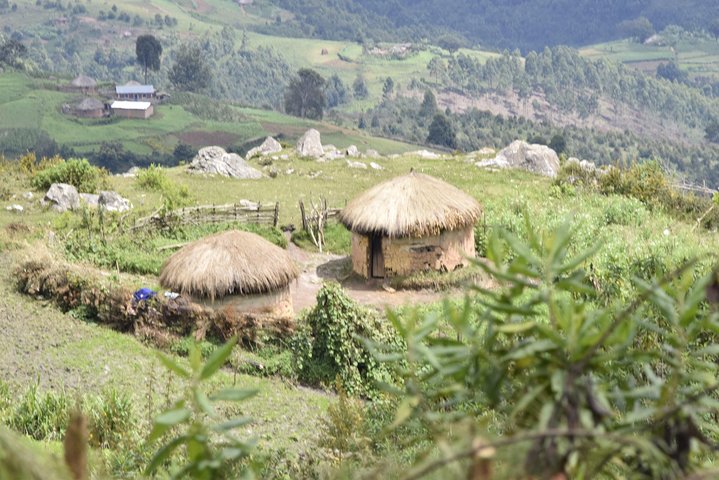
5 Day Burundi Green Tour-Nature & Culture

Small Group Guided Shared Tour To Gishora Drum Sanctuary From Bujumbura

Full-Day Tour Bujumbura With Rusizi Park And Stanley Monument




 Best Backpacking
.jpg) Hi, I’m Johan (Netherlands 🇳🇱), the creator of TakeYourBackpack. Over the past decade, I’ve backpacked through 80+ countries across six continents, gaining extensive experience with independent travel, long-term trips, and overland routes.
Hi, I’m Johan (Netherlands 🇳🇱), the creator of TakeYourBackpack. Over the past decade, I’ve backpacked through 80+ countries across six continents, gaining extensive experience with independent travel, long-term trips, and overland routes.