v2.webp)
The Central Obelisk: Monumental Symbolism Up Close
Forget the Instagram angle—standing at the base of the Monument de l’Indépendance, you’re not just snapping a photo of a tall, white obelisk. You’re face-to-face with Burundi’s raw, post-colonial pride. The monument’s clean lines and stark presence are a deliberate break from colonial architecture. It’s not ornate; it’s unapologetically direct, just like the country’s journey to independence. The real magic is in the simplicity—no distractions, just a vertical shout of “we’re here, and we’re our own.” If you want to feel the pulse of modern Burundi, this is ground zero.
The Panoramic View Over Bujumbura
Here’s the part the travel brochures skip: the monument sits on a hill, and the view is the real show-stealer. You get a sweeping look at … read more 👉
Forget the Instagram angle—standing at the base of the Monument de l’Indépendance, you’re not just snapping a photo of a tall, white obelisk. You’re face-to-face with Burundi’s raw, post-colonial pride. The monument’s clean lines and stark presence are a deliberate break from colonial architecture. It’s not ornate; it’s unapologetically direct, just like the country’s journey to independence. The real magic is in the simplicity—no distractions, just a vertical shout of “we’re here, and we’re our own.” If you want to feel the pulse of modern Burundi, this is ground zero.
The Panoramic View Over Bujumbura
Here’s the part the travel brochures skip: the monument sits on a hill, and the view is the real show-stealer. You get a sweeping look at … read more 👉
The Central Obelisk: Monumental Symbolism Up Close
Forget the Instagram angle—standing at the base of the Monument de l’Indépendance, you’re not just snapping a photo of a tall, white obelisk. You’re face-to-face with Burundi’s raw, post-colonial pride. The monument’s clean lines and stark presence are a deliberate break from colonial architecture. It’s not ornate; it’s unapologetically direct, just like the country’s journey to independence. The real magic is in the simplicity—no distractions, just a vertical shout of “we’re here, and we’re our own.” If you want to feel the pulse of modern Burundi, this is ground zero.
The Panoramic View Over Bujumbura
Here’s the part the travel brochures skip: the monument sits on a hill, and the view is the real show-stealer. You get a sweeping look at Bujumbura, Lake Tanganyika shimmering in the distance, and the green hills rolling out like a patchwork. It’s not a curated vista—expect city bustle, the odd goat, and the honest sprawl of a capital that’s still finding its rhythm. This is where you realize Burundi isn’t just a dot on the map; it’s a living, breathing place with stories in every direction.
The Independence Day Energy (If You Time It Right)
Most days, the monument is quiet, but on July 1st, it transforms. This is Burundi’s Independence Day, and the site becomes a magnet for celebration. Expect speeches, music, and a crowd that’s here for more than just ceremony—they’re here to remember, to party, and to claim their space. It’s not polished or packaged for tourists. It’s real, sometimes chaotic, and absolutely electric. If you want to see national pride without the filter, this is your ticket.
The Everyday Life Around the Monument
Here’s the honest truth: the monument isn’t fenced off or guarded like a relic. Locals use the grounds as a shortcut, a meeting spot, or just a place to catch their breath. You’ll see schoolkids, street vendors, and the occasional wedding party taking photos. This isn’t a museum piece—it’s woven into daily life. If you want to feel the heartbeat of Bujumbura, hang around and watch the city move around you. The monument is a backdrop to real life, not a stage set for outsiders.
The Unexpected Calm
Despite being in the city, there’s a strange, almost stubborn calm at the monument. It’s not a park, but it’s not hectic either. The traffic noise fades, the air feels lighter, and for a few minutes, you get a break from the city’s relentless energy. It’s a spot for reflection, not spectacle. If you’re looking for a place to process your travels—or just escape the chaos—this is where you’ll find it. No crowds, no pressure, just space to breathe.
Forget the Instagram angle—standing at the base of the Monument de l’Indépendance, you’re not just snapping a photo of a tall, white obelisk. You’re face-to-face with Burundi’s raw, post-colonial pride. The monument’s clean lines and stark presence are a deliberate break from colonial architecture. It’s not ornate; it’s unapologetically direct, just like the country’s journey to independence. The real magic is in the simplicity—no distractions, just a vertical shout of “we’re here, and we’re our own.” If you want to feel the pulse of modern Burundi, this is ground zero.
The Panoramic View Over Bujumbura
Here’s the part the travel brochures skip: the monument sits on a hill, and the view is the real show-stealer. You get a sweeping look at Bujumbura, Lake Tanganyika shimmering in the distance, and the green hills rolling out like a patchwork. It’s not a curated vista—expect city bustle, the odd goat, and the honest sprawl of a capital that’s still finding its rhythm. This is where you realize Burundi isn’t just a dot on the map; it’s a living, breathing place with stories in every direction.
The Independence Day Energy (If You Time It Right)
Most days, the monument is quiet, but on July 1st, it transforms. This is Burundi’s Independence Day, and the site becomes a magnet for celebration. Expect speeches, music, and a crowd that’s here for more than just ceremony—they’re here to remember, to party, and to claim their space. It’s not polished or packaged for tourists. It’s real, sometimes chaotic, and absolutely electric. If you want to see national pride without the filter, this is your ticket.
The Everyday Life Around the Monument
Here’s the honest truth: the monument isn’t fenced off or guarded like a relic. Locals use the grounds as a shortcut, a meeting spot, or just a place to catch their breath. You’ll see schoolkids, street vendors, and the occasional wedding party taking photos. This isn’t a museum piece—it’s woven into daily life. If you want to feel the heartbeat of Bujumbura, hang around and watch the city move around you. The monument is a backdrop to real life, not a stage set for outsiders.
The Unexpected Calm
Despite being in the city, there’s a strange, almost stubborn calm at the monument. It’s not a park, but it’s not hectic either. The traffic noise fades, the air feels lighter, and for a few minutes, you get a break from the city’s relentless energy. It’s a spot for reflection, not spectacle. If you’re looking for a place to process your travels—or just escape the chaos—this is where you’ll find it. No crowds, no pressure, just space to breathe.
Spotted a mistake or missing something? Contact us.

3 Day Burundi Tour- Multi-Day Burundi Sightseeing Tour with Karera Waterfalls
✓ Free cancellation

Bujumbura City Tour
✓ Free cancellation

From Bujumbura: Private Day Tour-Gitega-Gishora Drum Sanctuary
✓ Free cancellation

Discovering the Wonders of Burundi: A 7-Day Tour itinerary

Private Tour of Bujumbura

3 Day Burundi Nile Source Gitega Rusizi Park
✓ Free cancellation

Small Group Guided Shared Tour To Gishora Drum Sanctuary From Bujumbura
✓ Free cancellation
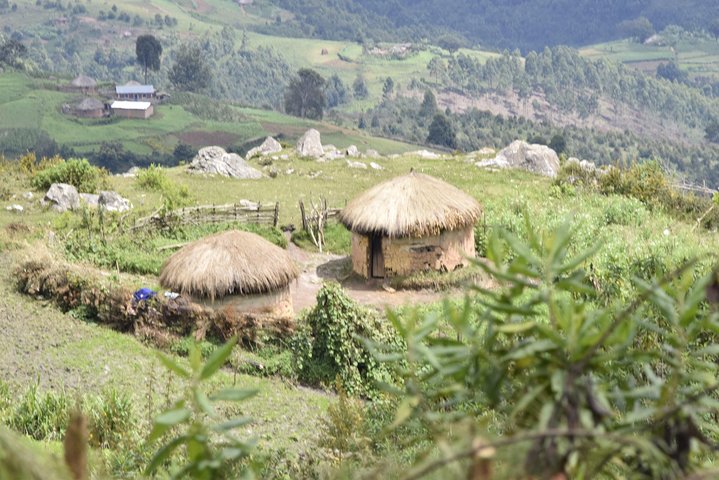
5 Day Burundi Green Tour-Nature & Culture
✓ Free cancellation

Burundi Day Trip to Karera Waterfalls- Source of Nile-Gitega National Museum
✓ Free cancellation

Muramvya: Kibira National Park – Tea plantations
✓ Free cancellation


 Best Backpacking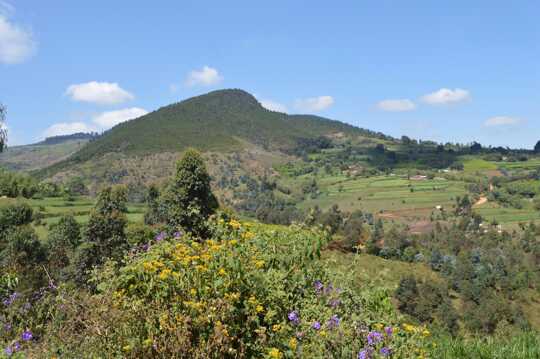
.jpg) Hi, I’m Johan (Netherlands 🇳🇱), the creator of TakeYourBackpack. Over the past decade, I’ve backpacked through 80+ countries across six continents, gaining extensive experience with independent travel, long-term trips, and overland routes.
Hi, I’m Johan (Netherlands 🇳🇱), the creator of TakeYourBackpack. Over the past decade, I’ve backpacked through 80+ countries across six continents, gaining extensive experience with independent travel, long-term trips, and overland routes.