v2.webp)
The Towering Symbolism
Let’s cut through the postcard gloss: the Monument de l’Unité isn’t some ancient relic or architectural marvel that’ll make your jaw drop on arrival. It’s a concrete tower, modern and blunt, rising above Bujumbura’s hills. But here’s the real story—this monument is loaded with meaning. Built in the 1990s to promote national unity after years of division, it’s a physical reminder of Burundi’s struggle and hope. You don’t come here for ornate carvings or Instagram likes. You come to stand in the shadow of something that matters to the people who live here. The monument’s starkness is the point—no frills, just a statement: “We’re still here. Together.”
The Panoramic View Over Bujumbura
Forget the monument for a second. The real entertainment is the view. Climb the steps … read more 👉
Let’s cut through the postcard gloss: the Monument de l’Unité isn’t some ancient relic or architectural marvel that’ll make your jaw drop on arrival. It’s a concrete tower, modern and blunt, rising above Bujumbura’s hills. But here’s the real story—this monument is loaded with meaning. Built in the 1990s to promote national unity after years of division, it’s a physical reminder of Burundi’s struggle and hope. You don’t come here for ornate carvings or Instagram likes. You come to stand in the shadow of something that matters to the people who live here. The monument’s starkness is the point—no frills, just a statement: “We’re still here. Together.”
The Panoramic View Over Bujumbura
Forget the monument for a second. The real entertainment is the view. Climb the steps … read more 👉
The Towering Symbolism
Let’s cut through the postcard gloss: the Monument de l’Unité isn’t some ancient relic or architectural marvel that’ll make your jaw drop on arrival. It’s a concrete tower, modern and blunt, rising above Bujumbura’s hills. But here’s the real story—this monument is loaded with meaning. Built in the 1990s to promote national unity after years of division, it’s a physical reminder of Burundi’s struggle and hope. You don’t come here for ornate carvings or Instagram likes. You come to stand in the shadow of something that matters to the people who live here. The monument’s starkness is the point—no frills, just a statement: “We’re still here. Together.”
The Panoramic View Over Bujumbura
Forget the monument for a second. The real entertainment is the view. Climb the steps (yes, you’ll sweat) and you’re rewarded with a sweeping look at Bujumbura, Lake Tanganyika shimmering in the distance, and the green hills rolling out to the horizon. This isn’t a curated photo op; it’s a raw, 360-degree panorama that puts you right in the heart of Burundi’s geography. You’ll see the city’s patchwork of tin roofs, the slow crawl of daily life, and—if you time it right—a sunset that turns the lake into molten gold. No filter needed, and no crowds jostling for the perfect shot. It’s just you, the wind, and the city below.
The Local Scene: Real Burundi, Not a Tourist Circus
Here’s the myth-buster: you won’t find busloads of tourists or souvenir hawkers. Most days, the Monument de l’Unité is quiet, sometimes even deserted. That’s the magic. You’re more likely to meet local students on a field trip, a couple of friends sharing a snack, or someone deep in thought. If you want to feel like you’re in on a secret, this is your spot. The lack of crowds means you can linger, soak up the atmosphere, and actually hear the city’s pulse. It’s a rare chance to experience a capital city monument without the usual circus.
The Symbolic Flame
At the base of the monument, you’ll find the eternal flame—simple, unadorned, and quietly powerful. It’s not flashy, but it’s loaded with symbolism: a promise that unity is an ongoing struggle, not a finished project. Stand here for a minute and let it sink in. This isn’t a tourist trap; it’s a living reminder of Burundi’s resilience. If you’re looking for a place with soul, this is it.
Accessibility and the Journey Up
Getting to the monument isn’t a red-carpet affair. The road is rough, the signage is minimal, and you’ll probably have to ask for directions more than once. But that’s part of the experience. You’re not being herded along a polished tourist trail—you’re earning your visit. The climb up the hill is a workout, but it’s also a rite of passage. By the time you reach the top, you’ve left the city’s noise behind and gained a little perspective—literally and figuratively. If you want a monument that makes you work for your reward, this is it.
Let’s cut through the postcard gloss: the Monument de l’Unité isn’t some ancient relic or architectural marvel that’ll make your jaw drop on arrival. It’s a concrete tower, modern and blunt, rising above Bujumbura’s hills. But here’s the real story—this monument is loaded with meaning. Built in the 1990s to promote national unity after years of division, it’s a physical reminder of Burundi’s struggle and hope. You don’t come here for ornate carvings or Instagram likes. You come to stand in the shadow of something that matters to the people who live here. The monument’s starkness is the point—no frills, just a statement: “We’re still here. Together.”
The Panoramic View Over Bujumbura
Forget the monument for a second. The real entertainment is the view. Climb the steps (yes, you’ll sweat) and you’re rewarded with a sweeping look at Bujumbura, Lake Tanganyika shimmering in the distance, and the green hills rolling out to the horizon. This isn’t a curated photo op; it’s a raw, 360-degree panorama that puts you right in the heart of Burundi’s geography. You’ll see the city’s patchwork of tin roofs, the slow crawl of daily life, and—if you time it right—a sunset that turns the lake into molten gold. No filter needed, and no crowds jostling for the perfect shot. It’s just you, the wind, and the city below.
The Local Scene: Real Burundi, Not a Tourist Circus
Here’s the myth-buster: you won’t find busloads of tourists or souvenir hawkers. Most days, the Monument de l’Unité is quiet, sometimes even deserted. That’s the magic. You’re more likely to meet local students on a field trip, a couple of friends sharing a snack, or someone deep in thought. If you want to feel like you’re in on a secret, this is your spot. The lack of crowds means you can linger, soak up the atmosphere, and actually hear the city’s pulse. It’s a rare chance to experience a capital city monument without the usual circus.
The Symbolic Flame
At the base of the monument, you’ll find the eternal flame—simple, unadorned, and quietly powerful. It’s not flashy, but it’s loaded with symbolism: a promise that unity is an ongoing struggle, not a finished project. Stand here for a minute and let it sink in. This isn’t a tourist trap; it’s a living reminder of Burundi’s resilience. If you’re looking for a place with soul, this is it.
Accessibility and the Journey Up
Getting to the monument isn’t a red-carpet affair. The road is rough, the signage is minimal, and you’ll probably have to ask for directions more than once. But that’s part of the experience. You’re not being herded along a polished tourist trail—you’re earning your visit. The climb up the hill is a workout, but it’s also a rite of passage. By the time you reach the top, you’ve left the city’s noise behind and gained a little perspective—literally and figuratively. If you want a monument that makes you work for your reward, this is it.
Spotted a mistake or missing something? Contact us.

3 Day Burundi Tour- Multi-Day Burundi Sightseeing Tour with Karera Waterfalls

Bujumbura City Tour

From Bujumbura: Private Day Tour-Gitega-Gishora Drum Sanctuary

Private Tour of Bujumbura

Discovering the Wonders of Burundi: A 7-Day Tour itinerary

3 Day Burundi Nile Source Gitega Rusizi Park
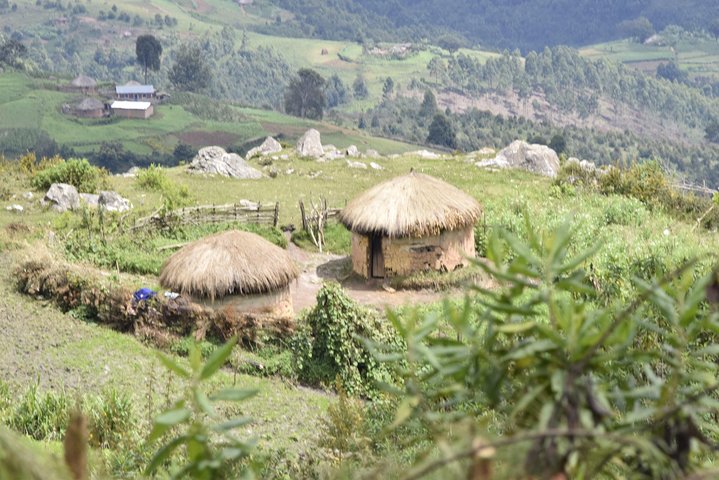
5 Day Burundi Green Tour-Nature & Culture

Small Group Guided Shared Tour To Gishora Drum Sanctuary From Bujumbura

Day Trip to Gitega Royal Drummers- Songa Mount Hiking – Architecture Tour

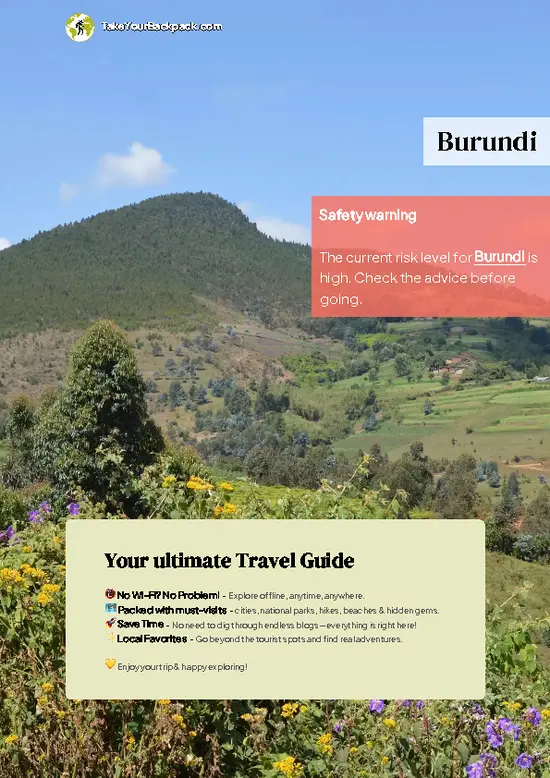



 Best Backpacking
.jpg) Hi, I’m Johan (Netherlands 🇳🇱), the creator of TakeYourBackpack. Over the past decade, I’ve backpacked through 80+ countries across six continents, gaining extensive experience with independent travel, long-term trips, and overland routes.
Hi, I’m Johan (Netherlands 🇳🇱), the creator of TakeYourBackpack. Over the past decade, I’ve backpacked through 80+ countries across six continents, gaining extensive experience with independent travel, long-term trips, and overland routes.