v2.webp)
The Monument’s Stark Simplicity
Forget the overblown marble of Western war memorials. The Monument du Soldat Inconnu in Bujumbura is blunt, almost severe—a concrete obelisk rising from a traffic circle, surrounded by a low fence and a few battered benches. It’s not trying to impress you. That’s the point. This is a place where the absence of grandeur is the message: the sacrifice remembered here is raw, unvarnished, and utterly local. You’ll see the scars of time and weather, not the polish of constant restoration. It’s a monument that refuses to let you forget the reality of loss, and that honesty hits harder than any Instagram filter.
The Pulse of Bujumbura
This isn’t some cordoned-off, hush-hush memorial. The monument sits smack in the middle of the city’s daily chaos—taxis honking, street … read more 👉
Forget the overblown marble of Western war memorials. The Monument du Soldat Inconnu in Bujumbura is blunt, almost severe—a concrete obelisk rising from a traffic circle, surrounded by a low fence and a few battered benches. It’s not trying to impress you. That’s the point. This is a place where the absence of grandeur is the message: the sacrifice remembered here is raw, unvarnished, and utterly local. You’ll see the scars of time and weather, not the polish of constant restoration. It’s a monument that refuses to let you forget the reality of loss, and that honesty hits harder than any Instagram filter.
The Pulse of Bujumbura
This isn’t some cordoned-off, hush-hush memorial. The monument sits smack in the middle of the city’s daily chaos—taxis honking, street … read more 👉
The Monument’s Stark Simplicity
Forget the overblown marble of Western war memorials. The Monument du Soldat Inconnu in Bujumbura is blunt, almost severe—a concrete obelisk rising from a traffic circle, surrounded by a low fence and a few battered benches. It’s not trying to impress you. That’s the point. This is a place where the absence of grandeur is the message: the sacrifice remembered here is raw, unvarnished, and utterly local. You’ll see the scars of time and weather, not the polish of constant restoration. It’s a monument that refuses to let you forget the reality of loss, and that honesty hits harder than any Instagram filter.
The Pulse of Bujumbura
This isn’t some cordoned-off, hush-hush memorial. The monument sits smack in the middle of the city’s daily chaos—taxis honking, street vendors hawking, schoolkids weaving through traffic. You’re not stepping out of real life to pay your respects; you’re stepping deeper into it. The monument’s power comes from its context: it’s woven into the city’s routine, a silent witness to Burundi’s ongoing story. If you want to feel the heartbeat of Bujumbura, stand here for an hour and just watch.
Unfiltered Encounters
You won’t find tour groups or selfie sticks here. What you will find is a cross-section of Burundian life—old men in faded uniforms, young couples on lunch break, the occasional government official with a wreath. If you’re open, you might get drawn into a conversation about the country’s history, or the meaning of the monument itself. This is where the guidebooks go silent and the real stories begin. The entertainment isn’t staged; it’s spontaneous, unpredictable, and sometimes deeply moving.
Annual Commemoration Ceremonies
If you time your visit for July 1st—Burundi’s Independence Day—you’ll see the monument come alive. Soldiers in crisp dress uniforms, brass bands, speeches that echo off the concrete. It’s not a tourist show; it’s a national ritual, and you’ll feel the weight of collective memory in the air. The ceremony is brief but intense, and for those few hours, the whole city seems to pivot around this one spot. If you want to understand what patriotism looks like in Burundi, this is the front row seat.
Photographic Honesty
The monument is not conventionally beautiful, but it photographs with a kind of gritty dignity. Early morning or late afternoon, when the light slants through the city haze, you can capture images that tell a story—of endurance, of memory, of a country still finding its way. Don’t expect postcard perfection. Expect something real. That’s the shot worth taking.
Forget the overblown marble of Western war memorials. The Monument du Soldat Inconnu in Bujumbura is blunt, almost severe—a concrete obelisk rising from a traffic circle, surrounded by a low fence and a few battered benches. It’s not trying to impress you. That’s the point. This is a place where the absence of grandeur is the message: the sacrifice remembered here is raw, unvarnished, and utterly local. You’ll see the scars of time and weather, not the polish of constant restoration. It’s a monument that refuses to let you forget the reality of loss, and that honesty hits harder than any Instagram filter.
The Pulse of Bujumbura
This isn’t some cordoned-off, hush-hush memorial. The monument sits smack in the middle of the city’s daily chaos—taxis honking, street vendors hawking, schoolkids weaving through traffic. You’re not stepping out of real life to pay your respects; you’re stepping deeper into it. The monument’s power comes from its context: it’s woven into the city’s routine, a silent witness to Burundi’s ongoing story. If you want to feel the heartbeat of Bujumbura, stand here for an hour and just watch.
Unfiltered Encounters
You won’t find tour groups or selfie sticks here. What you will find is a cross-section of Burundian life—old men in faded uniforms, young couples on lunch break, the occasional government official with a wreath. If you’re open, you might get drawn into a conversation about the country’s history, or the meaning of the monument itself. This is where the guidebooks go silent and the real stories begin. The entertainment isn’t staged; it’s spontaneous, unpredictable, and sometimes deeply moving.
Annual Commemoration Ceremonies
If you time your visit for July 1st—Burundi’s Independence Day—you’ll see the monument come alive. Soldiers in crisp dress uniforms, brass bands, speeches that echo off the concrete. It’s not a tourist show; it’s a national ritual, and you’ll feel the weight of collective memory in the air. The ceremony is brief but intense, and for those few hours, the whole city seems to pivot around this one spot. If you want to understand what patriotism looks like in Burundi, this is the front row seat.
Photographic Honesty
The monument is not conventionally beautiful, but it photographs with a kind of gritty dignity. Early morning or late afternoon, when the light slants through the city haze, you can capture images that tell a story—of endurance, of memory, of a country still finding its way. Don’t expect postcard perfection. Expect something real. That’s the shot worth taking.
Spotted a mistake or missing something? Contact us.

3 Day Burundi Tour- Multi-Day Burundi Sightseeing Tour with Karera Waterfalls
✓ Free cancellation

Bujumbura City Tour
✓ Free cancellation

From Bujumbura: Private Day Tour-Gitega-Gishora Drum Sanctuary
✓ Free cancellation

3 Day Burundi Nile Source Gitega Rusizi Park
✓ Free cancellation

Private Tour of Bujumbura

Discovering the Wonders of Burundi: A 7-Day Tour itinerary
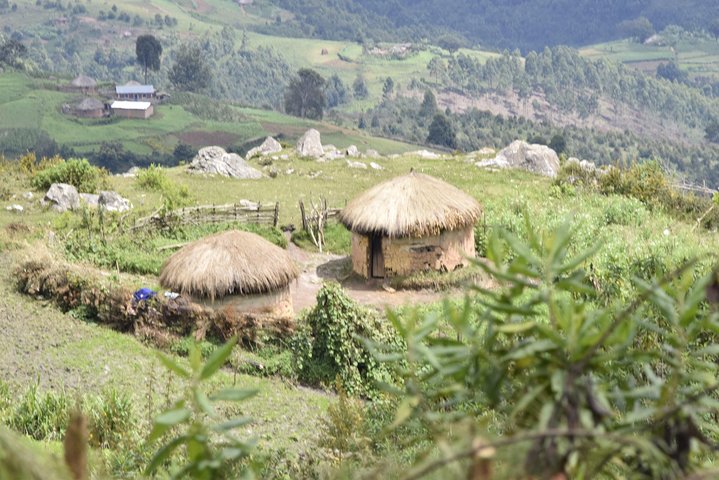
5 Day Burundi Green Tour-Nature & Culture
✓ Free cancellation

Small Group Guided Shared Tour To Gishora Drum Sanctuary From Bujumbura
✓ Free cancellation

Burundi Day Trip to Karera Waterfalls- Source of Nile-Gitega National Museum
✓ Free cancellation

Full-Day Tour Bujumbura With Rusizi Park And Stanley Monument
✓ Free cancellation
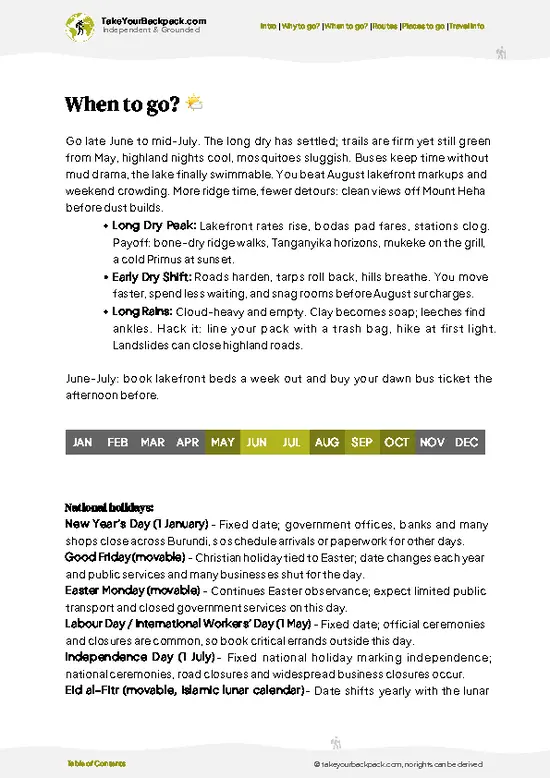
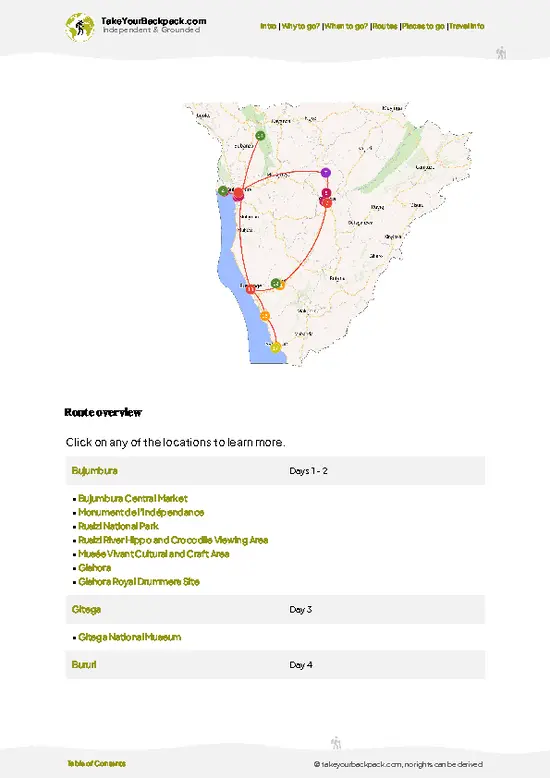

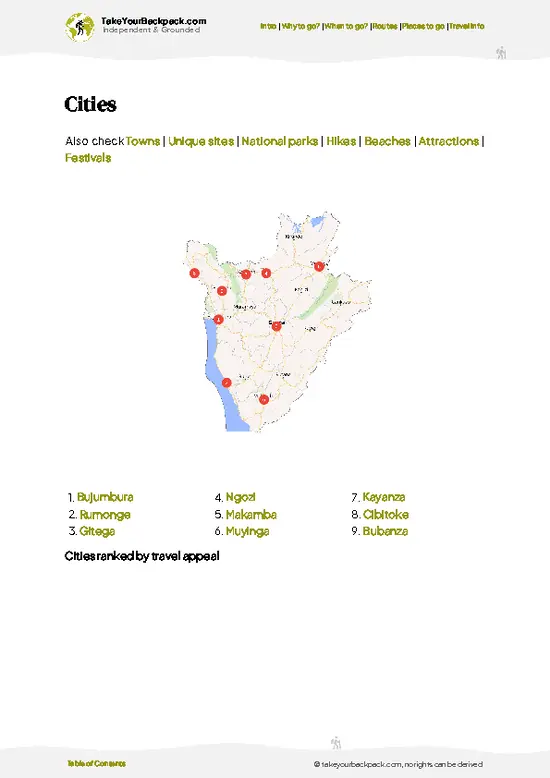


 Best Backpacking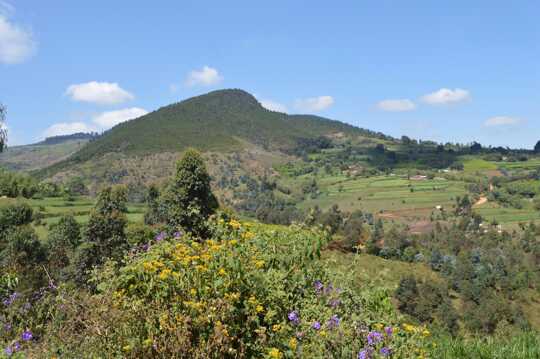
.jpg) Hi, I’m Johan (Netherlands 🇳🇱), the creator of TakeYourBackpack. Over the past decade, I’ve backpacked through 80+ countries across six continents, gaining extensive experience with independent travel, long-term trips, and overland routes.
Hi, I’m Johan (Netherlands 🇳🇱), the creator of TakeYourBackpack. Over the past decade, I’ve backpacked through 80+ countries across six continents, gaining extensive experience with independent travel, long-term trips, and overland routes.