v2.webp)
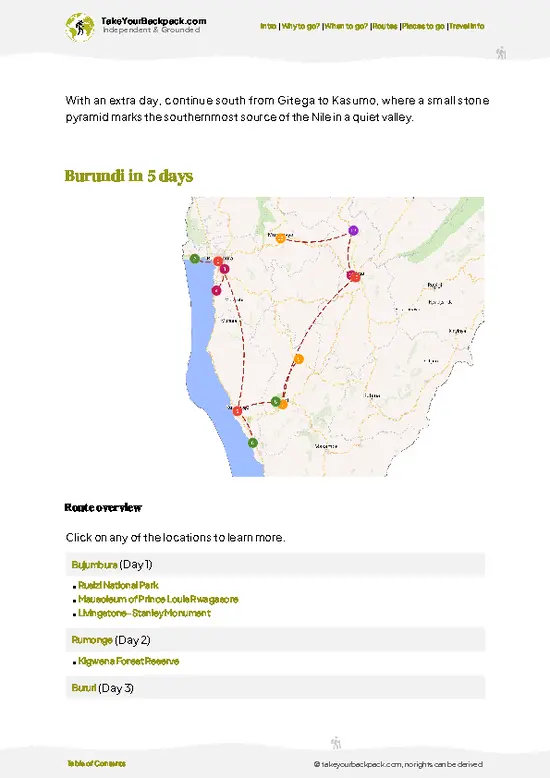
- Muyinga Central Market: The town’s real center of gravity, with piles of beans, cassava, bananas, secondhand clothes and tailors working on pedal machines. Go in the morning, when trade is busiest. Entry is free and an hour or two is plenty.
- Muyinga Mosque: The town has a notable Muslim community, and the mosque is the clearest sign of it. Visit outside prayer times, dress modestly and ask permission before photographing. It is free and takes about 20 minutes.
- Muyinga Cathedral: Muyinga is the seat of a Catholic diocese, and the cathedral is the main church landmark, with lively choirs at Sunday Mass. Come on a Sunday morning if you want to hear them. Entry is free, and Mass runs one to two hours.
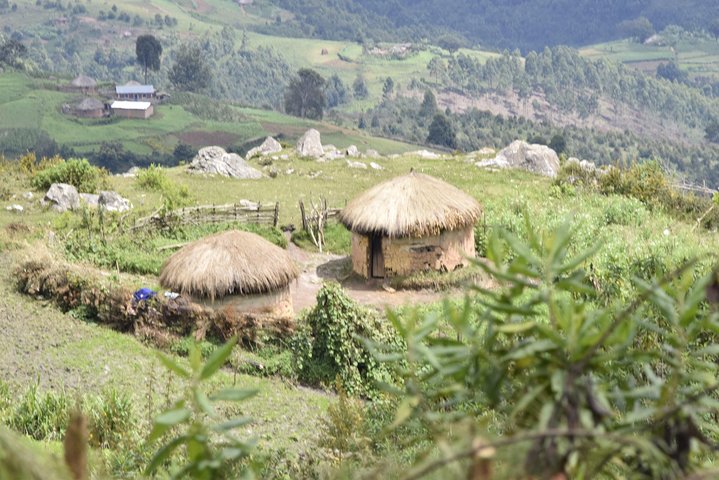
- Hill walks around town: The streets lead quickly into terraced farmland with banana groves and wide
- Muyinga Central Market: The town’s real center of gravity, with piles of beans, cassava, bananas, secondhand clothes and tailors working on pedal machines. Go in the morning, when trade is busiest. Entry is free and an hour or two is plenty.
- Muyinga Mosque: The town has a notable Muslim community, and the mosque is the clearest sign of it. Visit outside prayer times, dress modestly and ask permission before photographing. It is free and takes about 20 minutes.
- Muyinga Cathedral: Muyinga is the seat of a Catholic diocese, and the cathedral is the main church landmark, with lively choirs at Sunday Mass. Come on a Sunday morning if you want to hear them. Entry is free, and Mass runs one to two hours.
- Hill walks around town: The streets lead quickly into terraced farmland with banana groves and wide views across the plateau. Walk in the cooler morning or late afternoon. It costs nothing and a loop takes about 1 to 2 hours. Greet everyone you pass and expect curious questions.
Spotted a mistake or missing something? Contact us.

3 Day Burundi Tour- Multi-Day Burundi Sightseeing Tour with Karera Waterfalls

3 Day Burundi Nile Source Gitega Rusizi Park

Bujumbura City Tour

From Bujumbura: Private Day Tour-Gitega-Gishora Drum Sanctuary

Private Tour of Bujumbura

Discovering the Wonders of Burundi: A 7-Day Tour itinerary
5 Day Burundi Green Tour-Nature & Culture

Small Group Guided Shared Tour To Gishora Drum Sanctuary From Bujumbura

Full-Day Tour Bujumbura With Rusizi Park And Stanley Monument


 Best Backpacking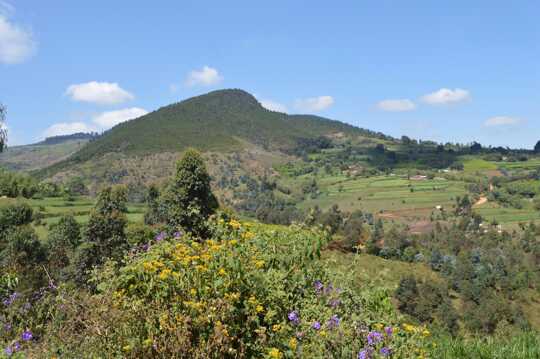
.jpg) Hi, I’m Johan (Netherlands 🇳🇱), the creator of TakeYourBackpack. Over the past 3 decades, I’ve backpacked through 90+ countries across six continents, gaining extensive experience with independent travel, long-term trips, and overland routes.
Hi, I’m Johan (Netherlands 🇳🇱), the creator of TakeYourBackpack. Over the past 3 decades, I’ve backpacked through 90+ countries across six continents, gaining extensive experience with independent travel, long-term trips, and overland routes.