
- Porto de Sal Rei (the harbour) — Where the island still breathes: fishing boats, daily comings and goings, and the place to book local boat trips (and to watch fishermen mend nets while the town smells of salt and grilled fish).
- Salinas and old salt warehouses — The salt pans on the edge of town are the reason Sal Rei exists; the low, white warehouses and shallow pools tell the island’s economic story and make for great photos at low light.
- Igreja de Santa Isabel (the parish church) — A small, well-tended church in the center of town where you can feel local rhythms: mass, weddings, and the gentle architecture that anchors Sal Rei’s community life.
- Main town square (Praça da Igreja) — The living room of Sal Rei: kids playing, old men chatting on benches, and enough cafes and shaded spots
- Porto de Sal Rei (the harbour) — Where the island still breathes: fishing boats, daily comings and goings, and the place to book local boat trips (and to watch fishermen mend nets while the town smells of salt and grilled fish).
- Salinas and old salt warehouses — The salt pans on the edge of town are the reason Sal Rei exists; the low, white warehouses and shallow pools tell the island’s economic story and make for great photos at low light.
- Igreja de Santa Isabel (the parish church) — A small, well-tended church in the center of town where you can feel local rhythms: mass, weddings, and the gentle architecture that anchors Sal Rei’s community life.
- Main town square (Praça da Igreja) — The living room of Sal Rei: kids playing, old men chatting on benches, and enough cafes and shaded spots to people-watch for hours while learning how locals pace their day.
- Mercado Municipal / fish market — Raw, noisy, and brilliant: buy fresh fish, see the catch-arrival rituals, haggle over mangos and papayas, and experience the food economy that feeds the island.
- Rua Amílcar Cabral (main street) — The commercial spine with low colonial facades, budget cafés, simple bakeries and phone shops; great for a slow wander to see everyday architecture and pick up supplies or snacks.
- Artisan stalls & small galleries — Scattered near the centre and along the waterfront, these are the best places to meet makers, buy woven goods or recycled-glass jewelry, and see contemporary Boa Vista craft up close.
- Waterfront promenade & breakwater — Short walk, big payoff: sit on the rocks or the breakwater at dusk for sweeping sea views, local fishermen hauling in lines, and some of the town’s best sunsets without needing a tour.
- Centro Cultural / small local museum — A modest cultural hub with exhibits and occasional performances that explain Boa Vista’s salt history, local music (including Tabanka), and community stories—good for context after wandering the streets.
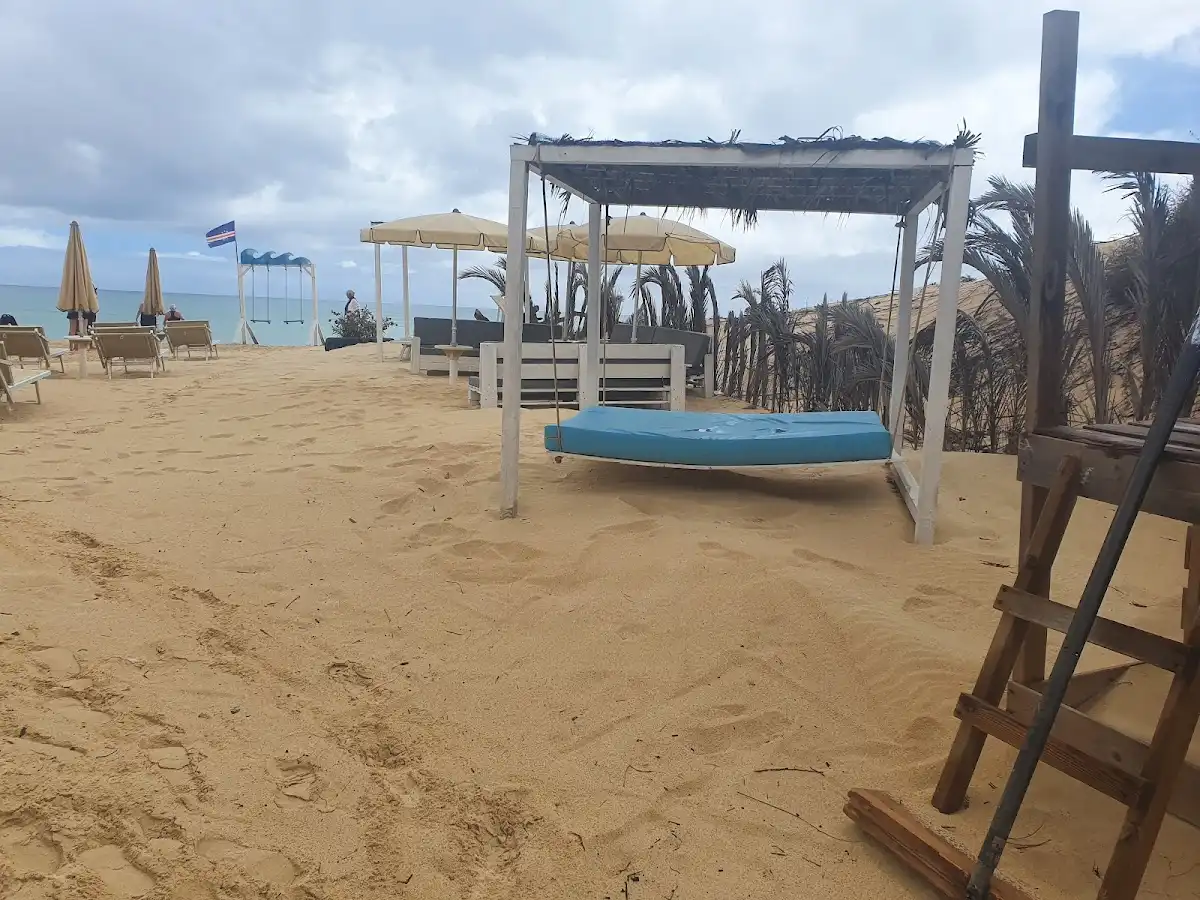
- Town beach by the harbour — A small, convenient stretch of sand right by Sal Rei where locals swim, kids play, and newcomers can get their first taste of Boa Vista’s water without traveling far; great for a quick dip or a chilled evening.
Spotted a mistake or missing something? Contact us.

Boa Vista Buggy Tour: Santa Monica & South Desert (4-Hour)

Boa Vista Buggy Tour: Shipwreck & Viana Desert (2-Hour)

4WD Boa Vista group day tour south and north with sandboarding

Guided turtle tour in a group in Boa Vista

Boa Vista 4x4: Sharks, Turtles, Caves, Sandboard & Tasting tour

Boa Vista Quad Tour: Shipwreck & Viana Desert (2-Hour)

Boa Vista Buggy Tour: Death Valley Adventure (2-Hour)

Boa Vista Jeep Expedition: Shipwreck & Viana Desert (4-Hour)

Boa Vista Jeep Expedition: Santa Monica & Desert (4-Hour)

 Best Backpacking
 Hi, I’m Johan (Netherlands 🇳🇱), the creator of TakeYourBackpack. Over the past 3 decades, I’ve backpacked through 90+ countries across six continents, gaining extensive experience with independent travel, long-term trips, and overland routes.