v2.webp)
The Faces of Bayon
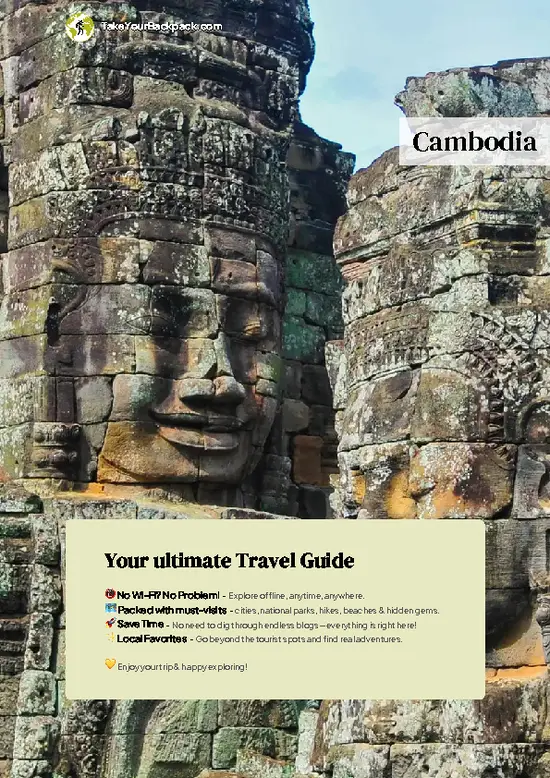
Let’s get real: you’ve seen these faces a thousand times on travel feeds. But standing in front of them, you realize the hype is only half the story. There are 200+ massive stone faces, each with a sly, knowing smile—like the Mona Lisa’s Southeast Asian cousin. They’re not just photogenic; they’re eerie, playful, and weirdly intimate. You’ll lock eyes with a 12-foot grin and feel like you’re being let in on a cosmic joke. The faces aren’t identical, either—some are serene, some mischievous, some almost mocking. It’s not just a photo op; it’s a psychological funhouse.
The Maze of Galleries and Bas-Reliefs
Forget the “lost temple” fantasy—Bayon is a labyrinth, and you will get turned around. That’s half the fun. The outer galleries are carved with scenes of ancient battles, … read more 👉
Let’s get real: you’ve seen these faces a thousand times on travel feeds. But standing in front of them, you realize the hype is only half the story. There are 200+ massive stone faces, each with a sly, knowing smile—like the Mona Lisa’s Southeast Asian cousin. They’re not just photogenic; they’re eerie, playful, and weirdly intimate. You’ll lock eyes with a 12-foot grin and feel like you’re being let in on a cosmic joke. The faces aren’t identical, either—some are serene, some mischievous, some almost mocking. It’s not just a photo op; it’s a psychological funhouse.
The Maze of Galleries and Bas-Reliefs
Forget the “lost temple” fantasy—Bayon is a labyrinth, and you will get turned around. That’s half the fun. The outer galleries are carved with scenes of ancient battles, … read more 👉
The Faces of Bayon
Let’s get real: you’ve seen these faces a thousand times on travel feeds. But standing in front of them, you realize the hype is only half the story. There are 200+ massive stone faces, each with a sly, knowing smile—like the Mona Lisa’s Southeast Asian cousin. They’re not just photogenic; they’re eerie, playful, and weirdly intimate. You’ll lock eyes with a 12-foot grin and feel like you’re being let in on a cosmic joke. The faces aren’t identical, either—some are serene, some mischievous, some almost mocking. It’s not just a photo op; it’s a psychological funhouse.
The Maze of Galleries and Bas-Reliefs
Forget the “lost temple” fantasy—Bayon is a labyrinth, and you will get turned around. That’s half the fun. The outer galleries are carved with scenes of ancient battles, cockfights, and even a Khmer chef grilling fish. This isn’t sanitized history; it’s daily life, chaos, and victory, all immortalized in stone. The detail is absurd—look for the Chinese warriors with their funny hats, or the crocodile devouring a soldier. It’s like binge-watching a 12th-century soap opera, minus the commercials.
The Central Sanctuary
This is the heart of the temple, and it feels like it. The climb is steep, the stones are worn, and the air gets thick with incense and humidity. Up here, the faces close in, and the noise of the crowds drops away. It’s not a place for quiet meditation—Bayon is too alive for that—but you’ll feel the energy shift. The sanctuary is compact, shadowy, and charged with centuries of devotion and drama.
The Light Show—No, Not That Kind
Bayon doesn’t need lasers. The real show is sunrise or late afternoon, when the low sun hits the stone and the faces seem to glow from within. Shadows stretch, details pop, and the whole place feels like it’s breathing. Yes, you’ll share the moment with a crowd, but if you hang back after the tour groups leave, you’ll catch the temple at its most cinematic.
The Soundtrack of Bayon
This isn’t a silent ruin. You’ll hear monks chanting, guides telling wild stories, and the echo of your own footsteps on ancient stone. Sometimes, a local musician will play a haunting tune on a traditional instrument near the entrance. It’s not staged; it’s just part of the living, breathing chaos that makes Bayon more than a museum piece.
The Climb and the Chaos
Bayon is not for the dainty or the crowd-averse. The steps are steep, the corridors are tight, and you’ll be elbow-to-elbow with tourists and monks alike. But that’s the point. Bayon is a temple built for a city, not a solitary retreat. The energy, the noise, the press of bodies—it’s all part of the experience. If you want a quiet, empty ruin, you’re in the wrong place. If you want to feel the pulse of ancient Angkor, this is it.
Let’s get real: you’ve seen these faces a thousand times on travel feeds. But standing in front of them, you realize the hype is only half the story. There are 200+ massive stone faces, each with a sly, knowing smile—like the Mona Lisa’s Southeast Asian cousin. They’re not just photogenic; they’re eerie, playful, and weirdly intimate. You’ll lock eyes with a 12-foot grin and feel like you’re being let in on a cosmic joke. The faces aren’t identical, either—some are serene, some mischievous, some almost mocking. It’s not just a photo op; it’s a psychological funhouse.
The Maze of Galleries and Bas-Reliefs
Forget the “lost temple” fantasy—Bayon is a labyrinth, and you will get turned around. That’s half the fun. The outer galleries are carved with scenes of ancient battles, cockfights, and even a Khmer chef grilling fish. This isn’t sanitized history; it’s daily life, chaos, and victory, all immortalized in stone. The detail is absurd—look for the Chinese warriors with their funny hats, or the crocodile devouring a soldier. It’s like binge-watching a 12th-century soap opera, minus the commercials.
The Central Sanctuary
This is the heart of the temple, and it feels like it. The climb is steep, the stones are worn, and the air gets thick with incense and humidity. Up here, the faces close in, and the noise of the crowds drops away. It’s not a place for quiet meditation—Bayon is too alive for that—but you’ll feel the energy shift. The sanctuary is compact, shadowy, and charged with centuries of devotion and drama.
The Light Show—No, Not That Kind
Bayon doesn’t need lasers. The real show is sunrise or late afternoon, when the low sun hits the stone and the faces seem to glow from within. Shadows stretch, details pop, and the whole place feels like it’s breathing. Yes, you’ll share the moment with a crowd, but if you hang back after the tour groups leave, you’ll catch the temple at its most cinematic.
The Soundtrack of Bayon
This isn’t a silent ruin. You’ll hear monks chanting, guides telling wild stories, and the echo of your own footsteps on ancient stone. Sometimes, a local musician will play a haunting tune on a traditional instrument near the entrance. It’s not staged; it’s just part of the living, breathing chaos that makes Bayon more than a museum piece.
The Climb and the Chaos
Bayon is not for the dainty or the crowd-averse. The steps are steep, the corridors are tight, and you’ll be elbow-to-elbow with tourists and monks alike. But that’s the point. Bayon is a temple built for a city, not a solitary retreat. The energy, the noise, the press of bodies—it’s all part of the experience. If you want a quiet, empty ruin, you’re in the wrong place. If you want to feel the pulse of ancient Angkor, this is it.
Spotted a mistake or missing something? Contact us.

2-Day Private Angkor Wat, Floating Village & Countryside Tour
✓ Free cancellation

Private Temples Guided Tour (Angkor Wat, Ta Prom & Angkor Thom)
✓ Free cancellation

3-Day Angkor Wat with All Interesting Major Temples, Banteay Srei & Beng Mealea
✓ Free cancellation

Angkor Sunrise Expedition Cycling Through Serene Backroads
✓ Free cancellation

Angkor Wat Sunrise Private Experience with Guide from Siem Reap
✓ Free cancellation

Angkor Wat Sunrise Private Tour by Tuk Tuk
✓ Free cancellation

Sunrise Private Tour Angkor Wat Adventure
✓ Free cancellation

Angkor Wat Full-Day Sunrise & Sunset Private Tour All Interesting Major Temples
✓ Free cancellation

Classic Angkor Wat Sunrise or Sunset Private or Small GroupTour
✓ Free cancellation

Sunrise Small Group Tour in Siem Reap
✓ Free cancellation



 Best Backpacking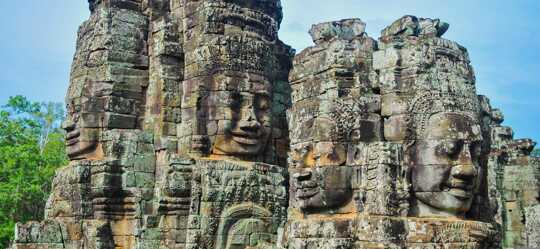
.jpg) Hi, I’m Johan (Netherlands 🇳🇱), the creator of TakeYourBackpack. Over the past decade, I’ve backpacked through 80+ countries across six continents, gaining extensive experience with independent travel, long-term trips, and overland routes.
Hi, I’m Johan (Netherlands 🇳🇱), the creator of TakeYourBackpack. Over the past decade, I’ve backpacked through 80+ countries across six continents, gaining extensive experience with independent travel, long-term trips, and overland routes.