v2.webp)
1. Classical Apsara Dance
Forget the filtered Instagram shots of dancers in gold headdresses—seeing Apsara live at Cambodian Living Arts is a different beast. The hand gestures alone are a language, telling stories older than Angkor Wat. The choreography is hypnotic, but it’s the micro-expressions and the absolute control of every muscle that’ll have you glued to your seat. This isn’t a tourist sideshow; it’s a living, breathing art form, performed by people who’ve trained since childhood.
2. Shadow Puppet Theatre (Sbek Thom)
You’ll see giant leather puppets, backlit by fire, casting wild, flickering shadows. The stories are epic—think gods, demons, and ancient battles—but the real magic is in the raw, analog spectacle. No digital tricks, just sweat, smoke, and centuries-old technique. It’s … read more 👉
Forget the filtered Instagram shots of dancers in gold headdresses—seeing Apsara live at Cambodian Living Arts is a different beast. The hand gestures alone are a language, telling stories older than Angkor Wat. The choreography is hypnotic, but it’s the micro-expressions and the absolute control of every muscle that’ll have you glued to your seat. This isn’t a tourist sideshow; it’s a living, breathing art form, performed by people who’ve trained since childhood.
2. Shadow Puppet Theatre (Sbek Thom)
You’ll see giant leather puppets, backlit by fire, casting wild, flickering shadows. The stories are epic—think gods, demons, and ancient battles—but the real magic is in the raw, analog spectacle. No digital tricks, just sweat, smoke, and centuries-old technique. It’s … read more 👉
1. Classical Apsara Dance
Forget the filtered Instagram shots of dancers in gold headdresses—seeing Apsara live at Cambodian Living Arts is a different beast. The hand gestures alone are a language, telling stories older than Angkor Wat. The choreography is hypnotic, but it’s the micro-expressions and the absolute control of every muscle that’ll have you glued to your seat. This isn’t a tourist sideshow; it’s a living, breathing art form, performed by people who’ve trained since childhood.
2. Shadow Puppet Theatre (Sbek Thom)
You’ll see giant leather puppets, backlit by fire, casting wild, flickering shadows. The stories are epic—think gods, demons, and ancient battles—but the real magic is in the raw, analog spectacle. No digital tricks, just sweat, smoke, and centuries-old technique. It’s loud, it’s chaotic, and it’s absolutely mesmerizing.
3. Folk Dance Showcases
This is where you get the pulse of rural Cambodia, not just the royal courts. Expect stomping, laughter, and the kind of energy that makes you want to jump up and join. The dances are playful, sometimes cheeky, and always communal. You’ll see coconut shell clappers, bamboo poles, and costumes that look like they were made for a village festival—because they were.
4. Live Traditional Music Ensembles
The musicians here aren’t background noise. They’re front and center, wielding xylophones, drums, and stringed instruments you’ve probably never seen. The rhythms are unpredictable, the melodies haunting. You’ll feel the music in your chest. This isn’t Spotify; it’s the sound of Cambodia, played by masters who treat every performance like a homecoming.
5. Artist Q&A and Backstage Access
If you want the real story—how these arts survived war, why they matter now—stick around after the show. The artists are open, candid, and fiercely proud. You’ll walk away with more than photos; you’ll have context, connection, and maybe even a new respect for what it takes to keep a culture alive.
Forget the filtered Instagram shots of dancers in gold headdresses—seeing Apsara live at Cambodian Living Arts is a different beast. The hand gestures alone are a language, telling stories older than Angkor Wat. The choreography is hypnotic, but it’s the micro-expressions and the absolute control of every muscle that’ll have you glued to your seat. This isn’t a tourist sideshow; it’s a living, breathing art form, performed by people who’ve trained since childhood.
2. Shadow Puppet Theatre (Sbek Thom)
You’ll see giant leather puppets, backlit by fire, casting wild, flickering shadows. The stories are epic—think gods, demons, and ancient battles—but the real magic is in the raw, analog spectacle. No digital tricks, just sweat, smoke, and centuries-old technique. It’s loud, it’s chaotic, and it’s absolutely mesmerizing.
3. Folk Dance Showcases
This is where you get the pulse of rural Cambodia, not just the royal courts. Expect stomping, laughter, and the kind of energy that makes you want to jump up and join. The dances are playful, sometimes cheeky, and always communal. You’ll see coconut shell clappers, bamboo poles, and costumes that look like they were made for a village festival—because they were.
4. Live Traditional Music Ensembles
The musicians here aren’t background noise. They’re front and center, wielding xylophones, drums, and stringed instruments you’ve probably never seen. The rhythms are unpredictable, the melodies haunting. You’ll feel the music in your chest. This isn’t Spotify; it’s the sound of Cambodia, played by masters who treat every performance like a homecoming.
5. Artist Q&A and Backstage Access
If you want the real story—how these arts survived war, why they matter now—stick around after the show. The artists are open, candid, and fiercely proud. You’ll walk away with more than photos; you’ll have context, connection, and maybe even a new respect for what it takes to keep a culture alive.
Spotted a mistake or missing something? Contact us.
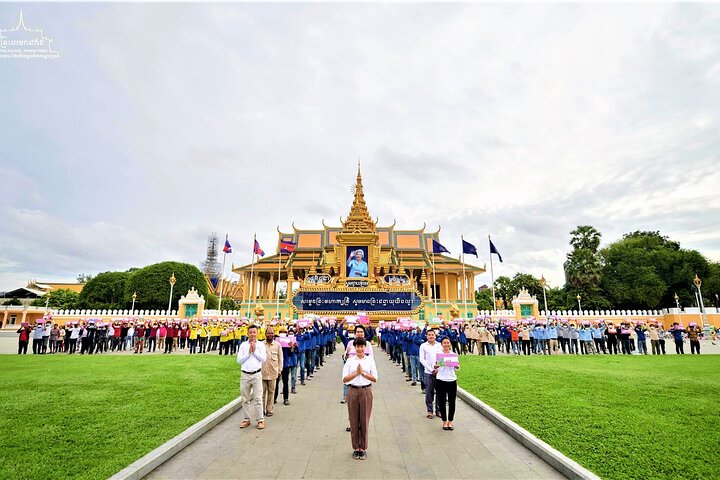
Phnom Penh Full Day Private Tour Included All Admission Tickets

Ultimate Phnom Penh Food Tour by Tuk Tuk: 20 Tastings and Drinks

Visit 11 Places in One Day including S21 & Killing Field

Phnom Penh Hidden Market, Breakfasts & Street Art by Tuk Tuk

A Full Day Tour for Royal Palace S21 Killing Fields and More

City Highlights and the Killing Fields Day Tour

Evening Cambodian Food Tour

Visit 9 Places in 3 Hours by Khmer Traditional Tuk-Tuk

Phnom Penh Authentic Evening Food Tour 100% By Local


 Best Backpacking
.jpg) Hi, I’m Johan (Netherlands 🇳🇱), the creator of TakeYourBackpack. Over the past decade, I’ve backpacked through 80+ countries across six continents, gaining extensive experience with independent travel, long-term trips, and overland routes.
Hi, I’m Johan (Netherlands 🇳🇱), the creator of TakeYourBackpack. Over the past decade, I’ve backpacked through 80+ countries across six continents, gaining extensive experience with independent travel, long-term trips, and overland routes.