×
Long Range Traverse

Canada🇨🇦 | hikesLong Range TraverseTrackless wilderness, high plateaus, caribou habitat | things to do and best time to go

Explore Juan de Fuca TrailExplore Plain of Six Glaciers Trail

Backpacking in Long Range Traverse
🌟 Highlighthike ranked #5
By Johan Kruseman 🇳🇱 | Updated June 4, 2026

Most people only realize on day two that the real advantage of the Long Range Traverse is the permit system: the strict quota means you get world-class wilderness without the human traffic jam you find on other “famous” Canadian trails. The route sits in Gros Morne National Park, on Newfoundland’s west coast, hanging above those fjord-like arms of Western Brook Pond. It’s short on paper—roughly 35 km—but it fights back with bogs, boulder fields, and constant micro‑navigation; you earn every ridge view. Scenery swings from cliff‑edge vistas over black water to caribou‑grazed tundra and wind that tries to steal your hat. Getting there with public transport is awkward and slow compared with Rockies classics like the Skyline or Berg Lake, but that’s why it feels wilder. I remember finishing, soaked and scratched, and that first gas‑station coffee tasted like victory.

Discover everything you want to know in the 📖 Canada Travel Guide.
Best time to go: June - September
Duration: 6 to 10 days
Distance: 35 kilometers
Total ascent: 1,200 meters


Get your Canada guide
133 ranked highlights, routes & tips, works offline (518 pages)
Loading the map 🌍
CLICK TO FILTER
cities
towns
villages
landmarks
national parks
hikes
beaches
attractions
festivals
regions
SHOW COUNTRY’S BESTSHOW ALL

✨ Why go?
Ranked #5 hike in Canada
The unique appeal for travelers

The Long Range Traverse in Canada is a magnet for backpackers craving a mix of challenge and reward. The scenery-to-effort ratio is off the charts; you’ll sweat through rugged terrain only to be greeted by jaw-dropping vistas that stretch for miles. Access is a breeze with public transport options getting you close to the trailhead, making it easy to dive into the adventure without breaking the bank.

You can tailor your journey with flexible distances, whether you want a quick weekend or a week-long trek. This hike seamlessly fits into a longer backpacking route, allowing you to explore more of the stunning Gros Morne National Park. Each step is a dance between grit and glory, culminating in that first cold beer at the end of the day, savoring the triumph of your efforts.
Want to include Long Range Traverse in your Canada route?
Create a personalized Canada itinerary that includes Long Range Traverse and the places that fit your trip — based on your travel style, budget, and available time. Get your route in seconds.

Generate my trip

💡 HighlightsTop highlights of Long Range Traverse

  1. Alpine ridgelines with ocean-to-mountain panoramas: Long, exposed ridges that drop straight toward the Atlantic — you get 360° views of craggy peaks on one side and open sea on the other. It’s rare to have true alpine terrain this close to the ocean, so the scale and the constantly changing light make these summits feel cinematic. (Personal favorite — nothing beats watching fog roll in off the sea from a windswept high point.)
  2. The Tablelands and raw mantle rock: Striking orange-brown peridotite outcrops where you’re literally walking on exposed mantle material, not ordinary bedrock. Vegetation is stunted and almost alien-looking, which makes the landscape visually unique and a geology lesson you can stand on. Few hikes let you see tectonic processes so plainly.
  3. Deep fjords and sheer coastal
read more 👉
  1. Alpine ridgelines with ocean-to-mountain panoramas: Long, exposed ridges that drop straight toward the Atlantic — you get 360° views of craggy peaks on one side and open sea on the other. It’s rare to have true alpine terrain this close to the ocean, so the scale and the constantly changing light make these summits feel cinematic. (Personal favorite — nothing beats watching fog roll in off the sea from a windswept high point.)
  2. The Tablelands and raw mantle rock: Striking orange-brown peridotite outcrops where you’re literally walking on exposed mantle material, not ordinary bedrock. Vegetation is stunted and almost alien-looking, which makes the landscape visually unique and a geology lesson you can stand on. Few hikes let you see tectonic processes so plainly.
  3. Deep fjords and sheer coastal cliffs: Glacially carved inlets (think narrow, steep-walled fjords) and high cliffs that plunge toward deep water — dramatic vertical relief you don’t expect on an island. The juxtaposition of inland ridges and fjords gives photo-worthy viewpoints and shows how glaciation sculpted the whole area.
  4. Arctic-alpine flora and surprising wildlife: Short summers bring carpets of wildflowers, hardy arctic plants, and thick lichen on the barrens; watch for ptarmigan, arctic hare, and the occasional caribou. The species mix is more tundra than typical temperate forest, so the ecology feels distinctly northern even though you’re not in the high Arctic.
  5. Remoteness, route-finding and pure backcountry vibe: Much of the traverse is unmarked, exposed, and weather-dependent — that means real navigation, self-sufficiency, and long stretches without other hikers. If you want a trail that feels like an expedition rather than a stroll, this one stands out from more beaten paths for the solitude and the raw, uncivilized challenge.
Spotted a mistake or missing something? Contact us.

🌤️ When to go?Weather, crowds, and seasonal trade-offs


  • Weather: The Long Range Traverse demands dry trails and stable skies. July through early September offers the best window—expect mostly clear days, though sudden mountain storms can still crash the party.

  • Temperature: Summer highs hover around 15-20°C (59-68°F), perfect for sweating without overheating. Nights dip to 5-10°C (41-50°F), so pack layers to dodge chills that sneak up after sunset.

  • Daylight Hours: Long summer days stretch up to 16 hours of light, giving you ample time to cover ground without rushing. Early starts and late finishes become your allies, not chores.

  • Crowds: Peak season means more hikers, but the Long Range Traverse’s rugged reputation keeps crowds manageable. Early July or late August can offer quieter trails without sacrificing weather.

  • Seasonal Activities:
read more 👉

  • Weather: The Long Range Traverse demands dry trails and stable skies. July through early September offers the best window—expect mostly clear days, though sudden mountain storms can still crash the party.

  • Temperature: Summer highs hover around 15-20°C (59-68°F), perfect for sweating without overheating. Nights dip to 5-10°C (41-50°F), so pack layers to dodge chills that sneak up after sunset.

  • Daylight Hours: Long summer days stretch up to 16 hours of light, giving you ample time to cover ground without rushing. Early starts and late finishes become your allies, not chores.

  • Crowds: Peak season means more hikers, but the Long Range Traverse’s rugged reputation keeps crowds manageable. Early July or late August can offer quieter trails without sacrificing weather.

  • Seasonal Activities: Summer opens up fishing, berry picking, and wildlife spotting. Fall colors start mid-September but bring colder temps and shorter days, turning the trek into a brisk, solitary affair.

  • Price Fluctuations: Gear rentals and local services peak in summer, so book early to lock in rates. Shoulder seasons may offer deals but brace for limited access and unpredictable trail conditions.


Pro-tip: Aim for late July—trail conditions have settled, bugs are manageable, and you’ll catch the traverse in full stride before the early fall chill sets in.


source: climatestotravel.comJANJanuary: below average for travelingFEBFebruary: below average for travelingMARMarch: below average for travelingAPRApril: fair for travelingMAYMay: fair for travelingJUNJune: good for travelingJULJuly: excellent for travelingAUGAugust: highly recommended for travelingSEPSeptember: good for travelingOCTOctober: fair for travelingNOVNovember: below average for travelingDECDecember: below average for traveling
Canada - the Long Range Traverse

✈️ The backpacker research shortcutCanada Travel Guide

An offline-friendly backpacking guide with optimized travel routes, ranked highlights, transport advice, and the best areas to stay.
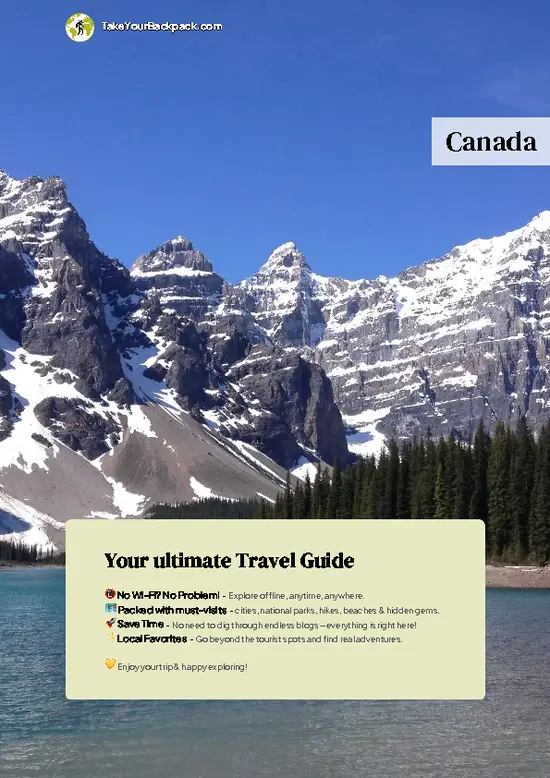
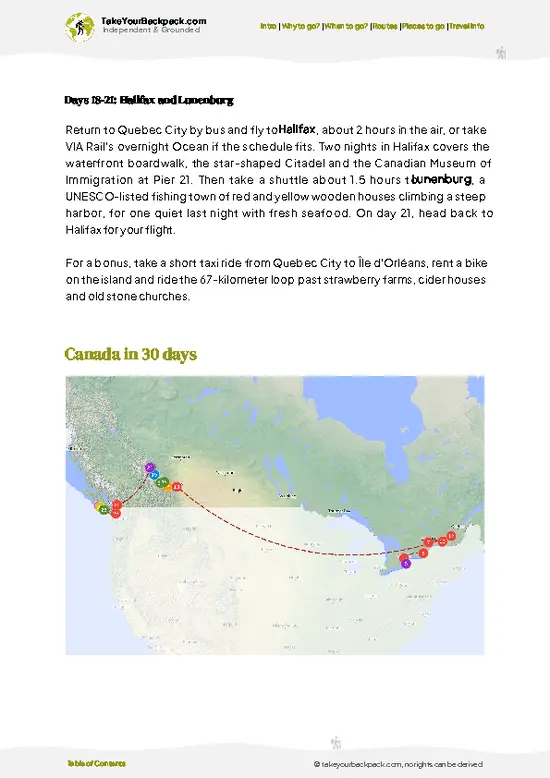
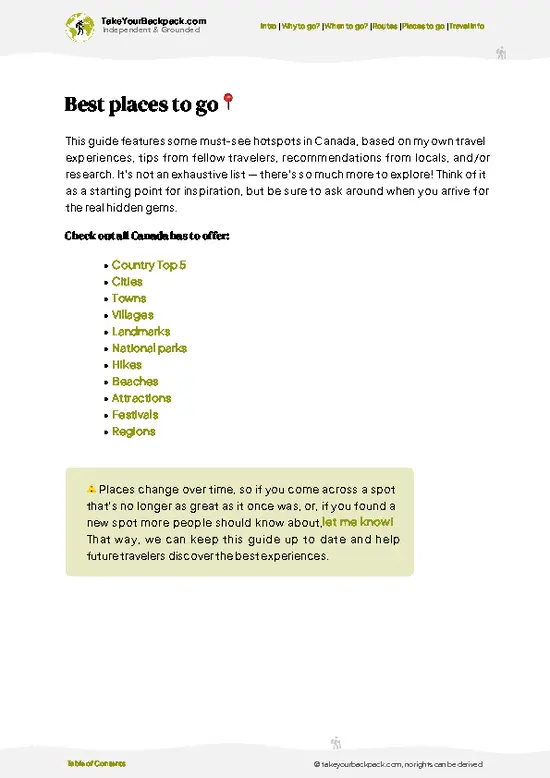
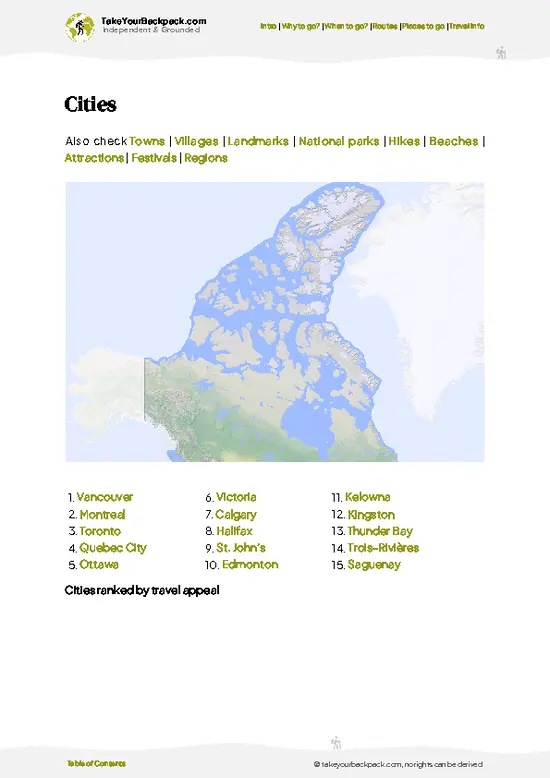
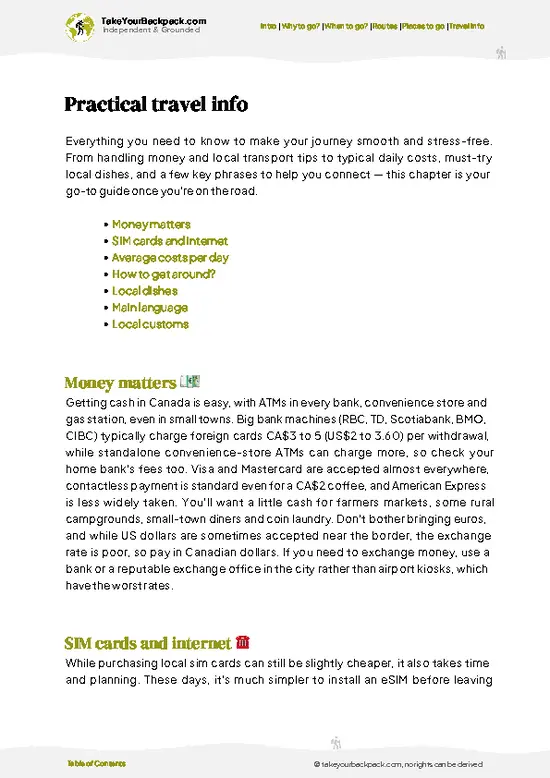
example page 0 from our offline Travel Guide for Canada
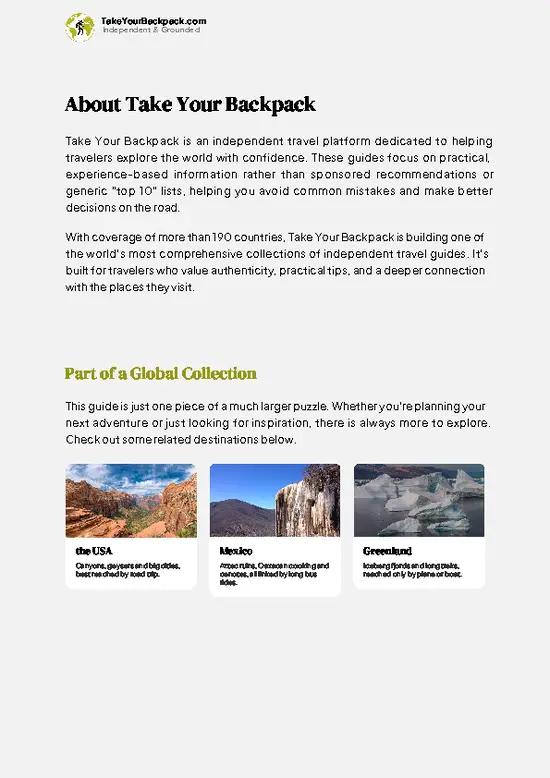
example page 1 from our offline Travel Guide for Canada
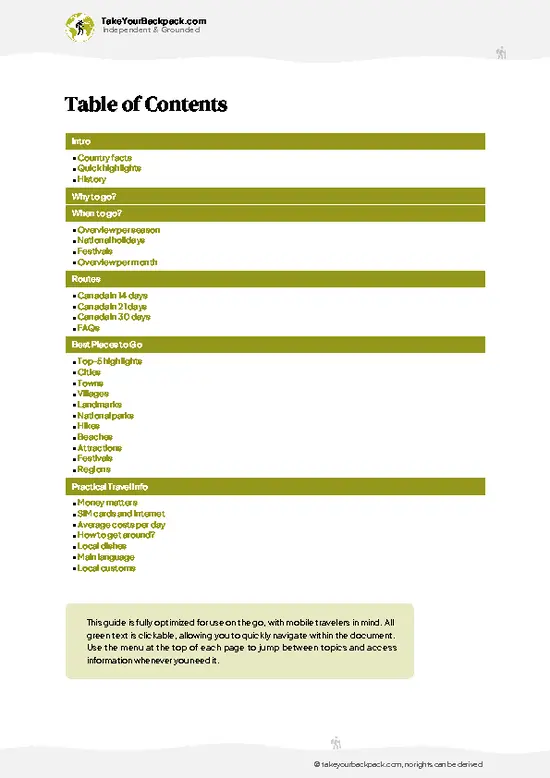
example page 2 from our offline Travel Guide for Canada
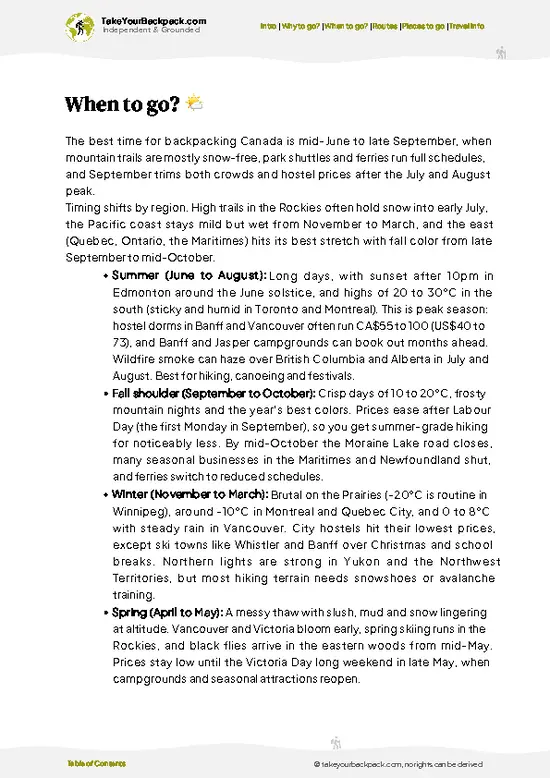
example page 3 from our offline Travel Guide for Canada
example page 4 from our offline Travel Guide for Canada
example page 5 from our offline Travel Guide for Canada
example page 6 from our offline Travel Guide for Canada
example page 7 from our offline Travel Guide for Canada
The digital guide (518 pages) contains:
133 highlights, ranked by travel appeal
Optimized 14, 21 & 30-day travel routes
Cities, national parks, landmarks, beaches
How to get around
Offline-friendly for travel without Wi-Fi
👉 Click to see all 30+ guide features

📅 Plan smarter in minutes, not weeks
Month by month travel advice
Festivals & national holidays
Budget expectations

🗺️ Go to the right places, skip the overrated ones
Honest pros & cons of destinations
Top hikes, parks & viewpoints
Lesser-known places most travelers miss
Clear “worth it vs skip it” guidance

🛏️ Travel smoothly without rookie mistakes
Best areas to stay
Transport systems explained simply
Common scams & safety advice
SIM cards, money & practical tips

🌍 Understand the country, not just visit it
Culture & traditions
Local customs
Festivals worth planning around
Traveler-friendly historical context
Insights that make places more meaningful

📱 Built for real travel conditions
Fully downloadable PDF
Works completely offline
Optimized for phone use
Useful in remote areas & buses
Everything in one place
Save weeks of stressful planning
Get instant access to your full guide. 30‑day money-back guarantee.


By proceeding you agree to our terms.
Sent to your inbox immediately after payment • 100% Secure Checkout
Best Backpacking Travel Advisor 2025 tourism awardBest Backpacking
Travel Advisor
2025
What others say about Take Your Backpack Guides:
⭐⭐⭐⭐⭐
Fantastic, amazing amount of information!
⭐⭐⭐⭐⭐
My goodness this is amazing, it's what I've been looking for hats off too you!
⭐⭐⭐⭐⭐
I think this is absolutely BRILLIANT
⭐⭐⭐⭐
Very complete and informative. It's still missing places, but I gotta to commend you
⭐⭐⭐⭐⭐
This is truly amazing, thank you, can't wait to explore it with my kids!
⭐⭐⭐⭐⭐
Awesome resource, thank you!
⭐⭐⭐⭐⭐
This is amazing! Can't wait to explore the ones I haven't seen
⭐⭐⭐⭐
I love this! Well done, great idea.
⭐⭐⭐⭐⭐
Thanks for taking the time to make this gem!
⭐⭐⭐⭐⭐
This might be the best website I've ever seen.
⭐⭐⭐⭐⭐
Congratulations, and thank you so much for your work; it's incredibly valuable.
⭐⭐⭐⭐
In all seriousness I think you did a great job pointing out the important spots
⭐⭐⭐⭐⭐
10/10 very good
⭐⭐⭐⭐⭐
As someone who's only just starting to visit regularly this is awesome, thank you.
⭐⭐⭐⭐
Thank you very much! I'm going to visit my dad, it's going to be very useful!
⭐⭐⭐⭐⭐
This is really cool! We'll be travelling for the first time and this definitely come in handy.
⭐⭐⭐⭐⭐
You are now our minister of culture, congratulations 👨‍💼
⭐⭐⭐⭐⭐
Just wanted to tell you that this is a pearl! Going to follow your recommendations.
⭐⭐⭐⭐⭐
This is so cool. I'll definitely be using the resource for my travels soon.
⭐⭐⭐⭐⭐
This is very impressive! Good work.
⭐⭐⭐⭐⭐
This is an amazing and informative site. Very well done!

🛏️ Where to stay?Best areas to stay in Canada

If you enjoy meeting fellow travelers, consider choosing hostels with high ratings for atmosphere. On the other hand, if you prefer having your own space, a hotel might be a better option.

🥾 Hike detailsTrail overview: what to expect on the hike

Total Distance: Approximately 30 kilometers (18.6 miles) one way, depending on your chosen route and any side trails you might explore.

Estimated Duration: Typically takes about 3 to 5 days to complete, depending on your pace and how much time you spend enjoying the views or taking breaks.

Difficulty Level: It’s considered a challenging trail. Expect rugged terrain, steep ascents, and some scrambling, so a good level of fitness and hiking experience is recommended.

Starting Point: The trail begins at the Gros Morne National Park visitor center. To get there by public transport, you can take … read more 👉
Total Distance: Approximately 30 kilometers (18.6 miles) one way, depending on your chosen route and any side trails you might explore.

Estimated Duration: Typically takes about 3 to 5 days to complete, depending on your pace and how much time you spend enjoying the views or taking breaks.

Difficulty Level: It’s considered a challenging trail. Expect rugged terrain, steep ascents, and some scrambling, so a good level of fitness and hiking experience is recommended.

Starting Point: The trail begins at the Gros Morne National Park visitor center. To get there by public transport, you can take a bus from Corner Brook to Rocky Harbour, which is the nearest town. From Rocky Harbour, it’s about a 30-minute taxi ride to the visitor center.

Major Landmarks:
  • Gros Morne Mountain: The highest peak in the park, offering breathtaking views if you decide to take a side trip.
  • Tablelands: Unique geological formations with exposed rock that looks like a moonscape.
  • Green Gardens: A stunning coastal area with sea stacks and cliffs, perfect for a detour.

Type of Terrain and Scenery: The trail features a mix of rocky paths, alpine meadows, and some boggy sections. You’ll traverse through dense forests, open ridges, and along dramatic coastlines. The scenery is absolutely stunning, with views of fjords, mountains, and the Atlantic Ocean.

Typical Vegetation: Expect to see a variety of plant life, including stunted conifers, wildflowers, and mosses. In the lower elevations, you’ll find dense forests of spruce and fir.

Wildlife: Keep your eyes peeled for moose, caribou, and various bird species like the peregrine falcon. If you’re lucky, you might even spot a bald eagle soaring overhead.
⚠️ Hiking info can sometimes be outdated or inaccurate. Before you hit the trail, check the latest conditions with locals. If you do spot anything that's off, I'd love to hear from you, so I can update it for fellow travelers.

🛡️ SafetySafety Tips and Common Scams in Long Range Traverse

The Long Range Traverse is a stunning challenge, but it demands respect. Weather can shift fast; sunny skies can morph into rain or snow. Dress in layers and pack a reliable rain jacket. The terrain varies—some sections are steep and rocky, so good footwear is essential. Navigation can be tricky; a map and compass are your best friends.

Wildlife encounters are possible, especially with moose or bears. Keep a respectful distance and make noise to avoid surprises. Timing is crucial; summer offers the best conditions, but be prepared for sudden changes. Stay aware, pace yourself, and savor the journey—every step leads to breathtaking views and that well-earned cold beer at the end.

Other Canadian hikes near Long Range Traverse

Explore more nearby:


💡 Not sure where to go next?
Create a personalized itinerary for Canada including Long Range Traverse and the places that fit your trip.

Generate my itinerary

👉 Discover all hikes

Or checkout all Canada has to offer (think cities, towns, villages, national parks, hikes, beaches, festivals)
Country photo of Canada

We 💚 feedbackSumming up the experience

The Long Range Traverse is a wild symphony of rugged peaks and sweeping valleys that’ll make your heart race. But be ready for the weather; it can turn on a dime, so pack smart. The payoff? That moment you crest a ridge and see the untouched beauty stretching endlessly before you—pure magic.

✈️ When did I visit Canada?
As part of my 1.5 year travel around the world trip, I visited Canada in 2016.

✍️ Help improve this page!
The information on this page is based on my own backpacking experience in Canada, supplemented with up-to-date research and feedback from other travelers. Travel details can change, so if you notice anything outdated or incomplete, feel free to let me know.


🙋‍♂️ Give feedback

👋 Meet the founderWho’s Behind Take Your Backpack?

Johan, backpacker and founder of TakeYourBackpackHi, I’m Johan (Netherlands 🇳🇱), the creator of TakeYourBackpack. Over the past decade, I’ve backpacked through 80+ countries across six continents, gaining extensive experience with independent travel, long-term trips, and overland routes.

This site is built on a combination of firsthand travel experience and carefully curated insights from other backpackers. Many guides are based on places I’ve personally visited, while others bring together tips, observations, and practical advice shared by trusted travelers I’ve met along the way.

The goal is to provide realistic, experience-driven guidance — not generic itineraries — so you can explore destinations with better context, clearer expectations, and more confidence.

Get full Canada guide •
Instant download • 133 highlights • Full Offline guide