×

Canada🇨🇦 | national parksCape Breton Highlands National ParkCabot Trail, Skyline boardwalk, moose bogs, Ingonish beach | things to do and best time to go

Explore Banff National ParkExplore Dinosaur Provincial Park

Backpacking in Cape Breton Highlands
👍 Recommendednational park ranked #15
By Johan Kruseman 🇳🇱 | Updated October 20, 2026

“Take the chowder, skip the fancy stuff,” the woman at the counter in Ingonish told me, sliding over a bowl that smelled of butter and sea salt. Cape Breton Highlands National Park sits in the north of Nova Scotia, Canada, and her advice fits the whole place. The Cabot Trail hugs cliffs above the Gulf of St. Lawrence, moose graze roadside bogs, and trails climb to spruce-scented plateaus. Fill your tank before you enter, since stations are scarce, and start early in July and August, when viewpoints fill and cell signal vanishes. The road is slow, and the gulls are loud over Neil’s Harbour.

Discover everything you want to know in the 📖 Canada Travel Guide.


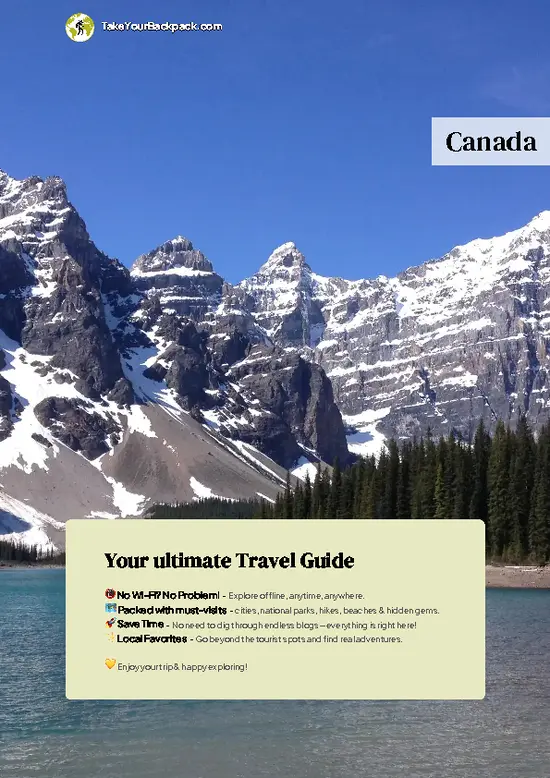
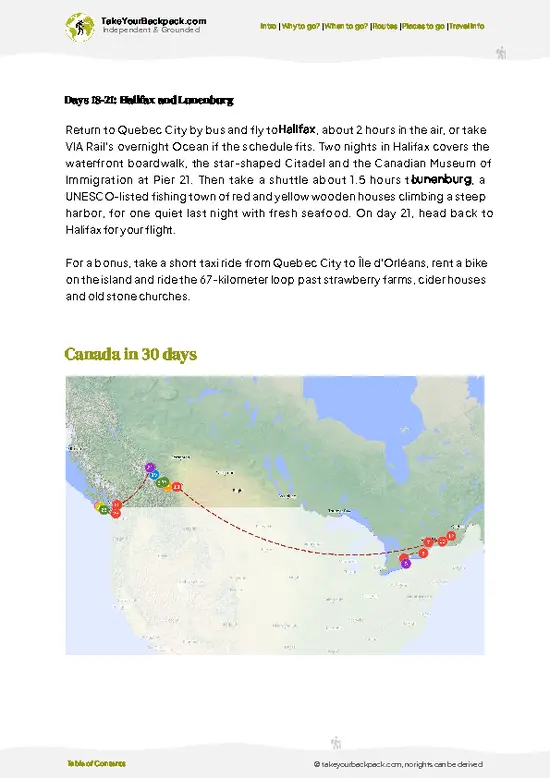
example page 0 from our offline Travel Guide for Canada
example page 1 from our offline Travel Guide for Canada
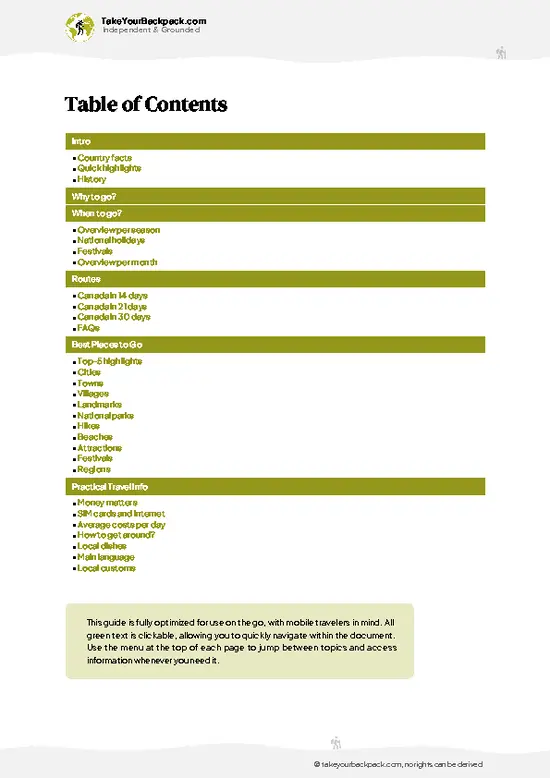
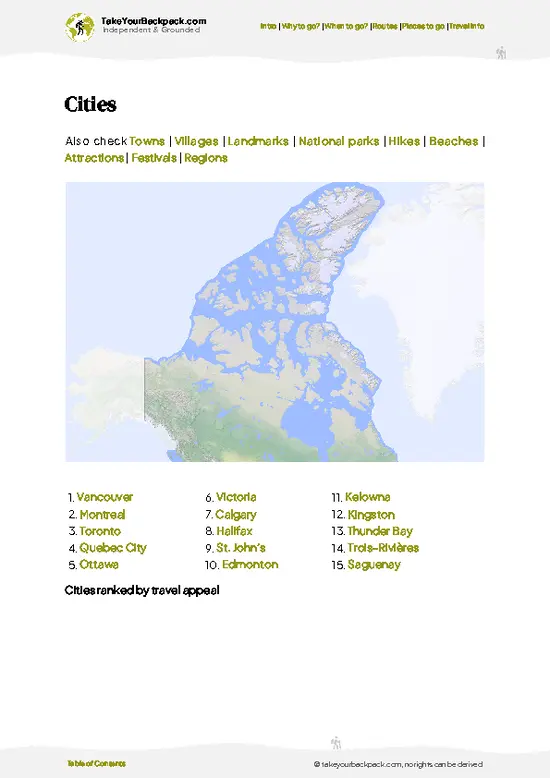
example page 2 from our offline Travel Guide for Canada
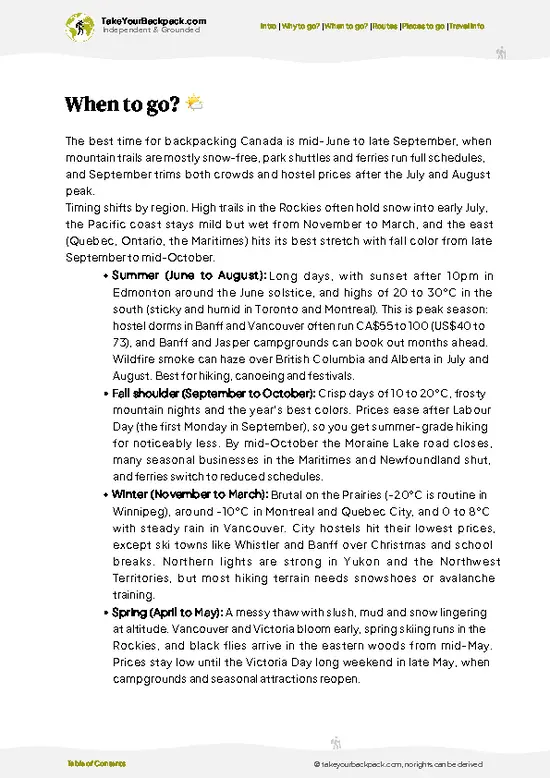
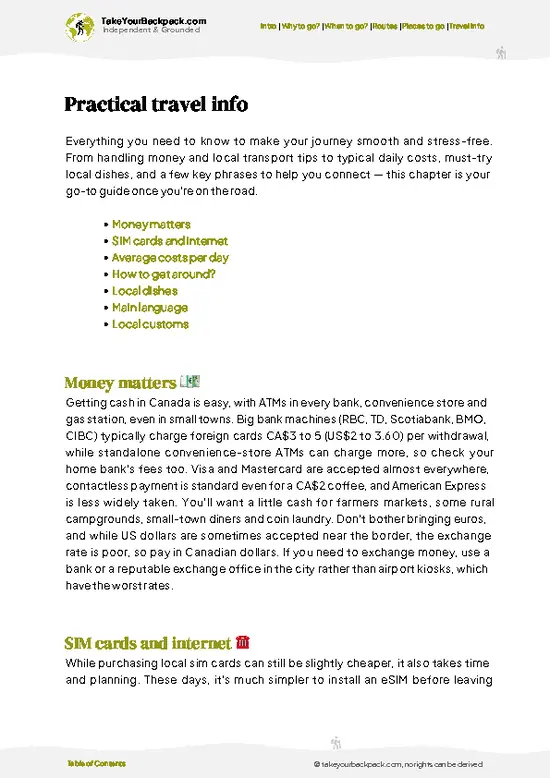
example page 3 from our offline Travel Guide for Canada
example page 4 from our offline Travel Guide for Canada
example page 5 from our offline Travel Guide for Canada
example page 6 from our offline Travel Guide for Canada
example page 7 from our offline Travel Guide for Canada
Loading the map 🌍
CLICK TO FILTER
cities
towns
villages
landmarks
national parks
hikes
beaches
attractions
festivals
regions
SHOW COUNTRY’S BESTSHOW ALL

✨ Why go?
Ranked #15 national park in Canada
What sets this place apart

Cape Breton Highlands National Park suits you if you like building your own days around a single road and a handful of excellent trails. The Cabot Trail loops the park's coastline and highlands, so you can hike a headland in the morning, swim at a beach in the afternoon and sleep at a campground by dark. Trail variety is the real draw, from the Skyline Trail boardwalk above the sea to the quiet, mossy Acadian Trail valley walks. No tour is needed, though a car or bike gives you freedom. Wildlife is part of the plan: moose, bald eagles and sometimes black bears share the same corridors you walk.

💡 HighlightsWhat this place is best known for

  1. Skyline Trail: The park’s best-known walk ends at a headland boardwalk over the Gulf of St. Lawrence, with moose often seen at dawn and dusk.
  2. Cabot Trail Drive: The famous road switchbacks along ocean cliffs and over highland plateaus, with pullouts at nearly every bend.
  3. French Mountain and MacKenzie Mountain Lookoffs: Roadside viewpoints give wide ocean and highland vistas with no hiking needed.
  4. Middle Head Trail: A narrow peninsula near Ingonish with water on both sides, seabirds overhead and an easy footpath.
  5. Franey Trail: A steady climb to a lookout above the Clyburn Valley and the Atlantic, rewarding on clear days.
  6. Ingonish Beach: A rare spot with both a saltwater beach and a freshwater lake, good for a cold, bracing swim.
  7. Benjies Lake Trail: A quiet path through boggy barrens and forest, where
… read more 👉
  1. Skyline Trail: The park’s best-known walk ends at a headland boardwalk over the Gulf of St. Lawrence, with moose often seen at dawn and dusk.
  2. Cabot Trail Drive: The famous road switchbacks along ocean cliffs and over highland plateaus, with pullouts at nearly every bend.
  3. French Mountain and MacKenzie Mountain Lookoffs: Roadside viewpoints give wide ocean and highland vistas with no hiking needed.
  4. Middle Head Trail: A narrow peninsula near Ingonish with water on both sides, seabirds overhead and an easy footpath.
  5. Franey Trail: A steady climb to a lookout above the Clyburn Valley and the Atlantic, rewarding on clear days.
  6. Ingonish Beach: A rare spot with both a saltwater beach and a freshwater lake, good for a cold, bracing swim.
  7. Benjies Lake Trail: A quiet path through boggy barrens and forest, where moose tracks are common and other hikers are few.
All of this fits into two or three days if you pick a few hikes and drive the park road at an unhurried pace.
Spotted a mistake or missing something? Contact us.

Things to do near Cape Breton Highlands National Park

Ratings based on Tripadvisor reviews. When you book through this link, you support our work at no extra cost to you.

🌤️ When to go?When to go for the best experience

  • Summer (July to August): Highs run 20 to 24°C (68 to 75°F), with long daylight and the warmest ocean on the Cabot Trail side. Campgrounds fill and rates peak.
  • Early autumn (mid-September to mid-October): Days of 10 to 17°C (50 to 63°F), crisp nights near freezing and the best foliage, peaking around the first two weeks of October. Crowds thin, though some services close after Thanksgiving.
  • Spring (May to June): Highs of 8 to 18°C (46 to 64°F), fog, blackflies and snow patches on the plateau. Cheap, quiet, and whales return.
  • Winter (November to April): Highs of -6 to 3°C (21 to 37°F), short days, and most facilities shut.
Book campsites early for the first two weeks of October if you want the colors.

source: climatestotravel.comJANJanuary: below average for travelingFEBFebruary: below average for travelingMARMarch: fair for travelingAPRApril: good for travelingMAYMay: good for travelingJUNJune: highly recommended for travelingJULJuly: good for travelingAUGAugust: good for travelingSEPSeptember: highly recommended for travelingOCTOctober: good for travelingNOVNovember: fair for travelingDECDecember: below average for traveling
canada-national-park-cape-breton-highlands-national-park
© Google | Mike Corrigan

✈️ The backpacker research shortcutCanada Travel Guide

An offline-friendly backpacking guide with optimized travel routes, ranked highlights, transport advice, and the best areas to stay.
example page 0 from our offline Travel Guide for Canada
example page 1 from our offline Travel Guide for Canada
example page 2 from our offline Travel Guide for Canada
example page 3 from our offline Travel Guide for Canada
example page 4 from our offline Travel Guide for Canada
example page 5 from our offline Travel Guide for Canada
example page 6 from our offline Travel Guide for Canada
example page 7 from our offline Travel Guide for Canada
The digital guide (385 pages) contains:
✅ 128 highlights, ranked by travel appeal
✅ Optimized 14, 21 & 30-day travel routes
✅ Cities, national parks, landmarks, beaches
✅ How to get around
✅ Offline-friendly for travel without Wi-Fi
👉 Click to see all 30+ guide features

📅 Plan smarter in minutes, not weeks
✅ Month by month travel advice
✅ Festivals & national holidays
✅ Budget expectations

🗺️ Go to the right places, skip the overrated ones
✅ Honest pros & cons of destinations
✅ Top hikes, parks & viewpoints
✅ Lesser-known places most travelers miss
✅ Clear “worth it vs skip it” guidance

🛏️ Travel smoothly without rookie mistakes
✅ Best areas to stay
✅ Transport systems explained simply
✅ Common scams & safety advice
✅ SIM cards, money & practical tips

🌍 Understand the country, not just visit it
✅ Culture & traditions
✅ Local customs
✅ Festivals worth planning around
✅ Traveler-friendly historical context
✅ Insights that make places more meaningful

📱 Built for real travel conditions
✅ Fully downloadable PDF
✅ Works completely offline
✅ Optimized for phone use
✅ Useful in remote areas & buses
✅ Everything in one place
Stop searching, start planning
Get instant access to your full guide. 30‑day money-back guarantee.
+ Add another guide for just

By proceeding you agree to our terms.
Sent to your inbox immediately after payment • 100% Secure Checkout
Best Backpacking Travel Advisor 2025 tourism awardBest Backpacking
Travel Advisor
2025
What others say about Take Your Backpack Guides:
⭐⭐⭐⭐⭐
Fantastic, amazing amount of information!
⭐⭐⭐⭐⭐
My goodness this is amazing, it's what I've been looking for hats off too you!
⭐⭐⭐⭐⭐
I think this is absolutely BRILLIANT
⭐⭐⭐⭐
Very complete and informative. It's still missing places, but I gotta to commend you
⭐⭐⭐⭐⭐
This is truly amazing, thank you, can't wait to explore it with my kids!
⭐⭐⭐⭐⭐
Awesome resource, thank you!
⭐⭐⭐⭐⭐
This is amazing! Can't wait to explore the ones I haven't seen
⭐⭐⭐⭐
I love this! Well done, great idea.
⭐⭐⭐⭐⭐
Thanks for taking the time to make this gem!
⭐⭐⭐⭐⭐
This might be the best website I've ever seen.
⭐⭐⭐⭐⭐
Congratulations, and thank you so much for your work; it's incredibly valuable.
⭐⭐⭐⭐
In all seriousness I think you did a great job pointing out the important spots
⭐⭐⭐⭐⭐
10/10 very good
⭐⭐⭐⭐⭐
As someone who's only just starting to visit regularly this is awesome, thank you.
⭐⭐⭐⭐
Thank you very much! I'm going to visit my dad, it's going to be very useful!
⭐⭐⭐⭐⭐
This is really cool! We'll be travelling for the first time and this definitely come in handy.
⭐⭐⭐⭐⭐
You are now our minister of culture, congratulations 👨‍💼
⭐⭐⭐⭐⭐
Just wanted to tell you that this is a pearl! Going to follow your recommendations.
⭐⭐⭐⭐⭐
This is so cool. I'll definitely be using the resource for my travels soon.
⭐⭐⭐⭐⭐
This is very impressive! Good work.
⭐⭐⭐⭐⭐
This is an amazing and informative site. Very well done!

🛏️ Where to stay?Best areas and accommodation options

Cape Breton Highlands National Park has eight campgrounds inside, and Chéticamp and Ingonish are the towns on either side. Chéticamp Campground and Broad Cove, Ingonish Beach and Corney Brook are the main roadside options, with Reservation system bookings opening months ahead for summer. Backcountry sites such as Fishing Cove need a permit and a steep hike down. For rooms, Chéticamp has hostels, B&Bs and small motels near the Acadian waterfront. Ingonish has cottages, motels and a few inns along the bay, plus the pricey Keltic Lodge. Cape Breton Highlands is a long drive from other bases, so stay … read more 👉
Cape Breton Highlands National Park has eight campgrounds inside, and Chéticamp and Ingonish are the towns on either side. Chéticamp Campground and Broad Cove, Ingonish Beach and Corney Brook are the main roadside options, with Reservation system bookings opening months ahead for summer. Backcountry sites such as Fishing Cove need a permit and a steep hike down. For rooms, Chéticamp has hostels, B&Bs and small motels near the Acadian waterfront. Ingonish has cottages, motels and a few inns along the bay, plus the pricey Keltic Lodge. Cape Breton Highlands is a long drive from other bases, so stay on the park’s west or east side rather than commuting from Baddeck or Sydney.

👛 Costs (as of 20 October 2026)Money, prices, and spending tips

Cape Breton Highlands National Park costs roughly US$85 to 130 per day for a backpacker who camps and cooks some meals. Prices are paid in Canadian dollars.
CategoryBudget RangeLocal Reality
Park entryUS$6 to 8Daily adult pass; kids free. Multi-day and Parks Canada Discovery Pass options exist.
CampingUS$22 to 35Serviced sites cost more; backcountry sites such as Fishing Cove cost a few dollars more plus reservation fees.
Hostel or motel (high season)US$40 to 95Chéticamp and Ingonish; a dorm bed is rare, so rooms start higher.
Food and suppliesUS$25 to 40Groceries in Chéticamp or Ingonish; a café meal runs US$12 to 20.
Local transportUS$15 to 30No public transit; fuel for a rental car or shared rides.
Total Daily BudgetUS$85 to 130Per person, per day, in high season.


source: parks.canada.ca
⚠️ Prices can change and everyone travels differently, so take this as a rough guide. Hope it helps you plan your adventure!

🥾 TrailsTrail guide for Cape Breton Highlands national park

Cape Breton Highlands National Park has some twenty-six marked trails, mostly short to moderate, running from the coast to the highland barrens. Terrain shifts from boardwalk and gravel to steep, rooty forest, and the weather shifts quickly with it.
  • Skyline Trail: About 7 km round trip, 2 to 2.5 hours, easy to moderate. Gentle grade to a headland boardwalk with long ocean views and frequent moose.
  • Franey Trail: About 8 km loop, 3 to 4 hours, moderate to hard. Steep climb through forest to a lookout high above the Clyburn River valley.
  • Middle Head Trail: About 3.5 km round trip, 1.5 hours, easy. Narrow
… read more 👉
Cape Breton Highlands National Park has some twenty-six marked trails, mostly short to moderate, running from the coast to the highland barrens. Terrain shifts from boardwalk and gravel to steep, rooty forest, and the weather shifts quickly with it.
  • Skyline Trail: About 7 km round trip, 2 to 2.5 hours, easy to moderate. Gentle grade to a headland boardwalk with long ocean views and frequent moose.
  • Franey Trail: About 8 km loop, 3 to 4 hours, moderate to hard. Steep climb through forest to a lookout high above the Clyburn River valley.
  • Middle Head Trail: About 3.5 km round trip, 1.5 hours, easy. Narrow peninsula with cliffs, seabirds and surf below.
  • Acadian Trail: About 8.5 km loop, 3 to 4 hours, hard. Steep climb into old-growth Acadian forest above a river valley.
  • Benjies Lake Trail: About 3 km one way, 1.5 hours, easy. Boardwalk and path through bogs, good for spotting moose.
Public transport does not reach the park, so most people arrive by car, rental or bike along the Cabot Trail. Parking at popular trailheads fills by midday in summer, and a national park pass is required, payable at entry gates or visitor centres.
⚠️ Hiking info can sometimes be outdated or inaccurate. Before you hit the trail, check the latest conditions with locals. If you do spot anything that's off, I'd love to hear from you, so I can update it for fellow travelers.

🛡️ SafetySafety Tips and Common Scams in Cape Breton Highlands

Cape Breton Highlands National Park is well managed, and most problems come from weather and underpreparation. Fog and wind hit the plateau and headlands fast, so carry a rain shell and warm layer even in July. Trails like Skyline and Franey are well marked, though Fishing Cove and the Lone Shieling area involve steep, muddy or rooty sections, so wear grippy shoes. Moose are common and black bears live here; keep 100 meters from bears, never feed anything, and store food in lockers or hang it. Coyotes appear near campgrounds. Check for ticks after hiking, and carry bug repellent in early summer. Cell coverage is patchy, so download maps.

FAQTraveler FAQ

Plan on 2 to 3 days for Cape Breton Highlands National Park. That covers the Cabot Trail section between Chéticamp and Ingonish (about 106 km) plus hikes like Skyline (about 2 hours) and Franey (about 2.5 hours). Add a night for Fishing Cove or a longer backcountry hike.
Visiting Cape Breton Highlands National Park without a car is hard, since no public transit runs along the Cabot Trail. Halifax is about 4.5 to 5 hours away by road, and the nearest practical bases are Chéticamp and Ingonish. Options are a rental car from Halifax or Sydney, a seasonal tour, or hitching and cycling, though hills are steep.
Cape Breton Highlands National Park charges a daily entry fee of roughly US$6 to 8 per adult, with kids free. Buy a pass at the gates or online, and display it in your vehicle. Backcountry camping needs a separate reservation, about US$10 to 15 extra, and fires are only allowed in designated spots.
⚠️ Things can change over time, so always validate details locally before you go.

Other Canadian national parks near Cape Breton Highlands

Explore more nearby:


💡 Not sure where to go next?
Create a personalized itinerary for Canada including Cape Breton Highlands and the places that fit your trip.

Generate my itinerary

👉 Discover all national parks

Or checkout all Canada has to offer (think cities, towns, villages, national parks, hikes, beaches, festivals)
Country photo of Canada

We 💚 feedbackWhat to keep in mind

Cape Breton Highlands National Park pairs well with Baddeck at the start and the Margaree Valley or Chéticamp on the loop’s west side. I would add a night in Ingonish and carry a rain shell. Fog can swallow views, so keep a spare morning.

✈️ When did I visit Canada?
As part of my 1.5 year travel around the world trip, I visited Canada in 2016.

✍️ Help improve this page!
The information on this page is based on my own backpacking experience in Canada, supplemented with up-to-date research and feedback from other travelers. Travel details can change, so if you notice anything outdated or incomplete, feel free to let me know.


🙋‍♂️ Give feedback

👋 Meet the founderWho’s Behind Take Your Backpack?

Johan, backpacker and founder of TakeYourBackpackHi, I’m Johan (Netherlands 🇳🇱), the creator of TakeYourBackpack. Over the past 3 decades, I’ve backpacked through 90+ countries across six continents, gaining extensive experience with independent travel, long-term trips, and overland routes.

This site is built on a combination of firsthand travel experience and carefully curated insights from other backpackers. Many guides are based on places I’ve personally visited, while others bring together tips, observations, and practical advice shared by trusted travelers I’ve met along the way.

The goal is to provide realistic, experience-driven guidance — not generic itineraries — so you can explore destinations with better context, clearer expectations, and more confidence.