×

Canada🇨🇦 | townsIqaluitArctic capital, tundra landscape, Inuit culture | things to do and best time to go

Explore SummersideExplore Inuvik

Backpacking in Iqaluit
👍 Recommendedtown ranked #16
By Johan Kruseman 🇳🇱 | Updated June 13, 2026

Your first real fork in Iqaluit is brutal but important: fly in just for a quick “checklist” stop, or commit a few slow, expensive days to actually feel the Arctic rhythm. That choice matters because every extra night drains your budget but multiplies your understanding. Iqaluit sits on Baffin Island in Nunavut, far northeast in Canada, where the light feels sideways and the air smells like cold metal and sea. As a backpacker destination, it’s less a town to “do” and more a frontier outpost to absorb. There’s no rail, no road in; you fly, then mostly walk or grab pricey taxis over gravel and hard-packed snow. It works best as a base for short forays onto the tundra, coastal walks, and cultural experiences like Inuit art co-ops and community events, not as a hop-on-hop-off stop between cities. Nights are quiet, with a couple of bars and cafés where you might meet researchers, local hunters, or the rare fellow backpacker, but don’t expect hostel common-room energy. Costs are high, safety is generally solid, and the mood is more practical and lived-in than scenic-showpiece, especially compared with more touristic Arctic gateways like Churchill or Reykjavik.

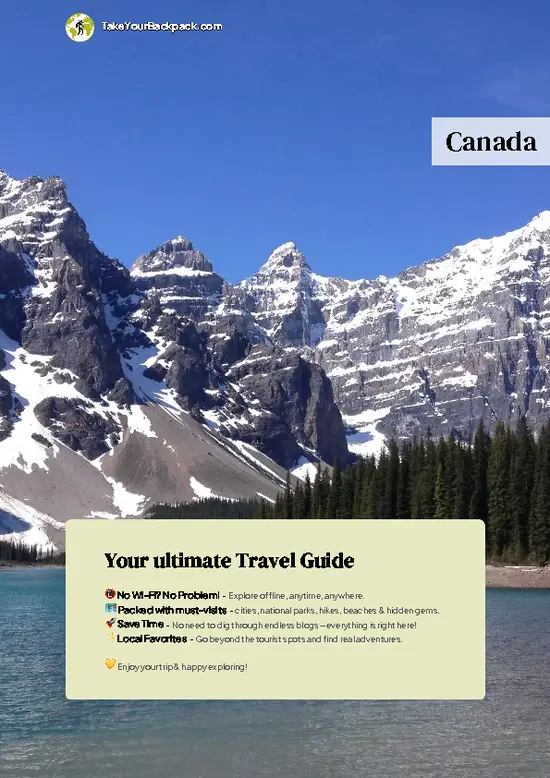
Discover everything you want to know in the 📖 Canada Travel Guide.


Get your Canada guide
131 ranked highlights, routes & tips, works offline (509 pages)
Loading the map 🌍
CLICK TO FILTER
cities
towns
villages
landmarks
national parks
hikes
beaches
attractions
festivals
regions
SHOW COUNTRY’S BESTSHOW ALL

✨ Why go?
Ranked #16 town in Canada
What makes this town worth visiting

Backpackers flock to Iqaluit for its unique blend of convenience and cultural richness. This town serves as a gateway to stunning hikes and the rugged beauty of the Arctic landscape. The walkable streets invite exploration, while small-scale hostels and guesthouses foster a friendly, communal vibe. Expect to linger a few days; the pace is relaxed, perfect for slow travelers and solo adventurers seeking connection. Local food experiences, like fresh seal meat or arctic char, add flavor to your stay. Iqaluit isn’t about nightlife; it’s about soaking in the authenticity of the North.
Want to include Iqaluit in your Canada route?
Create a personalized Canada itinerary that includes Iqaluit and the places that fit your trip — based on your travel style, budget, and available time. Get your route in seconds.

Generate my trip

💡 HighlightsPlaces and moments you shouldn't skip

  1. Nunatta Sunakkutaangit Museum — The go-to place for real Inuit history and objects: hunting gear, carving, clothing and community stories. Small but dense; the displays and knowledgeable staff connect you to local lifeways better than any guidebook paragraph.
  2. Legislative Assembly of Nunavut (the ”igloo” building) — Architecturally striking and politically important: you can see Inuit-designed elements, public art, and sometimes drop in when the legislature is sitting. It’s where modern Nunavut meets tradition.
  3. Unikkaarvik Visitor Centre — Good for maps, local trip advice and quick orientation, plus rotating displays and local art. For a short stay it’s the best one-stop to learn what’s happening and who to talk to.
  4. Sylvia Grinnell Territorial Park and Falls — A short trail from town into
read more 👉
  1. Nunatta Sunakkutaangit Museum — The go-to place for real Inuit history and objects: hunting gear, carving, clothing and community stories. Small but dense; the displays and knowledgeable staff connect you to local lifeways better than any guidebook paragraph.
  2. Legislative Assembly of Nunavut (the ”igloo” building) — Architecturally striking and politically important: you can see Inuit-designed elements, public art, and sometimes drop in when the legislature is sitting. It’s where modern Nunavut meets tradition.
  3. Unikkaarvik Visitor Centre — Good for maps, local trip advice and quick orientation, plus rotating displays and local art. For a short stay it’s the best one-stop to learn what’s happening and who to talk to.
  4. Sylvia Grinnell Territorial Park and Falls — A short trail from town into dramatic tundra, river pools and a small waterfall; great for birding, spotting freshwater Arctic char (in season) and getting a real feel for the landscape without a long drive.
  5. St. Jude’s Anglican Cathedral — A modest but moving place, with stained glass and memorials that reflect the town’s history and missionaries’ role. The building and cemetery give a human face to generations who lived here.
  6. Iqaluit Harbour and Waterfront — Watch the ebb and flow of boats, seals and shorebirds, walk out on the wharf and see rusting Arctic relics and modern supply barges side-by-side. It’s simple, photogenic, and tells you how the town actually operates.
  7. Nunavut Arctic College (campus displays) — Small galleries, student artwork and cultural programs make this a quiet place to meet artists, see textile and carving work in progress, and learn about local education initiatives.
  8. Local co-op galleries and craft shops — The best place to see and buy contemporary Inuit carvings, prints and clothing made by local artists. Prices and quality vary, but chatting with shop staff often leads to studio visits or introductions.
  9. Public art and inuksuit around town — Scattered sculptures, plaques and inuksuit (stone markers) capture stories and place-making. Walking the downtown streets and small parks to find them is low-effort and unexpectedly rewarding.
  10. Sled-dog teams and kennels (community spots) — Not a single big tourist operation, but you’ll find local kennels and seasonal teams around town; seeing dogs, meeting mushers and learning about sled culture is an authentic experience if you ask politely and arrange a visit.
A few close day-trip options: the tiny settlement of Apex (easy drive and my personal favorite for the viewpoint and old houses), boat trips to the small islands and bird colonies in Frobisher Bay, and the Sylvia Grinnell river area for longer hikes.
Spotted a mistake or missing something? Contact us.

🏘️ NeighborhoodsHow different areas shape the experience

Iqaluit, the capital of Nunavut, is a unique blend of Arctic culture and modern life. Here’s how to navigate its neighborhoods:

Downtown: The heart of Iqaluit, this area buzzes with local shops and eateries. It’s walkable, making it easy to explore. Expect a mix of nightlife and quiet spots. Perfect for short stays, you’ll find accommodations that fit various budgets.

Frobisher Bay: Offering stunning views, this neighborhood is quieter and more residential. It’s ideal for longer stays if you want to soak in the local vibe. Transport access is decent, but you’ll need to plan your outings.

Happy Valley: A bit further out, it’s a peaceful area with a strong community feel. Great for those seeking solitude or a longer retreat. Walkability is limited, so consider renting a bike or using local transport.

⌛️ 1 day1-day itinerary for Iqaluit

Iqaluit, the capital of Nunavut, is a place where the Arctic’s raw beauty meets a rich Indigenous culture. The air is crisp, and the landscape is a canvas of stark contrasts—endless tundra, vibrant murals, and the occasional curious seal popping up through the ice.

Start your morning at the Iqaluit Community Greenhouse. The scent of fresh herbs and vegetables is a surprising delight in this remote town. Grab a coffee at the nearby café and soak in the warmth of the community spirit.

In the afternoon, wander through the historic downtown. Visit the Nunatta Sunakkutaangit Museum to dive into local history. The exhibits are small but packed with stories that resonate deeply. If you’re feeling adventurous, trek to the nearby Apex, where the views of the bay are breathtaking, especially at low … read more 👉
Iqaluit, the capital of Nunavut, is a place where the Arctic’s raw beauty meets a rich Indigenous culture. The air is crisp, and the landscape is a canvas of stark contrasts—endless tundra, vibrant murals, and the occasional curious seal popping up through the ice.

Start your morning at the Iqaluit Community Greenhouse. The scent of fresh herbs and vegetables is a surprising delight in this remote town. Grab a coffee at the nearby café and soak in the warmth of the community spirit.

In the afternoon, wander through the historic downtown. Visit the Nunatta Sunakkutaangit Museum to dive into local history. The exhibits are small but packed with stories that resonate deeply. If you’re feeling adventurous, trek to the nearby Apex, where the views of the bay are breathtaking, especially at low tide.

As evening approaches, head to the Arctic Char restaurant. The fresh fish is a must-try, and the atmosphere is cozy, filled with laughter and local chatter. You’ll leave with a sense of connection—not just to the land, but to the people who call this place home.
Turn your Iqaluit visit into an Canada adventure
Build a complete Canada route with Iqaluit, hidden gems, must-see destinations, and realistic travel times included.

Generate my trip

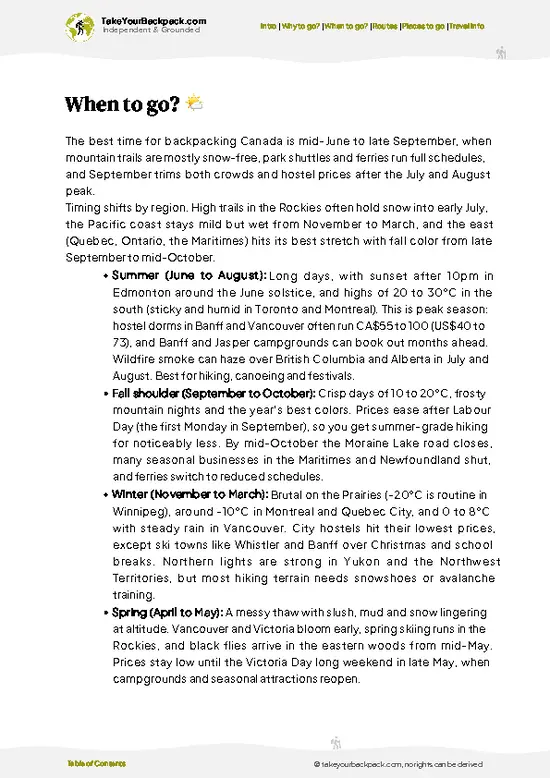
🌤️ When to go?Best time to visit Iqaluit


  • Weather: Iqaluit’s Arctic chill dominates most of the year. From June to August, temperatures hover between 5°C and 15°C (41°F to 59°F), the only window warm enough for comfortable backpacking without bulky gear.

  • Daylight Hours: Summer brings nearly 24-hour daylight, flooding the landscape with a surreal glow that stretches your hiking hours and sharpens every color in the tundra.

  • Crowds: The town swells slightly in summer with tourists and locals enjoying festivals, but it’s never overwhelming—expect quiet trails and a genuine sense of solitude.

  • Seasonal Activities: Summer unlocks kayaking, fishing, and cultural events like the Toonik Tyme Festival, giving you a richer, more active experience beyond just hiking.

  • Price Fluctuations: Flights and accommodations peak in summer, so
read more 👉

  • Weather: Iqaluit’s Arctic chill dominates most of the year. From June to August, temperatures hover between 5°C and 15°C (41°F to 59°F), the only window warm enough for comfortable backpacking without bulky gear.

  • Daylight Hours: Summer brings nearly 24-hour daylight, flooding the landscape with a surreal glow that stretches your hiking hours and sharpens every color in the tundra.

  • Crowds: The town swells slightly in summer with tourists and locals enjoying festivals, but it’s never overwhelming—expect quiet trails and a genuine sense of solitude.

  • Seasonal Activities: Summer unlocks kayaking, fishing, and cultural events like the Toonik Tyme Festival, giving you a richer, more active experience beyond just hiking.

  • Price Fluctuations: Flights and accommodations peak in summer, so booking early saves you from steep last-minute costs. Off-season travel is cheaper but brutally cold and limiting.


Pro-tip: Aim for late June or early July—when the ice just melts, the light is endless, and the town wakes up from its long freeze, offering a raw, vibrant Arctic experience without the deep cold.


source: climatestotravel.comJANJanuary: below average for travelingFEBFebruary: below average for travelingMARMarch: below average for travelingAPRApril: fair for travelingMAYMay: fair for travelingJUNJune: highly recommended for travelingJULJuly: excellent for travelingAUGAugust: highly recommended for travelingSEPSeptember: good for travelingOCTOctober: fair for travelingNOVNovember: below average for travelingDECDecember: below average for traveling
when-to-go

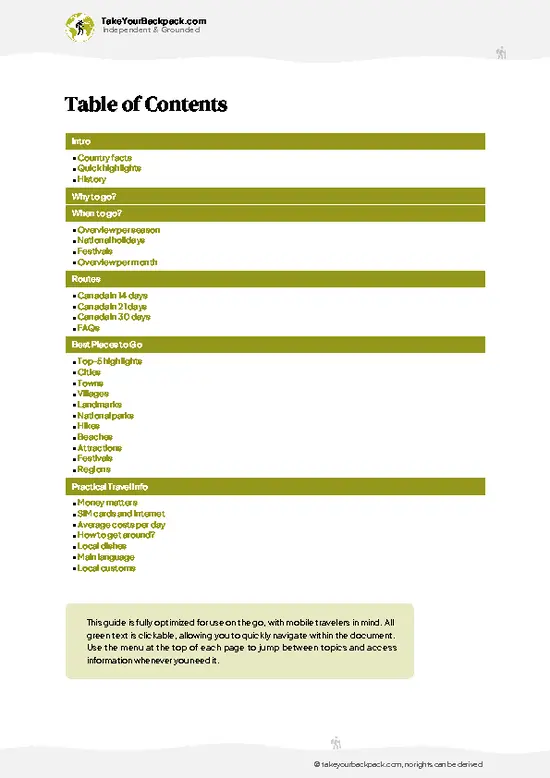
✈️ The backpacker research shortcutCanada Travel Guide

An offline-friendly backpacking guide with optimized travel routes, ranked highlights, transport advice, and the best areas to stay.
example page 0 from our offline Travel Guide for Canada
example page 1 from our offline Travel Guide for Canada
example page 2 from our offline Travel Guide for Canada
example page 3 from our offline Travel Guide for Canada
example page 4 from our offline Travel Guide for Canada
example page 5 from our offline Travel Guide for Canada
example page 6 from our offline Travel Guide for Canada
example page 7 from our offline Travel Guide for Canada
The digital guide (509 pages) contains:
131 highlights, ranked by travel appeal
Optimized 14, 21 & 30-day travel routes
Cities, national parks, landmarks, beaches
How to get around
Offline-friendly for travel without Wi-Fi
👉 Click to see all 30+ guide features

📅 Plan smarter in minutes, not weeks
Month by month travel advice
Festivals & national holidays
Budget expectations

🗺️ Go to the right places, skip the overrated ones
Honest pros & cons of destinations
Top hikes, parks & viewpoints
Lesser-known places most travelers miss
Clear “worth it vs skip it” guidance

🛏️ Travel smoothly without rookie mistakes
Best areas to stay
Transport systems explained simply
Common scams & safety advice
SIM cards, money & practical tips

🌍 Understand the country, not just visit it
Culture & traditions
Local customs
Festivals worth planning around
Traveler-friendly historical context
Insights that make places more meaningful

📱 Built for real travel conditions
Fully downloadable PDF
Works completely offline
Optimized for phone use
Useful in remote areas & buses
Everything in one place
Save weeks of stressful planning
Get instant access to your full guide. 30‑day money-back guarantee.


By proceeding you agree to our terms.
Sent to your inbox immediately after payment • 100% Secure Checkout
Best Backpacking Travel Advisor 2025 tourism awardBest Backpacking
Travel Advisor
2025
What others say about Take Your Backpack Guides:
⭐⭐⭐⭐⭐
Fantastic, amazing amount of information!
⭐⭐⭐⭐⭐
My goodness this is amazing, it's what I've been looking for hats off too you!
⭐⭐⭐⭐⭐
I think this is absolutely BRILLIANT
⭐⭐⭐⭐
Very complete and informative. It's still missing places, but I gotta to commend you
⭐⭐⭐⭐⭐
This is truly amazing, thank you, can't wait to explore it with my kids!
⭐⭐⭐⭐⭐
Awesome resource, thank you!
⭐⭐⭐⭐⭐
This is amazing! Can't wait to explore the ones I haven't seen
⭐⭐⭐⭐
I love this! Well done, great idea.
⭐⭐⭐⭐⭐
Thanks for taking the time to make this gem!
⭐⭐⭐⭐⭐
This might be the best website I've ever seen.
⭐⭐⭐⭐⭐
Congratulations, and thank you so much for your work; it's incredibly valuable.
⭐⭐⭐⭐
In all seriousness I think you did a great job pointing out the important spots
⭐⭐⭐⭐⭐
10/10 very good
⭐⭐⭐⭐⭐
As someone who's only just starting to visit regularly this is awesome, thank you.
⭐⭐⭐⭐
Thank you very much! I'm going to visit my dad, it's going to be very useful!
⭐⭐⭐⭐⭐
This is really cool! We'll be travelling for the first time and this definitely come in handy.
⭐⭐⭐⭐⭐
You are now our minister of culture, congratulations 👨‍💼
⭐⭐⭐⭐⭐
Just wanted to tell you that this is a pearl! Going to follow your recommendations.
⭐⭐⭐⭐⭐
This is so cool. I'll definitely be using the resource for my travels soon.
⭐⭐⭐⭐⭐
This is very impressive! Good work.
⭐⭐⭐⭐⭐
This is an amazing and informative site. Very well done!

🛏️ Where to stay?Best areas to stay in Canada

In Iqaluit, the heart of the action for backpackers is the downtown core, where the air carries a crisp, salty tang from Frobisher Bay and the streets hum with local chatter. This area is compact, making it easy to navigate on foot, which is crucial when the daylight hours are precious. Staying here means you’re close to community hubs—cafés where you can warm up with a strong coffee and swap stories, and small shops that offer a glimpse into Inuit culture through art and crafts. It’s the safest part of town, with a friendly, low-key vibe that encourages solo travelers to mingle without feeling … read more 👉
In Iqaluit, the heart of the action for backpackers is the downtown core, where the air carries a crisp, salty tang from Frobisher Bay and the streets hum with local chatter. This area is compact, making it easy to navigate on foot, which is crucial when the daylight hours are precious. Staying here means you’re close to community hubs—cafés where you can warm up with a strong coffee and swap stories, and small shops that offer a glimpse into Inuit culture through art and crafts. It’s the safest part of town, with a friendly, low-key vibe that encourages solo travelers to mingle without feeling overwhelmed. Hostels and budget accommodations cluster here, providing a social atmosphere that’s rare in a place this remote. Other neighborhoods feel quieter, more residential, lacking that pulse of connection that makes Iqaluit’s core a genuine basecamp for exploration.

🚌 Getting aroundTransportation options and practical tips

Iqaluit moves at its own rhythm—less a clock-driven city and more a place where the wind and tides set the pace. The air carries a sharp, briny chill, and the light shifts quickly, especially in winter when daylight is a precious commodity. Here, the flow isn’t about strict timetables but about adapting to nature’s cues and the town’s small scale. You won’t find a sprawling transit network or rush-hour crush; instead, the charm is in the simplicity and the rugged practicality of getting around. Understanding this flow means embracing a slower, more tactile way to explore—where every step or ride connects you directly to the landscape and community.


  • Walking: The heart of Iqaluit’s transit—most destinations are within a 20-30 minute walk, letting you soak in the crisp air and the scent of
read more 👉
Iqaluit moves at its own rhythm—less a clock-driven city and more a place where the wind and tides set the pace. The air carries a sharp, briny chill, and the light shifts quickly, especially in winter when daylight is a precious commodity. Here, the flow isn’t about strict timetables but about adapting to nature’s cues and the town’s small scale. You won’t find a sprawling transit network or rush-hour crush; instead, the charm is in the simplicity and the rugged practicality of getting around. Understanding this flow means embracing a slower, more tactile way to explore—where every step or ride connects you directly to the landscape and community.


  • Walking: The heart of Iqaluit’s transit—most destinations are within a 20-30 minute walk, letting you soak in the crisp air and the scent of tundra. No cost, naturally, and the best way to catch the subtle shifts in light and sound.

  • Local Taxi Services: Limited but reliable, taxis operate on a call basis with fares around $10-$15 for short trips. They run whenever you need them, but expect some wait time—no fixed schedule here.

  • Airport Shuttle: Connecting the small airport to town, this shuttle runs a few times daily, timed around flight arrivals and departures. It’s affordable (under $10) and the fastest way to bridge the 5 km gap without hassle.

  • Snowmobiles (Seasonal): In winter, locals sometimes use snowmobiles for short trips or to reach outskirts. Not a formal transit option, but if you’re lucky enough to hitch a ride, it’s an authentic, exhilarating way to travel.

👛 Costs (as of 1 January 2026)How expensive it really is

Backpacking in Iqaluit, Canada, is a unique experience where the stark Arctic light and crisp air come with a price tag that reflects its remote location and limited infrastructure.
  • Dorm Accommodation: Expect to pay around $70 to $120 USD per night for a bed in a hostel or budget guesthouse. Options are limited, so booking ahead is crucial. The rooms are basic but clean, often with shared facilities, reflecting the town’s small size and northern isolation.
  • Meals: Food costs here are notably high due to shipping expenses. A simple meal at a local café or fast food spot will run you about $15 to $25 USD. Cooking your own meals can save money, but groceries are expensive—think $10 for a loaf of bread and $8 for a liter of milk. Fresh produce is scarce and pricey, so plan accordingly.
  • Local
read more 👉
Backpacking in Iqaluit, Canada, is a unique experience where the stark Arctic light and crisp air come with a price tag that reflects its remote location and limited infrastructure.
  • Dorm Accommodation: Expect to pay around $70 to $120 USD per night for a bed in a hostel or budget guesthouse. Options are limited, so booking ahead is crucial. The rooms are basic but clean, often with shared facilities, reflecting the town’s small size and northern isolation.
  • Meals: Food costs here are notably high due to shipping expenses. A simple meal at a local café or fast food spot will run you about $15 to $25 USD. Cooking your own meals can save money, but groceries are expensive—think $10 for a loaf of bread and $8 for a liter of milk. Fresh produce is scarce and pricey, so plan accordingly.
  • Local Transport: Iqaluit is compact, so walking is the best way to get around, free and scenic with the Arctic light playing on the snow. If needed, taxis are available but costly, typically $10 to $20 USD for short rides. Public transport is minimal, so budget for occasional taxi trips if you want to explore beyond the town center.
  • Basic Activities/Entry Fees: Many cultural sites and outdoor experiences in Iqaluit are free or low-cost, such as visiting the Nunatta Sunakkutaangit Museum (around $5 USD) or hiking nearby trails. Guided tours, like wildlife or cultural excursions, can cost $50 to $100 USD, but they offer invaluable insight into the local Inuit culture and landscape.
  • Miscellaneous Expenses: Internet access and phone data can be pricey, around $10 to $20 USD per day if you rely on prepaid plans. Souvenirs and local crafts are tempting but expect to pay premium prices for authentic items. Also, factor in occasional costs for gear repairs or extra warm clothing rentals if you’re not fully prepared.

All told, a realistic daily budget for backpacking in Iqaluit falls between $110 and $180 USD. The high cost is the trade-off for experiencing a place where the light shifts dramatically through the day, and the quiet Arctic air feels like a reset button for the senses. Planning ahead and embracing the simplicity of the town’s rhythm will make your stay smoother and more rewarding.


source: destinationnunavut.ca
⚠️ Prices can change and everyone travels differently, so take this as a rough guide. Hope it helps you plan your adventure!

🚌 Day tripsExploring the surroundings

Iqaluit is a launching pad for unforgettable Arctic adventures. The town’s unique vibe and accessibility make it a perfect base for day trips that immerse you in the raw beauty of the North.

Visit the Apex River
Just a short 20-minute drive from Iqaluit, the Apex River offers a stunning contrast of icy blues and stark whites. You can hike along the riverbanks, where the crisp air fills your lungs and the sound of rushing water soothes your soul. Bring a packed lunch to enjoy by the water, and keep an eye out for local wildlife. This trip is best in late spring when the ice starts to melt, revealing the vibrant life below. Expect to spend around $10 on transportation.


Explore Baffin Island
A day trip to Baffin Island is a must. Catch a local flight that takes about 30 minutes, and … read more 👉
Iqaluit is a launching pad for unforgettable Arctic adventures. The town’s unique vibe and accessibility make it a perfect base for day trips that immerse you in the raw beauty of the North.

Visit the Apex River
Just a short 20-minute drive from Iqaluit, the Apex River offers a stunning contrast of icy blues and stark whites. You can hike along the riverbanks, where the crisp air fills your lungs and the sound of rushing water soothes your soul. Bring a packed lunch to enjoy by the water, and keep an eye out for local wildlife. This trip is best in late spring when the ice starts to melt, revealing the vibrant life below. Expect to spend around $10 on transportation.


Explore Baffin Island
A day trip to Baffin Island is a must. Catch a local flight that takes about 30 minutes, and you’ll land in a world where the landscape feels untouched. Hike the trails near Pangnirtung, where the mountains rise dramatically against the sky. The best time to go is summer, when the days are long and the weather is milder. Flights can be pricier, around $200 round trip, but the experience is worth every penny. Many first-timers underestimate the chill, so dress in layers.
👉 Explore Baffin Island

Discover the Sylvia Grinnell Territorial Park
Just a 15-minute drive from Iqaluit, Sylvia Grinnell Park is a treasure trove of hiking trails and stunning views. The park is known for its vibrant tundra and the chance to spot caribou. Spend a few hours wandering the trails, soaking in the sights and sounds of the Arctic wilderness. Late summer is ideal for wildflowers, and you can do this trip for under $20, including transportation. A common mistake is to rush through; take your time to truly absorb the landscape.
Want to know what more Canada offers?
The Canada Travel Guide describes 131 highlights, from cities to national parks, from beaches to hikes

Get the Travel Guide -

🛡️ SafetySafety Tips and Common Scams in Iqaluit

Iqaluit is generally safe, but awareness is key. Stick to well-lit areas at night, especially around the waterfront. Solo travelers should trust their instincts; if something feels off, it probably is. While scams are rare, be cautious of overly friendly strangers offering unsolicited help. Everyday annoyances can include limited services and high prices, so plan ahead. Carry cash, as not all places accept cards. Embrace the local vibe, and you’ll find the community welcoming and genuine.

Other Canadian towns near Iqaluit

Explore more nearby:

  • Gaspé—coastal cliffs, Forillon Park, fishing wharves| 1676 km away
  • Rimouski—St. Lawrence shore, maritime museum, university campus| 1702 km away
  • Corner Brook—Bay of Islands, pulp mill, hilly streets| 1764 km away

💡 Not sure where to go next?
Create a personalized itinerary for Canada including Iqaluit and the places that fit your trip.

Generate my itinerary

👉 Discover all towns

Or checkout all Canada has to offer (think cities, towns, villages, national parks, hikes, beaches, festivals)
Country photo of Canada

We 💚 feedbackSumming up the experience

Iqaluit’s raw beauty hits you like a cold breeze—stunning landscapes and a rich Inuit culture that feels alive. But brace yourself for the isolation; flights can be pricey and limited. Embrace the challenge, and you’ll find a connection to the land that’s hard to shake off.

✈️ When did I visit Canada?
As part of my 1.5 year travel around the world trip, I visited Canada in 2016.

✍️ Help improve this page!
The information on this page is based on my own backpacking experience in Canada, supplemented with up-to-date research and feedback from other travelers. Travel details can change, so if you notice anything outdated or incomplete, feel free to let me know.


🙋‍♂️ Give feedback

👋 Meet the founderWho’s Behind Take Your Backpack?

Johan, backpacker and founder of TakeYourBackpackHi, I’m Johan (Netherlands 🇳🇱), the creator of TakeYourBackpack. Over the past decade, I’ve backpacked through 80+ countries across six continents, gaining extensive experience with independent travel, long-term trips, and overland routes.

This site is built on a combination of firsthand travel experience and carefully curated insights from other backpackers. Many guides are based on places I’ve personally visited, while others bring together tips, observations, and practical advice shared by trusted travelers I’ve met along the way.

The goal is to provide realistic, experience-driven guidance — not generic itineraries — so you can explore destinations with better context, clearer expectations, and more confidence.

Get full Canada guide •
Instant download • 131 highlights • Full Offline guide