×

Canada🇨🇦 | national parksKejimkujik National Parkcanoe routes, Mi’kmaq petroglyphs, inland lakes | things to do and best time to go

Explore JasperExplore Kluane National Park and Reserve

Backpacking in Kejimkujik
👌 Worth visitingnational park ranked #18
By Johan Kruseman 🇳🇱 | Updated May 29, 2026

Your first real fork in the road at Kejimkujik is simple but important: do you base yourself in the front-country campground with services, or commit to backcountry lakes and portages where every forgotten item actually matters. Kejimkujik National Park sits in southwestern Nova Scotia, inland from the coast, and it’s a quiet, low-drama destination for backpackers who like forests, lakes, and loons more than big mountain views. Trails are mostly moderate, sometimes rooty and buggy, with calm scenery rather than jaw-droppers; think long walks through mixed Acadian forest, shoreline rambles, and canoe-access routes that feel remote once you’re out there. Wildlife is more about turtles, birds, and the odd deer than headline predators, which makes it relaxed but less “epic.” Access is straightforward by car, but public transport is basically a non-option, and you pay a standard Parks Canada entrance fee plus camping that’s reasonable but not dirt-cheap if you stay several nights. Crowds spike on summer weekends around the main campground and lake beaches, yet the backcountry stays surprisingly empty if you’re willing to paddle or hike a bit farther. The vibe is low-key, family-heavy at the front, almost meditative in the interior, and it’s far less dramatic than Cape Breton Highlands or Gros Morne, but also less windy, less exposed, and much easier on newer backpackers who want a controlled taste of “wild” without committing to big climbs or harsh weather.

Discover everything you want to know in the 📖 Canada Travel Guide.


Get your Canada guide
133 ranked highlights, routes & tips, works offline (518 pages)
Loading the map 🌍
CLICK TO FILTER
cities
towns
villages
landmarks
national parks
hikes
beaches
attractions
festivals
regions
SHOW COUNTRY’S BESTSHOW ALL

✨ Why go?
Ranked #18 national park in Canada
What sets this place apart

Kejimkujik National Park attracts backpackers for several solid reasons. First, independent exploration is a major draw. The park’s extensive trail system allows you to wander at your own pace, soaking in the natural beauty without the constraints of guided tours.

Budget-conscious travelers appreciate the camping options available. You can pitch a tent in designated sites or find nearby hostels that cater to backpackers. This keeps costs low, freeing up funds for experiences that matter.

The trail variety is another highlight. From easy walks to challenging hikes, there’s something for everyone, making it perfect for both novices and seasoned trekkers.

Kejimkujik is particularly suited for self-guided travelers. The well-marked paths and informative signage mean you can confidently navigate … read more 👉
Kejimkujik National Park attracts backpackers for several solid reasons. First, independent exploration is a major draw. The park’s extensive trail system allows you to wander at your own pace, soaking in the natural beauty without the constraints of guided tours.

Budget-conscious travelers appreciate the camping options available. You can pitch a tent in designated sites or find nearby hostels that cater to backpackers. This keeps costs low, freeing up funds for experiences that matter.

The trail variety is another highlight. From easy walks to challenging hikes, there’s something for everyone, making it perfect for both novices and seasoned trekkers.

Kejimkujik is particularly suited for self-guided travelers. The well-marked paths and informative signage mean you can confidently navigate the park without feeling lost. Just remember to pack enough water and snacks; the park’s remote areas can be more isolated than they appear.
Want to include Kejimkujik National Park in your Canada route?
Create a personalized Canada itinerary that includes Kejimkujik National Park and the places that fit your trip — based on your travel style, budget, and available time. Get your route in seconds.

Generate my trip

💡 HighlightsMust-see experiences and standout moments

  • Kejimkujik Lake (Inner Lake) canoe routes: A classic — a network of calm lakes, islands and portages that beg you to slow down and paddle; sheltered campsites, loon calls at dawn and mirror-smooth water make multi-day trips unforgettable. Personal favorite — nothing beats a quiet morning crossing the inner lake with a mug of coffee and zero cell signal.
  • Petroglyphs and Mi’kmaq heritage sites: Ancient rock engravings tucked along the Mersey River and shorelines — small in size but huge in cultural importance. Interpretive trails explain the stories; treat them respectfully and don’t touch the carvings.
  • Mersey River corridor: Meandering river scenery with rocky banks, small rapids and pockets of calm — great for day paddles, fishing and easy wildlife watching. It’s where the park feels most
read more 👉
  • Kejimkujik Lake (Inner Lake) canoe routes: A classic — a network of calm lakes, islands and portages that beg you to slow down and paddle; sheltered campsites, loon calls at dawn and mirror-smooth water make multi-day trips unforgettable. Personal favorite — nothing beats a quiet morning crossing the inner lake with a mug of coffee and zero cell signal.
  • Petroglyphs and Mi’kmaq heritage sites: Ancient rock engravings tucked along the Mersey River and shorelines — small in size but huge in cultural importance. Interpretive trails explain the stories; treat them respectfully and don’t touch the carvings.
  • Mersey River corridor: Meandering river scenery with rocky banks, small rapids and pockets of calm — great for day paddles, fishing and easy wildlife watching. It’s where the park feels most intimate and river-shaped.
  • Old-growth hemlock and white pine stands: Cathedral-like forest pockets with massive, shady trees and a cool understory. Short loop trails let you soak up the atmosphere without slogging for miles — perfect for hot afternoons.
  • Kejimkujik Seaside (coastal unit): A completely different vibe — saltwater beaches, tidal lagoons, sand dunes and coastal birds. It’s a neat contrast to the inland canoe country and worth the detour for beach walks and tide pooling.
  • Dark-sky preserve and stargazing: The park’s dark-sky designation means excellent Milky Way views and clear constellations on moonless nights. Pack a headlamp with a red filter and stay up late — the sky reward is real.
  • Wildlife and birding hotspots: Good chances to spot loons, beavers, otters, deer and a wide range of shore and forest birds. Bring binoculars and patience — dawn and dusk are prime times.
Spotted a mistake or missing something? Contact us.

🌤️ When to go?Choosing the right time of year


  • Weather: Spring and fall bring mild, stable weather—ideal for hiking without the summer bugs or winter chill. Summer can be hot and humid, with temperatures often hitting 25-30°C (77-86°F).

  • Temperature: Summer highs average 25°C (77°F), but nights can drop to 10°C (50°F). Winter is harsh, often below freezing, not great for backpacking.

  • Daylight Hours: Long summer days offer up to 15-16 hours of light, perfect for extended hikes. Fall and spring days shorten quickly, so plan accordingly.

  • Crowds: Summer is peak season, expect busy trails and campsites. Shoulder seasons (late spring, early fall) are quieter, letting you enjoy the park’s solitude.

  • Seasonal Activities: Summer is prime for canoeing and swimming; fall offers vibrant foliage and fewer bugs. Winter activities like snowshoeing
read more 👉

  • Weather: Spring and fall bring mild, stable weather—ideal for hiking without the summer bugs or winter chill. Summer can be hot and humid, with temperatures often hitting 25-30°C (77-86°F).

  • Temperature: Summer highs average 25°C (77°F), but nights can drop to 10°C (50°F). Winter is harsh, often below freezing, not great for backpacking.

  • Daylight Hours: Long summer days offer up to 15-16 hours of light, perfect for extended hikes. Fall and spring days shorten quickly, so plan accordingly.

  • Crowds: Summer is peak season, expect busy trails and campsites. Shoulder seasons (late spring, early fall) are quieter, letting you enjoy the park’s solitude.

  • Seasonal Activities: Summer is prime for canoeing and swimming; fall offers vibrant foliage and fewer bugs. Winter activities like snowshoeing are possible but require extra gear.

  • Price Fluctuations: Campsite fees and nearby accommodations spike in summer. Visiting off-peak can save money and secure better spots without sacrificing experience.


Pro-tip: Aim for late spring or early fall to dodge crowds, enjoy comfortable weather, and keep your budget intact—this is when Kejimkujik reveals its best self without the hassle.


source: climatestotravel.comJANJanuary: below average for travelingFEBFebruary: below average for travelingMARMarch: fair for travelingAPRApril: good for travelingMAYMay: highly recommended for travelingJUNJune: highly recommended for travelingJULJuly: good for travelingAUGAugust: good for travelingSEPSeptember: highly recommended for travelingOCTOctober: highly recommended for travelingNOVNovember: fair for travelingDECDecember: below average for traveling
canada-national-park-kejimkujik-national-park
© Google | Kaiyan Liang

✈️ The backpacker research shortcutCanada Travel Guide

An offline-friendly backpacking guide with optimized travel routes, ranked highlights, transport advice, and the best areas to stay.
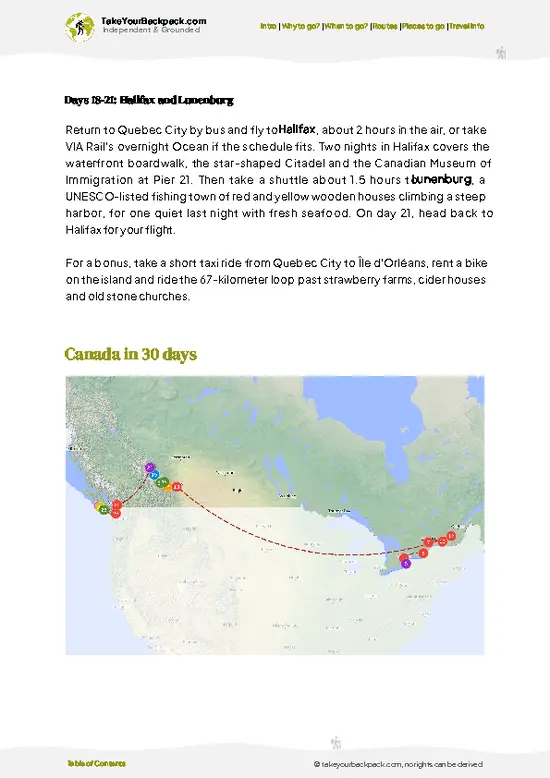
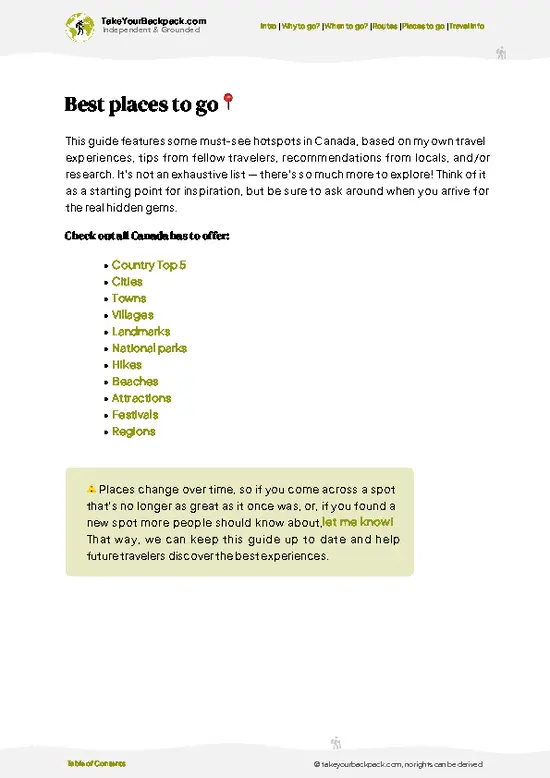
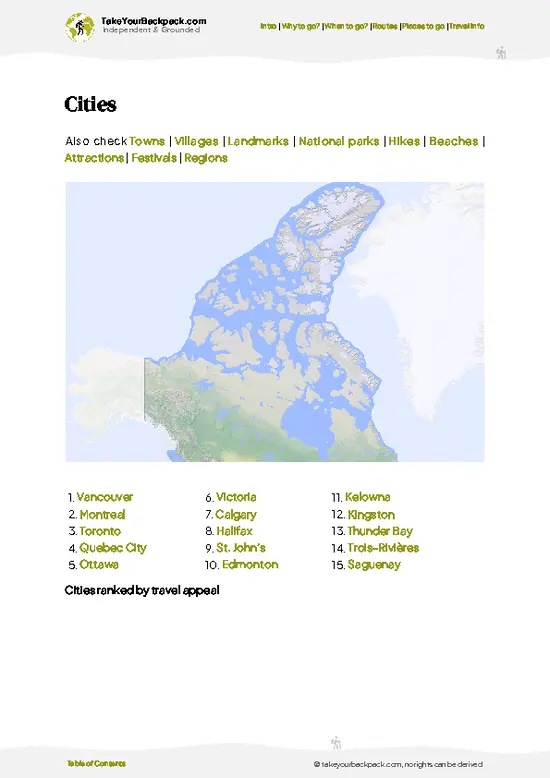
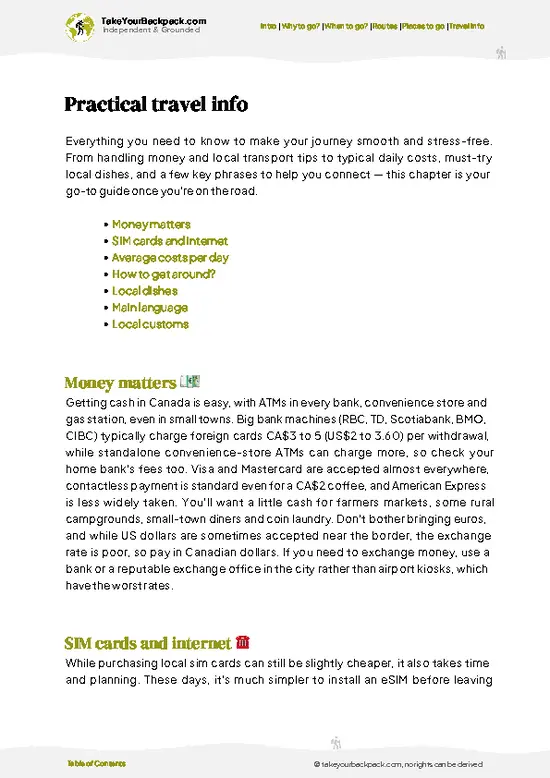
example page 0 from our offline Travel Guide for Canada
example page 1 from our offline Travel Guide for Canada
example page 2 from our offline Travel Guide for Canada
example page 3 from our offline Travel Guide for Canada
example page 4 from our offline Travel Guide for Canada
example page 5 from our offline Travel Guide for Canada
example page 6 from our offline Travel Guide for Canada
example page 7 from our offline Travel Guide for Canada
The digital guide (518 pages) contains:
133 highlights, ranked by travel appeal
Optimized 14, 21 & 30-day travel routes
Cities, national parks, landmarks, beaches
How to get around
Offline-friendly for travel without Wi-Fi
👉 Click to see all 30+ guide features

📅 Plan smarter in minutes, not weeks
Month by month travel advice
Festivals & national holidays
Budget expectations

🗺️ Go to the right places, skip the overrated ones
Honest pros & cons of destinations
Top hikes, parks & viewpoints
Lesser-known places most travelers miss
Clear “worth it vs skip it” guidance

🛏️ Travel smoothly without rookie mistakes
Best areas to stay
Transport systems explained simply
Common scams & safety advice
SIM cards, money & practical tips

🌍 Understand the country, not just visit it
Culture & traditions
Local customs
Festivals worth planning around
Traveler-friendly historical context
Insights that make places more meaningful

📱 Built for real travel conditions
Fully downloadable PDF
Works completely offline
Optimized for phone use
Useful in remote areas & buses
Everything in one place
Save weeks of stressful planning
Get instant access to your full guide. 30‑day money-back guarantee.


By proceeding you agree to our terms.
Sent to your inbox immediately after payment • 100% Secure Checkout
Best Backpacking Travel Advisor 2025 tourism awardBest Backpacking
Travel Advisor
2025
What others say about Take Your Backpack Guides:
⭐⭐⭐⭐⭐
Fantastic, amazing amount of information!
⭐⭐⭐⭐⭐
My goodness this is amazing, it's what I've been looking for hats off too you!
⭐⭐⭐⭐⭐
I think this is absolutely BRILLIANT
⭐⭐⭐⭐
Very complete and informative. It's still missing places, but I gotta to commend you
⭐⭐⭐⭐⭐
This is truly amazing, thank you, can't wait to explore it with my kids!
⭐⭐⭐⭐⭐
Awesome resource, thank you!
⭐⭐⭐⭐⭐
This is amazing! Can't wait to explore the ones I haven't seen
⭐⭐⭐⭐
I love this! Well done, great idea.
⭐⭐⭐⭐⭐
Thanks for taking the time to make this gem!
⭐⭐⭐⭐⭐
This might be the best website I've ever seen.
⭐⭐⭐⭐⭐
Congratulations, and thank you so much for your work; it's incredibly valuable.
⭐⭐⭐⭐
In all seriousness I think you did a great job pointing out the important spots
⭐⭐⭐⭐⭐
10/10 very good
⭐⭐⭐⭐⭐
As someone who's only just starting to visit regularly this is awesome, thank you.
⭐⭐⭐⭐
Thank you very much! I'm going to visit my dad, it's going to be very useful!
⭐⭐⭐⭐⭐
This is really cool! We'll be travelling for the first time and this definitely come in handy.
⭐⭐⭐⭐⭐
You are now our minister of culture, congratulations 👨‍💼
⭐⭐⭐⭐⭐
Just wanted to tell you that this is a pearl! Going to follow your recommendations.
⭐⭐⭐⭐⭐
This is so cool. I'll definitely be using the resource for my travels soon.
⭐⭐⭐⭐⭐
This is very impressive! Good work.
⭐⭐⭐⭐⭐
This is an amazing and informative site. Very well done!

🛏️ Where to stay?Where staying makes the most sense

Kejimkujik National Park offers a few solid options for backpackers looking to stay close to nature without breaking the bank. Inside the park, you’ll find campgrounds like Jeremy’s Bay, which is perfect for tent camping. It’s well-equipped with washrooms and showers, but be aware that sites can fill up quickly during peak season. Arrive early to snag a spot.

If you prefer a roof over your head, check out the Kejimkujik National Park’s own cabins. They provide a cozy retreat after a long day of hiking, but book well in advance to avoid disappointment.

For nearby towns, look to Annapolis Royal … read more 👉
Kejimkujik National Park offers a few solid options for backpackers looking to stay close to nature without breaking the bank. Inside the park, you’ll find campgrounds like Jeremy’s Bay, which is perfect for tent camping. It’s well-equipped with washrooms and showers, but be aware that sites can fill up quickly during peak season. Arrive early to snag a spot.

If you prefer a roof over your head, check out the Kejimkujik National Park’s own cabins. They provide a cozy retreat after a long day of hiking, but book well in advance to avoid disappointment.

For nearby towns, look to Annapolis Royal or Liverpool. Both offer affordable motels and hostels, plus a chance to explore local culture. Annapolis Royal has a charming vibe with its historic sites, while Liverpool is known for its waterfront. Staying in these towns gives you easy access to the park while allowing you to recharge in a more urban setting. Just keep an eye on your travel times; you don’t want to waste precious daylight.

👛 Costs (as of 15 December 2025)How expensive it really is

Kejimkujik National Park in Canada offers a range of costs that can catch you off guard if you’re not prepared.

First, the entrance fee is around $7.80 CAD per adult, which is about $6 USD. This fee grants you access to the park’s stunning landscapes and trails. If you’re traveling with a family, consider that children under 17 enter for free, which can help keep costs down.

Camping is another significant expense. A basic campsite will set you back about $30 CAD per night, roughly $23 USD. If you prefer a more developed site with amenities, expect to pay closer to $50 CAD, or about $38 USD. Reservations are recommended, especially during peak season, as sites can fill up quickly.

For those looking to rent equipment, such as canoes or kayaks, prices vary. Canoe rentals typically range from … read more 👉
Kejimkujik National Park in Canada offers a range of costs that can catch you off guard if you’re not prepared.

First, the entrance fee is around $7.80 CAD per adult, which is about $6 USD. This fee grants you access to the park’s stunning landscapes and trails. If you’re traveling with a family, consider that children under 17 enter for free, which can help keep costs down.

Camping is another significant expense. A basic campsite will set you back about $30 CAD per night, roughly $23 USD. If you prefer a more developed site with amenities, expect to pay closer to $50 CAD, or about $38 USD. Reservations are recommended, especially during peak season, as sites can fill up quickly.

For those looking to rent equipment, such as canoes or kayaks, prices vary. Canoe rentals typically range from $30 to $50 CAD per day, or about $23 to $38 USD. This can be a worthwhile investment if you plan to explore the waterways.

Food costs can also add up. If you’re bringing your own supplies, budget for groceries in nearby towns. Dining out can be pricier, with meals averaging around $15 to $25 CAD ($11 to $19 USD) per person at local restaurants.

Lastly, keep in mind that additional fees may apply for guided tours or special programs within the park. These can enhance your experience but will require extra budgeting.

Being aware of these costs will help you allocate your budget wisely, ensuring you have the energy and resources for the experiences that truly matter.


source: pc.gc.ca
⚠️ Prices can change and everyone travels differently, so take this as a rough guide. Hope it helps you plan your adventure!

🥾 TrailsBest hikes in Kejimkujik national park

Kejimkujik National Park is a gem in Canada, offering a mix of serene lakes, lush forests, and a bit of rugged terrain. The park’s trails are well-marked, making it easy to explore the diverse landscapes. You’ll find everything from flat, easy walks to more challenging routes that keep your heart rate up. Wildlife is abundant here, so keep your eyes peeled for deer, beavers, and a variety of birds.

One of the standout trails is Mersey River Trail, which is a great introduction to the park’s beauty. Here are the details:
  • Length: 6 km
  • Estimated Duration: 2 hours
  • Difficulty Level: Easy
  • Key Features:
read more 👉
Kejimkujik National Park is a gem in Canada, offering a mix of serene lakes, lush forests, and a bit of rugged terrain. The park’s trails are well-marked, making it easy to explore the diverse landscapes. You’ll find everything from flat, easy walks to more challenging routes that keep your heart rate up. Wildlife is abundant here, so keep your eyes peeled for deer, beavers, and a variety of birds.

One of the standout trails is Mersey River Trail, which is a great introduction to the park’s beauty. Here are the details:
  • Length: 6 km
  • Estimated Duration: 2 hours
  • Difficulty Level: Easy
  • Key Features: Scenic river views, opportunities for bird watching
  • Terrain: Mostly flat with some boardwalk sections

If you’re up for a bit more of a challenge, check out Beaver Dam Trail:
  • Length: 3.5 km
  • Estimated Duration: 1.5 hours
  • Difficulty Level: Moderate
  • Key Features: Beautiful forest scenery, potential wildlife sightings
  • Terrain: Some uneven ground and mild elevation changes

Getting to Kejimkujik isn’t too tricky, but public transport options can be limited. It’s best to check the local bus schedules or consider carpooling with fellow travelers. The park can get a bit busy during peak season, especially on weekends, so if you prefer a quieter experience, aim for weekdays. As for the entrance fee, there is one, but it’s quite reasonable and helps keep the park in great shape.
⚠️ Hiking info can sometimes be outdated or inaccurate. Before you hit the trail, check the latest conditions with locals. If you do spot anything that's off, I'd love to hear from you, so I can update it for fellow travelers.

🛡️ SafetyTraveler Safety Guide

Kejimkujik National Park is generally straightforward for backpackers, but a few realities can enhance your experience. Weather can shift quickly, especially in spring and fall, so pack layers and a reliable rain jacket. The terrain varies; some trails are flat and easy, while others can be rocky or muddy, requiring good footwear and careful footing.

Wildlife encounters are common, particularly with moose and black bears. Keep a respectful distance and store food properly to avoid attracting them.

Navigation is usually clear, but a map or GPS is wise for less-traveled paths. Be mindful of your pace; it’s easy to underestimate how long a hike will take. With these insights, you’ll conserve energy and enjoy the park’s beauty without unnecessary stress.

Other Canadian national parks near Kejimkujik

Explore more nearby:


💡 Not sure where to go next?
Create a personalized itinerary for Canada including Kejimkujik and the places that fit your trip.

Generate my itinerary

👉 Discover all national parks

Or checkout all Canada has to offer (think cities, towns, villages, national parks, hikes, beaches, festivals)
Country photo of Canada

We 💚 feedbackWhat to keep in mind

Kejimkujik National Park is a treasure for those who crave tranquility and the chance to connect with nature. The canoeing here is a standout experience, gliding over still waters surrounded by lush forests. But be prepared: the park can feel remote, and cell service is spotty at best. Embrace the disconnection, but plan ahead to avoid any surprises. Your adventure deserves that extra bit of preparation.

✈️ When did I visit Canada?
As part of my 1.5 year travel around the world trip, I visited Canada in 2016.

✍️ Help improve this page!
The information on this page is based on my own backpacking experience in Canada, supplemented with up-to-date research and feedback from other travelers. Travel details can change, so if you notice anything outdated or incomplete, feel free to let me know.


🙋‍♂️ Give feedback

👋 Meet the founderWho’s Behind Take Your Backpack?

Johan, backpacker and founder of TakeYourBackpackHi, I’m Johan (Netherlands 🇳🇱), the creator of TakeYourBackpack. Over the past decade, I’ve backpacked through 80+ countries across six continents, gaining extensive experience with independent travel, long-term trips, and overland routes.

This site is built on a combination of firsthand travel experience and carefully curated insights from other backpackers. Many guides are based on places I’ve personally visited, while others bring together tips, observations, and practical advice shared by trusted travelers I’ve met along the way.

The goal is to provide realistic, experience-driven guidance — not generic itineraries — so you can explore destinations with better context, clearer expectations, and more confidence.

Get full Canada guide •
Instant download • 133 highlights • Full Offline guide