×

Canada🇨🇦 | citiesKingstonLimestone fortress, prison tours, harbor cruises, lakefront market | things to do and best time to go

Explore SaguenayExplore Trois-Rivières

Backpacking in Kingston
👌 Worth visitingcity ranked #12
By Johan Kruseman 🇳🇱 | Updated October 22, 2026

Kingston, Ontario is not the capital of Canada, though it was the first capital of the united Province of Canada in the 1840s. It sits in Canada where Lake Ontario meets the St. Lawrence River, roughly midway between Toronto and Montreal. I picked up a bag of fries at the Memorial Centre farmers market and ate them on the limestone waterfront while gulls argued overhead; you can do the same for pocket change, and it beats a sit-down lunch for time and money. Expect stone buildings, lake breeze and student-town nightlife, but little in the way of wild hostels or big-city grit. Compared with Ottawa, it is smaller, calmer and far easier to cover on foot.

Discover everything you want to know in the 📖 Canada Travel Guide.


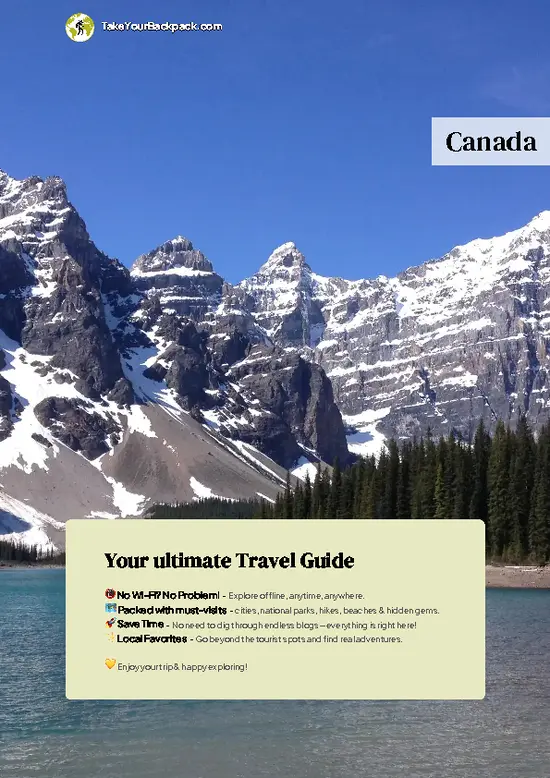
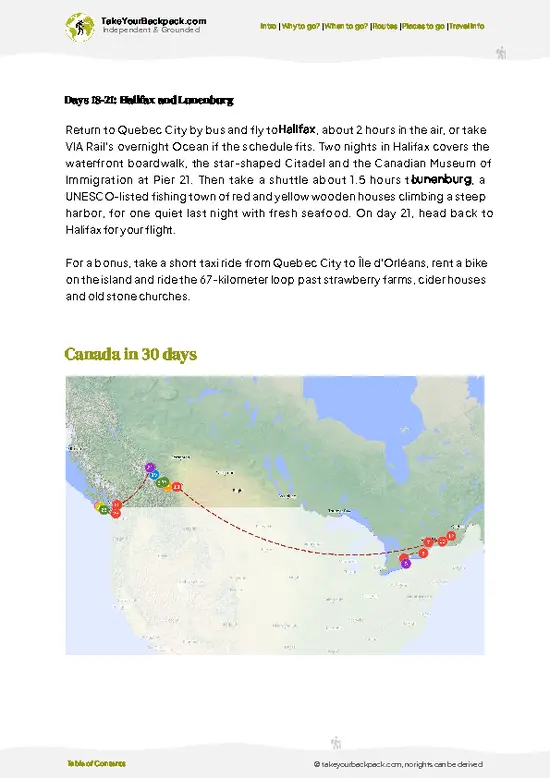
example page 0 from our offline Travel Guide for Canada
example page 1 from our offline Travel Guide for Canada
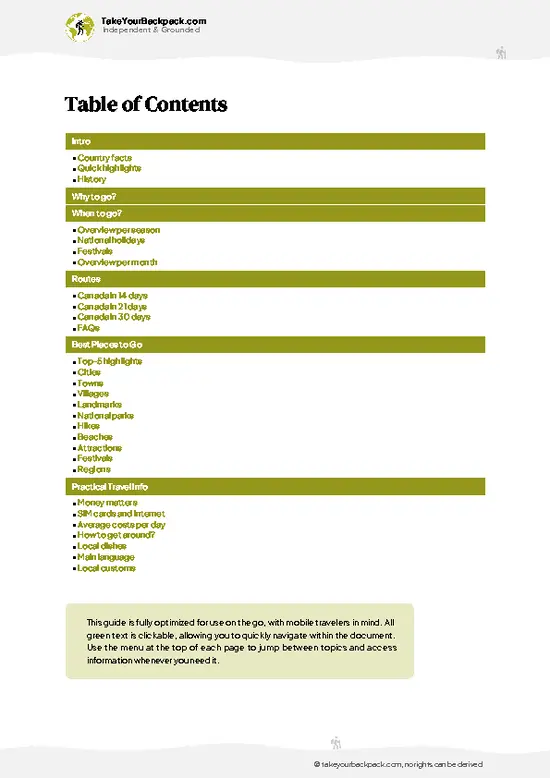
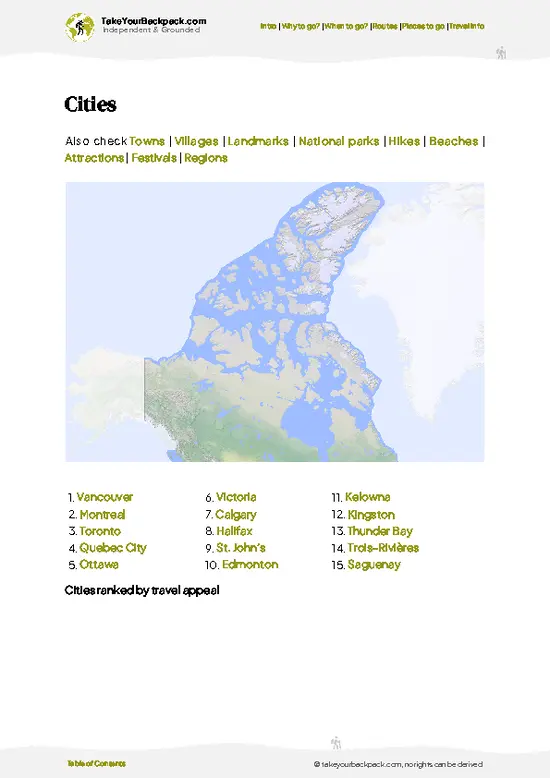
example page 2 from our offline Travel Guide for Canada
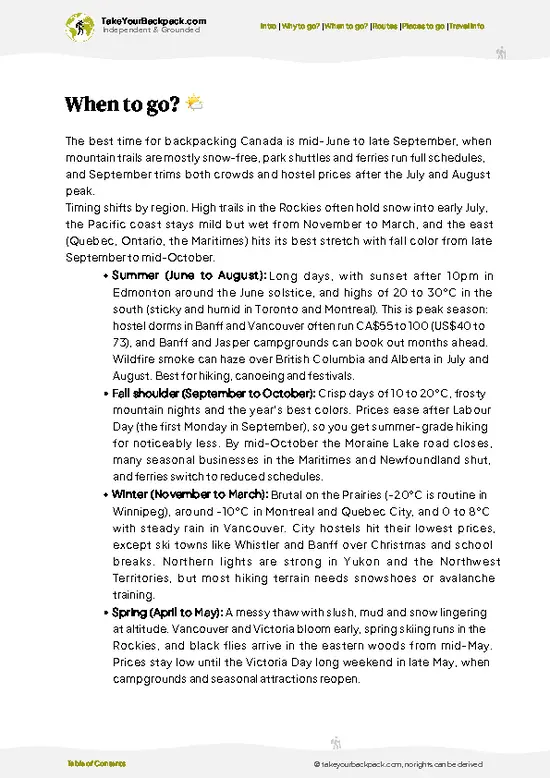
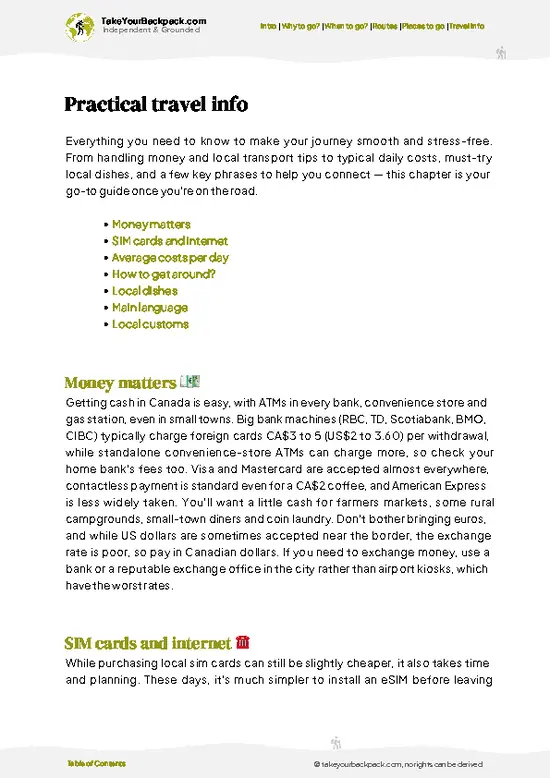
example page 3 from our offline Travel Guide for Canada
example page 4 from our offline Travel Guide for Canada
example page 5 from our offline Travel Guide for Canada
example page 6 from our offline Travel Guide for Canada
example page 7 from our offline Travel Guide for Canada
Loading the map 🌍
CLICK TO FILTER
cities
towns
villages
landmarks
national parks
hikes
beaches
attractions
festivals
regions
SHOW COUNTRY’S BESTSHOW ALL

✨ Why go?
Ranked #12 city in Canada
What sets this place apart

Kingston earns its stop as a compact, walkable base on the busy Toronto to Montreal corridor, so you can break a long trip without losing a day to logistics. The downtown core is small enough that you can leave your bag at the hostel and cover most of it on foot, with limestone buildings along the waterfront and a lively pub and restaurant scene driven by Queen’s University students. The food is better than the size suggests, with farm-to-table kitchens and a Saturday market. Water is the other draw, since the lake and the river open up paddling, sailing and boat tours. It suits one to three nights well. Thrill seekers and party animals may find it too tame, and it empties out a little when the semester ends.

💡 HighlightsPlaces and moments you shouldn't skip

  1. Fort Henry: A restored 1830s British fortress on a hill above the harbor, with costumed guards firing muskets and drilling in scarlet. Open roughly late May to early September, with the thinnest crowds in the morning. Tickets run about US$15 to 25 and you need 2 to 3 hours.
  2. Kingston City Hall: A domed limestone building from the 1840s on the waterfront, built when Kingston hoped to remain the capital. Free to view outside, with tours in summer. Allow 20 to 30 minutes.
  3. Kingston Penitentiary Tour: A maximum-security prison that operated from 1835 to 2013, now toured with former staff as guides. Tours cost about US$30 to 40 and last about 90 minutes. Open seasonally.
  4. Bellevue House: The Italianate villa where Sir John A. Macdonald lived in the 1840s. Costs about US$4 to 8 and takes an hour. Best
… read more 👉
  1. Fort Henry: A restored 1830s British fortress on a hill above the harbor, with costumed guards firing muskets and drilling in scarlet. Open roughly late May to early September, with the thinnest crowds in the morning. Tickets run about US$15 to 25 and you need 2 to 3 hours.
  2. Kingston City Hall: A domed limestone building from the 1840s on the waterfront, built when Kingston hoped to remain the capital. Free to view outside, with tours in summer. Allow 20 to 30 minutes.
  3. Kingston Penitentiary Tour: A maximum-security prison that operated from 1835 to 2013, now toured with former staff as guides. Tours cost about US$30 to 40 and last about 90 minutes. Open seasonally.
  4. Bellevue House: The Italianate villa where Sir John A. Macdonald lived in the 1840s. Costs about US$4 to 8 and takes an hour. Best in summer, when it is open daily.
  5. Murney Tower: A squat 1846 stone defensive tower with a small museum of local military history. Entry is a few dollars and it takes 30 to 45 minutes. Open in summer.
  6. Kingston Public Market: Held behind City Hall on Tuesdays, Thursdays and Saturdays, with produce, baked goods and street food. Free to enter, and food costs US$5 to 12. Go early on Saturday for 45 minutes to an hour.
  7. Thousand Islands Boat Cruise: Departing from the downtown dock, these cruises weave between granite islands and mansions. Expect about US$30 to 45 for 1 to 3 hours, best in summer.
Kingston’s day trips include Wolfe Island by free ferry, Gananoque for the Thousand Islands, and Prince Edward County for wineries and beaches. Fort Henry and the Penitentiary tours are best booked ahead in summer.
Spotted a mistake or missing something? Contact us.

Things to do in Kingston

Ratings based on Tripadvisor reviews. When you book through this link, you support our work at no extra cost to you.

🏘️ NeighborhoodsNeighborhood guide to Kingston

Kingston packs its interest into a compact core, and you can cover nearly all of it on foot or with a short bus hop.
  • Downtown and the Waterfront: Limestone buildings, City Hall’s domed bulk and the Saturday-morning smell of the Market Square stalls (peaches, kettle corn, fresh bread) make this the obvious first stop. Pubs and patios along Princess Street get loud on weekends. Walking is free and fastest here, so skip any ride.
  • Queen’s University and the Student Area: West of downtown, the grey stone campus sits near cheap pizza counters, late-night noodle spots and coffee shops. Term time brings crowds of students; summer is calmer. A 15 to 20 minute walk beats waiting for a bus.
  • Sydenham Ward: Quiet streets of old stone houses, shaded by maples, and the lake breeze off Lake Ontario. Little nightlife,
… read more 👉
Kingston packs its interest into a compact core, and you can cover nearly all of it on foot or with a short bus hop.
  • Downtown and the Waterfront: Limestone buildings, City Hall’s domed bulk and the Saturday-morning smell of the Market Square stalls (peaches, kettle corn, fresh bread) make this the obvious first stop. Pubs and patios along Princess Street get loud on weekends. Walking is free and fastest here, so skip any ride.
  • Queen’s University and the Student Area: West of downtown, the grey stone campus sits near cheap pizza counters, late-night noodle spots and coffee shops. Term time brings crowds of students; summer is calmer. A 15 to 20 minute walk beats waiting for a bus.
  • Sydenham Ward: Quiet streets of old stone houses, shaded by maples, and the lake breeze off Lake Ontario. Little nightlife, but lovely for an evening stroll. It is the best value for a slow wander.
  • Barriefield Village: Across the Cataraqui River, near Fort Henry, with historic cottages and a hush that feels far from the bars. Take a bus or bike, since the walk over is longer and exposed to wind.

⌛️ 1 daySeeing the highlights in 24 hours

10:00 AM: Fort Henry Start here, before the day’s heat and tour groups arrive. Walk the ramparts, watch the guard drill and look down over the harbor. Then stroll or catch a bus downhill, about 20 minutes on foot.
12:00 PM: Kingston Public Market Grab a lunch of tacos, dumplings or a pastry from the stalls behind City Hall, and eat on the waterfront steps. Take a look inside the domed City Hall afterward.
2:00 PM: Murney Tower and Waterfront Path Walk west along the lakeshore past Confederation Park to the tower, then continue to Macdonald Park for a quiet swim spot or lake view.
4:00 PM: Skeleton Park Neighborhood Wander the old residential streets in the north end, where artists’ houses, murals and small cafés sit well away from the main tourist route. Poke into a coffee shop and slow down. … read more 👉
10:00 AM: Fort Henry Start here, before the day’s heat and tour groups arrive. Walk the ramparts, watch the guard drill and look down over the harbor. Then stroll or catch a bus downhill, about 20 minutes on foot.
12:00 PM: Kingston Public Market Grab a lunch of tacos, dumplings or a pastry from the stalls behind City Hall, and eat on the waterfront steps. Take a look inside the domed City Hall afterward.
2:00 PM: Murney Tower and Waterfront Path Walk west along the lakeshore past Confederation Park to the tower, then continue to Macdonald Park for a quiet swim spot or lake view.
4:00 PM: Skeleton Park Neighborhood Wander the old residential streets in the north end, where artists’ houses, murals and small cafés sit well away from the main tourist route. Poke into a coffee shop and slow down.
6:30 PM: Princess Street Walk back down to the pub-lined strip for dinner, then finish with a craft beer near the harbor as the limestone buildings go dark.

🌤️ When to go?Best time to visit Kingston

July and August are the warmest and busiest months, though June and September give nearly the same lake weather with thinner crowds.
  • Summer (June to August): Highs of 24 to 27°C (75 to 81°F), long evenings, ferries and patios running, and the highest hostel and room prices.
  • Fall (September to October): 10 to 20°C (50 to 68°F), red maples, calm lake sailing and falling rates.
  • Winter (December to March): Highs around -6 to 0°C (21 to 32°F), short gray days, and ice on the harbor. Rooms are cheapest, and many seasonal attractions close.
  • Spring (April to May): 5 to 16°C (41 to 61°F), muddy and damp, with quiet streets and bargains.
Book summer weekends early, since the Thousand Islands boat tours fill up.

source: climatestotravel.comJANJanuary: below average for travelingFEBFebruary: below average for travelingMARMarch: fair for travelingAPRApril: good for travelingMAYMay: highly recommended for travelingJUNJune: highly recommended for travelingJULJuly: good for travelingAUGAugust: good for travelingSEPSeptember: highly recommended for travelingOCTOctober: highly recommended for travelingNOVNovember: fair for travelingDECDecember: below average for traveling
when-to-go

✈️ The backpacker research shortcutCanada Travel Guide

An offline-friendly backpacking guide with optimized travel routes, ranked highlights, transport advice, and the best areas to stay.
example page 0 from our offline Travel Guide for Canada
example page 1 from our offline Travel Guide for Canada
example page 2 from our offline Travel Guide for Canada
example page 3 from our offline Travel Guide for Canada
example page 4 from our offline Travel Guide for Canada
example page 5 from our offline Travel Guide for Canada
example page 6 from our offline Travel Guide for Canada
example page 7 from our offline Travel Guide for Canada
The digital guide (385 pages) contains:
✅ 125 highlights, ranked by travel appeal
✅ Optimized 14, 21 & 30-day travel routes
✅ Cities, national parks, landmarks, beaches
✅ How to get around
✅ Offline-friendly for travel without Wi-Fi
👉 Click to see all 30+ guide features

📅 Plan smarter in minutes, not weeks
✅ Month by month travel advice
✅ Festivals & national holidays
✅ Budget expectations

🗺️ Go to the right places, skip the overrated ones
✅ Honest pros & cons of destinations
✅ Top hikes, parks & viewpoints
✅ Lesser-known places most travelers miss
✅ Clear “worth it vs skip it” guidance

🛏️ Travel smoothly without rookie mistakes
✅ Best areas to stay
✅ Transport systems explained simply
✅ Common scams & safety advice
✅ SIM cards, money & practical tips

🌍 Understand the country, not just visit it
✅ Culture & traditions
✅ Local customs
✅ Festivals worth planning around
✅ Traveler-friendly historical context
✅ Insights that make places more meaningful

📱 Built for real travel conditions
✅ Fully downloadable PDF
✅ Works completely offline
✅ Optimized for phone use
✅ Useful in remote areas & buses
✅ Everything in one place
Stop searching, start planning
Get instant access to your full guide. 30‑day money-back guarantee.
+ Add another guide for just

By proceeding you agree to our terms.
Sent to your inbox immediately after payment • 100% Secure Checkout
Best Backpacking Travel Advisor 2025 tourism awardBest Backpacking
Travel Advisor
2025
What others say about Take Your Backpack Guides:
⭐⭐⭐⭐⭐
Fantastic, amazing amount of information!
⭐⭐⭐⭐⭐
My goodness this is amazing, it's what I've been looking for hats off too you!
⭐⭐⭐⭐⭐
I think this is absolutely BRILLIANT
⭐⭐⭐⭐
Very complete and informative. It's still missing places, but I gotta to commend you
⭐⭐⭐⭐⭐
This is truly amazing, thank you, can't wait to explore it with my kids!
⭐⭐⭐⭐⭐
Awesome resource, thank you!
⭐⭐⭐⭐⭐
This is amazing! Can't wait to explore the ones I haven't seen
⭐⭐⭐⭐
I love this! Well done, great idea.
⭐⭐⭐⭐⭐
Thanks for taking the time to make this gem!
⭐⭐⭐⭐⭐
This might be the best website I've ever seen.
⭐⭐⭐⭐⭐
Congratulations, and thank you so much for your work; it's incredibly valuable.
⭐⭐⭐⭐
In all seriousness I think you did a great job pointing out the important spots
⭐⭐⭐⭐⭐
10/10 very good
⭐⭐⭐⭐⭐
As someone who's only just starting to visit regularly this is awesome, thank you.
⭐⭐⭐⭐
Thank you very much! I'm going to visit my dad, it's going to be very useful!
⭐⭐⭐⭐⭐
This is really cool! We'll be travelling for the first time and this definitely come in handy.
⭐⭐⭐⭐⭐
You are now our minister of culture, congratulations 👨‍💼
⭐⭐⭐⭐⭐
Just wanted to tell you that this is a pearl! Going to follow your recommendations.
⭐⭐⭐⭐⭐
This is so cool. I'll definitely be using the resource for my travels soon.
⭐⭐⭐⭐⭐
This is very impressive! Good work.
⭐⭐⭐⭐⭐
This is an amazing and informative site. Very well done!

🛏️ Where to stay?Best areas and accommodation options

Downtown Kingston is the best area for a budget bed, since hostels and cheap guesthouses cluster within a short walk of the waterfront, bus stops and the main strip of restaurants. Dorm beds are limited, and rooms fill early on summer weekends, so reserve ahead. Streets are lit and busy into the evening, and walking back after dark feels comfortable, though bar crowds on Friday and Saturday nights can make rooms facing Princess Street loud. Ask for a back-facing room or bring earplugs.

The Queen’s University area is the second option. In summer, when students leave, campus residences and nearby … read more 👉
Downtown Kingston is the best area for a budget bed, since hostels and cheap guesthouses cluster within a short walk of the waterfront, bus stops and the main strip of restaurants. Dorm beds are limited, and rooms fill early on summer weekends, so reserve ahead. Streets are lit and busy into the evening, and walking back after dark feels comfortable, though bar crowds on Friday and Saturday nights can make rooms facing Princess Street loud. Ask for a back-facing room or bring earplugs.

The Queen’s University area is the second option. In summer, when students leave, campus residences and nearby rooms open to travelers at lower prices, with quieter streets and quick bus links to downtown. Outside summer, availability thins and prices rise. Choose downtown for convenience and nightlife, and the university area for a calm, cheap bed in the warmer months.

🚌 Getting aroundHow to get around Kingston

Your own feet are the easiest way to get around Kingston, because downtown, the waterfront and the main sights sit within about a 20 minute walk of each other. Traffic is light, buses are reliable if not frequent, and the lake wind can bite in winter.
  • Walking: Free and fast in the core. You trade a little weather exposure for total flexibility, and it gives a backpacker the most value here.
  • Kingston Transit buses: A single fare costs about US$2.50 to 3, and routes run roughly 6 a.m. to midnight, with thinner service on Sundays. Buses are warm and clean, and they are best for Fort Henry, the Cataraqui Centre and the train station.
  • Bike and e-scooter: The waterfront path is flat and smells of cut grass and water in summer. Rentals cost about US$15 to 30 a day, which makes sense only if you plan
… read more 👉
Your own feet are the easiest way to get around Kingston, because downtown, the waterfront and the main sights sit within about a 20 minute walk of each other. Traffic is light, buses are reliable if not frequent, and the lake wind can bite in winter.
  • Walking: Free and fast in the core. You trade a little weather exposure for total flexibility, and it gives a backpacker the most value here.
  • Kingston Transit buses: A single fare costs about US$2.50 to 3, and routes run roughly 6 a.m. to midnight, with thinner service on Sundays. Buses are warm and clean, and they are best for Fort Henry, the Cataraqui Centre and the train station.
  • Bike and e-scooter: The waterfront path is flat and smells of cut grass and water in summer. Rentals cost about US$15 to 30 a day, which makes sense only if you plan longer rides.
  • Taxi and rideshare: A short trip costs US$8 to 15. It is handy with a heavy pack or late at night, but it adds up fast.
  • Ferries: The Wolfe Island ferry is free for foot passengers and takes about 20 to 25 minutes. It is the best way to see the lake.
For most budget travelers, walking plus the occasional bus is plenty, and the free ferry is the best deal in town.

👛 Costs (as of 22 October 2026)What things cost and how to budget

Kingston costs most backpackers about US$102 a day in high season, and less in winter. Prices are in US dollars, though you pay in Canadian dollars.
CategoryBudget RangeLocal Reality
Dorm (high season)US$35 to 50Few hostel beds, and summer fills quickly. Budget US$45.
Dorm (off-season)US$25 to 38Easier to find, and often cheaper midweek.
MealsUS$20 to 35Grocery breakfast, pub or takeout lunch and cheap dinner. Budget US$27.
Local transportUS$0 to 8Mostly walking, with a bus fare of US$2.50 to 3. Budget US$5.
City transport passUS$6 to 8A day pass covers all buses. Budget US$7.
Basic activities/entry feesUS$10 to 30Many sights are free, while Fort Henry and cruises cost more. Budget US$13.
MiscellaneousUS$5 to 15Laundry, snacks and a drink. Budget US$5.
Total Daily BudgetUS$102Using high-season dorm
… read more 👉
Kingston costs most backpackers about US$102 a day in high season, and less in winter. Prices are in US dollars, though you pay in Canadian dollars.
CategoryBudget RangeLocal Reality
Dorm (high season)US$35 to 50Few hostel beds, and summer fills quickly. Budget US$45.
Dorm (off-season)US$25 to 38Easier to find, and often cheaper midweek.
MealsUS$20 to 35Grocery breakfast, pub or takeout lunch and cheap dinner. Budget US$27.
Local transportUS$0 to 8Mostly walking, with a bus fare of US$2.50 to 3. Budget US$5.
City transport passUS$6 to 8A day pass covers all buses. Budget US$7.
Basic activities/entry feesUS$10 to 30Many sights are free, while Fort Henry and cruises cost more. Budget US$13.
MiscellaneousUS$5 to 15Laundry, snacks and a drink. Budget US$5.
Total Daily BudgetUS$102Using high-season dorm prices.
Save money by buying groceries and using the free Wolfe Island ferry for a lake outing.
⚠️ Prices can change and everyone travels differently, so take this as a rough guide. Hope it helps you plan your adventure!

🚌 Day tripsWhere to go beyond the main area

Kingston works well as a base, because the lake, islands and small towns sit within one to two hours, and most trips can be done by bus, ferry or a short rental drive.
Thousand Islands Boat Cruise:
The cruise threads past granite islands and cottages on the St. Lawrence, with views you cannot reach from shore. Boats leave from the Kingston waterfront and run about 1.5 to 3 hours, costing US$30 to 45. Go June to September. First-timers often pick the last sailing and then miss out on sunlight.

Wolfe Island:
The free ferry takes about 25 minutes and lands you among farms, limestone houses and a small village with cafés. Rent a bike for around US$20 and ride flat roads. The ferry runs year-round, but summer is best. Bring your own snacks, since options are limited.

Prince Edward County:
Wineries, … read more 👉
Kingston works well as a base, because the lake, islands and small towns sit within one to two hours, and most trips can be done by bus, ferry or a short rental drive.
Thousand Islands Boat Cruise:
The cruise threads past granite islands and cottages on the St. Lawrence, with views you cannot reach from shore. Boats leave from the Kingston waterfront and run about 1.5 to 3 hours, costing US$30 to 45. Go June to September. First-timers often pick the last sailing and then miss out on sunlight.

Wolfe Island:
The free ferry takes about 25 minutes and lands you among farms, limestone houses and a small village with cafés. Rent a bike for around US$20 and ride flat roads. The ferry runs year-round, but summer is best. Bring your own snacks, since options are limited.

Prince Edward County:
Wineries, beaches and cheese makers fill this peninsula, about 1 to 1.5 hours west. Without a car it is awkward, so rent one or join a tour (US$70 to 120). Visit in summer or fall, and book tastings with a designated driver.

Gananoque:
A small riverside town about 30 to 40 minutes east by bus (US$8 to 15 round trip), with a harbor and island boat trips. Weekdays are quieter.

🍲 FoodLocal Cuisine & Drinks

Kingston’s food scene leans on the surrounding farmland and the lake. Look for Ontario cheddar, local apples and peaches in season, and Lake Ontario fish such as pickerel and perch on casual menus. Sweet maple treats and fresh pies appear at the stalls of the Market Square, which runs on summer days with the smell of coffee, kettle corn and baked goods. The pubs and cafés downtown fill with students and travelers, and the craft breweries pour local pale ales and lagers at friendly prices. Prince Edward County wines show up on many lists. For a budget meal, look for lunch specials and takeout counters near the university, where portions are big and prices low. Many places close early on Sundays, so plan ahead.

🛡️ SafetyScams, Hazards, and Annoyances

Kingston is very safe, and most problems are petty. Bars along Princess Street can get rowdy late on weekends, so walk home in groups or take a taxi after midnight. Solo travelers will find the downtown and campus areas well lit and busy into the evening. Leave nothing visible in a parked car or on a bike, since theft from vehicles and unlocked bicycles is the most common complaint. Winter brings real hazards, with icy sidewalks and strong lake wind, so wear traction footwear. Scams are rare. If a stranger asks for money, a polite no is enough. Prepare for biting insects along the waterfront trails in summer.

FAQFrequently asked questions about Kingston

Two to three days is enough for Kingston. One day covers downtown, the waterfront and Fort Henry, while a second adds a Thousand Islands cruise (about US$30 to 45) or the free Wolfe Island ferry. A third day suits a trip to Prince Edward County or Gananoque.
Kingston is very safe for solo backpackers. Downtown and campus areas are well lit and busy, and violent crime is rare. Watch for rowdy bar crowds on weekend nights, lock bikes properly, and take a taxi (US$8 to 15) after midnight if you are far from your bed.
Kingston is known for its limestone architecture, Fort Henry and its position where Lake Ontario meets the St. Lawrence River. It was the first capital of the united Province of Canada and is home to Queen’s University. Travelers come for the Thousand Islands cruises, the Market Square and the lakeside patios.
⚠️ Things can change over time, so always validate details locally before you go.

Other Canadian cities near Kingston

Explore more nearby:

  • Ottawa—Parliament lawn, canal skating, national museums, tulip basin| 146 km away
  • Toronto—Neighborhood food, island skyline, CN Tower, Kensington lanes| 240 km away
  • Montreal—Plateau murals, smoked meat, Mile End bagels, mountain park| 270 km away

💡 Not sure where to go next?
Create a personalized itinerary for Canada including Kingston and the places that fit your trip.

Generate my itinerary

👉 Discover all cities

Or checkout all Canada has to offer (think cities, towns, villages, national parks, hikes, beaches, festivals)
Country photo of Canada

We 💚 feedbackFinal thoughts on visiting Kingston

Kingston works best as a two-night stop, three if you want a Thousand Islands cruise and a day on Wolfe Island. One night feels rushed, and a week runs thin. I would go midweek in summer, book Fort Henry early, and skip the car by staying downtown.

✈️ When did I visit Canada?
As part of my 1.5 year travel around the world trip, I visited Canada in 2016.

✍️ Help improve this page!
The information on this page is based on my own backpacking experience in Canada, supplemented with up-to-date research and feedback from other travelers. Travel details can change, so if you notice anything outdated or incomplete, feel free to let me know.


🙋‍♂️ Give feedback

👋 Meet the founderWho’s Behind Take Your Backpack?

Johan, backpacker and founder of TakeYourBackpackHi, I’m Johan (Netherlands 🇳🇱), the creator of TakeYourBackpack. Over the past 3 decades, I’ve backpacked through 90+ countries across six continents, gaining extensive experience with independent travel, long-term trips, and overland routes.

This site is built on a combination of firsthand travel experience and carefully curated insights from other backpackers. Many guides are based on places I’ve personally visited, while others bring together tips, observations, and practical advice shared by trusted travelers I’ve met along the way.

The goal is to provide realistic, experience-driven guidance — not generic itineraries — so you can explore destinations with better context, clearer expectations, and more confidence.