×
Toronto

Canada🇨🇦 | citiesTorontoSkyscrapers, multicultural districts, waterfront skyline | things to do and best time to go

Explore Quebec CityExplore Vancouver

Backpacking in Toronto
🏆 Top pickcity ranked #3
By Johan Kruseman 🇳🇱 | Updated September 4, 2026

You land in Toronto and your first real fork in the road hits fast: do you burn cash to stay central around Queen West or Kensington so you can walk everywhere and live off street food and late bars, or save money by sleeping way out in North York or Mississauga and spend an hour a day on transit. That single choice quietly decides how much of the city you actually feel.

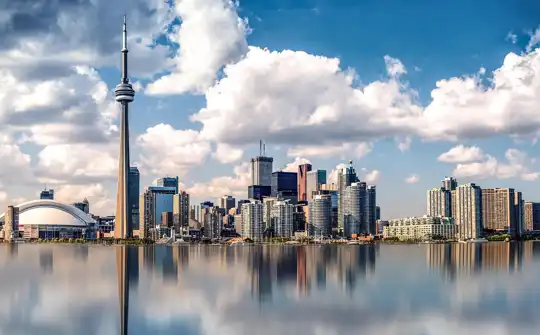
Toronto sits on the north shore of Lake Ontario, in southern Ontario, a quick hop from the U.S. border. For backpackers, it’s easy-mode logistics: safe, walkable core, excellent transit, and hostels where you’ll actually meet people. The CN Tower, AGO, and Distillery District are worth your time; the Islands are your escape valve when the glass-and-condo energy gets intense. It’s pricier than Montreal, less charming than Quebec City, but more diverse and nightlife-heavy than both. The vibe: big, busy, polite, and quietly weird once you crack the surface.

Discover everything you want to know in the 📖 Canada Travel Guide.


Get your Canada guide
127 ranked highlights, routes & tips, works offline (492 pages)
Loading the map 🌍
CLICK TO FILTER
cities
towns
villages
landmarks
national parks
hikes
beaches
attractions
festivals
regions
SHOW COUNTRY’S BESTSHOW ALL

✨ Why go?
Ranked #3 city in Canada
What sets this place apart

Toronto is a backpacker’s hub that balances time, money, and comfort seamlessly. It’s a city where you can dive into a mix of highlights without feeling rushed. The walkability is a game-changer; you can explore diverse neighborhoods on foot, soaking in the local vibe while saving on transit costs.

Hostels here are not just places to crash; they’re vibrant communities that often host events, making it easy to meet fellow travelers. The food scene is a treasure trove of affordable eats, from food trucks to cozy cafes, allowing you to indulge without breaking the bank.

Toronto also serves as a basecamp for day trips to stunning natural spots, maximizing your experience without the hassle of constant packing. The nightlife is lively and varied, offering everything from laid-back bars to energetic … read more 👉
Toronto is a backpacker’s hub that balances time, money, and comfort seamlessly. It’s a city where you can dive into a mix of highlights without feeling rushed. The walkability is a game-changer; you can explore diverse neighborhoods on foot, soaking in the local vibe while saving on transit costs.

Hostels here are not just places to crash; they’re vibrant communities that often host events, making it easy to meet fellow travelers. The food scene is a treasure trove of affordable eats, from food trucks to cozy cafes, allowing you to indulge without breaking the bank.

Toronto also serves as a basecamp for day trips to stunning natural spots, maximizing your experience without the hassle of constant packing. The nightlife is lively and varied, offering everything from laid-back bars to energetic clubs, so you can unwind after a day of exploration.

With easy onward travel options, Toronto fits neatly into your backpacking route, whether you’re heading to the U.S. or deeper into Canada. It’s a city that invites you to linger, but also makes a solid stop if you’re on a tighter schedule.
Want to include Toronto in your Canada route?
Create a personalized Canada itinerary that includes Toronto and the places that fit your trip — based on your travel style, budget, and available time. Get your route in seconds.

Generate my trip

💡 HighlightsEssential experiences to have while visiting Toronto

  • CN Tower — The skyline’s unofficial crown: panoramic views of the lake and city, great photo angles and the adrenaline option of EdgeWalk if you want to dangle off 356 metres up. It’s touristy but the look-from-above really grounds how Toronto sits on the water.
  • St. Lawrence Market — Historic market hall where you can eat like a local, grab staples, and meet vendors whose businesses have been running for generations; the building itself and the Saturday farmers’ market capture Toronto’s food and immigrant history better than any guidebook blurb.
  • Kensington Market — A tight, walkable neighborhood of thrift shops, independent coffee spots, Caribbean bakeries and murals; chaotic, multicultural and endlessly interesting for people-watching and cheap, tasty finds.
  • Distillery Historic District
read more 👉
  • CN Tower — The skyline’s unofficial crown: panoramic views of the lake and city, great photo angles and the adrenaline option of EdgeWalk if you want to dangle off 356 metres up. It’s touristy but the look-from-above really grounds how Toronto sits on the water.
  • St. Lawrence Market — Historic market hall where you can eat like a local, grab staples, and meet vendors whose businesses have been running for generations; the building itself and the Saturday farmers’ market capture Toronto’s food and immigrant history better than any guidebook blurb.
  • Kensington Market — A tight, walkable neighborhood of thrift shops, independent coffee spots, Caribbean bakeries and murals; chaotic, multicultural and endlessly interesting for people-watching and cheap, tasty finds.
  • Distillery Historic District — Restored Victorian industrial architecture on cobblestones filled with galleries, artisan shops and performance spaces; it’s a living piece of Toronto’s industrial past that’s also a nice place to wander off-season when the crowds thin out.
  • Toronto Islands — A short ferry ride to car-free beaches, bike paths and skyline views that change the city’s vibe entirely; perfect for biking, picnicking or renting a kayak and feeling like you left the metropolis for a bit.
  • Royal Ontario Museum (ROM) — One of Canada’s largest museums with natural history, global cultures and eye-catching architecture (hello, the Crystal); thoughtful exhibits and rotating shows make it worth a few hours any season.
  • Graffiti Alley (Rush Lane area) — A concentrated outdoor gallery of ever-changing street art that captures Toronto’s creative, DIY energy; great for photos and seeing how the city’s visual culture talks back to its streets.
  • High Park — Toronto’s biggest public park with trails, a free small zoo, ponds and famous cherry blossoms in spring; it’s where locals picnic, run, and escape without leaving the city.
  • Casa Loma — A real castle in midtown with period rooms, secret staircases and rooftop views; it’s a quirky, photogenic slice of Toronto’s early-20th-century ambitions and good for history fans who like a bit of theatre.
  • Black Creek Pioneer Village — A living-history museum recreating 19th-century Ontario life with costumed interpreters, workshops and historic buildings; you actually walk into the province’s rural past and get a hands-on sense of how people lived here before the city grew up around it.
For day trips outside Toronto: Niagara Falls, the wineries and beaches of Prince Edward County, and the many waterfalls and trails around Hamilton are all easy one-day adventures — personal favourite: hiking the waterfalls around Hamilton for endless short hikes and dramatic cascades.
Spotted a mistake or missing something? Contact us.

Things to do in Toronto

Ratings based on Tripadvisor reviews. When you book through this link, you support our work at no extra cost to you.

🏘️ NeighborhoodsKey areas and districts to know

Toronto is a city of neighborhoods, each with its own character and offerings. Here’s a breakdown to help you navigate your choices.

Queen Street West: This area is a cultural hotspot, buzzing with art galleries, boutiques, and cafes. It’s walkable, making it easy to explore on foot. Expect mid-range prices for accommodation, but the vibrant nightlife makes it worth it. Perfect for short stays if you want to soak in the local scene quickly.

Kensington Market: A bohemian enclave filled with eclectic shops and diverse food options. The vibe is laid-back and friendly. Prices are generally lower here, making it budget-friendly. Walkability is high, and you can easily spend a few days enjoying the local culture. Great for longer stays if you want to immerse yourself in Toronto’s alternative scene. … read more 👉
Toronto is a city of neighborhoods, each with its own character and offerings. Here’s a breakdown to help you navigate your choices.

Queen Street West: This area is a cultural hotspot, buzzing with art galleries, boutiques, and cafes. It’s walkable, making it easy to explore on foot. Expect mid-range prices for accommodation, but the vibrant nightlife makes it worth it. Perfect for short stays if you want to soak in the local scene quickly.

Kensington Market: A bohemian enclave filled with eclectic shops and diverse food options. The vibe is laid-back and friendly. Prices are generally lower here, making it budget-friendly. Walkability is high, and you can easily spend a few days enjoying the local culture. Great for longer stays if you want to immerse yourself in Toronto’s alternative scene.

Distillery District: Known for its historic buildings and cobblestone streets, this area is picturesque and charming. It’s a bit pricier, but the unique shops and art installations make it worthwhile. While it’s quieter at night, it’s easily accessible via public transport. Ideal for short visits focused on aesthetics and history.

Yorkville: This upscale neighborhood is perfect for those looking to splurge a bit. High-end shops and fine dining abound. It’s walkable, but expect higher accommodation costs. The nightlife is more subdued, making it suitable for a quieter stay. Great for short trips if you want a taste of luxury.

Scarborough Bluffs: A bit off the beaten path, this area offers stunning views of Lake Ontario. It’s less touristy, so prices are lower. While public transport is available, it’s best explored with a bit of time. Perfect for longer stays if you want a peaceful retreat from the city buzz.

⌛️ 1 dayWhat you can realistically do in a day

Toronto is a city that thrives on diversity, blending cultures, cuisines, and experiences into a vibrant tapestry. You can feel the energy pulse through its neighborhoods, each with its own character. Spend a day here, and you’ll uncover layers of history, art, and local flavor that make this metropolis truly special.

Start your morning in the Distillery District, a historic area filled with cobblestone streets and Victorian-era buildings. Grab a coffee at one of the local cafés, like Balzac’s, where the aroma of freshly brewed beans mingles with the scent of baked goods. Stroll through the artisan shops and galleries, soaking in the creative vibe. This is a perfect spot to kick off your day without the tourist crowds.

As the sun climbs higher, head over to Kensington Market, a neighborhood … read more 👉
Toronto is a city that thrives on diversity, blending cultures, cuisines, and experiences into a vibrant tapestry. You can feel the energy pulse through its neighborhoods, each with its own character. Spend a day here, and you’ll uncover layers of history, art, and local flavor that make this metropolis truly special.

Start your morning in the Distillery District, a historic area filled with cobblestone streets and Victorian-era buildings. Grab a coffee at one of the local cafés, like Balzac’s, where the aroma of freshly brewed beans mingles with the scent of baked goods. Stroll through the artisan shops and galleries, soaking in the creative vibe. This is a perfect spot to kick off your day without the tourist crowds.

As the sun climbs higher, head over to Kensington Market, a neighborhood that feels like a world unto itself. Here, you can wander through eclectic shops and grab lunch at one of the many food stalls. Try a jerk chicken wrap from a local vendor or a fresh taco from a nearby taqueria. The atmosphere is lively, and the people are friendly—perfect for striking up a conversation.

In the afternoon, make your way to the iconic CN Tower. While it’s a tourist hotspot, the view from the observation deck is worth it. You can see the sprawling city and Lake Ontario stretching out to the horizon. If you’re feeling adventurous, consider the EdgeWalk, where you can walk around the tower’s edge—an experience that’s definitely not for the faint of heart.

As evening falls, head to the waterfront at Harbourfront Centre. This area often hosts free events, art installations, and live music. Grab dinner at a nearby restaurant like the Amsterdam BrewHouse, where you can enjoy a local craft beer with a view of the lake.

For a unique twist, don’t miss the nearby Toronto Islands. A quick ferry ride takes you to a serene escape from the city buzz, where you can stroll or bike along the paths. The skyline views from here are stunning, especially at sunset.

In just one day, you’ve navigated through history, culture, and local life, all while savoring the essence of Toronto. Each choice you made—whether to linger in a café or take a ferry—crafted a rich experience that’s yours to remember.
Turn your Toronto visit into an Canada adventure
Build a complete Canada route with Toronto, hidden gems, must-see destinations, and realistic travel times included.

Generate my trip

🌤️ When to go?Weather, crowds, and seasonal trade-offs


  • Weather: Toronto’s climate swings dramatically. Summers (June to August) are warm and humid, averaging 20-27°C (68-81°F), perfect for outdoor adventures but sticky if you’re not a fan of heat. Winters (December to February) plunge below freezing, often hitting -5 to -10°C (23-14°F), which can be brutal for backpackers without proper gear.

  • Daylight Hours: Long summer days stretch up to 15 hours, giving you more daylight for exploring. Winter days shrink to about 9 hours, limiting your window for sightseeing and making early nights a norm.

  • Crowds: Tourist traffic peaks in summer, especially around July and August, inflating prices and filling hostels. Shoulder seasons—late spring and early fall—offer a quieter vibe with fewer tourists and more breathing room.

  • Seasonal Activities: Summer
read more 👉

  • Weather: Toronto’s climate swings dramatically. Summers (June to August) are warm and humid, averaging 20-27°C (68-81°F), perfect for outdoor adventures but sticky if you’re not a fan of heat. Winters (December to February) plunge below freezing, often hitting -5 to -10°C (23-14°F), which can be brutal for backpackers without proper gear.

  • Daylight Hours: Long summer days stretch up to 15 hours, giving you more daylight for exploring. Winter days shrink to about 9 hours, limiting your window for sightseeing and making early nights a norm.

  • Crowds: Tourist traffic peaks in summer, especially around July and August, inflating prices and filling hostels. Shoulder seasons—late spring and early fall—offer a quieter vibe with fewer tourists and more breathing room.

  • Seasonal Activities: Summer hosts festivals, outdoor markets, and waterfront events, making it lively but busy. Fall brings colorful foliage and harvest festivals, while winter offers ice skating and holiday markets, but expect some attractions to close.

  • Price Fluctuations: Accommodation and flights spike in summer and during major events. Spring and fall see moderate prices, while winter is the cheapest but demands cold-weather readiness.


Pro-tip: Aim for late May or early October—mild weather, manageable crowds, and better prices create a sweet spot where comfort and value align perfectly.


source: climatestotravel.comJANJanuary: fair for travelingFEBFebruary: fair for travelingMARMarch: good for travelingAPRApril: good for travelingMAYMay: highly recommended for travelingJUNJune: excellent for travelingJULJuly: highly recommended for travelingAUGAugust: highly recommended for travelingSEPSeptember: highly recommended for travelingOCTOctober: excellent for travelingNOVNovember: good for travelingDECDecember: fair for traveling
Canada - Toronto

✈️ The backpacker research shortcutCanada Travel Guide

An offline-friendly backpacking guide with optimized travel routes, ranked highlights, transport advice, and the best areas to stay.
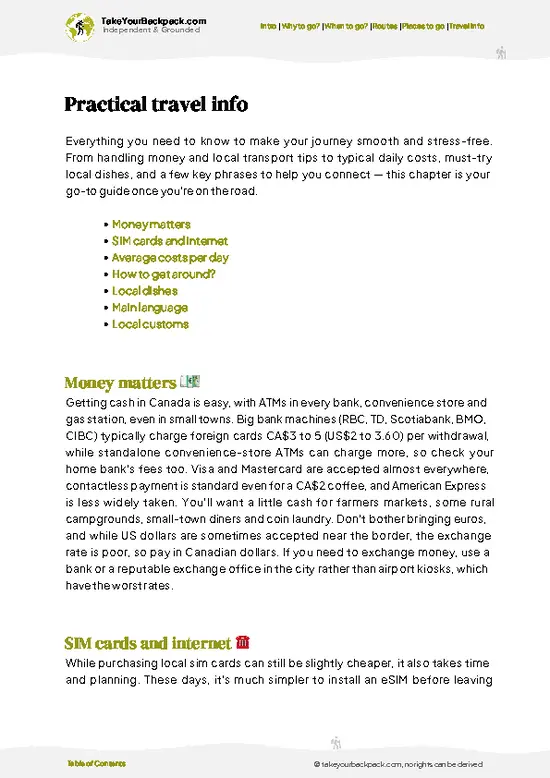
example page 0 from our offline Travel Guide for Canada
example page 1 from our offline Travel Guide for Canada
example page 2 from our offline Travel Guide for Canada
example page 3 from our offline Travel Guide for Canada
example page 4 from our offline Travel Guide for Canada
example page 5 from our offline Travel Guide for Canada
example page 6 from our offline Travel Guide for Canada
example page 7 from our offline Travel Guide for Canada
The digital guide (492 pages) contains:
127 highlights, ranked by travel appeal
Optimized 14, 21 & 30-day travel routes
Cities, national parks, landmarks, beaches
How to get around
Offline-friendly for travel without Wi-Fi
👉 Click to see all 30+ guide features

📅 Plan smarter in minutes, not weeks
Month by month travel advice
Festivals & national holidays
Budget expectations

🗺️ Go to the right places, skip the overrated ones
Honest pros & cons of destinations
Top hikes, parks & viewpoints
Lesser-known places most travelers miss
Clear “worth it vs skip it” guidance

🛏️ Travel smoothly without rookie mistakes
Best areas to stay
Transport systems explained simply
Common scams & safety advice
SIM cards, money & practical tips

🌍 Understand the country, not just visit it
Culture & traditions
Local customs
Festivals worth planning around
Traveler-friendly historical context
Insights that make places more meaningful

📱 Built for real travel conditions
Fully downloadable PDF
Works completely offline
Optimized for phone use
Useful in remote areas & buses
Everything in one place
Save weeks of stressful planning
Get instant access to your full guide. 30‑day money-back guarantee.
+ Add another guide for just US$7.80

By proceeding you agree to our terms.
Sent to your inbox immediately after payment • 100% Secure Checkout
Best Backpacking Travel Advisor 2025 tourism awardBest Backpacking
Travel Advisor
2025
What others say about Take Your Backpack Guides:
⭐⭐⭐⭐⭐
Fantastic, amazing amount of information!
⭐⭐⭐⭐⭐
My goodness this is amazing, it's what I've been looking for hats off too you!
⭐⭐⭐⭐⭐
I think this is absolutely BRILLIANT
⭐⭐⭐⭐
Very complete and informative. It's still missing places, but I gotta to commend you
⭐⭐⭐⭐⭐
This is truly amazing, thank you, can't wait to explore it with my kids!
⭐⭐⭐⭐⭐
Awesome resource, thank you!
⭐⭐⭐⭐⭐
This is amazing! Can't wait to explore the ones I haven't seen
⭐⭐⭐⭐
I love this! Well done, great idea.
⭐⭐⭐⭐⭐
Thanks for taking the time to make this gem!
⭐⭐⭐⭐⭐
This might be the best website I've ever seen.
⭐⭐⭐⭐⭐
Congratulations, and thank you so much for your work; it's incredibly valuable.
⭐⭐⭐⭐
In all seriousness I think you did a great job pointing out the important spots
⭐⭐⭐⭐⭐
10/10 very good
⭐⭐⭐⭐⭐
As someone who's only just starting to visit regularly this is awesome, thank you.
⭐⭐⭐⭐
Thank you very much! I'm going to visit my dad, it's going to be very useful!
⭐⭐⭐⭐⭐
This is really cool! We'll be travelling for the first time and this definitely come in handy.
⭐⭐⭐⭐⭐
You are now our minister of culture, congratulations 👨‍💼
⭐⭐⭐⭐⭐
Just wanted to tell you that this is a pearl! Going to follow your recommendations.
⭐⭐⭐⭐⭐
This is so cool. I'll definitely be using the resource for my travels soon.
⭐⭐⭐⭐⭐
This is very impressive! Good work.
⭐⭐⭐⭐⭐
This is an amazing and informative site. Very well done!

🛏️ Where to stay?How to pick the right area

Toronto’s backpacker sweet spot is a dance between downtown buzz and wallet-friendly comfort. The Downtown Core is the obvious choice—safe, packed with hostels, and a magnet for solo travelers craving social vibes. It’s where you’ll find the pulse of the city: streetcars, endless eateries, and nightlife that doesn’t quit. Staying here means you’re paying a premium for convenience, but you’re also saving time and transport costs, which is a smart trade-off if your trip is short or you want to maximize every hour.

Slide a bit west to Queen West, and you tap into a hipper, artsier scene. It’s still … read more 👉
Toronto’s backpacker sweet spot is a dance between downtown buzz and wallet-friendly comfort. The Downtown Core is the obvious choice—safe, packed with hostels, and a magnet for solo travelers craving social vibes. It’s where you’ll find the pulse of the city: streetcars, endless eateries, and nightlife that doesn’t quit. Staying here means you’re paying a premium for convenience, but you’re also saving time and transport costs, which is a smart trade-off if your trip is short or you want to maximize every hour.

Slide a bit west to Queen West, and you tap into a hipper, artsier scene. It’s still safe and social but with a grittier edge that attracts budget travelers who want character over polish. Hostels here tend to be smaller and more intimate, perfect if you want to meet people but avoid the tourist crush. You’ll sacrifice a little ease of access to major transit hubs, but the vibe and local flavor more than compensate.

If you want to stretch your dollar further, Parkdale offers a raw, evolving neighborhood with affordable stays and a strong community feel. It’s less polished, so comfort dips, but the trade-off is a genuine slice of Toronto life and a chance to connect with locals and fellow travelers alike.

Each area balances time, money, and comfort differently. Downtown is your time-saver with a price tag; Queen West trades some convenience for culture; Parkdale flips the script, prioritizing budget and authenticity over polish. Your choice depends on what you’re willing to trade off—and what kind of trip you want to win.

🚌 Getting aroundMoving around without the hassle

Toronto moves with a pulse that’s part clockwork, part improvisation. The subway hums on a strict timetable, a steel artery cutting through the city’s sprawling veins, while buses and streetcars weave through traffic with a bit more wiggle room—sometimes on time, sometimes not. Walking here is a dance between the grid’s predictability and the city’s spontaneous energy. Understanding this flow means you’re not just a passenger; you’re a player in a system where every choice nudges your trip’s balance of time, money, and comfort.


  • Subway (TTC): Runs roughly from 6 a.m. to 1:30 a.m., with trains every 2-5 minutes during peak hours. At $3.35 per ride (cash or PRESTO card), it’s the fastest way to cover long distances downtown and beyond. Comfort is decent—crowded during rush hour but climate-controlled
read more 👉
Toronto moves with a pulse that’s part clockwork, part improvisation. The subway hums on a strict timetable, a steel artery cutting through the city’s sprawling veins, while buses and streetcars weave through traffic with a bit more wiggle room—sometimes on time, sometimes not. Walking here is a dance between the grid’s predictability and the city’s spontaneous energy. Understanding this flow means you’re not just a passenger; you’re a player in a system where every choice nudges your trip’s balance of time, money, and comfort.


  • Subway (TTC): Runs roughly from 6 a.m. to 1:30 a.m., with trains every 2-5 minutes during peak hours. At $3.35 per ride (cash or PRESTO card), it’s the fastest way to cover long distances downtown and beyond. Comfort is decent—crowded during rush hour but climate-controlled year-round. The trade-off: you sacrifice some street-level charm for speed and reliability.


  • Streetcar: Operating 24/7 on key routes like Queen and King Streets, streetcars cost the same as the subway but move slower, averaging 10-15 minutes per mile due to traffic. They offer a more scenic, open-air feel and frequent stops, perfect if you want to soak in the city’s vibe without breaking the bank. Expect occasional delays, especially in rush hour traffic.


  • Bus: Covers areas beyond the subway and streetcar reach, running from early morning until about midnight. Buses share the $3.35 fare and can be slower due to traffic, but they’re essential for reaching neighborhoods off the main transit lines. Comfort varies—older models can be cramped, newer ones offer air conditioning and Wi-Fi.


  • Walking: Toronto’s downtown core is surprisingly walkable, with a grid layout that makes navigation straightforward. Walking costs nothing but time and energy, offering the richest sensory experience—street sounds, smells from food vendors, and unexpected alleyway art. It’s the ultimate comfort trade-off: zero fare, zero speed, maximum immersion.


  • Bike Share (Bike Share Toronto): Available 24/7 with stations scattered across downtown and midtown, this option costs $3.25 for a single 30-minute ride or $99 for an annual membership. It’s faster than walking and offers fresh-air freedom but requires physical effort and some street savvy. Weather-dependent and less comfortable in rain or cold, it’s a smart choice for those who want control over pace and route.

👛 Costs (as of 4 September 2026)Typical daily expenses

Backpacking in Toronto means balancing a mix of North American prices with the occasional budget-friendly option if you know where to look. Here’s the breakdown of what you’re really paying for day-to-day.
  • Dorm Accommodation (High Season): Expect to pay between $35 and $50 USD per night in popular hostels during peak months (summer and holidays). These spots fill fast, so prices reflect demand and central locations.
  • Dorm Accommodation (Off-Season): Drop to around $25 to $40 USD per night when the city cools down in fall and winter. You might find quieter hostels with better deals, but some amenities could be limited.
  • Meals: Budget around $10 to $20 USD per meal if you stick to casual spots like food trucks, fast-casual chains, or grocery store ready meals. Splurging on a sit-down meal pushes
read more 👉
Backpacking in Toronto means balancing a mix of North American prices with the occasional budget-friendly option if you know where to look. Here’s the breakdown of what you’re really paying for day-to-day.
  • Dorm Accommodation (High Season): Expect to pay between $35 and $50 USD per night in popular hostels during peak months (summer and holidays). These spots fill fast, so prices reflect demand and central locations.
  • Dorm Accommodation (Off-Season): Drop to around $25 to $40 USD per night when the city cools down in fall and winter. You might find quieter hostels with better deals, but some amenities could be limited.
  • Meals: Budget around $10 to $20 USD per meal if you stick to casual spots like food trucks, fast-casual chains, or grocery store ready meals. Splurging on a sit-down meal pushes this higher, but street eats and markets keep costs manageable.
  • Local Transport: Single rides on buses or streetcars cost about $3.25 USD. If you’re hopping on and off, this adds up quickly.
  • City Transport Pass: The 1-day pass runs about $13 USD, and a 7-day pass is roughly $43 USD. These are smart buys if you plan multiple trips across the city in a day or week, saving both time and money.
  • Basic Activities/Entry Fees: Museums and galleries typically charge $15 to $25 USD for entry. Some parks and public spaces are free, but special exhibits or tours can push the price higher.
  • Miscellaneous Expenses: Factor in around $5 to $10 USD daily for things like bottled water, snacks, or small souvenirs. These add up but are easy to control.

Add it all up, and you’re looking at roughly $60 to $110 USD per day for a solid backpacking experience in Toronto. The key trade-off here is between comfort and convenience: paying a bit more for a central hostel or a transit pass can save you time and hassle, while skimping on meals or transport might stretch your budget but cost you in energy and experience. Knowing where you want to invest your time and money lets you play the system smartly, turning the city’s price puzzle into a win.


source: numbeo.com
⚠️ Prices can change and everyone travels differently, so take this as a rough guide. Hope it helps you plan your adventure!

🚌 Day tripsExploring the surroundings

Toronto is a fantastic launchpad for day trips that offer a mix of nature, culture, and adventure. Here are some standout options that pack a punch without draining your wallet.

Niagara Falls
Just a 1.5-hour drive or a quick bus ride from Toronto, Niagara Falls is a must-see. The roar of the water is something you have to experience in person. You can stroll along the pathways or take a boat ride to feel the mist on your face. Budget travelers can manage this trip for around $30–$50, including transport and a cheap lunch. Spring and fall are ideal for fewer crowds and stunning views. A common mistake? Skipping the lesser-known trails that offer unique perspectives of the falls.
👉 Explore Niagara Falls

St. Lawrence Market
If you’re craving a taste of local life, head to St. Lawrence … read more 👉
Toronto is a fantastic launchpad for day trips that offer a mix of nature, culture, and adventure. Here are some standout options that pack a punch without draining your wallet.

Niagara Falls
Just a 1.5-hour drive or a quick bus ride from Toronto, Niagara Falls is a must-see. The roar of the water is something you have to experience in person. You can stroll along the pathways or take a boat ride to feel the mist on your face. Budget travelers can manage this trip for around $30–$50, including transport and a cheap lunch. Spring and fall are ideal for fewer crowds and stunning views. A common mistake? Skipping the lesser-known trails that offer unique perspectives of the falls.
👉 Explore Niagara Falls

St. Lawrence Market
If you’re craving a taste of local life, head to St. Lawrence Market, just a short subway ride away. This bustling market is a food lover’s paradise, filled with artisanal cheeses, fresh produce, and mouthwatering street food. You can easily spend a few hours sampling local delicacies for about $20. The best time to visit is on Saturdays when the farmers’ market is in full swing. Don’t miss the chance to chat with vendors; they often share hidden gems about the city.


Algonquin Provincial Park
For a dose of wilderness, Algonquin Provincial Park is about a 3-hour drive from Toronto. This park is a haven for hiking, canoeing, and wildlife spotting. You can rent a canoe for around $40 and spend the day paddling through serene lakes. The fall foliage is breathtaking, making autumn the prime season to visit. A common rookie error is underestimating the park’s size; plan your hikes accordingly to avoid getting lost.


Hamilton Waterfalls
Just an hour away, Hamilton boasts over 100 waterfalls, making it a hidden treasure for nature enthusiasts. The best part? Many of them are easily accessible via short hikes. You can explore several falls in a day for under $20, including transport. Spring is particularly beautiful as the waterfalls are at their fullest. A common mistake is sticking to the popular ones; venture off the beaten path for a more tranquil experience.


Each of these trips offers a unique slice of Ontario life, making your Toronto base a strategic choice for adventure.
Want to know what more Canada offers?
The Canada Travel Guide describes 127 highlights, from cities to national parks, from beaches to hikes

Get the Travel Guide -

🍲 FoodLocal Cuisine & Drinks

Toronto’s food scene is a melting pot of cultures, reflecting its diverse population. You can’t visit without trying the peameal bacon sandwich, a local breakfast staple that’s savory and satisfying. Grab one from a bustling market stall, where the aroma of sizzling bacon mingles with the chatter of fellow travelers.

For a quick bite, street food is your best friend. Look for food trucks serving everything from butter chicken poutine to korean tacos. Each bite is a fusion of flavors that tells a story of the city’s culinary evolution.

When the sun sets, Toronto’s bar scene comes alive. Head to a local pub for a pint of Ontario craft beer. The atmosphere is relaxed, with friendly locals eager to share their favorite brews. Don’t miss out on the Toronto cocktail culture; innovative drinks … read more 👉
Toronto’s food scene is a melting pot of cultures, reflecting its diverse population. You can’t visit without trying the peameal bacon sandwich, a local breakfast staple that’s savory and satisfying. Grab one from a bustling market stall, where the aroma of sizzling bacon mingles with the chatter of fellow travelers.

For a quick bite, street food is your best friend. Look for food trucks serving everything from butter chicken poutine to korean tacos. Each bite is a fusion of flavors that tells a story of the city’s culinary evolution.

When the sun sets, Toronto’s bar scene comes alive. Head to a local pub for a pint of Ontario craft beer. The atmosphere is relaxed, with friendly locals eager to share their favorite brews. Don’t miss out on the Toronto cocktail culture; innovative drinks often feature local ingredients, making each sip a unique experience.

As for customs, don’t be surprised if you’re offered a round of drinks—it’s a common way to bond. Just remember to tip generously; it’s a sign of respect for the hard work behind the bar. Embrace the flavors, the people, and the vibrant energy that makes Toronto a foodie’s playground.

🛡️ SafetyStaying Safe: What Travelers Should Know

Toronto is generally a safe city for backpackers, but a few areas and situations warrant extra awareness. Stick to well-lit streets in neighborhoods like Kensington Market or the Entertainment District after dark. Solo travelers should feel comfortable, but it’s wise to stay alert, especially when using public transport late at night.

Common scams are rare, but watch out for overly friendly strangers asking for money or offering unsolicited help. If someone approaches you with a sob story, it’s okay to politely decline. Everyday annoyances include the occasional street performer who might get a bit too persistent, so a friendly smile and a quick “no thanks” usually do the trick.

Carry yourself confidently and keep your belongings secure. A crossbody bag is ideal for easy access and safety. … read more 👉
Toronto is generally a safe city for backpackers, but a few areas and situations warrant extra awareness. Stick to well-lit streets in neighborhoods like Kensington Market or the Entertainment District after dark. Solo travelers should feel comfortable, but it’s wise to stay alert, especially when using public transport late at night.

Common scams are rare, but watch out for overly friendly strangers asking for money or offering unsolicited help. If someone approaches you with a sob story, it’s okay to politely decline. Everyday annoyances include the occasional street performer who might get a bit too persistent, so a friendly smile and a quick “no thanks” usually do the trick.

Carry yourself confidently and keep your belongings secure. A crossbody bag is ideal for easy access and safety. Overall, with a little awareness and common sense, you can navigate Toronto smoothly and enjoy its vibrant culture.

FAQTraveler FAQ

3 to 4 days are sufficient to explore Toronto's main attractions including the CN Tower, Royal Ontario Museum, and Distillery District. This allows time for a day trip to Niagara Falls, which is about 1.5 hours away by car or bus. Additional days can be added for museums, neighborhoods, and cultural events.
Yes, Toronto is generally safe for solo backpackers. The city has a low violent crime rate compared to other major North American cities, and public transit is reliable and well-monitored. Standard precautions like avoiding poorly lit areas at night and keeping belongings secure are advised.
Toronto is known for its iconic CN Tower, diverse multicultural population, and vibrant arts scene. It is also recognized as a major financial hub in Canada and for its extensive network of parks and waterfront along Lake Ontario.
⚠️ Things can change over time, so always validate details locally before you go.

Other Canadian cities near Toronto

Explore more nearby:

  • Kingston—Lake Ontario, limestone buildings, university town| 240 km away
  • Ottawa—Parliament Hill, Rideau Canal, national museums| 352 km away
  • Montreal—Mount Royal, diverse neighborhoods, festivals| 504 km away

💡 Not sure where to go next?
Create a personalized itinerary for Canada including Toronto and the places that fit your trip.

Generate my itinerary

👉 Discover all cities

Or checkout all Canada has to offer (think cities, towns, villages, national parks, hikes, beaches, festivals)
Country photo of Canada

We 💚 feedbackWhat to keep in mind

Toronto’s food scene is a game-changer. From street vendors to high-end dining, you can taste the world in just a few blocks. But here’s the catch: it’s pricey. Eating well can quickly drain your wallet, especially in trendy neighborhoods. Plan your splurges wisely, and you’ll savor every bite without feeling broke. Embrace the flavors, but keep an eye on your budget; it’s all part of the adventure.

✈️ When did I visit Canada?
As part of my 1.5 year travel around the world trip, I visited Canada in 2016.

✍️ Help improve this page!
The information on this page is based on my own backpacking experience in Canada, supplemented with up-to-date research and feedback from other travelers. Travel details can change, so if you notice anything outdated or incomplete, feel free to let me know.


🙋‍♂️ Give feedback

👋 Meet the founderWho’s Behind Take Your Backpack?

Johan, backpacker and founder of TakeYourBackpackHi, I’m Johan (Netherlands 🇳🇱), the creator of TakeYourBackpack. Over the past decade, I’ve backpacked through 80+ countries across six continents, gaining extensive experience with independent travel, long-term trips, and overland routes.

This site is built on a combination of firsthand travel experience and carefully curated insights from other backpackers. Many guides are based on places I’ve personally visited, while others bring together tips, observations, and practical advice shared by trusted travelers I’ve met along the way.

The goal is to provide realistic, experience-driven guidance — not generic itineraries — so you can explore destinations with better context, clearer expectations, and more confidence.

Get full Canada guide •
Instant download • 127 highlights • Full Offline guide