×

Canada🇨🇦 | best citiesEssential 10 cities to Explore in Canada

In Canada, cities pulse with distinct rhythms shaped by their geography and culture. From the bustling streets of Toronto to the laid-back vibe of Victoria, each urban center offers a unique flavor that influences your backpacking experience. Major hubs like Montreal and Vancouver boast rich cultural scenes, vibrant nightlife, and extensive public transport, making them ideal for independent travelers seeking both adventure and convenience.

In contrast, smaller cities such as Halifax or St. John’s provide a more intimate atmosphere, where local charm and community spirit shine through. These places often have lower costs and fewer crowds, allowing for deeper cultural immersion. However, they may lack the same level of connectivity, which can affect your travel plans.

Seasonal nuances also play a critical role. Winter transforms cities into snowy wonderlands, while summer brings festivals and outdoor activities. Choosing the right city impacts your budget, safety, and overall vibe. For instance, urban centers tend to be more expensive but offer a wealth of experiences, while smaller towns can provide a more affordable yet enriching backdrop. Understanding these dynamics will help you navigate Canada’s diverse urban landscape effectively.

By Johan Kruseman 🇳🇱 | Updated June 18, 2026
Explore the best towns in Canada

Why go?Why Travelers Love These Spots

Canada’s cities stand out on the global stage due to their cultural diversity and historical depth. Each urban center reflects a mosaic of influences, from Indigenous heritage to waves of immigration that have shaped the national identity. This rich tapestry creates a unique urban experience, where festivals, cuisines, and languages intermingle, offering travelers a chance to engage with a variety of cultures in a single visit.

The regional identities of Canadian cities are deeply rooted in their geography and climate. From the rugged coastlines of the West to the vibrant urban centers of the East, each city has its own character shaped by its surroundings. The transport networks are generally well-developed, connecting urban areas efficiently. However, this can lead to trade-offs. While … read more 👉
Canada’s cities stand out on the global stage due to their cultural diversity and historical depth. Each urban center reflects a mosaic of influences, from Indigenous heritage to waves of immigration that have shaped the national identity. This rich tapestry creates a unique urban experience, where festivals, cuisines, and languages intermingle, offering travelers a chance to engage with a variety of cultures in a single visit.

The regional identities of Canadian cities are deeply rooted in their geography and climate. From the rugged coastlines of the West to the vibrant urban centers of the East, each city has its own character shaped by its surroundings. The transport networks are generally well-developed, connecting urban areas efficiently. However, this can lead to trade-offs. While cities like Toronto and Vancouver boast extensive public transit systems, the time spent traveling can detract from the immersive experiences that define a visit. Choosing to explore a city thoroughly may mean sacrificing time in transit, but the payoff is often a deeper understanding of local life and history.

Canada’s climatic conditions also play a significant role in shaping urban experiences. Harsh winters can limit outdoor activities, pushing travelers indoors to explore museums, galleries, and cultural centers. This seasonal shift can enhance the appreciation of local art and history, but it may also restrict the types of experiences available. Travelers must weigh the comfort of indoor exploration against the potential vibrancy of outdoor festivals and events that flourish in warmer months.

Moreover, the infrastructural factors in Canadian cities can vary widely. While some areas are pedestrian-friendly, others may require a car to access key attractions. This can influence the depth of exploration, as relying on public transport or walking may lead to serendipitous discoveries, while driving could streamline the experience but limit spontaneous interactions with locals.

Ultimately, Canada’s cities offer a blend of accessibility and immersive experiences. The choice between spending time navigating urban landscapes or delving into the rich cultural offerings is a crucial consideration for travelers. Understanding these trade-offs allows for a more conscious approach to exploring Canada’s urban environments, ensuring that each experience is not just seen but felt, making the journey all the more rewarding.
Evaluating the Top Choices
The list of best cities in Canada is created based on culture, vibe, attractions, transport ease, and local charm. If you feel a city is missing in this list, please let us know.

When to go?Best Time to Visit Canada for cities

Seasonality shapes the experience of visiting cities across Canada. Each season brings its own character, influencing everything from weather to local events.

Winter blankets the cities in snow, creating a serene, quiet atmosphere. Temperatures can plunge, often leading to biting winds. However, this season offers unique cultural experiences, such as winter festivals and holiday markets. Crowds are generally thinner, allowing for a more intimate exploration of urban spaces. The trade-off? Cold weather may deter some, but those who embrace it can enjoy lower accommodation costs and fewer tourists.

Spring emerges slowly, with temperatures gradually rising. This season is marked by the awakening of nature, as flowers bloom and parks come alive. Cultural events begin to ramp up, with festivals … read more 👉
Seasonality shapes the experience of visiting cities across Canada. Each season brings its own character, influencing everything from weather to local events.

Winter blankets the cities in snow, creating a serene, quiet atmosphere. Temperatures can plunge, often leading to biting winds. However, this season offers unique cultural experiences, such as winter festivals and holiday markets. Crowds are generally thinner, allowing for a more intimate exploration of urban spaces. The trade-off? Cold weather may deter some, but those who embrace it can enjoy lower accommodation costs and fewer tourists.

Spring emerges slowly, with temperatures gradually rising. This season is marked by the awakening of nature, as flowers bloom and parks come alive. Cultural events begin to ramp up, with festivals celebrating art and music. The shoulder months of March and April can be unpredictable; visitors may encounter lingering cold or even late snow. The trade-off here is between enjoying the fresh vibrancy of spring and the potential for less-than-ideal weather. Crowds start to build, but they are still manageable compared to summer.

Summer is peak season for many Canadian cities. Warm temperatures draw both locals and tourists, creating a lively atmosphere. Outdoor events, concerts, and street festivals abound, showcasing the cultural richness of urban life. However, this season also brings larger crowds and higher prices for accommodations. The trade-off is clear: vibrant experiences come with the hustle and bustle of peak tourism. For those who thrive in lively environments, summer is ideal, but it requires planning to navigate the crowds.

Fall offers a stunning transition, with foliage painting the cities in warm hues. Temperatures are generally mild, making it a comfortable time for exploration. Cultural events often celebrate the harvest season, and the crowds begin to thin as summer tourists depart. The trade-off in fall is the fleeting beauty of the season; it’s a prime time for photography and outdoor activities, but the window is short. Visitors may find lower prices and fewer crowds, but they must act quickly to experience the seasonal charm.

Understanding these seasonal rhythms allows for informed choices. Each season presents unique opportunities and challenges, influencing the overall experience of urban exploration in Canada. Balancing the desire for ideal weather, cultural events, and crowd levels is key to crafting a memorable trip.

city hoppingHow to Combine cities Into One Trip

Canada’s vastness offers a unique challenge for travelers eager to explore its cities. Efficiently combining multiple urban experiences requires strategic planning. Start by clustering cities by region. The West Coast, for instance, features Vancouver and Victoria, while the East Coast boasts Halifax and St. John’s. This approach minimizes travel time and maximizes immersion.

When mapping your journey, consider the direction of travel. A logical route might begin in the west, moving eastward, or vice versa. This not only streamlines logistics but also allows for a gradual transition through diverse landscapes and cultures. For example, after soaking in the Pacific vibes of Vancouver, a quick ferry ride to Victoria offers a charming contrast, with its gardens and British colonial architecture.read more 👉
Canada’s vastness offers a unique challenge for travelers eager to explore its cities. Efficiently combining multiple urban experiences requires strategic planning. Start by clustering cities by region. The West Coast, for instance, features Vancouver and Victoria, while the East Coast boasts Halifax and St. John’s. This approach minimizes travel time and maximizes immersion.

When mapping your journey, consider the direction of travel. A logical route might begin in the west, moving eastward, or vice versa. This not only streamlines logistics but also allows for a gradual transition through diverse landscapes and cultures. For example, after soaking in the Pacific vibes of Vancouver, a quick ferry ride to Victoria offers a charming contrast, with its gardens and British colonial architecture.

Time allocation is crucial. Aim for at least two to three days in major cities to absorb their essence. This pacing allows for exploration beyond the tourist hotspots. In Toronto, for instance, a day spent wandering through Kensington Market and the Distillery District reveals the city’s vibrant character. Rushing through, however, might lead to missed opportunities—like a local food festival or an impromptu street performance.

Common pitfalls include over-scheduling and underestimating travel times. Canada’s cities are often spaced farther apart than they appear on a map. A flight from Toronto to Montreal takes about an hour, but factoring in airport transfers and potential delays can stretch that to half a day. Similarly, train journeys, while scenic, can be lengthy. Always allow for flexibility; unexpected discoveries often arise when time isn’t tightly constrained.

Trade-offs abound. Speed can sacrifice depth. A whirlwind tour might check off more cities but often leaves little room for genuine connection. Conversely, immersing in fewer locations can yield richer experiences but may strain budgets, especially in pricier cities like Vancouver or Toronto. Comfort also plays a role; opting for a rental car offers freedom but can lead to fatigue from constant driving.

Ultimately, the goal is to balance effort with reward. Prioritize experiences that resonate personally, whether it’s a culinary adventure in Montreal or a cultural deep dive in Quebec City. Thoughtful planning transforms a simple trip into a tapestry of meaningful moments, ensuring that each city visited contributes to a cohesive narrative of exploration.

The ListHighly Recommended cities of Canada

1 Vancouver

Mountain backdrop, Pacific beaches, glass towers

Cycle seawalls, watch clouds gather over peaks, and experience a city where urban life and nature are always in view.

Canada - Vancouver

2 Montreal

Mount Royal, diverse neighborhoods, festivals

Move between distinct districts, taste global cuisines, and join crowds celebrating art, music, and food in every season.

Canada - Montreal

3 Toronto

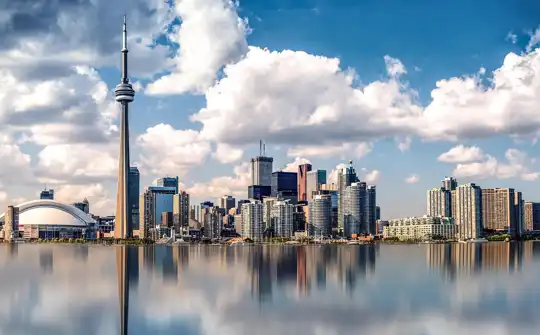
Skyscrapers, multicultural districts, waterfront skyline

Navigate a dense urban core, sample food from every continent, and find green escapes along the lake’s edge.

Canada - Toronto

4 Quebec City

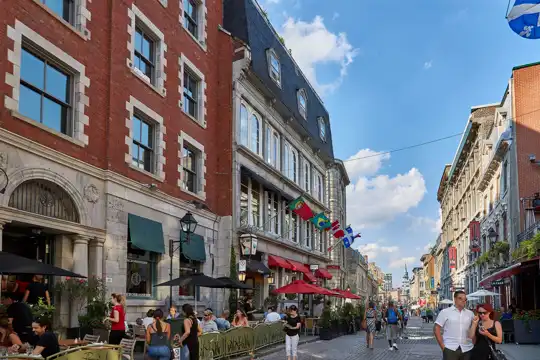
Walled old town, cobblestone streets, French heritage

Descend narrow lanes, listen for French on every corner, and experience a city where European influences shape daily routines.

5 Ottawa

Parliament Hill, Rideau Canal, national museums

Glide along the canal in winter, visit major galleries, and observe the intersection of government, culture, and daily life.

canada-city-ottawa
© Google | Cheng Betty

6 Victoria

Inner Harbour, gardens, colonial landmarks

Stroll waterfront paths, visit historic sites, and enjoy a mild climate that encourages year-round outdoor exploration.

canada-city-victoria
© Google | John Chu

7 Calgary

Rocky Mountain views, Stampede, modern skyline

Experience a city where western traditions meet urban energy, with easy access to outdoor adventures and a dynamic arts scene.

8 Halifax

Harbor city, Citadel Hill, seafood markets

Climb to panoramic viewpoints, sample fresh catch at the waterfront, and sense the city’s naval history in daily rhythms.

canada-city-halifax
© Google | Bill Conklin

9 Edmonton

River valley parks, festival season, government district

Discover a northern city defined by sprawling green spaces, frequent cultural events, and a central role in provincial politics.

10 St. John’s

Atlantic cliffs, row houses, maritime weather

Trace winding streets to the harbor, watch fog roll in from the sea, and experience a city shaped by its rugged coastline.

11 Kelowna

Okanagan Lake, vineyards, dry hills

Sample local wines, relax by the lakeshore, and hike sun-baked trails that reveal the region’s agricultural roots and outdoor focus.

12 Kingston

Lake Ontario, limestone buildings, university town

Stroll along waterfront parks, discover 19th-century architecture, and feel the student energy that pulses through historic streets.

13 Thunder Bay

Lake Superior, grain elevators, northern outpost

Watch freighters on the horizon, explore Indigenous history, and use the city as a launch point for remote wilderness trips.

14 Trois-Rivières

St. Lawrence River, industrial heritage, French culture

Experience a city where riverfront industry meets lively local traditions, with a compact center that rewards curious exploration.

15 Saguenay

Saguenay Fjord, French-speaking, boreal forest

Encounter dramatic river valleys, French-Canadian culture, and easy access to wilderness that begins just beyond the city’s edge.

16 Lethbridge

Coulees, wind farms, prairie landscape

Walk dramatic river valleys, notice the ever-present wind, and see how the city adapts to its open, sun-drenched surroundings.

17 Red Deer

Prairie city, central Alberta, river valley parks

Pause between Calgary and Edmonton, enjoy extensive green spaces, and find a practical base for exploring Alberta’s heartland.

Think you know Canada?

Prove you’re a true local — uncover 7 lesser-known cities in Canada that locals tend to keep to themselves.
Loading the map 🌍

Expert viewInsights from Locals and Experts


When planning your Canadian adventure, the first decision is how many cities to tackle. Aiming for three to five cities strikes a balance between breadth and depth. Each city has its own rhythm, culture, and vibe, and rushing through them can feel like skimming the surface of a rich tapestry. You’ll miss the nuances—the scent of fresh maple syrup wafting through a local market, the sound of street musicians filling the air with life, or the taste of a regional dish that tells a story of its own.

Consider the trade-off between time and immersion. If you choose to visit more cities quickly, you’ll spend a lot of time in transit—think about the hours spent on trains or planes, the waiting at terminals, and the inevitable delays. This can sap your energy and enthusiasm. On the flip side, immersing … read more 👉


When planning your Canadian adventure, the first decision is how many cities to tackle. Aiming for three to five cities strikes a balance between breadth and depth. Each city has its own rhythm, culture, and vibe, and rushing through them can feel like skimming the surface of a rich tapestry. You’ll miss the nuances—the scent of fresh maple syrup wafting through a local market, the sound of street musicians filling the air with life, or the taste of a regional dish that tells a story of its own.

Consider the trade-off between time and immersion. If you choose to visit more cities quickly, you’ll spend a lot of time in transit—think about the hours spent on trains or planes, the waiting at terminals, and the inevitable delays. This can sap your energy and enthusiasm. On the flip side, immersing yourself in fewer cities allows you to connect with the local culture, meet residents, and discover hidden spots that don’t make the guidebooks. You might find yourself lingering in a cozy café, sipping a locally roasted coffee, and chatting with the barista about the best hiking trails nearby. That’s where the real magic happens.

Transportation in Canada varies widely. Major cities are well-connected by public transit, but the experience can differ dramatically. In some places, you’ll find efficient subway systems that whisk you from one neighborhood to another in minutes. In others, you might rely on buses or even ferries, which can be slower but offer stunning views of the coastline or city skyline. Factor in the time it takes to navigate these systems, especially during peak hours when crowds can be overwhelming.

Budget is another crucial element. Costs can fluctuate significantly between cities. Some urban centers are known for their high prices, while others offer more affordable options. Eating out can range from food trucks serving up delicious street fare to upscale restaurants where a meal feels like an event. If you’re on a tighter budget, consider cooking your own meals or seeking out local markets. This not only saves money but also immerses you in the local lifestyle.

When it comes to comfort, think about where you’ll be staying. Accommodations can vary from hostels to boutique hotels, and each choice comes with its own set of trade-offs. Staying in a hostel might save you money, but you’ll sacrifice privacy and comfort. On the other hand, splurging on a hotel can provide a restful retreat after a long day of exploration, but it might limit your ability to visit more cities.

Safety is paramount, especially in urban environments. While Canada is generally safe, each city has its own areas to avoid after dark. Familiarize yourself with local customs and norms. For instance, tipping practices can vary, and understanding these nuances can enhance your experience and interactions with locals.

Cultural considerations also play a role in your planning. Canada is a mosaic of cultures, and each city reflects its unique heritage. Engaging with local festivals or events can provide deeper insights into the community. However, these events can also draw large crowds, impacting your ability to explore freely.

As you map out your journey, prioritize cities based on what resonates with you. Are you drawn to vibrant arts scenes, outdoor adventures, or culinary experiences? Each city offers a different flavor, and knowing what you want to get out of your trip will help you make informed choices.

In summary, the key to a fulfilling Canadian experience lies in balancing time, money, and comfort. By consciously choosing how to allocate these resources, you can create a trip that feels rich and rewarding. Embrace the journey, savor the moments, and let the landscapes and cultures unfold at their own pace.

✈️ The backpacker research shortcutCanada Travel Guide

An offline-friendly backpacking guide with optimized travel routes, ranked highlights, transport advice, and the best areas to stay.
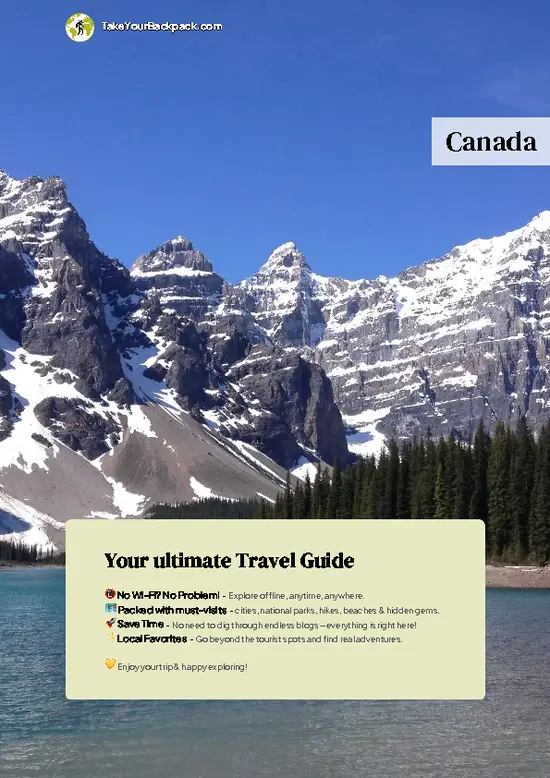
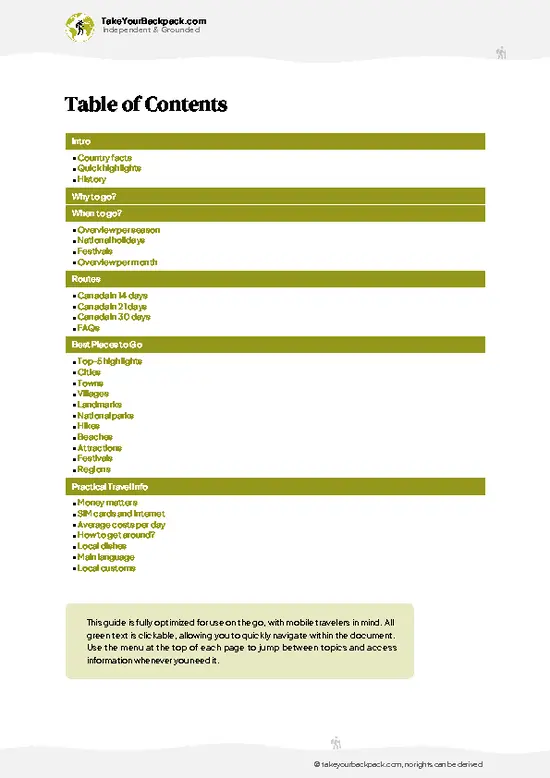
example page 0 from our offline Travel Guide for Canada
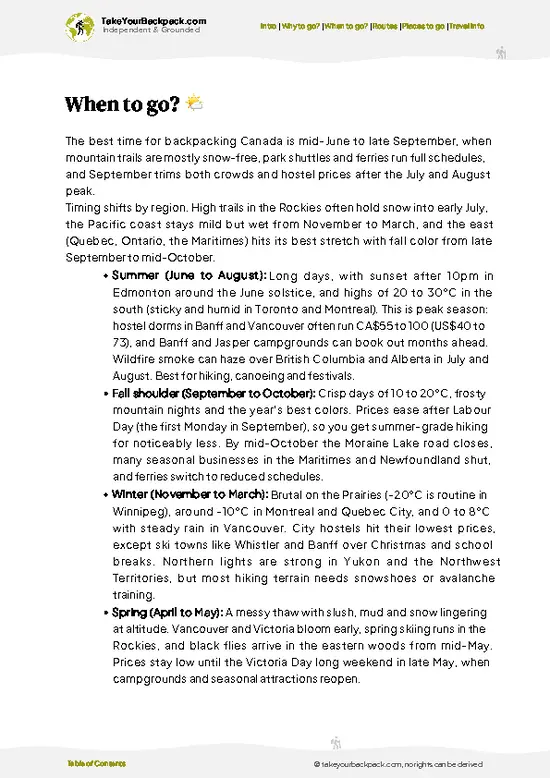
example page 1 from our offline Travel Guide for Canada
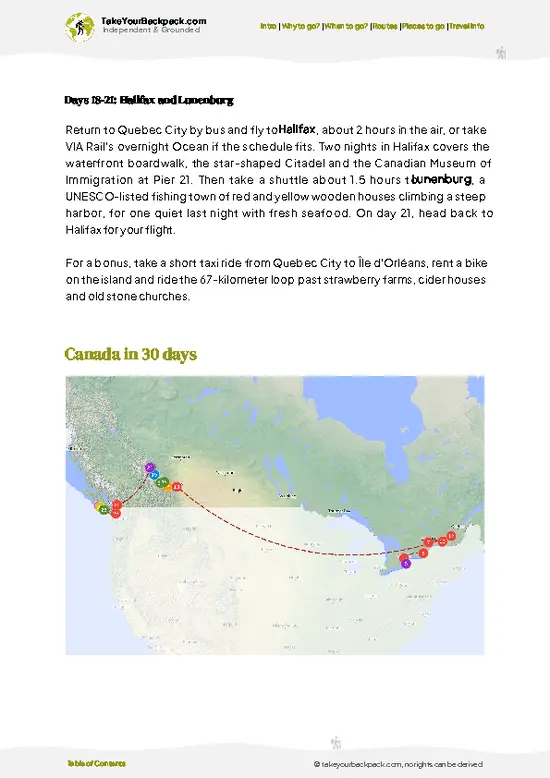
example page 2 from our offline Travel Guide for Canada
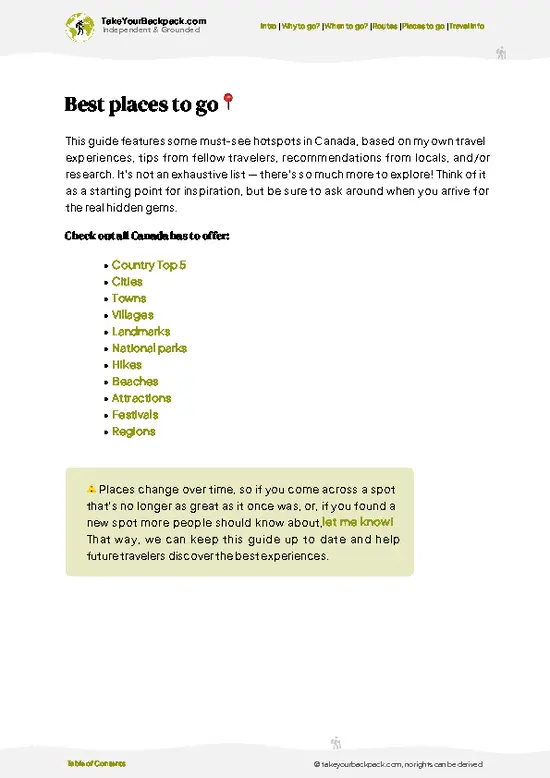
example page 3 from our offline Travel Guide for Canada
example page 4 from our offline Travel Guide for Canada
example page 5 from our offline Travel Guide for Canada
example page 6 from our offline Travel Guide for Canada
example page 7 from our offline Travel Guide for Canada
The digital guide (518 pages) contains:
133 highlights, ranked by travel appeal
Optimized 14, 21 & 30-day travel routes
Cities, national parks, landmarks, beaches
How to get around
Offline-friendly for travel without Wi-Fi
👉 Click to see all 30+ guide features

📅 Plan smarter in minutes, not weeks
Month by month travel advice
Festivals & national holidays
Budget expectations

🗺️ Go to the right places, skip the overrated ones
Honest pros & cons of destinations
Top hikes, parks & viewpoints
Lesser-known places most travelers miss
Clear “worth it vs skip it” guidance

🛏️ Travel smoothly without rookie mistakes
Best areas to stay
Transport systems explained simply
Common scams & safety advice
SIM cards, money & practical tips

🌍 Understand the country, not just visit it
Culture & traditions
Local customs
Festivals worth planning around
Traveler-friendly historical context
Insights that make places more meaningful

📱 Built for real travel conditions
Fully downloadable PDF
Works completely offline
Optimized for phone use
Useful in remote areas & buses
Everything in one place
Save weeks of stressful planning
Get instant access to your full guide. 30‑day money-back guarantee.


By proceeding you agree to our terms.
Sent to your inbox immediately after payment • 100% Secure Checkout
Best Backpacking Travel Advisor 2025 tourism awardBest Backpacking
Travel Advisor
2025
What others say about Take Your Backpack Guides:
⭐⭐⭐⭐⭐
Fantastic, amazing amount of information!
⭐⭐⭐⭐⭐
My goodness this is amazing, it's what I've been looking for hats off too you!
⭐⭐⭐⭐⭐
I think this is absolutely BRILLIANT
⭐⭐⭐⭐
Very complete and informative. It's still missing places, but I gotta to commend you
⭐⭐⭐⭐⭐
This is truly amazing, thank you, can't wait to explore it with my kids!
⭐⭐⭐⭐⭐
Awesome resource, thank you!
⭐⭐⭐⭐⭐
This is amazing! Can't wait to explore the ones I haven't seen
⭐⭐⭐⭐
I love this! Well done, great idea.
⭐⭐⭐⭐⭐
Thanks for taking the time to make this gem!
⭐⭐⭐⭐⭐
This might be the best website I've ever seen.
⭐⭐⭐⭐⭐
Congratulations, and thank you so much for your work; it's incredibly valuable.
⭐⭐⭐⭐
In all seriousness I think you did a great job pointing out the important spots
⭐⭐⭐⭐⭐
10/10 very good
⭐⭐⭐⭐⭐
As someone who's only just starting to visit regularly this is awesome, thank you.
⭐⭐⭐⭐
Thank you very much! I'm going to visit my dad, it's going to be very useful!
⭐⭐⭐⭐⭐
This is really cool! We'll be travelling for the first time and this definitely come in handy.
⭐⭐⭐⭐⭐
You are now our minister of culture, congratulations 👨‍💼
⭐⭐⭐⭐⭐
Just wanted to tell you that this is a pearl! Going to follow your recommendations.
⭐⭐⭐⭐⭐
This is so cool. I'll definitely be using the resource for my travels soon.
⭐⭐⭐⭐⭐
This is very impressive! Good work.
⭐⭐⭐⭐⭐
This is an amazing and informative site. Very well done!

🛏️ Where to stay?Accommodation Highlights

Yes — hostels and budget accommodation are common across Canada, with the biggest selections in Toronto (Downtown, Entertainment District, Queen West, Harbourfront), Vancouver (Downtown, Gastown, Yaletown), Montreal (Old Montreal, Plateau, Mile End, Quartier des Spectacles), Quebec City (Old Quebec, Saint‑Roch), Victoria (Downtown/Inner Harbour) and mountain towns like Banff/Canmore.
Downtown and harbourfront neighbourhoods give best transit access and nightlife but are noisier and pricier; artsy areas like Queen West, Plateau or Mile End offer cheaper beds and lively nights but can be busy and less polished; Gastown/Yaletown feel safer and more walkable yet cost more.
Mountain towns put … read more 👉
Yes — hostels and budget accommodation are common across Canada, with the biggest selections in Toronto (Downtown, Entertainment District, Queen West, Harbourfront), Vancouver (Downtown, Gastown, Yaletown), Montreal (Old Montreal, Plateau, Mile End, Quartier des Spectacles), Quebec City (Old Quebec, Saint‑Roch), Victoria (Downtown/Inner Harbour) and mountain towns like Banff/Canmore.
Downtown and harbourfront neighbourhoods give best transit access and nightlife but are noisier and pricier; artsy areas like Queen West, Plateau or Mile End offer cheaper beds and lively nights but can be busy and less polished; Gastown/Yaletown feel safer and more walkable yet cost more.
Mountain towns put you next to trails and parks but have fewer beds and much higher peak-season prices so book early; residential outskirts are quieter and cheaper but add transit time and limit late-night options.

If you enjoy meeting fellow travelers, consider choosing hostels with high ratings for atmosphere. On the other hand, if you prefer having your own space, a hotel might be a better option.

CanadaSee More of Canada

👋 Meet the founderWho’s Behind Take Your Backpack?

Johan, backpacker and founder of TakeYourBackpackHi, I’m Johan (Netherlands 🇳🇱), the creator of TakeYourBackpack. Over the past decade, I’ve backpacked through 80+ countries across six continents, gaining extensive experience with independent travel, long-term trips, and overland routes.

This site is built on a combination of firsthand travel experience and carefully curated insights from other backpackers. Many guides are based on places I’ve personally visited, while others bring together tips, observations, and practical advice shared by trusted travelers I’ve met along the way.

The goal is to provide realistic, experience-driven guidance — not generic itineraries — so you can explore destinations with better context, clearer expectations, and more confidence.

Get full Canada guide •
Instant download • 133 highlights • Full Offline guide