

×

Canada🇨🇦 | citiesSt. John’sPainted rowhouses, Signal Hill, George Street pubs, cliff paths | things to do and best time to go

Explore VictoriaExplore Saguenay

Backpacking in St. John’s
👍 Recommendedcity ranked #9
By Johan Kruseman 🇳🇱 | Updated October 22, 2026

Jellybean Row, the painted rowhouses downtown, is only a few blocks from a harbor that sits inside a narrow rock gap called the Narrows, and the city is one of North America’s easternmost, closer to Ireland than to Vancouver. St. John’s is in Canada’s Newfoundland and Labrador province, on the Avalon Peninsula’s east coast. I still connect it with the foghorn off Signal Hill, a low moan rolling over wet pavement and gull cries while a fishmonger hosed down a dock. It suits walkers, pub people and coast chasers. It does not suit anyone who wants beaches, fast transit or guaranteed sun. Skip the tourist trinket shops, spend your time on George Street music and the cliff trails, and expect fog. The smell of salt cod and diesel clings to Water Street.

Discover everything you want to know in the 📖 Canada Travel Guide.


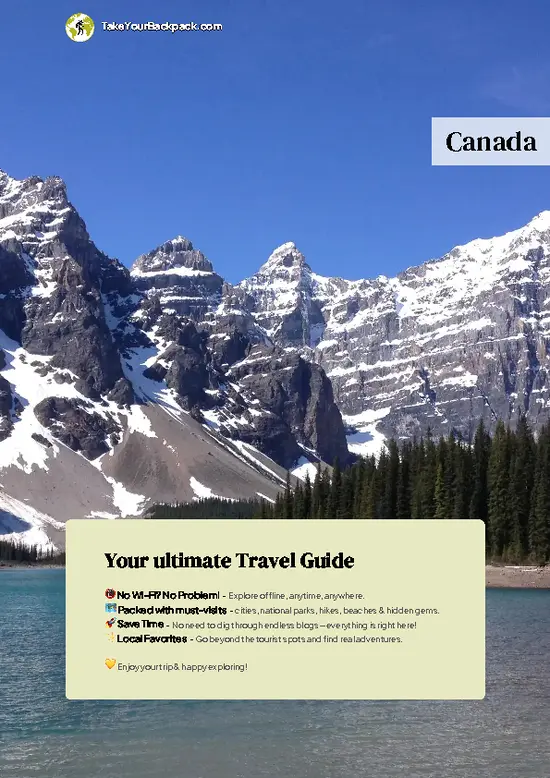
example page 0 from our offline Travel Guide for Canada
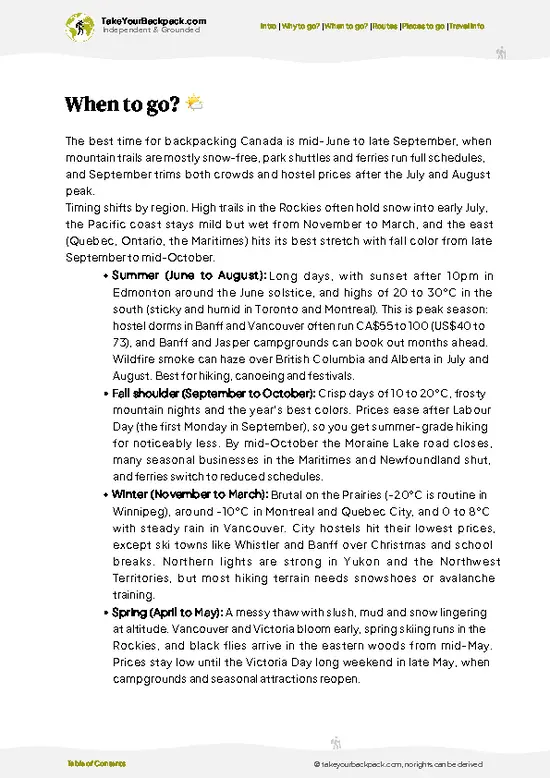
example page 1 from our offline Travel Guide for Canada
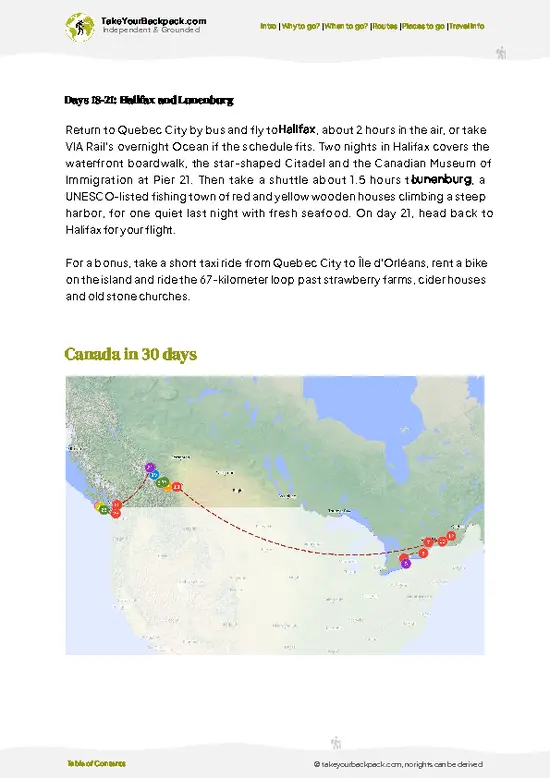
example page 2 from our offline Travel Guide for Canada
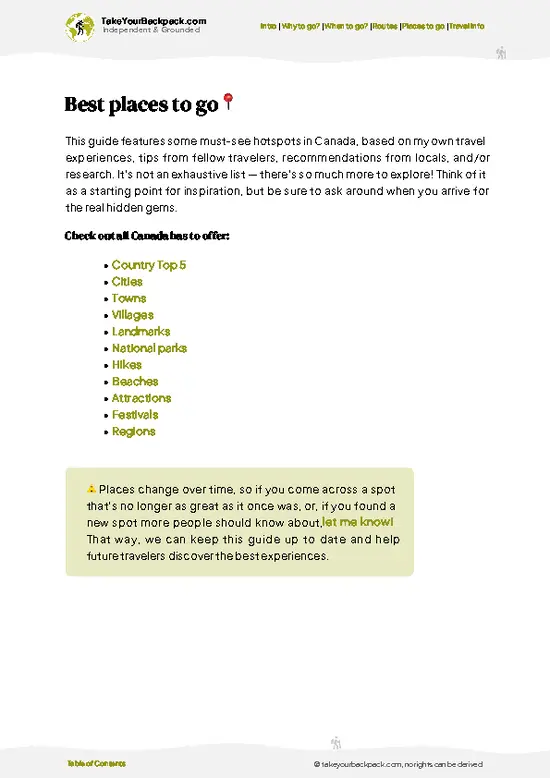
example page 3 from our offline Travel Guide for Canada
example page 4 from our offline Travel Guide for Canada
example page 5 from our offline Travel Guide for Canada
example page 6 from our offline Travel Guide for Canada
example page 7 from our offline Travel Guide for Canada
Loading the map 🌍
CLICK TO FILTER
cities
towns
villages
landmarks
national parks
hikes
beaches
attractions
festivals
regions
SHOW COUNTRY’S BESTSHOW ALL

✨ Why go?
Ranked #9 city in Canada
What makes it a must-see city

St. John’s works because so much sits within a compact, hilly grid that you can cover on foot. The city has the province’s best hostel and guesthouse choice, and the downtown core packs in more than a dozen pubs on and around George Street, many with live Celtic and folk music most nights. That makes it the natural place to meet other travelers before heading into the rest of Newfoundland, where public transit is thin and renting a car or sharing rides is the norm. Cliff trails start at the edge of town, so a hike and a pint can happen the same day. Icebergs and whales pass offshore in season, and the Avalon Peninsula coast is close enough to use the city as a home base. Plan two to four days. Longer, and you will be itching for the wilder west coast.

💡 HighlightsThe experiences that define the visit

  1. Signal Hill National Historic Site: The hill above the Narrows is where Marconi received the first transatlantic wireless signal in 1901. Cabot Tower has views over the harbor and open Atlantic. Go early morning or evening for softer light and fewer tour buses. Parking and grounds are free; the visitor center charges around US$6 to 8. Allow 2 to 3 hours.
  2. North Head Trail: A cliffside path from the harbor edge to the hill, with steps and rope-like railings above the water. Best on a clear morning for whales and icebergs in season. Free. Allow 1.5 to 2 hours.
  3. Jellybean Row (Gower and Duckworth Streets): Brightly painted Victorian rowhouses climbing steep streets. Good light comes in the late afternoon. Free, and an hour of wandering is plenty.
  4. Cape Spear Lighthouse: The easternmost point in North
… read more 👉
  1. Signal Hill National Historic Site: The hill above the Narrows is where Marconi received the first transatlantic wireless signal in 1901. Cabot Tower has views over the harbor and open Atlantic. Go early morning or evening for softer light and fewer tour buses. Parking and grounds are free; the visitor center charges around US$6 to 8. Allow 2 to 3 hours.
  2. North Head Trail: A cliffside path from the harbor edge to the hill, with steps and rope-like railings above the water. Best on a clear morning for whales and icebergs in season. Free. Allow 1.5 to 2 hours.
  3. Jellybean Row (Gower and Duckworth Streets): Brightly painted Victorian rowhouses climbing steep streets. Good light comes in the late afternoon. Free, and an hour of wandering is plenty.
  4. Cape Spear Lighthouse: The easternmost point in North America, reached by a short drive or taxi from town. The 1836 lighthouse is the oldest surviving in the province. Sunrise or early evening is best for fewer visitors. Entry is roughly US$5 to 8. Allow 1.5 to 2 hours.
  5. The Rooms: The provincial museum, art gallery and archives, on a hill above downtown. It covers Indigenous, Beothuk, fishing and wartime history. Wet days suit it best. Admission is about US$7 to 10. Allow 1.5 to 2 hours.
  6. George Street: A short strip of pubs and live bands, loudest on weekend nights after 10 PM. Entry is usually free or a small cover charge. Try the Screech-In ceremony for about US$10 to 20 if you want the local ritual. Allow an evening.
  7. Quidi Vidi Village: A tiny fishing cove with a brewery, a small fort and a lake used for the annual regatta. Go afternoon for a pint and a harbor walk. Free to wander; a brewery tour is around US$10 to 15. Allow 1.5 to 2 hours.
  8. Basilica of St. John the Baptist: A twin-towered stone landmark from the 1800s on a hilltop in the city center. Mornings are quietest. Entry is free. Allow 30 minutes.
For day trips, St. John’s puts you within reach of Petty Harbour, Bay Bulls (puffin and whale boat tours) and the Witless Bay Ecological Reserve, along with Ferryland and the Colony of Avalon. Start with Signal Hill at dawn, since the light is best and the crowds arrive later.
Spotted a mistake or missing something? Contact us.

Things to do in St. John’s

Ratings based on Tripadvisor reviews. When you book through this link, you support our work at no extra cost to you.

🏘️ NeighborhoodsUnderstanding the local layout

Downtown St. John’s is small enough to cover on foot, and the hills decide how tired you’ll be by evening.
  • Water Street and George Street: Water Street is the old waterfront drag, with salt air, gull cries and gift shops that fade quickly. George Street is a two-block strip of live Celtic music and loud bars, sticky floors and all. Go after 10 pm on a weekend, skip it on a quiet Tuesday.
  • Duckworth Street and Gower Street: Cafés, bookshops, galleries and the Anglican cathedral sit a block or two up the slope. This is where I would spend a rainy afternoon, with coffee and the smell of wet wool.
  • Jellybean Row: The brightly painted row houses around Gower, Duckworth and Victoria Streets are best photographed in flat gray light, when the colors hit hardest. Steep and worth the climb.
  • Signal Hill and
… read more 👉
Downtown St. John’s is small enough to cover on foot, and the hills decide how tired you’ll be by evening.
  • Water Street and George Street: Water Street is the old waterfront drag, with salt air, gull cries and gift shops that fade quickly. George Street is a two-block strip of live Celtic music and loud bars, sticky floors and all. Go after 10 pm on a weekend, skip it on a quiet Tuesday.
  • Duckworth Street and Gower Street: Cafés, bookshops, galleries and the Anglican cathedral sit a block or two up the slope. This is where I would spend a rainy afternoon, with coffee and the smell of wet wool.
  • Jellybean Row: The brightly painted row houses around Gower, Duckworth and Victoria Streets are best photographed in flat gray light, when the colors hit hardest. Steep and worth the climb.
  • Signal Hill and the Battery: A steep trail from the harbor mouth leads to wind, fog horns and cliffs. The Battery’s fishing shacks are tucked under the rock. Do not skip the hike.
  • Quidi Vidi Village: A tiny harbor with stages and a craft brewery, a short walk or ride east. Quiet, salty and low-key.

⌛️ 1 daySeeing the highlights in 24 hours

8:00 AM: Signal Hill
Start at the Cabot Tower, where the Atlantic spreads out and the harbor mouth squeezes between rock. Walk the North Head Trail down toward the water, about two hours in all.
11:00 AM: Jellybean Row
From the harbor, stroll up Duckworth and Gower Streets, where painted rowhouses stack up steep blocks. Photograph the doors and peek at the tiny front gardens.
12:30 PM: Water Street lunch
Grab a seafood chowder or fish and chips in a harbor-side pub. It is a short walk from the rowhouses.
2:00 PM: The Rooms
Climb to the provincial museum for local history, art and a view over the city. It is a good indoor option if fog rolls in.
4:30 PM: Quidi Vidi Village
Go past the usual downtown circuit by taxi or a long walk to this tiny cove. Sit with a local beer near the stages and fishing sheds, … read more 👉
8:00 AM: Signal Hill
Start at the Cabot Tower, where the Atlantic spreads out and the harbor mouth squeezes between rock. Walk the North Head Trail down toward the water, about two hours in all.
11:00 AM: Jellybean Row
From the harbor, stroll up Duckworth and Gower Streets, where painted rowhouses stack up steep blocks. Photograph the doors and peek at the tiny front gardens.
12:30 PM: Water Street lunch
Grab a seafood chowder or fish and chips in a harbor-side pub. It is a short walk from the rowhouses.
2:00 PM: The Rooms
Climb to the provincial museum for local history, art and a view over the city. It is a good indoor option if fog rolls in.
4:30 PM: Quidi Vidi Village
Go past the usual downtown circuit by taxi or a long walk to this tiny cove. Sit with a local beer near the stages and fishing sheds, then wander the lakeside path.
8:00 PM: George Street
Return downtown for live music in a few small pubs. Move between rooms until you find the crowd and band you like.

🌤️ When to go?When to go for the best experience

July and August are the easiest months for backpacking in St. John’s, with highs around 20°C (68°F) and long evenings.
  • Summer (June to August): Warmest and driest-ish, though fog rolls in often. Festivals, boat tours and trail hiking peak, and beds cost the most.
  • Iceberg and whale season (May to July): Icebergs drift past in late spring, humpbacks and puffins arrive by June. Temperatures sit around 8 to 15°C (46 to 59°F).
  • Fall (September to October): Highs of 10 to 16°C (50 to 61°F), thinner crowds, cheaper rooms, and occasional storms.
  • Winter (December to March): Around -8 to 0°C (18 to 32°F), with heavy snow, wind and short days. Cheapest, but many tours stop.
Book early for July, and pack a windproof layer in every month.

source: climatestotravel.comJANJanuary: below average for travelingFEBFebruary: below average for travelingMARMarch: fair for travelingAPRApril: good for travelingMAYMay: highly recommended for travelingJUNJune: highly recommended for travelingJULJuly: excellent for travelingAUGAugust: excellent for travelingSEPSeptember: highly recommended for travelingOCTOctober: good for travelingNOVNovember: fair for travelingDECDecember: below average for traveling
when-to-go

✈️ The backpacker research shortcutCanada Travel Guide

An offline-friendly backpacking guide with optimized travel routes, ranked highlights, transport advice, and the best areas to stay.
example page 0 from our offline Travel Guide for Canada
example page 1 from our offline Travel Guide for Canada
example page 2 from our offline Travel Guide for Canada
example page 3 from our offline Travel Guide for Canada
example page 4 from our offline Travel Guide for Canada
example page 5 from our offline Travel Guide for Canada
example page 6 from our offline Travel Guide for Canada
example page 7 from our offline Travel Guide for Canada
The digital guide (385 pages) contains:
✅ 125 highlights, ranked by travel appeal
✅ Optimized 14, 21 & 30-day travel routes
✅ Cities, national parks, landmarks, beaches
✅ How to get around
✅ Offline-friendly for travel without Wi-Fi
👉 Click to see all 30+ guide features

📅 Plan smarter in minutes, not weeks
✅ Month by month travel advice
✅ Festivals & national holidays
✅ Budget expectations

🗺️ Go to the right places, skip the overrated ones
✅ Honest pros & cons of destinations
✅ Top hikes, parks & viewpoints
✅ Lesser-known places most travelers miss
✅ Clear “worth it vs skip it” guidance

🛏️ Travel smoothly without rookie mistakes
✅ Best areas to stay
✅ Transport systems explained simply
✅ Common scams & safety advice
✅ SIM cards, money & practical tips

🌍 Understand the country, not just visit it
✅ Culture & traditions
✅ Local customs
✅ Festivals worth planning around
✅ Traveler-friendly historical context
✅ Insights that make places more meaningful

📱 Built for real travel conditions
✅ Fully downloadable PDF
✅ Works completely offline
✅ Optimized for phone use
✅ Useful in remote areas & buses
✅ Everything in one place
Stop searching, start planning
Get instant access to your full guide. 30‑day money-back guarantee.
+ Add another guide for just

By proceeding you agree to our terms.
Sent to your inbox immediately after payment • 100% Secure Checkout
Best Backpacking Travel Advisor 2025 tourism awardBest Backpacking
Travel Advisor
2025
What others say about Take Your Backpack Guides:
⭐⭐⭐⭐⭐
Fantastic, amazing amount of information!
⭐⭐⭐⭐⭐
My goodness this is amazing, it's what I've been looking for hats off too you!
⭐⭐⭐⭐⭐
I think this is absolutely BRILLIANT
⭐⭐⭐⭐
Very complete and informative. It's still missing places, but I gotta to commend you
⭐⭐⭐⭐⭐
This is truly amazing, thank you, can't wait to explore it with my kids!
⭐⭐⭐⭐⭐
Awesome resource, thank you!
⭐⭐⭐⭐⭐
This is amazing! Can't wait to explore the ones I haven't seen
⭐⭐⭐⭐
I love this! Well done, great idea.
⭐⭐⭐⭐⭐
Thanks for taking the time to make this gem!
⭐⭐⭐⭐⭐
This might be the best website I've ever seen.
⭐⭐⭐⭐⭐
Congratulations, and thank you so much for your work; it's incredibly valuable.
⭐⭐⭐⭐
In all seriousness I think you did a great job pointing out the important spots
⭐⭐⭐⭐⭐
10/10 very good
⭐⭐⭐⭐⭐
As someone who's only just starting to visit regularly this is awesome, thank you.
⭐⭐⭐⭐
Thank you very much! I'm going to visit my dad, it's going to be very useful!
⭐⭐⭐⭐⭐
This is really cool! We'll be travelling for the first time and this definitely come in handy.
⭐⭐⭐⭐⭐
You are now our minister of culture, congratulations 👨‍💼
⭐⭐⭐⭐⭐
Just wanted to tell you that this is a pearl! Going to follow your recommendations.
⭐⭐⭐⭐⭐
This is so cool. I'll definitely be using the resource for my travels soon.
⭐⭐⭐⭐⭐
This is very impressive! Good work.
⭐⭐⭐⭐⭐
This is an amazing and informative site. Very well done!

🛏️ Where to stay?Best areas and accommodation options

Downtown, between Water Street and Duckworth Street, is the best area for a budget bed in St. John’s. Hostels and small guesthouses cluster here, and you can walk to nearly everything, so you rarely need transit. The streets are well lit and busy until late, though rooms facing George Street can be loud on Friday and Saturday nights. Ask for a back room or higher floor.

The second option is the area around Military Road and Gower Street, just up the hill. It is quieter at night, with older heritage houses converted into guesthouses and a short walk to cafés and the harbor. Dorm beds are scarcer … read more 👉
Downtown, between Water Street and Duckworth Street, is the best area for a budget bed in St. John’s. Hostels and small guesthouses cluster here, and you can walk to nearly everything, so you rarely need transit. The streets are well lit and busy until late, though rooms facing George Street can be loud on Friday and Saturday nights. Ask for a back room or higher floor.

The second option is the area around Military Road and Gower Street, just up the hill. It is quieter at night, with older heritage houses converted into guesthouses and a short walk to cafés and the harbor. Dorm beds are scarcer than downtown, so book ahead in summer. Beyond these areas, the city is spread out and bus service is thin, so staying farther away makes things less convenient and often costs more in taxis than you save.

🚌 Getting aroundTransportation options and practical tips

A single ride on a Metrobus costs about US$2.20 in exact cash, or slightly less with a pre-bought ticket or app fare, and drivers do not give change. St. John’s is compact downtown, but hilly, windy and often wet, so your legs and a rain jacket matter more than any pass. Buses exist but run infrequently.
  • Walking: Best option for downtown, the harbor and Jellybean Row. Expect steep streets, cold gusts and slick sidewalks in winter. Signal Hill is a hard but rewarding 30 to 45 minute climb.
  • Metrobus: Routes cover the university, the malls and the airport area. Service is thinner on evenings and Sundays, with many routes stopping around 10 pm to midnight. Check timetables before you rely on it, since waits can reach 30 to 60 minutes.
  • Taxi and rideshare: Short downtown hops run roughly US$8 to 14,
… read more 👉
A single ride on a Metrobus costs about US$2.20 in exact cash, or slightly less with a pre-bought ticket or app fare, and drivers do not give change. St. John’s is compact downtown, but hilly, windy and often wet, so your legs and a rain jacket matter more than any pass. Buses exist but run infrequently.
  • Walking: Best option for downtown, the harbor and Jellybean Row. Expect steep streets, cold gusts and slick sidewalks in winter. Signal Hill is a hard but rewarding 30 to 45 minute climb.
  • Metrobus: Routes cover the university, the malls and the airport area. Service is thinner on evenings and Sundays, with many routes stopping around 10 pm to midnight. Check timetables before you rely on it, since waits can reach 30 to 60 minutes.
  • Taxi and rideshare: Short downtown hops run roughly US$8 to 14, and the airport costs about US$22 to 30. Taxis are usually the only practical way home from George Street late at night. Rideshare presence is limited.
  • Rental car: Worth it only for Cape Spear, Bay Bulls and the Avalon coast. Expect US$45 to 80 a day plus fuel. Downtown parking is tight, and fog can slow drives.
  • Bike: Not recommended. The hills are brutal and the traffic is unforgiving.
For Quidi Vidi or Signal Hill, I would walk one way and taxi back if it’s foggy or late.

👛 Costs (as of 22 October 2026)Money, prices, and spending tips

St. John’s costs a backpacker about US$115 a day in high season, including a dorm bed, simple meals and entry fees. Prices run higher than much of Canada because food is imported.
CategoryBudget RangeLocal Reality
Dorm (high season)US$38 to 55Limited beds, book ahead in July and August
Dorm (off-season)US$28 to 40Easier to find a bed and negotiate
MealsUS$28 to 40Cafés, pubs and grocery shopping
Local transportUS$5 to 12Bus fares or the occasional taxi
City transport passUS$6 to 8Day pass; many walk instead
Basic activities/entry feesUS$10 to 20Museums, Signal Hill visitor center, short boat trips cost more
MiscellaneousUS$8 to 15Drinks, laundry, snacks
Total Daily BudgetUS$115High-season estimate
Cooking in a hostel kitchen and buying groceries can cut food costs by half.
⚠️ Prices can change and everyone travels differently, so take this as a rough guide. Hope it helps you plan your adventure!

🚌 Day tripsBest day trips from St. John’s

St. John’s works well as a base because the Avalon Peninsula’s best sights are 30 to 90 minutes away, though you will want a car or a tour.
Cape Spear:
The easternmost point in North America is about 20 minutes away by car, with a lighthouse and whale-watching from the rocks. Taxis cost roughly US$25 to 30 each way; many people hitch a ride or rent a car. Go early for fewer fogs and buses.

Bay Bulls and Witless Bay:
About 40 minutes south, boats run to the ecological reserve for puffins, whales and icebergs from May to August. Tours cost around US$75 to 90. First-timers often book too late in the day, when seas pick up and sailings cancel.

Ferryland:
An hour south, the archaeological dig of a 1620s colony sits on a windy headland. Entry runs about US$10 to 15 and the lighthouse picnic is … read more 👉
St. John’s works well as a base because the Avalon Peninsula’s best sights are 30 to 90 minutes away, though you will want a car or a tour.
Cape Spear:
The easternmost point in North America is about 20 minutes away by car, with a lighthouse and whale-watching from the rocks. Taxis cost roughly US$25 to 30 each way; many people hitch a ride or rent a car. Go early for fewer fogs and buses.

Bay Bulls and Witless Bay:
About 40 minutes south, boats run to the ecological reserve for puffins, whales and icebergs from May to August. Tours cost around US$75 to 90. First-timers often book too late in the day, when seas pick up and sailings cancel.

Ferryland:
An hour south, the archaeological dig of a 1620s colony sits on a windy headland. Entry runs about US$10 to 15 and the lighthouse picnic is a highlight. Car required, roughly US$60 for the day with fuel.

Portugal Cove to Bell Island:
The ferry from Portugal Cove, 25 minutes from town, takes about 20 minutes and costs only a few dollars for walkers. The island has mine tours and sea cliffs, and ferry timing matters.

🍲 FoodLocal Flavors for Backpackers

Newfoundland cooking is its own thing in St. John’s. Try fish and brewis, salt cod with hardtack and scrunchions, and toutons, fried bread dough served with molasses. Jiggs dinner is the Sunday boiled meal of salt beef, cabbage and pease pudding. Seafood is the star, especially cod tongues, snow crab and mussels. A Newfoundland screech-in involves a shot of rum and kissing a cod, and you will be offered it on George Street. Locals drink Iceberg beer and Quidi Vidi brews, and cloudberry and partridgeberry jams appear in desserts. For budget eating, look for casual pubs along Water Street, fish-and-chip shops, and cafés along Duckworth for filling lunches around US$10 to 16. Cold evenings lend themselves to chowder and a bowl of pea soup.

🛡️ SafetySafety Tips and Common Scams in St. John’s

St. John’s is a calm, friendly city, and violent crime against visitors is rare. Extra awareness helps around George Street late on weekends, where drunkenness and the occasional scuffle are the main annoyances, and where taxis queue up after 2 am. Solo travelers, including women, generally walk downtown at night without trouble, but stick to lit streets and avoid empty side lanes. Car break-ins happen at trailheads, so never leave bags visible. The bigger risks are natural: slippery cliff paths at Signal Hill and the coastal trails, sudden fog, and freezing winds. Stay behind edges, and check weather and tide warnings before a hike. Scams are not a real concern here.

FAQTraveler FAQ

Two to three days is enough for St. John’s. That covers downtown, Signal Hill, Quidi Vidi and a half-day at Cape Spear, which is about 20 minutes by car. Add a fourth day for a boat tour at Bay Bulls, roughly US$75 to 90, or for Ferryland.
Yes, St. John’s is safe for solo backpackers, with low violent crime and a friendly local culture. Stay alert around George Street on weekend nights and use a taxi after midnight, about US$8 to 14 downtown. The bigger risks are fog and slippery cliffs on Signal Hill, so stay on marked trails.
St. John’s is known for its brightly painted Jellybean Row houses, the lively pubs of George Street and one of North America’s oldest harbors. Signal Hill, with Cabot Tower, and nearby Cape Spear, the easternmost point in North America, are the main sights. It is also famous for icebergs and whales from May to July, plus its distinct Newfoundland accent and screech-in tradition.
⚠️ Things can change over time, so always validate details locally before you go.

Other Canadian cities near St. John’s

Explore more nearby:

  • Halifax—Star fort, harbor boardwalk, Titanic history, oyster pubs| 894 km away
  • Saguenay—Fjord kayaking, pulp-mill museum, Ha! Ha! Bay, river waterfall park| 1363 km away
  • Quebec City—Walled old town, clifftop terrace, funicular lanes, Saint-Roch breweries| 1394 km away

💡 Not sure where to go next?
Create a personalized itinerary for Canada including St. John’s and the places that fit your trip.

Generate my itinerary

👉 Discover all cities

Or checkout all Canada has to offer (think cities, towns, villages, national parks, hikes, beaches, festivals)
Country photo of Canada

We 💚 feedbackParting advice and final tips

St. John’s rewards anyone who looks down as well as out: the Narrows and the cliffs get the attention, but the small cove at Quidi Vidi and the working wharves hold the real texture. I would pack a waterproof shell, skip a fixed schedule and let the fog decide which day you hike.

✈️ When did I visit Canada?
As part of my 1.5 year travel around the world trip, I visited Canada in 2016.

✍️ Help improve this page!
The information on this page is based on my own backpacking experience in Canada, supplemented with up-to-date research and feedback from other travelers. Travel details can change, so if you notice anything outdated or incomplete, feel free to let me know.


🙋‍♂️ Give feedback

👋 Meet the founderWho’s Behind Take Your Backpack?

Johan, backpacker and founder of TakeYourBackpackHi, I’m Johan (Netherlands 🇳🇱), the creator of TakeYourBackpack. Over the past 3 decades, I’ve backpacked through 90+ countries across six continents, gaining extensive experience with independent travel, long-term trips, and overland routes.

This site is built on a combination of firsthand travel experience and carefully curated insights from other backpackers. Many guides are based on places I’ve personally visited, while others bring together tips, observations, and practical advice shared by trusted travelers I’ve met along the way.

The goal is to provide realistic, experience-driven guidance — not generic itineraries — so you can explore destinations with better context, clearer expectations, and more confidence.