×

Central African Republic🇨🇫 | attractionsBoganda National Museumethnographic artifacts, regional crafts, colonial relics | things to do and best time to go

Explore Boali WaterfallsExplore Notre-Dame of Bangui Cathedral

Backpacking in Boganda National Museum
🏆 Top pickattraction ranked #2
By Johan Kruseman 🇳🇱 | Updated September 3, 2026

Here’s what nobody tells you: the Boganda National Museum is one of the only places in Bangui where you can actually get a crash course in Central African Republic’s tangled, fascinating history without a fixer or a guide hustling you at the door. You’ll find it right in the heart of Bangui, a city that’s more chaos than charm, but the museum itself is a rare pocket of calm. Let’s be blunt—this isn’t the Louvre, and it’s not pretending to be. The displays are old-school, the lighting is hit-or-miss, and you’ll probably have the place to yourself, because most travelers skip it for the river or the markets. But that’s the real advantage: no crowds, no staged performances, just raw artifacts and stories that haven’t been polished for tourists. Entry is cheap, and the staff are genuinely proud to share what’s inside. If you want adrenaline, look elsewhere. But if you want to understand the soul of the country—its scars, its resilience, its weird beauty—this is where you start.

Discover everything you want to know in the 📖 Central African Republic Travel Guide.
Safety warning

The current risk level for Central African Republic is high. Check the advice before going.


Get your Central African Republic guide
51 ranked highlights, routes & tips, works offline (229 pages)
Loading the map 🌍
CLICK TO FILTER
cities
towns
landmarks
national parks
hikes
attractions
festivals
regions
SHOW COUNTRY’S BESTSHOW ALL

✨ Why go?
Ranked #2 attraction in Central African Republic
Reasons people choose to visit here

The Boganda National Museum in the Central African Republic isn’t your typical tourist stop. Forget the polished, crowd-packed Instagram shots you might expect. This place is raw, real, and often overlooked, which is exactly why backpackers who make the trek here feel like they’ve hit a milestone. It’s not about flashy exhibits or air-conditioned halls; it’s about diving headfirst into the cultural heartbeat of a country that rarely makes headlines. The museum’s collection offers a deep historical context—from colonial struggles to indigenous art—that you won’t find anywhere else in the region. Yes, the facilities are basic, and the crowds are minimal, but that’s part of the charm. You get to engage with the stories on your own terms, without the usual tourist noise. For backpackers threading … read more 👉
The Boganda National Museum in the Central African Republic isn’t your typical tourist stop. Forget the polished, crowd-packed Instagram shots you might expect. This place is raw, real, and often overlooked, which is exactly why backpackers who make the trek here feel like they’ve hit a milestone. It’s not about flashy exhibits or air-conditioned halls; it’s about diving headfirst into the cultural heartbeat of a country that rarely makes headlines. The museum’s collection offers a deep historical context—from colonial struggles to indigenous art—that you won’t find anywhere else in the region. Yes, the facilities are basic, and the crowds are minimal, but that’s part of the charm. You get to engage with the stories on your own terms, without the usual tourist noise. For backpackers threading through Central Africa, this stop is a crucial cultural checkpoint—a moment to pause, reflect, and understand the layers beneath the surface. The effort to reach it, often involving rough roads and limited transport, pays off with an authentic encounter that’s both humbling and eye-opening. If you’re chasing genuine insight over glossy souvenirs, Boganda National Museum is a rare, unfiltered gem worth every bit of the journey.
Want to include Boganda National Museum in your Central African Republic route?
Create a personalized Central African Republic itinerary that includes Boganda National Museum and the places that fit your trip — based on your travel style, budget, and available time. Get your route in seconds.

Generate my trip

💡 HighlightsMust-see experiences and standout moments

The Presidential Car Collection
Forget the dusty sedans you’ll find in most African museums. Here, you’re face-to-face with the actual limousines and armored vehicles that ferried Central African Republic’s leaders—most infamously, Jean-Bédel Bokassa, the self-declared “Emperor.” These aren’t just relics; they’re rolling symbols of power, excess, and the country’s wild political swings. The cars are battered, yes, but that’s the point. You can practically smell the history—cigar smoke, fear, and a little bit of gasoline. It’s a front-row seat to the theater of African politics, minus the filter.


Traditional Musical Instruments
If you’ve only heard African music through tinny phone speakers, this is your wake-up call. The museum’s collection of balafons, drums, and harps isn’t just for show. … read more 👉
The Presidential Car Collection
Forget the dusty sedans you’ll find in most African museums. Here, you’re face-to-face with the actual limousines and armored vehicles that ferried Central African Republic’s leaders—most infamously, Jean-Bédel Bokassa, the self-declared “Emperor.” These aren’t just relics; they’re rolling symbols of power, excess, and the country’s wild political swings. The cars are battered, yes, but that’s the point. You can practically smell the history—cigar smoke, fear, and a little bit of gasoline. It’s a front-row seat to the theater of African politics, minus the filter.


Traditional Musical Instruments
If you’ve only heard African music through tinny phone speakers, this is your wake-up call. The museum’s collection of balafons, drums, and harps isn’t just for show. Many are still played during special events, and the staff sometimes let you handle them (if you ask nicely and aren’t a jerk about it). These instruments aren’t museum pieces—they’re living artifacts, each one hand-carved and worn smooth by generations. You’ll leave with the rhythms stuck in your head, and a new respect for the complexity of Central African music.


Ethnographic Artifacts
This is where the museum quietly outclasses the Instagram crowd. The displays of masks, ceremonial stools, and everyday tools aren’t arranged for maximum selfie potential. They’re raw, sometimes a little chaotic, and all the more real for it. You’ll see objects from the Banda, Gbaya, and other ethnic groups—each with its own story, none of it sanitized for tourists. If you want to understand the soul of the country, start here. The craftsmanship is intricate, but it’s the wear and repair marks that tell you these objects actually mattered to someone.


Colonial-Era Documents and Photos
This is not the glossy, airbrushed history you get in Paris. The museum’s colonial-era archives are blunt: grainy photos of missionaries, French administrators, and local chiefs; handwritten letters and decrees; maps that redraw borders with a stroke of a pen. It’s uncomfortable, sometimes infuriating, and absolutely essential if you want to understand how the country got here. No sugarcoating, no easy answers—just the messy, fascinating truth.


Handmade Textiles and Costumes
Skip the souvenir stalls outside. The real artistry is inside, in the museum’s collection of handwoven fabrics and ceremonial costumes. These aren’t mass-produced prints—they’re painstakingly crafted, dyed with local plants, and often decorated with cowrie shells or beads. Some are still used in rituals today. The colors are bold, but it’s the textures and the stories behind each piece that will stick with you. If you’re lucky, you’ll catch a staff member explaining how a particular pattern signals clan identity or social status. This is fashion with teeth.
Spotted a mistake or missing something? Contact us.

🌤️ When to go?Best time to visit Boganda National Museum


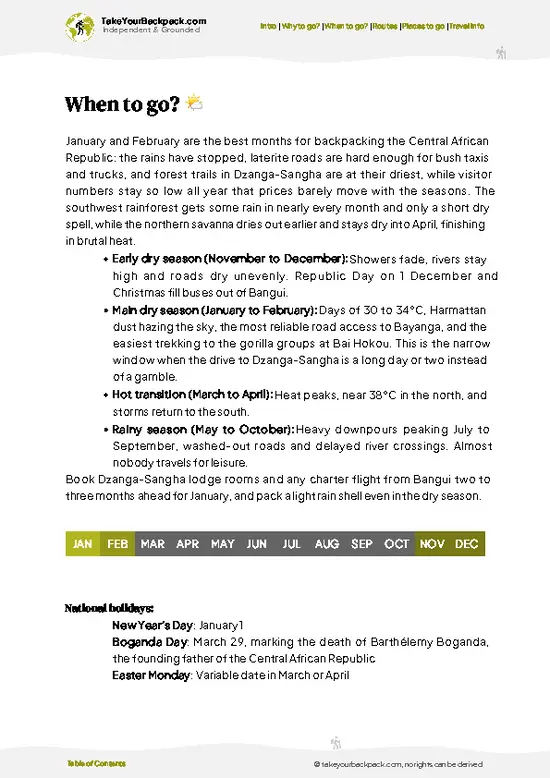
  • Weather: The best time to visit Boganda National Museum is during the dry season, from December to February and June to August. Expect less mud and fewer rain interruptions, making it easier to explore without the constant threat of downpours that dominate the rainy months of March to May and September to November.

  • Temperature: Temperatures hover between 24°C and 30°C (75°F to 86°F) year-round, but the dry season feels more comfortable. The rainy season brings higher humidity, which can make even these moderate temperatures feel sticky and exhausting.

  • Daylight Hours: Daylight is fairly consistent, with about 11 to 12 hours daily. This means you have ample time to soak in the exhibits and local culture without rushing, regardless of when you visit.

  • Crowds: Don’t expect hordes of tourists
read more 👉

  • Weather: The best time to visit Boganda National Museum is during the dry season, from December to February and June to August. Expect less mud and fewer rain interruptions, making it easier to explore without the constant threat of downpours that dominate the rainy months of March to May and September to November.

  • Temperature: Temperatures hover between 24°C and 30°C (75°F to 86°F) year-round, but the dry season feels more comfortable. The rainy season brings higher humidity, which can make even these moderate temperatures feel sticky and exhausting.

  • Daylight Hours: Daylight is fairly consistent, with about 11 to 12 hours daily. This means you have ample time to soak in the exhibits and local culture without rushing, regardless of when you visit.

  • Crowds: Don’t expect hordes of tourists here. The museum sees a steady trickle of visitors year-round, but the dry season edges out as the slightly busier period due to easier travel conditions.

  • Seasonal Activities: Cultural events and local markets peak during the dry months, offering a richer context to the museum’s displays. Visiting during these times lets you catch traditional performances and crafts that bring the history alive.

  • Price Fluctuations: Prices for accommodation and transport tend to rise modestly during the dry season, especially around December holidays. The rainy season offers better deals but at the cost of convenience and comfort.


Pro-tip: Aim for the shoulder months of June and August to balance decent weather, fewer crowds, and better prices—this is when the museum’s real charm shines without the hassle.


source: climatestotravel.comJANJanuary: excellent for travelingFEBFebruary: excellent for travelingMARMarch: fair for travelingAPRApril: fair for travelingMAYMay: fair for travelingJUNJune: highly recommended for travelingJULJuly: excellent for travelingAUGAugust: highly recommended for travelingSEPSeptember: fair for travelingOCTOctober: fair for travelingNOVNovember: fair for travelingDECDecember: excellent for traveling
when-to-go

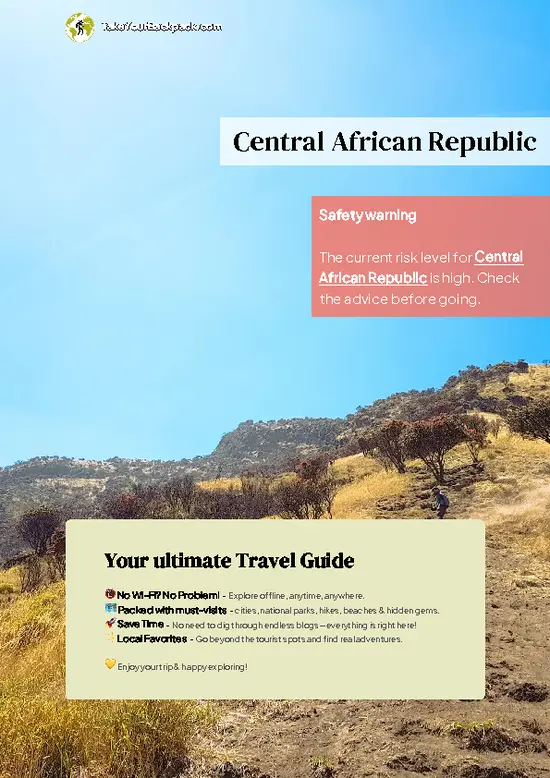
✈️ The backpacker research shortcutCentral African Republic Travel Guide

An offline-friendly backpacking guide with optimized travel routes, ranked highlights, transport advice, and the best areas to stay.
example page 0 from our offline Travel Guide for Central African Republic
example page 1 from our offline Travel Guide for Central African Republic
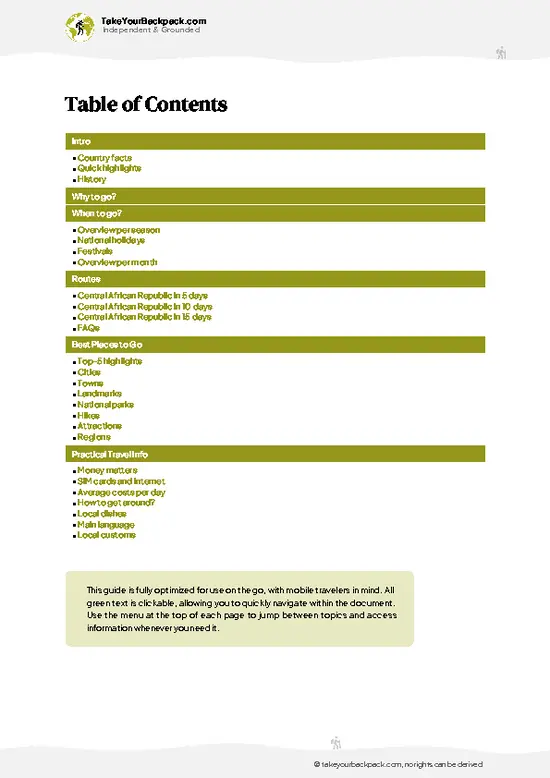
example page 2 from our offline Travel Guide for Central African Republic
example page 3 from our offline Travel Guide for Central African Republic
example page 4 from our offline Travel Guide for Central African Republic
example page 5 from our offline Travel Guide for Central African Republic
example page 6 from our offline Travel Guide for Central African Republic
example page 7 from our offline Travel Guide for Central African Republic
The digital guide (229 pages) contains:
51 highlights, ranked by travel appeal
Optimized 5, 10 & 15-day travel routes
Cities, national parks, landmarks, beaches
How to get around
Offline-friendly for travel without Wi-Fi
👉 Click to see all 30+ guide features

📅 Plan smarter in minutes, not weeks
Month by month travel advice
Festivals & national holidays
Budget expectations

🗺️ Go to the right places, skip the overrated ones
Honest pros & cons of destinations
Top hikes, parks & viewpoints
Lesser-known places most travelers miss
Clear “worth it vs skip it” guidance

🛏️ Travel smoothly without rookie mistakes
Best areas to stay
Transport systems explained simply
Common scams & safety advice
SIM cards, money & practical tips

🌍 Understand the country, not just visit it
Culture & traditions
52 Essential phrases & customs
Festivals worth planning around
Traveler-friendly historical context
Insights that make places more meaningful

📱 Built for real travel conditions
Fully downloadable PDF
Works completely offline
Optimized for phone use
Useful in remote areas & buses
Everything in one place
Save weeks of stressful planning
Get instant access to your full guide. 30‑day money-back guarantee.
+ Add another guide for just US$7.80

By proceeding you agree to our terms.
Sent to your inbox immediately after payment • 100% Secure Checkout
Best Backpacking Travel Advisor 2025 tourism awardBest Backpacking
Travel Advisor
2025
What others say about Take Your Backpack Guides:
⭐⭐⭐⭐⭐
Fantastic, amazing amount of information!
⭐⭐⭐⭐⭐
My goodness this is amazing, it's what I've been looking for hats off too you!
⭐⭐⭐⭐⭐
I think this is absolutely BRILLIANT
⭐⭐⭐⭐
Very complete and informative. It's still missing places, but I gotta to commend you
⭐⭐⭐⭐⭐
This is truly amazing, thank you, can't wait to explore it with my kids!
⭐⭐⭐⭐⭐
Awesome resource, thank you!
⭐⭐⭐⭐⭐
This is amazing! Can't wait to explore the ones I haven't seen
⭐⭐⭐⭐
I love this! Well done, great idea.
⭐⭐⭐⭐⭐
Thanks for taking the time to make this gem!
⭐⭐⭐⭐⭐
This might be the best website I've ever seen.
⭐⭐⭐⭐⭐
Congratulations, and thank you so much for your work; it's incredibly valuable.
⭐⭐⭐⭐
In all seriousness I think you did a great job pointing out the important spots
⭐⭐⭐⭐⭐
10/10 very good
⭐⭐⭐⭐⭐
As someone who's only just starting to visit regularly this is awesome, thank you.
⭐⭐⭐⭐
Thank you very much! I'm going to visit my dad, it's going to be very useful!
⭐⭐⭐⭐⭐
This is really cool! We'll be travelling for the first time and this definitely come in handy.
⭐⭐⭐⭐⭐
You are now our minister of culture, congratulations 👨‍💼
⭐⭐⭐⭐⭐
Just wanted to tell you that this is a pearl! Going to follow your recommendations.
⭐⭐⭐⭐⭐
This is so cool. I'll definitely be using the resource for my travels soon.
⭐⭐⭐⭐⭐
This is very impressive! Good work.
⭐⭐⭐⭐⭐
This is an amazing and informative site. Very well done!

🛏️ Where to stay?Choosing the right base

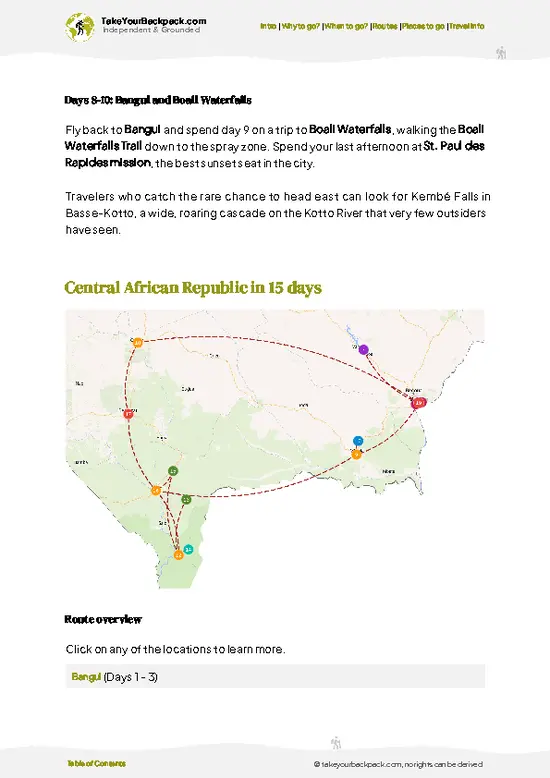
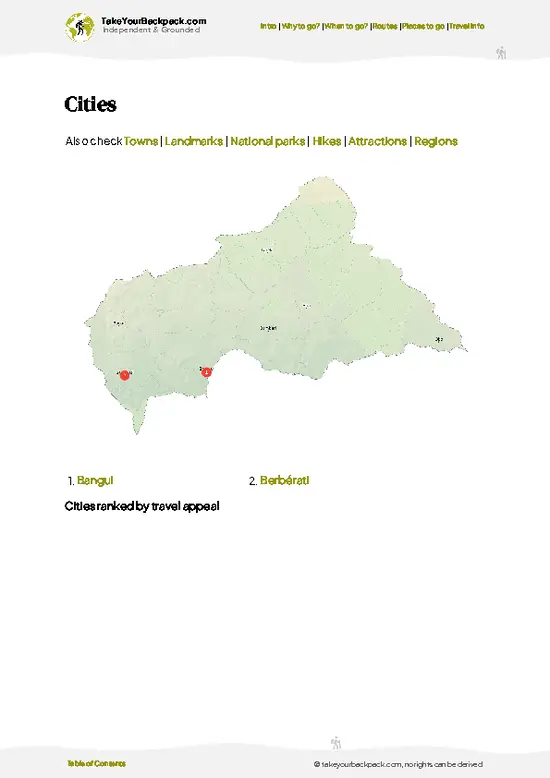
The Boganda National Museum sits in Bangui, the capital of the Central African Republic, a city that’s not exactly a backpacker’s paradise on first glance. Let’s cut through the Instagram gloss: Bangui is rough around the edges, with security concerns that demand vigilance. Crowds? Not the touristy crush you might expect, but the city’s pulse is uneven—some areas buzz with local life, others feel deserted or tense after dark. Costs here are low, but that’s often because the infrastructure is basic, not because it’s a bargain paradise.

Now, where to stay? Forget the outskirts or isolated spots. … read more 👉
The Boganda National Museum sits in Bangui, the capital of the Central African Republic, a city that’s not exactly a backpacker’s paradise on first glance. Let’s cut through the Instagram gloss: Bangui is rough around the edges, with security concerns that demand vigilance. Crowds? Not the touristy crush you might expect, but the city’s pulse is uneven—some areas buzz with local life, others feel deserted or tense after dark. Costs here are low, but that’s often because the infrastructure is basic, not because it’s a bargain paradise.

Now, where to stay? Forget the outskirts or isolated spots. The best bet is to base yourself in the central neighborhoods near the museum—this is where you’ll find a mix of safe, social hubs that attract the few budget travelers and solo backpackers who make it here. These areas have guesthouses and small inns that foster a communal vibe, where you can swap stories with locals and fellow travelers alike. It’s not luxury, but it’s real life—streets lined with market stalls, street food vendors, and the occasional impromptu music session.

Staying close to the museum means you’re steps away from the heart of Bangui’s cultural scene, not stuck in a sterile tourist bubble. It’s gritty, yes, but that’s the point. This is where you get the authentic Central African Republic experience—raw, unpredictable, and deeply human.

👛 Costs (as of 3 September 2026)Typical daily expenses

As of the most recent estimates, the Boganda National Museum in Bangui, Central African Republic, offers free entry or accepts donations. ([atlas-guide.com](https://atlas-guide.com/africa/central-african-republic-guide/history?utm_source=openai)) Some sources indicate an entrance fee of approximately 1,000 CFA francs (about €1.60). ([atlas-guide.com](https://atlas-guide.com/africa/central-african-republic-guide/history?utm_source=openai)) Additional costs for guided tours or special exhibitions may apply, but specific details are not readily available.
⚠️ Prices can change and everyone travels differently, so take this as a rough guide. Hope it helps you plan your adventure!

FAQFrequently asked questions about Boganda National Museum

Visiting Boganda National Museum typically requires about 1 to 2 hours to see the main exhibits thoroughly. This allows enough time to explore the cultural artifacts and historical displays without rushing.
Yes, Boganda National Museum is worth the entrance fee, which is generally low or symbolic for international visitors. The museum offers valuable insights into the Central African Republic's history and culture, making it a meaningful stop for travelers interested in local heritage.
To get to Boganda National Museum, head to Bangui, the capital city of the Central African Republic. The museum is located within the city, accessible by local taxis or walking if you are staying nearby; Bangui is the main travel hub for the country.
⚠️ Things can change over time, so always validate details locally before you go.

Other Central African attractions near Boganda National Museum

Explore more nearby:


💡 Not sure where to go next?
Create a personalized itinerary for Central African Republic including Boganda National Museum and the places that fit your trip.

Generate my itinerary

👉 Discover all attractions

Or checkout all Central African Republic has to offer (think cities, towns, villages, national parks, hikes, beaches, festivals)
Country photo of Central African Republic

We 💚 feedbackFinal thoughts on visiting Boganda National Museum

The Boganda National Museum isn’t going to wow you with crowds or flashy displays—expect quiet halls and a handful of curious locals rather than tourist mobs. But that’s exactly the point. The real magic is in the raw, unpolished stories of Central African Republic’s history and culture, told through artifacts that feel like they’ve been quietly waiting for someone who cares. Don’t expect glossy labels or high-tech exhibits; come ready to listen, absorb, and appreciate the grit behind the glass. It’s a slow burn, but one that sticks with you.

✍️ Help improve this page!
The information on this page is based on in-depth research, insights shared by experienced travelers, and feedback from the local travel community in Central African Republic. While every effort is made to keep the information accurate and current, conditions can change — so if you spot anything incorrect or outdated, please get in touch.


🙋‍♂️ Give feedback

👋 Meet the founderWho’s Behind Take Your Backpack?

Johan, backpacker and founder of TakeYourBackpackHi, I’m Johan (Netherlands 🇳🇱), the creator of TakeYourBackpack. Over the past decade, I’ve backpacked through 80+ countries across six continents, gaining extensive experience with independent travel, long-term trips, and overland routes.

This site is built on a combination of firsthand travel experience and carefully curated insights from other backpackers. Many guides are based on places I’ve personally visited, while others bring together tips, observations, and practical advice shared by trusted travelers I’ve met along the way.

The goal is to provide realistic, experience-driven guidance — not generic itineraries — so you can explore destinations with better context, clearer expectations, and more confidence.

Get full country guide •
Instant download • 51 highlights • Full Offline guide