×

Central African Republic🇨🇫 | national parksChinko Nature Reserveforest-savanna mosaic, conservation project, elusive species, anti-poaching efforts | things to do and best time to go

Explore Bamingui-Bangoran National ParkExplore Dzanga-Sangha National Park

Backpacking in Chinko Nature Reserve
👍 Recommendednational park ranked #4
By Johan Kruseman 🇳🇱 | Updated September 3, 2026

Most travelers only realize after the fact that Chinko Nature Reserve’s sheer remoteness is its greatest asset: you’ll spend more time and money getting here, but you’ll have the place almost entirely to yourself. Chinko sits in the far east of the Central African Republic, a region so isolated that even seasoned backpackers pause before committing. The reserve itself is a patchwork of savanna, forest, and riverine corridors—prime territory for elephants, lions, and the kind of birdlife you only see in field guides. Hiking is possible, but trails are wild and unmarked; this is not a park for casual strolls. Entry fees are steep, and logistics—permits, guides, transport—add up fast. There’s no budget accommodation, just basic bush camps, and you’ll need to be self-sufficient. Compared to Dzanga-Sangha, which is easier to reach and offers gorilla tracking and more infrastructure, Chinko is raw, unpredictable, and utterly quiet. If you want crowds, comfort, or convenience, look elsewhere. If you want wild, this is it.

Discover everything you want to know in the 📖 Central African Republic Travel Guide.
Safety warning

The current risk level for Central African Republic is high. Check the advice before going.


Get your Central African Republic guide
51 ranked highlights, routes & tips, works offline (229 pages)
Loading the map 🌍
CLICK TO FILTER
cities
towns
landmarks
national parks
hikes
attractions
festivals
regions
SHOW COUNTRY’S BESTSHOW ALL

✨ Why go?
Ranked #4 national park in Central African Republic
Reasons people choose to explore here

Chinko Nature Reserve in the Central African Republic is a magnet for backpackers seeking raw adventure. The park offers a chance for independent exploration, allowing you to roam its vast landscapes without the constraints of guided tours. This freedom is a major draw for those who thrive on self-guided travel.

Budget-conscious adventurers will appreciate the camping options and nearby hostels, which keep costs low while providing a base for your explorations. The variety of trails caters to different skill levels, from easy walks to more challenging treks, ensuring everyone finds their groove.

However, be prepared for some logistical challenges. The remoteness means you’ll need to plan ahead for supplies and transportation. Cell service can be spotty, so download maps beforehand. This … read more 👉
Chinko Nature Reserve in the Central African Republic is a magnet for backpackers seeking raw adventure. The park offers a chance for independent exploration, allowing you to roam its vast landscapes without the constraints of guided tours. This freedom is a major draw for those who thrive on self-guided travel.

Budget-conscious adventurers will appreciate the camping options and nearby hostels, which keep costs low while providing a base for your explorations. The variety of trails caters to different skill levels, from easy walks to more challenging treks, ensuring everyone finds their groove.

However, be prepared for some logistical challenges. The remoteness means you’ll need to plan ahead for supplies and transportation. Cell service can be spotty, so download maps beforehand. This isn’t a place for the faint-hearted; it rewards those willing to embrace its wildness. By navigating these nuances, you’ll preserve your energy and budget for the moments that truly matter in this untamed paradise.
Want to include Chinko Nature Reserve in your Central African Republic route?
Create a personalized Central African Republic itinerary that includes Chinko Nature Reserve and the places that fit your trip — based on your travel style, budget, and available time. Get your route in seconds.

Generate my trip

💡 HighlightsPlaces and moments you shouldn't skip

  • Chinko River and gallery forests — The river carves green corridors through otherwise open country, so you get shaded walks, riverside camps and excellent chances to see mammals coming to drink. Canoe or walk the banks for close-up scenes of riverine forest and wildlife without huge crowds.
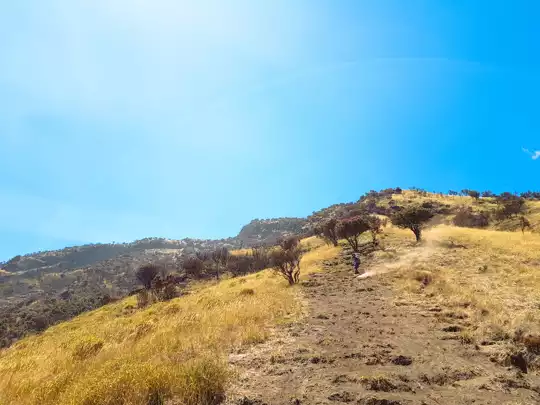
  • Savanna-forest mosaic — The park’s patchwork of grassy plains, island forests and scrub is what makes it visually striking. Hike where the grasslands meet the tree islands for big vistas, changing light and easy spotting of antelope and other grazers.
  • Large-mammal concentrations — Chinko is known for sizable herds of elephants, buffalo and a variety of antelope that gather seasonally. Dry-season game-viewing is especially productive; expect long-lined herds, wallows and the tracks of bigger predators
read more 👉
  • Chinko River and gallery forests — The river carves green corridors through otherwise open country, so you get shaded walks, riverside camps and excellent chances to see mammals coming to drink. Canoe or walk the banks for close-up scenes of riverine forest and wildlife without huge crowds.
  • Savanna-forest mosaic — The park’s patchwork of grassy plains, island forests and scrub is what makes it visually striking. Hike where the grasslands meet the tree islands for big vistas, changing light and easy spotting of antelope and other grazers.
  • Large-mammal concentrations — Chinko is known for sizable herds of elephants, buffalo and a variety of antelope that gather seasonally. Dry-season game-viewing is especially productive; expect long-lined herds, wallows and the tracks of bigger predators if you pay attention.
  • Seasonal floodplains and clearings (baïs) — When floodplains shrink you’ll see wildlife converge on permanent water and mineral-rich clearings. These baïs are wildlife magnets and make for concentrated, rewarding wildlife-watching sessions—quiet patience pays off.
  • Birding hotspots and wetlands — The mix of rivers, floodplain and savanna supports a rich bird list: waterbirds, raptors and woodland species. Migratory visitors bump up the variety in certain months, so bring binoculars and a field guide.
  • Remote-wilderness experience & conservation work — Part of the appeal is how little-touristed and wild it feels; you’ll camp, travel with local guides and often see the landscape almost to yourself. That remoteness also means permits, good logistics and respect for local rules are a must—plan ahead.
Spotted a mistake or missing something? Contact us.

🌤️ When to go?Seasonal considerations and timing


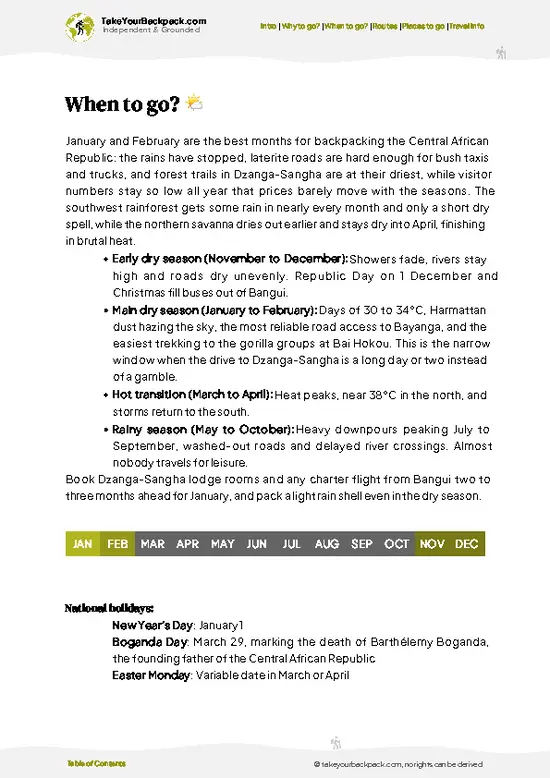
  • Weather: The dry season from November to April is your best bet. Rainfall drops significantly, making trails less muddy and river crossings safer. The wet season (May to October) brings heavy rains that can turn paths into slippery messes and limit wildlife visibility.

  • Temperature: Expect daytime highs around 28–32°C (82–90°F) during the dry months, with cooler nights dipping to 18–22°C (64–72°F). The wet season is slightly cooler but more humid, which can sap your energy faster.

  • Daylight Hours: Near the equator, daylight stays steady year-round—roughly 12 hours daily. This consistency means you can plan hikes without worrying about early sunsets, but always start early to avoid midday heat.

  • Crowds: Chinko is remote and rarely crowded, but the dry season sees a slight uptick in visitors.
read more 👉

  • Weather: The dry season from November to April is your best bet. Rainfall drops significantly, making trails less muddy and river crossings safer. The wet season (May to October) brings heavy rains that can turn paths into slippery messes and limit wildlife visibility.

  • Temperature: Expect daytime highs around 28–32°C (82–90°F) during the dry months, with cooler nights dipping to 18–22°C (64–72°F). The wet season is slightly cooler but more humid, which can sap your energy faster.

  • Daylight Hours: Near the equator, daylight stays steady year-round—roughly 12 hours daily. This consistency means you can plan hikes without worrying about early sunsets, but always start early to avoid midday heat.

  • Crowds: Chinko is remote and rarely crowded, but the dry season sees a slight uptick in visitors. Don’t expect tourist throngs, but be prepared for more ranger patrols and occasional research teams.

  • Seasonal Activities: Dry months are prime for spotting large mammals gathering at waterholes. Birdwatching peaks during the transition months (April and October) when migratory species pass through.

  • Price Fluctuations: Costs for guides and accommodations rise modestly in the dry season due to demand. The wet season offers lower prices but at the expense of accessibility and comfort.


Pro-tip: Aim for late dry season (March-April) to balance good weather, active wildlife, and manageable prices—this window preserves your energy and budget for the moments that truly count.


source: climatestotravel.comJANJanuary: excellent for travelingFEBFebruary: excellent for travelingMARMarch: excellent for travelingAPRApril: highly recommended for travelingMAYMay: fair for travelingJUNJune: fair for travelingJULJuly: below average for travelingAUGAugust: below average for travelingSEPSeptember: fair for travelingOCTOctober: good for travelingNOVNovember: highly recommended for travelingDECDecember: excellent for traveling
central-african-republic-national-park-chinko-nature-reserve v1
© Google |

✈️ The backpacker research shortcutCentral African Republic Travel Guide

An offline-friendly backpacking guide with optimized travel routes, ranked highlights, transport advice, and the best areas to stay.
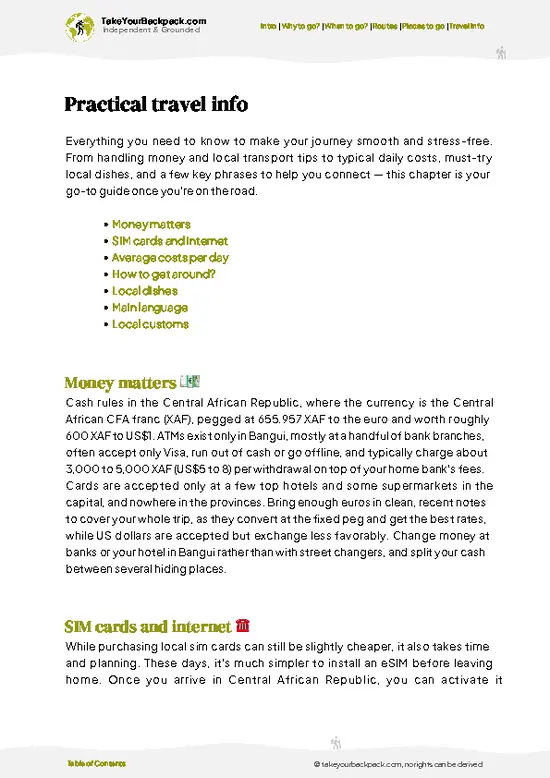
example page 0 from our offline Travel Guide for Central African Republic
example page 1 from our offline Travel Guide for Central African Republic
example page 2 from our offline Travel Guide for Central African Republic
example page 3 from our offline Travel Guide for Central African Republic
example page 4 from our offline Travel Guide for Central African Republic
example page 5 from our offline Travel Guide for Central African Republic
example page 6 from our offline Travel Guide for Central African Republic
example page 7 from our offline Travel Guide for Central African Republic
The digital guide (229 pages) contains:
51 highlights, ranked by travel appeal
Optimized 5, 10 & 15-day travel routes
Cities, national parks, landmarks, beaches
How to get around
Offline-friendly for travel without Wi-Fi
👉 Click to see all 30+ guide features

📅 Plan smarter in minutes, not weeks
Month by month travel advice
Festivals & national holidays
Budget expectations

🗺️ Go to the right places, skip the overrated ones
Honest pros & cons of destinations
Top hikes, parks & viewpoints
Lesser-known places most travelers miss
Clear “worth it vs skip it” guidance

🛏️ Travel smoothly without rookie mistakes
Best areas to stay
Transport systems explained simply
Common scams & safety advice
SIM cards, money & practical tips

🌍 Understand the country, not just visit it
Culture & traditions
52 Essential phrases & customs
Festivals worth planning around
Traveler-friendly historical context
Insights that make places more meaningful

📱 Built for real travel conditions
Fully downloadable PDF
Works completely offline
Optimized for phone use
Useful in remote areas & buses
Everything in one place
Save weeks of stressful planning
Get instant access to your full guide. 30‑day money-back guarantee.
+ Add another guide for just US$7.80

By proceeding you agree to our terms.
Sent to your inbox immediately after payment • 100% Secure Checkout
Best Backpacking Travel Advisor 2025 tourism awardBest Backpacking
Travel Advisor
2025
What others say about Take Your Backpack Guides:
⭐⭐⭐⭐⭐
Fantastic, amazing amount of information!
⭐⭐⭐⭐⭐
My goodness this is amazing, it's what I've been looking for hats off too you!
⭐⭐⭐⭐⭐
I think this is absolutely BRILLIANT
⭐⭐⭐⭐
Very complete and informative. It's still missing places, but I gotta to commend you
⭐⭐⭐⭐⭐
This is truly amazing, thank you, can't wait to explore it with my kids!
⭐⭐⭐⭐⭐
Awesome resource, thank you!
⭐⭐⭐⭐⭐
This is amazing! Can't wait to explore the ones I haven't seen
⭐⭐⭐⭐
I love this! Well done, great idea.
⭐⭐⭐⭐⭐
Thanks for taking the time to make this gem!
⭐⭐⭐⭐⭐
This might be the best website I've ever seen.
⭐⭐⭐⭐⭐
Congratulations, and thank you so much for your work; it's incredibly valuable.
⭐⭐⭐⭐
In all seriousness I think you did a great job pointing out the important spots
⭐⭐⭐⭐⭐
10/10 very good
⭐⭐⭐⭐⭐
As someone who's only just starting to visit regularly this is awesome, thank you.
⭐⭐⭐⭐
Thank you very much! I'm going to visit my dad, it's going to be very useful!
⭐⭐⭐⭐⭐
This is really cool! We'll be travelling for the first time and this definitely come in handy.
⭐⭐⭐⭐⭐
You are now our minister of culture, congratulations 👨‍💼
⭐⭐⭐⭐⭐
Just wanted to tell you that this is a pearl! Going to follow your recommendations.
⭐⭐⭐⭐⭐
This is so cool. I'll definitely be using the resource for my travels soon.
⭐⭐⭐⭐⭐
This is very impressive! Good work.
⭐⭐⭐⭐⭐
This is an amazing and informative site. Very well done!

🛏️ Where to stay?Best areas and accommodation options

Chinko Nature Reserve is remote, and options for backpackers are limited. Inside the park, there’s a basic campsite, but it’s essential to book in advance. Facilities are minimal, so come prepared with your own gear and food. The experience is raw, but that’s part of the allure.

For a more comfortable stay, consider heading to nearby towns like Bria or Bambari. Bria has a few guesthouses that cater to budget travelers. They offer basic amenities and a chance to interact with locals. Bambari, while slightly further, has a couple of lodges that provide a bit more comfort, though they can be pricier. … read more 👉
Chinko Nature Reserve is remote, and options for backpackers are limited. Inside the park, there’s a basic campsite, but it’s essential to book in advance. Facilities are minimal, so come prepared with your own gear and food. The experience is raw, but that’s part of the allure.

For a more comfortable stay, consider heading to nearby towns like Bria or Bambari. Bria has a few guesthouses that cater to budget travelers. They offer basic amenities and a chance to interact with locals. Bambari, while slightly further, has a couple of lodges that provide a bit more comfort, though they can be pricier.

Keep in mind that transportation can be tricky. Roads are often in poor condition, and public transport is infrequent. Factor in extra time for travel and be ready for delays.

Lastly, always check for security updates before you go. The region can be unpredictable, and staying informed is crucial. This preparation will help you focus on the wildlife and landscapes that make Chinko special, rather than getting bogged down by logistics.

👛 Costs (as of 3 September 2026)Typical daily expenses

Visiting Chinko Nature Reserve in the Central African Republic requires careful budgeting. Entry fees typically range from $10 to $20 per person. This fee grants you access to the park’s diverse wildlife and stunning landscapes.

Accommodation options vary significantly. Basic lodges start around $50 per night, while more comfortable options can go up to $150. If you’re considering guided tours, expect to pay between $100 and $300 per day, depending on the level of service and group size.

Transportation can be tricky. A 4x4 rental might cost around $100 per day, but fuel prices can add up quickly. Local guides are essential for navigating the area, and their fees generally range from $50 to $100 per day.

Food costs are relatively low if you stick to local eateries, averaging about $5 to … read more 👉
Visiting Chinko Nature Reserve in the Central African Republic requires careful budgeting. Entry fees typically range from $10 to $20 per person. This fee grants you access to the park’s diverse wildlife and stunning landscapes.

Accommodation options vary significantly. Basic lodges start around $50 per night, while more comfortable options can go up to $150. If you’re considering guided tours, expect to pay between $100 and $300 per day, depending on the level of service and group size.

Transportation can be tricky. A 4x4 rental might cost around $100 per day, but fuel prices can add up quickly. Local guides are essential for navigating the area, and their fees generally range from $50 to $100 per day.

Food costs are relatively low if you stick to local eateries, averaging about $5 to $15 per meal. However, if you prefer Western-style dining, prices can jump to $20 or more.

Plan for additional costs like park permits or fees for specific activities, which can vary. Always have some cash on hand, as card payments are not widely accepted. Being aware of these expenses will help you allocate your budget wisely, ensuring you can fully enjoy the experience without unexpected financial stress.
⚠️ Prices can change and everyone travels differently, so take this as a rough guide. Hope it helps you plan your adventure!

🥾 TrailsExploring Chinko Nature Reserve: trails, terrain, and views

Chinko Nature Reserve is a hidden gem in the Central African Republic, offering some seriously stunning hiking opportunities. The terrain is a mix of dense rainforest, savannah, and riverine landscapes, which means you’re in for a visual treat. Wildlife is a big draw here; keep your eyes peeled for elephants, antelopes, and maybe even a glimpse of the elusive African wild dog. The trails can be rugged, so a decent level of fitness is a plus, especially if you’re keen on exploring deeper into the reserve.

While there aren’t a ton of designated trails, one notable option is the Chinko River Trail. … read more 👉
Chinko Nature Reserve is a hidden gem in the Central African Republic, offering some seriously stunning hiking opportunities. The terrain is a mix of dense rainforest, savannah, and riverine landscapes, which means you’re in for a visual treat. Wildlife is a big draw here; keep your eyes peeled for elephants, antelopes, and maybe even a glimpse of the elusive African wild dog. The trails can be rugged, so a decent level of fitness is a plus, especially if you’re keen on exploring deeper into the reserve.

While there aren’t a ton of designated trails, one notable option is the Chinko River Trail. Here are the details:
  • Length: 10 km
  • Estimated Duration: 3-4 hours
  • Difficulty Level: Moderate
  • Key Features: Scenic river views, diverse wildlife spotting, and lush vegetation
  • Terrain: Mixed paths with some rocky sections and river crossings

Getting to Chinko can be a bit of an adventure itself. Public transport options are limited, but you can find shared taxis or arrange for a local guide who can help you navigate the journey. Crowds? Not really a concern here; you’re more likely to have the trails to yourself, which is a huge plus for those seeking solitude. Entrance fees are usually quite reasonable, but it’s a good idea to check in advance, as they can change. Just be prepared for a bit of a trek to get there, and you’ll be rewarded with the beauty of this untouched wilderness.
⚠️ Hiking info can sometimes be outdated or inaccurate. Before you hit the trail, check the latest conditions with locals. If you do spot anything that's off, I'd love to hear from you, so I can update it for fellow travelers.

🛡️ SafetyTraveler Safety Guide

Chinko Nature Reserve offers a rich experience, but it’s essential to be prepared. Weather can shift quickly; afternoon storms are common, so plan your hikes for early in the day. The terrain varies—some trails are well-marked, while others can be steep and require careful footing. Navigation skills are crucial; a good map and compass are your best friends here.

Wildlife encounters are part of the adventure. Elephants and various primates roam freely, so keep a respectful distance. Avoid sudden movements and loud noises to ensure a safe interaction.

First-timers often underestimate the importance of sturdy footwear and adequate hydration. Bring a reliable water filter; river crossings can be tricky, and you’ll want to stay hydrated without carrying excess weight.

By staying aware and … read more 👉
Chinko Nature Reserve offers a rich experience, but it’s essential to be prepared. Weather can shift quickly; afternoon storms are common, so plan your hikes for early in the day. The terrain varies—some trails are well-marked, while others can be steep and require careful footing. Navigation skills are crucial; a good map and compass are your best friends here.

Wildlife encounters are part of the adventure. Elephants and various primates roam freely, so keep a respectful distance. Avoid sudden movements and loud noises to ensure a safe interaction.

First-timers often underestimate the importance of sturdy footwear and adequate hydration. Bring a reliable water filter; river crossings can be tricky, and you’ll want to stay hydrated without carrying excess weight.

By staying aware and prepared, you’ll conserve your energy and budget for the moments that truly matter in this remarkable reserve.

FAQCommon questions from travelers

4 to 5 days are recommended to explore Chinko Nature Reserve adequately, allowing time for wildlife viewing and travel within the reserve. The area is vast, covering over 17,600 square kilometers, so multiple days are needed to experience its biodiversity.
No, you cannot visit Chinko Nature Reserve without a car. The reserve is remote with limited infrastructure, and self-driving or guided tours by 4x4 vehicles are necessary to navigate the rough terrain and reach key wildlife areas.
Yes, an entrance permit is required to visit Chinko Nature Reserve. Permits are typically arranged through the reserve management or tour operators, and fees can vary but expect to pay around $50 to $100 depending on the length of stay and services included.
⚠️ Things can change over time, so always validate details locally before you go.

Other Central African national parks near Chinko Nature Reserve

Explore more nearby:


💡 Not sure where to go next?
Create a personalized itinerary for Central African Republic including Chinko Nature Reserve and the places that fit your trip.

Generate my itinerary

👉 Discover all national parks

Or checkout all Central African Republic has to offer (think cities, towns, villages, national parks, hikes, beaches, festivals)
Country photo of Central African Republic

We 💚 feedbackFinal thoughts on exploring Chinko Nature Reserve

Chinko Nature Reserve is a raw slice of wilderness that feels untouched. The best surprise? The sheer variety of wildlife—watching elephants roam freely is a game-changer. But don’t underestimate the logistics; getting here can be a challenge. Prepare for bumpy roads and limited services. Bring your patience and a good book for downtime. Embrace the slow pace; it’s part of the experience. This place rewards those who invest the effort.

✍️ Help improve this page!
The information on this page is based on in-depth research, insights shared by experienced travelers, and feedback from the local travel community in Central African Republic. While every effort is made to keep the information accurate and current, conditions can change — so if you spot anything incorrect or outdated, please get in touch.


🙋‍♂️ Give feedback

👋 Meet the founderWho’s Behind Take Your Backpack?

Johan, backpacker and founder of TakeYourBackpackHi, I’m Johan (Netherlands 🇳🇱), the creator of TakeYourBackpack. Over the past decade, I’ve backpacked through 80+ countries across six continents, gaining extensive experience with independent travel, long-term trips, and overland routes.

This site is built on a combination of firsthand travel experience and carefully curated insights from other backpackers. Many guides are based on places I’ve personally visited, while others bring together tips, observations, and practical advice shared by trusted travelers I’ve met along the way.

The goal is to provide realistic, experience-driven guidance — not generic itineraries — so you can explore destinations with better context, clearer expectations, and more confidence.

Get full country guide •
Instant download • 51 highlights • Full Offline guide