v2.webp)
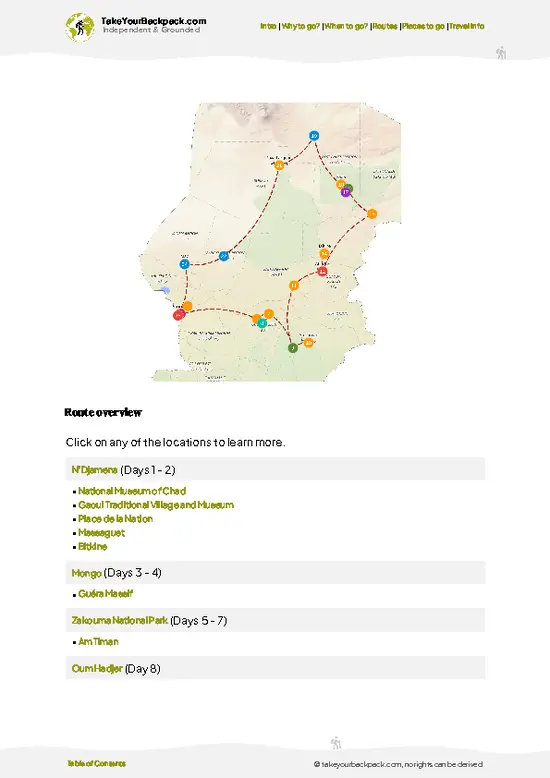
1. The Brass and Copperwork Alley
Forget the Instagram filters—this is the real deal. The metalworkers here aren’t just selling souvenirs; they’re hammering, etching, and torching raw brass and copper into everything from teapots to jewelry, right in front of you. The clang of mallets and the hiss of torches are the soundtrack. You’ll see hands blackened by work, not for show, but because this is how families have made a living for generations. If you want a piece, you’ll haggle face-to-face with the artisan who made it. No middlemen, no “artisan-inspired” knockoffs. This is craftsmanship with scars and stories.
2. The Indigo Dyers’ Corner
This is not a sanitized, “boutique” textile stall. Here, indigo dyeing is a full-body sport. You’ll spot vats of dye that look like midnight, and men and … read more 👉
Forget the Instagram filters—this is the real deal. The metalworkers here aren’t just selling souvenirs; they’re hammering, etching, and torching raw brass and copper into everything from teapots to jewelry, right in front of you. The clang of mallets and the hiss of torches are the soundtrack. You’ll see hands blackened by work, not for show, but because this is how families have made a living for generations. If you want a piece, you’ll haggle face-to-face with the artisan who made it. No middlemen, no “artisan-inspired” knockoffs. This is craftsmanship with scars and stories.
2. The Indigo Dyers’ Corner
This is not a sanitized, “boutique” textile stall. Here, indigo dyeing is a full-body sport. You’ll spot vats of dye that look like midnight, and men and … read more 👉
1. The Brass and Copperwork Alley
Forget the Instagram filters—this is the real deal. The metalworkers here aren’t just selling souvenirs; they’re hammering, etching, and torching raw brass and copper into everything from teapots to jewelry, right in front of you. The clang of mallets and the hiss of torches are the soundtrack. You’ll see hands blackened by work, not for show, but because this is how families have made a living for generations. If you want a piece, you’ll haggle face-to-face with the artisan who made it. No middlemen, no “artisan-inspired” knockoffs. This is craftsmanship with scars and stories.
2. The Indigo Dyers’ Corner
This is not a sanitized, “boutique” textile stall. Here, indigo dyeing is a full-body sport. You’ll spot vats of dye that look like midnight, and men and women up to their elbows in blue, wringing out cloth that will stain your hands if you touch it. The patterns are bold, geometric, and unapologetically local—think Saharan motifs, not Paris runways. If you want to see how color and culture collide, stand here for a while. You’ll leave with a scarf that smells faintly of earth and smoke, not a factory.
3. The Leatherworkers’ Stretch
The scent hits you first: rawhide, sun, and a whiff of sweat. The leather goods here—bags, sandals, wallets—are stitched by hand, often while you watch. You’ll see tools that look like they belong in a museum, but they’re in daily use. Ask about the origins, and you’ll get stories of cattle drives and desert crossings. This isn’t “rustic chic”—it’s the backbone of Chadian trade, and every scratch on that satchel means something.
4. The Market’s Social Core: Tea and Conversation
Here’s the secret: the best entertainment isn’t for sale. It’s the ritual of sweet, minty Chadian tea, poured high and slow, shared among strangers and friends. Pull up a plastic stool, accept the glass, and listen. You’ll hear gossip, politics, and jokes that don’t translate but still make you laugh. This is where the market breathes. If you skip this, you miss the soul of the place.
5. The Patchwork of Regional Stalls
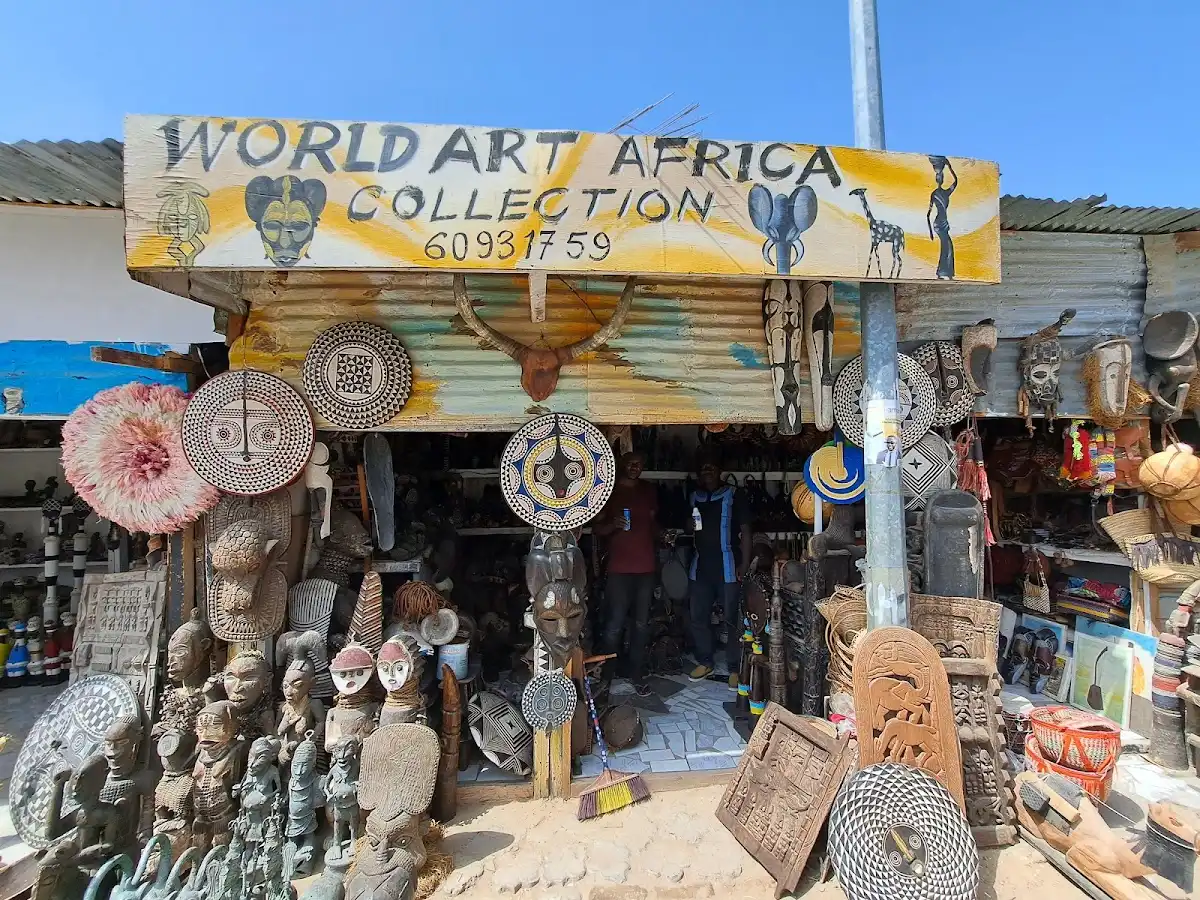
The Crafts Market isn’t a monolith; it’s a living map of Chad. You’ll find Tuareg silver from the north, Kanem pottery, and wood carvings from the south. Each stall is a microcosm of a region, and the sellers are proud to explain the difference—if you show real interest. It’s a crash course in Chadian diversity, no museum labels required. The market is chaotic, yes, and sometimes overwhelming, but that’s the point: it’s alive, and you’re in the middle of it.
Forget the Instagram filters—this is the real deal. The metalworkers here aren’t just selling souvenirs; they’re hammering, etching, and torching raw brass and copper into everything from teapots to jewelry, right in front of you. The clang of mallets and the hiss of torches are the soundtrack. You’ll see hands blackened by work, not for show, but because this is how families have made a living for generations. If you want a piece, you’ll haggle face-to-face with the artisan who made it. No middlemen, no “artisan-inspired” knockoffs. This is craftsmanship with scars and stories.
2. The Indigo Dyers’ Corner
This is not a sanitized, “boutique” textile stall. Here, indigo dyeing is a full-body sport. You’ll spot vats of dye that look like midnight, and men and women up to their elbows in blue, wringing out cloth that will stain your hands if you touch it. The patterns are bold, geometric, and unapologetically local—think Saharan motifs, not Paris runways. If you want to see how color and culture collide, stand here for a while. You’ll leave with a scarf that smells faintly of earth and smoke, not a factory.
3. The Leatherworkers’ Stretch
The scent hits you first: rawhide, sun, and a whiff of sweat. The leather goods here—bags, sandals, wallets—are stitched by hand, often while you watch. You’ll see tools that look like they belong in a museum, but they’re in daily use. Ask about the origins, and you’ll get stories of cattle drives and desert crossings. This isn’t “rustic chic”—it’s the backbone of Chadian trade, and every scratch on that satchel means something.
4. The Market’s Social Core: Tea and Conversation
Here’s the secret: the best entertainment isn’t for sale. It’s the ritual of sweet, minty Chadian tea, poured high and slow, shared among strangers and friends. Pull up a plastic stool, accept the glass, and listen. You’ll hear gossip, politics, and jokes that don’t translate but still make you laugh. This is where the market breathes. If you skip this, you miss the soul of the place.
5. The Patchwork of Regional Stalls
The Crafts Market isn’t a monolith; it’s a living map of Chad. You’ll find Tuareg silver from the north, Kanem pottery, and wood carvings from the south. Each stall is a microcosm of a region, and the sellers are proud to explain the difference—if you show real interest. It’s a crash course in Chadian diversity, no museum labels required. The market is chaotic, yes, and sometimes overwhelming, but that’s the point: it’s alive, and you’re in the middle of it.
Spotted a mistake or missing something? Contact us.

N'DJAMENA - Gaoui village and the Sao civilization

N'DJAMENA The Elephant-Dandi rock and Doughia tourist resort

SAHARA -Self Drive Ennedi

Visit of the Ennedi Nature Reserve 10 days

ETNIE - Traditional Gerewol dances

SAFARI - Zakouma National Park

TIBESTI - Self Drive

N'DJAMENA - 4x4 car rental with driver

 Best Backpacking
.jpg) Hi, I’m Johan (Netherlands 🇳🇱), the creator of TakeYourBackpack. Over the past 3 decades, I’ve backpacked through 90+ countries across six continents, gaining extensive experience with independent travel, long-term trips, and overland routes.
Hi, I’m Johan (Netherlands 🇳🇱), the creator of TakeYourBackpack. Over the past 3 decades, I’ve backpacked through 90+ countries across six continents, gaining extensive experience with independent travel, long-term trips, and overland routes.