
The Butcher’s Alley
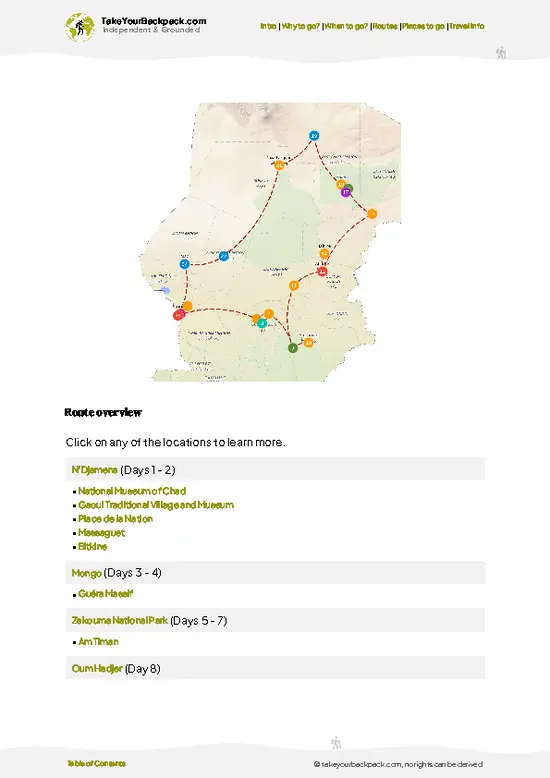
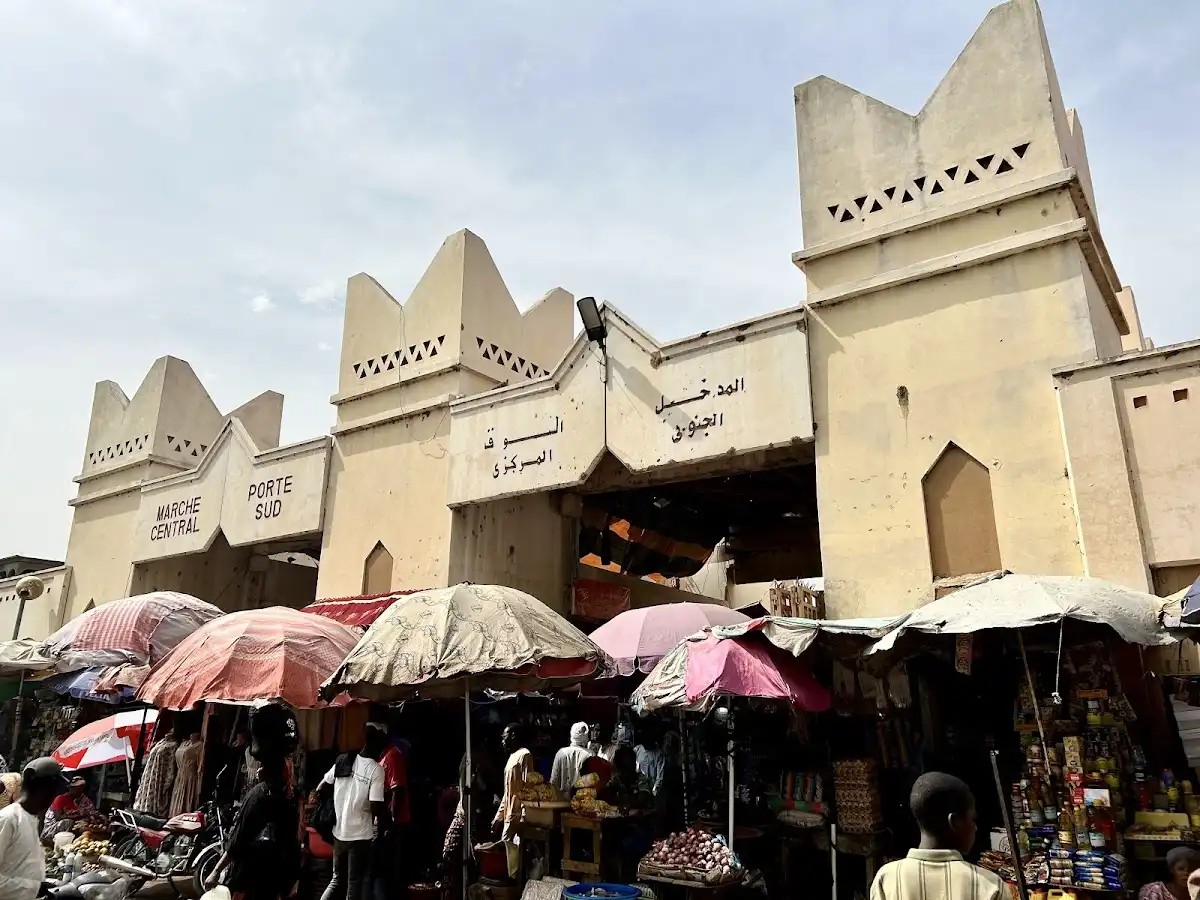
Let’s get real: this isn’t a sanitized, Instagrammable food hall. The Butcher’s Alley is raw, loud, and unapologetically alive. You’ll see slabs of beef and goat hanging from hooks, men with machetes negotiating prices in a mix of French, Arabic, and Sara. The air is thick with the scent of fresh meat and wood smoke. If you want to understand what “market” means in Central Africa, stand here for ten minutes. It’s not for the squeamish, but it’s the beating heart of the city’s food chain—no filter, no frills, just the real deal.
The Spice and Dried Goods Maze
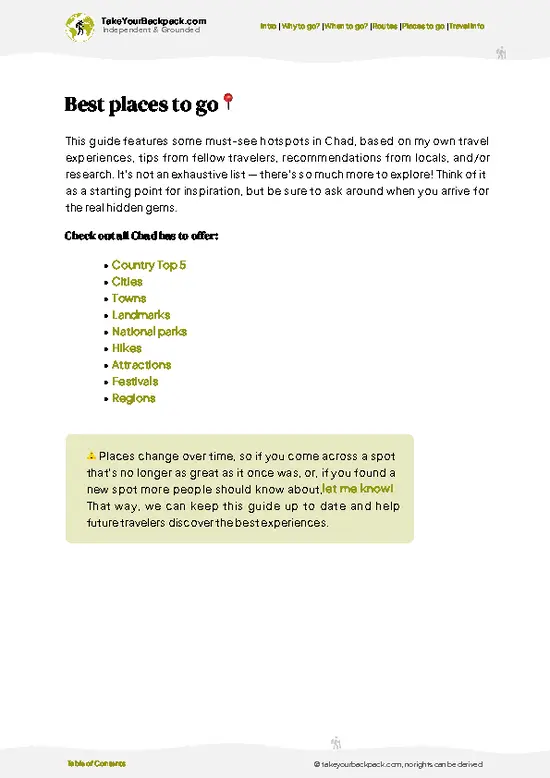
Forget the curated spice racks of Western supermarkets. Here, you’ll find pyramids of red chili, heaps of dried okra, and sacks of millet and sorghum that feed half the country. The vendors are quick with a joke and … read more 👉
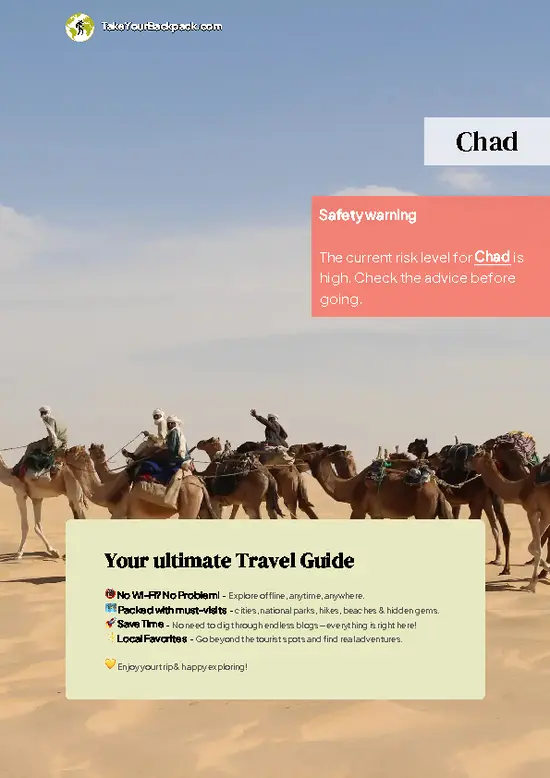
The Butcher’s Alley
Let’s get real: this isn’t a sanitized, Instagrammable food hall. The Butcher’s Alley is raw, loud, and unapologetically alive. You’ll see slabs of beef and goat hanging from hooks, men with machetes negotiating prices in a mix of French, Arabic, and Sara. The air is thick with the scent of fresh meat and wood smoke. If you want to understand what “market” means in Central Africa, stand here for ten minutes. It’s not for the squeamish, but it’s the beating heart of the city’s food chain—no filter, no frills, just the real deal.
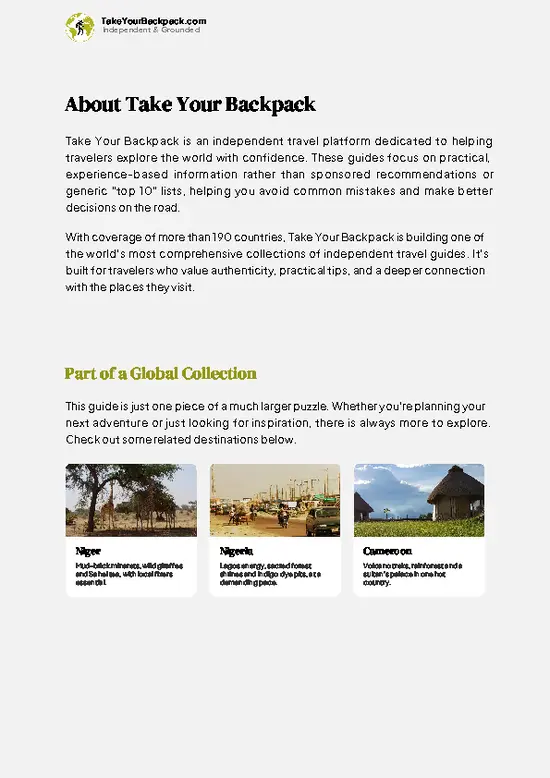
The Spice and Dried Goods Maze
Forget the curated spice racks of Western supermarkets. Here, you’ll find pyramids of red chili, heaps of dried okra, and sacks of millet and sorghum that feed half the country. The vendors are quick with a joke and quicker with a sample. The colors are wild, but the real magic is in the smells: earthy, pungent, sometimes overwhelming. If you want to taste Chad, this is where you start—just don’t expect labels or price tags. Haggling is the only language that matters.
The Tailors’ Row
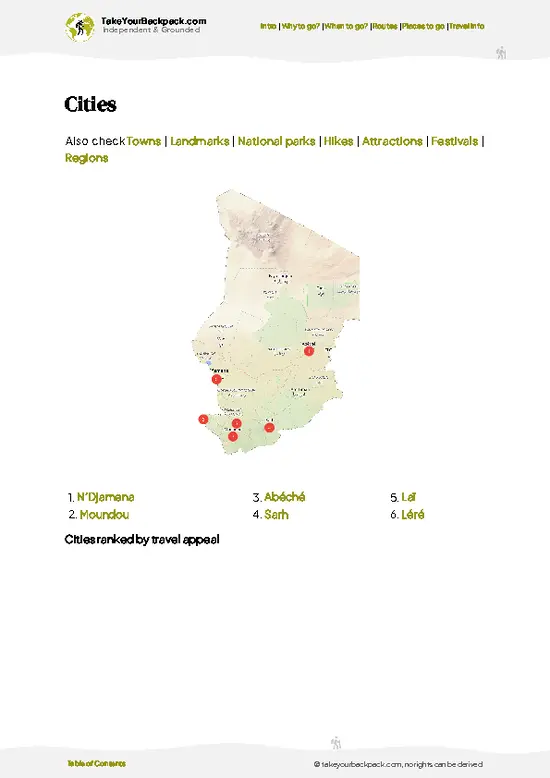
This isn’t a tourist trap selling “authentic” souvenirs. These are working tailors, sewing machines rattling, turning wax-print fabric into the boldest shirts and dresses you’ll see anywhere. You can watch a garment go from bolt to body in an afternoon. If you’re brave, commission something yourself. The patterns are loud, the colors even louder, and the pride in craftsmanship is unmistakable. This is wearable art, made on the spot, and it’s a direct line into Chadian style.
The Open-Air Cafés
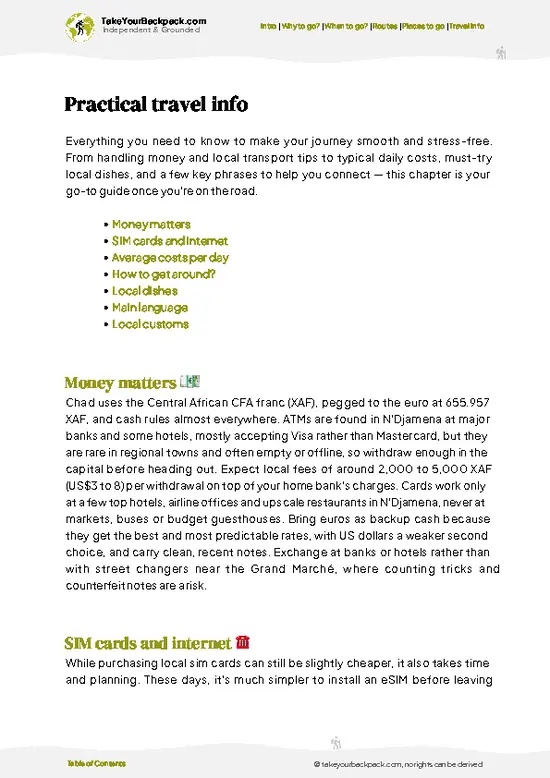
You won’t find latte art or avocado toast. What you will find: strong, sweet tea poured from battered kettles, plastic chairs under patchwork tarps, and a crowd of locals debating politics or football. The entertainment is people-watching—kids darting between stalls, traders arguing over sacks of onions, the occasional goat trotting past. If you want to feel the city’s pulse, skip the hotel breakfast and grab a seat here. It’s chaos, but it’s honest.
The Contraband Corner
Every market has its shadow, and in N’Djamena, it’s the corner where you’ll find everything from knockoff electronics to “imported” cigarettes. No, you shouldn’t buy the fake iPhones, but the spectacle is worth a look. This is capitalism stripped to the bone—no rules, no apologies, just hustle. It’s a reminder that the market is more than a shopping destination; it’s a living, breathing organism, adapting to survive.
The Mosque Soundscape
You can’t ignore the call to prayer echoing over the market, five times a day, weaving through the noise of commerce. It’s a moment of pause in the madness, a reminder that faith and daily life are inseparable here. The sound is haunting, grounding, and—if you let it—transformative. It’s not a photo op; it’s a sensory reset. Stand still, close your eyes, and let the city’s rhythm wash over you.
Spotted a mistake or missing something? Contact us.

N'DJAMENA - Gaoui village and the Sao civilization

N'DJAMENA The Elephant-Dandi rock and Doughia tourist resort

SAHARA -Self Drive Ennedi

Visit of the Ennedi Nature Reserve 10 days

ETNIE - Traditional Gerewol dances

SAFARI - Zakouma National Park

TIBESTI - Self Drive

N'DJAMENA - 4x4 car rental with driver

 Best Backpacking

 Hi, I’m Johan (Netherlands 🇳🇱), the creator of TakeYourBackpack. Over the past 3 decades, I’ve backpacked through 90+ countries across six continents, gaining extensive experience with independent travel, long-term trips, and overland routes.