
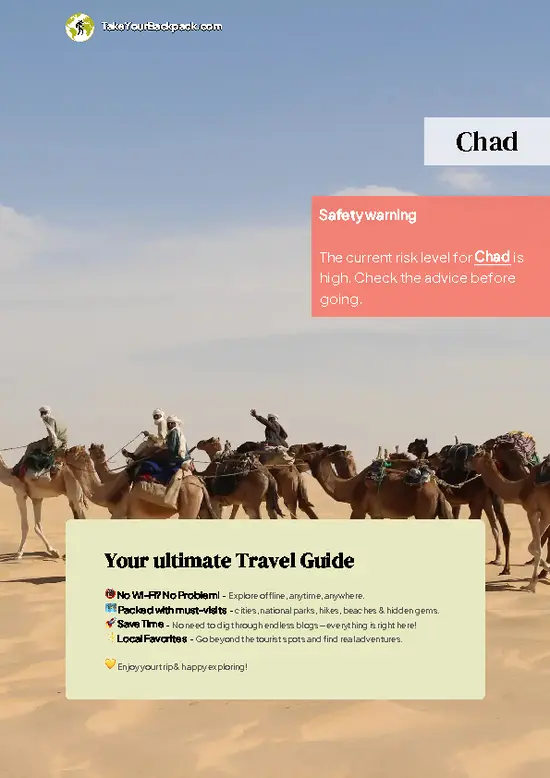
- Fada Market (Marché central) — The real heart of town: vendors selling spices, dried fish, dates, woven goods and small tools. Great for people-watching, picking up locally made souvenirs and seeing how trade still works in the Sahel.
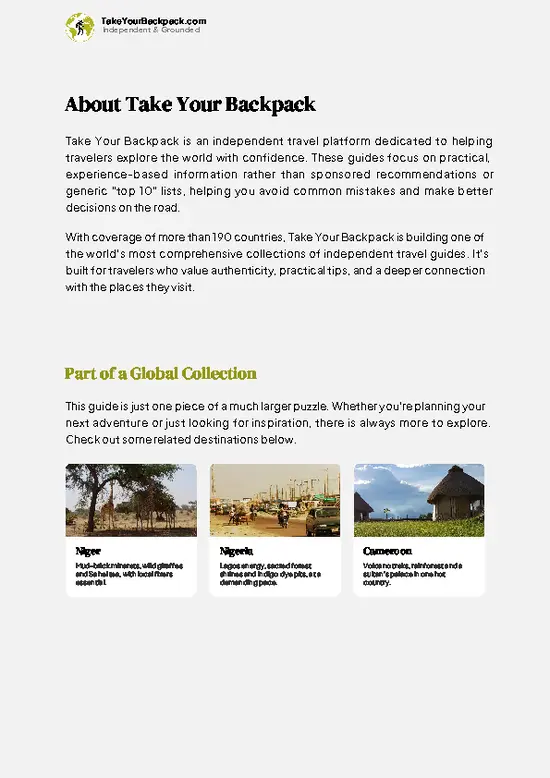
- Main Mosque of Fada — A working mosque where you can observe daily prayer rhythms and local religious life. The architecture is simple but telling, and the courtyard offers an easy, respectful way to connect with locals.
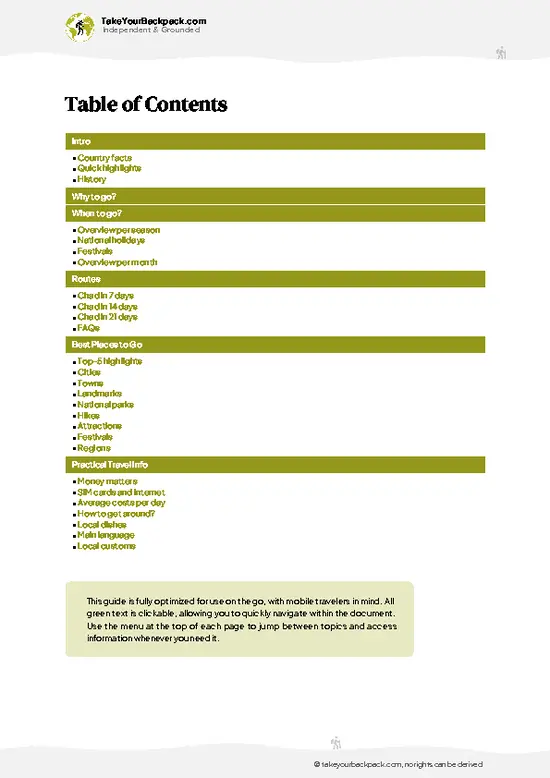
- Old Quarter (vieille ville) — Narrow alleys and mud-brick houses show traditional building techniques and everyday life. Walk slowly, chat with residents, and notice carved doors, courtyard layouts and how families arrange space in the desert.
- Colonial-era administrative buildings — Scattered French-era offices and residences that tell the
- Fada Market (Marché central) — The real heart of town: vendors selling spices, dried fish, dates, woven goods and small tools. Great for people-watching, picking up locally made souvenirs and seeing how trade still works in the Sahel.
- Main Mosque of Fada — A working mosque where you can observe daily prayer rhythms and local religious life. The architecture is simple but telling, and the courtyard offers an easy, respectful way to connect with locals.
- Old Quarter (vieille ville) — Narrow alleys and mud-brick houses show traditional building techniques and everyday life. Walk slowly, chat with residents, and notice carved doors, courtyard layouts and how families arrange space in the desert.
- Colonial-era administrative buildings — Scattered French-era offices and residences that tell the town’s 20th-century history. They’re useful for photos and for understanding the administrative hub that Fada became under colonial rule.
- Artisan workshops and handicraft stalls — Small, informal workshops where leatherworkers, metalworkers and weavers make goods for local use. You can watch techniques up close and buy directly from makers — far better than souvenir shops.
- Livestock and camel market — Usually held on specific market days: a noisy, dusty, utterly authentic place to see camels, goats and the bargaining culture that still moves much of the local economy.
- Palm groves and communal wells — Small oasis patches and public wells around town where people irrigate gardens and fetch water. They’re quiet, green spots that reveal how life is sustained here and are great places to photograph daily routines.
- Tea stalls and social squares — Low tables, strong tea and long conversations. Sitting at a tea stall is one of the simplest ways to meet people, hear local stories, and observe social life unfolding at a relaxed pace.
- Community meeting places / cultural gatherings — Informal courtyards, schoolyards or municipal spaces where music, storytelling and ceremonies happen. If you time it right you can catch performances, local debates or seasonal events.
- Fada airstrip / airport area — Not glamorous, but useful: the tiny airstrip sees supply and regional flights and gives a practical sense of how Fada connects with the outside world. The surrounding area also offers a good vantage on the town’s layout.
Spotted a mistake or missing something? Contact us.

 Best Backpacking

 Hi, I’m Johan (Netherlands 🇳🇱), the creator of TakeYourBackpack. Over the past 3 decades, I’ve backpacked through 90+ countries across six continents, gaining extensive experience with independent travel, long-term trips, and overland routes.