×

Chad🇹🇩 | attractionsTraditional Camel Markets of Abéchécamel enclosures, livestock auctions, nomad gatherings | things to do and best time to go

Explore Sao Cultural Sites near Lake Chad regionExplore Hadjer el Hamis Rock Formations Viewpoint

Backpacking in Traditional Camel Markets of Abéché
👌 Worth visitingattraction ranked #9
By Johan Kruseman 🇳🇱 | Updated September 3, 2026

Forget the Instagram fantasy of the Abéché camel market as a dreamy, sepia-toned parade of dromedaries and desert mystique. The real scene is raw, loud, and unapologetically alive—a full-contact spectacle of commerce and survival, not a curated photo op. Abéché sits in eastern Chad, on the edge of the Sahel, far from the capital’s paved comfort. For backpackers, this is not a casual detour; it’s a deliberate plunge into the heart of Saharan trade culture, where Tuareg, Arab, and local Chadian traders haggle over camels with the same intensity you’d find on a Wall Street trading floor, only dustier and with more livestock. The wow-factor is real: the sheer scale, the ancient barter rituals, the sense that you’re witnessing a living tradition that predates most borders. But it’s not cheap or easy—getting here costs time, patience, and a willingness to rough it. Crowds are local, not touristy, and the vibe is gritty, unpredictable, and utterly authentic—worlds away from Chad’s more sanitized attractions.

Discover everything you want to know in the 📖 Chad Travel Guide.
Safety warning

The current risk level for Chad is high. Check the advice before going.


Get your Chad guide
70 ranked highlights, routes & tips, works offline (294 pages)
Loading the map 🌍
CLICK TO FILTER
cities
towns
landmarks
national parks
hikes
attractions
festivals
regions
SHOW COUNTRY’S BESTSHOW ALL

✨ Why go?
Ranked #9 attraction in Chad
What sets this place apart

The Traditional Camel Markets of Abéché in Chad are not your typical tourist stop, and that’s exactly why they demand your attention. Yes, they’re crowded and chaotic—expect a sensory overload of dust, shouting traders, and the unmistakable scent of livestock. But this is where the raw pulse of Sahelian life hits you hardest. These markets are a living relic of centuries-old trade routes, a place where camel herders, merchants, and locals converge in a spectacle that’s as much about survival as it is commerce. The sheer scale of the market, with hundreds of camels changing hands daily, is a testament to Chad’s deep-rooted nomadic culture and economic backbone.

Backpackers who make the trek here aren’t just ticking off a box—they’re immersing themselves in a pivotal chapter of African history … read more 👉
The Traditional Camel Markets of Abéché in Chad are not your typical tourist stop, and that’s exactly why they demand your attention. Yes, they’re crowded and chaotic—expect a sensory overload of dust, shouting traders, and the unmistakable scent of livestock. But this is where the raw pulse of Sahelian life hits you hardest. These markets are a living relic of centuries-old trade routes, a place where camel herders, merchants, and locals converge in a spectacle that’s as much about survival as it is commerce. The sheer scale of the market, with hundreds of camels changing hands daily, is a testament to Chad’s deep-rooted nomadic culture and economic backbone.

Backpackers who make the trek here aren’t just ticking off a box—they’re immersing themselves in a pivotal chapter of African history and culture that’s rarely packaged for tourists. The effort to get here, often through rough roads and limited infrastructure, pays off with an adrenaline rush that’s hard to replicate elsewhere. It’s a milestone on any Chad itinerary because it strips away the polished tourist veneer and delivers an unfiltered, gritty, and unforgettable experience. If you want to understand Chad beyond the headlines, this market is where you start.
Want to include Traditional Camel Markets of Abéché in your Chad route?
Create a personalized Chad itinerary that includes Traditional Camel Markets of Abéché and the places that fit your trip — based on your travel style, budget, and available time. Get your route in seconds.

Generate my trip

💡 HighlightsPlaces and moments you shouldn't skip

The Auction Floor: The Theater of the Sale
Forget the sanitized, tourist-friendly markets you’ve seen on social media. The camel market in Abéché is a raw, high-stakes theater where deals are made with a handshake and a stare. Traders—some in flowing boubous, others in battered baseball caps—size up camels with the intensity of poker players. The auction isn’t a sideshow; it’s the main event. You’ll see fortunes change hands in minutes, with the crowd’s energy rising and falling like a desert wind. This is commerce stripped to its bones, and it’s impossible not to get swept up in the drama.


The Camel Parade: Beauty, Brawn, and Bragging Rights
Before the bidding starts, the camels are paraded for all to see. These aren’t just beasts of burden—they’re status symbols, investments, and sometimes … read more 👉
The Auction Floor: The Theater of the Sale
Forget the sanitized, tourist-friendly markets you’ve seen on social media. The camel market in Abéché is a raw, high-stakes theater where deals are made with a handshake and a stare. Traders—some in flowing boubous, others in battered baseball caps—size up camels with the intensity of poker players. The auction isn’t a sideshow; it’s the main event. You’ll see fortunes change hands in minutes, with the crowd’s energy rising and falling like a desert wind. This is commerce stripped to its bones, and it’s impossible not to get swept up in the drama.


The Camel Parade: Beauty, Brawn, and Bragging Rights
Before the bidding starts, the camels are paraded for all to see. These aren’t just beasts of burden—they’re status symbols, investments, and sometimes even racing champions. Watch for the proud owners strutting alongside their animals, boasting about lineage and stamina. The camels themselves are a study in contrasts: some are sleek and almost regal, others are scrappy survivors with scars that tell their own stories. There’s an artistry to how they’re shown off, and if you’re lucky, you’ll catch a glimpse of a prized white camel—a rarity that can spark a bidding war.


The Negotiation Rituals: Verbal Fencing at Its Finest
Haggling here is not just about price; it’s a performance. Expect rapid-fire Arabic, theatrical gestures, and the occasional dramatic walk-away. The best traders know how to read a twitch of the eyebrow or a pause in the conversation. If you’ve ever wanted to see negotiation as a contact sport, this is your front-row seat. Don’t expect anyone to slow down for outsiders, but if you show genuine interest, you might get a nod of respect—or at least a lesson in humility.


The Sights and Sounds: A Sensory Overload
This isn’t a market for the faint-hearted. The air is thick with dust, punctuated by the guttural grunts of camels and the sharp calls of traders. There’s the slap of rope on hide, the clink of coins, the smell of sweat and sun-baked earth. It’s chaotic, loud, and utterly immersive. If you want a market that feels alive, not curated, this is it.


The Human Stories: Generations of Trade
Many families have been coming here for generations, and the market is as much about relationships as it is about livestock. You’ll see old friends sharing tea, young boys learning the ropes, and elders passing on hard-won wisdom. If you’re respectful and curious, you might be invited to sit for a glass of sweet tea and hear stories that never make it into guidebooks. This is where the real magic happens—far from the Instagram filters, in the honest, unvarnished connections between people.
Spotted a mistake or missing something? Contact us.
🌤️ When to go?Choosing the right time of year


  • Weather: The best time to visit the Traditional Camel Markets of Abéché is during the dry season, roughly from November to March. This period avoids the brutal rains that turn the dusty market into a muddy mess and make travel a nightmare.

  • Temperature: Expect daytime highs between 30-35°C (86-95°F) in the dry season, which is hot but manageable if you start early. Avoid April to October when temperatures can soar above 40°C (104°F), making the market experience exhausting and less enjoyable.

  • Daylight Hours: Daylight is fairly consistent year-round, with about 11 to 12 hours of light. Markets kick off early, so plan to be there at dawn to catch the best action and cooler temps.

  • Crowds: The market is busiest during the dry season when traders from across the region converge. This means
read more 👉

  • Weather: The best time to visit the Traditional Camel Markets of Abéché is during the dry season, roughly from November to March. This period avoids the brutal rains that turn the dusty market into a muddy mess and make travel a nightmare.

  • Temperature: Expect daytime highs between 30-35°C (86-95°F) in the dry season, which is hot but manageable if you start early. Avoid April to October when temperatures can soar above 40°C (104°F), making the market experience exhausting and less enjoyable.

  • Daylight Hours: Daylight is fairly consistent year-round, with about 11 to 12 hours of light. Markets kick off early, so plan to be there at dawn to catch the best action and cooler temps.

  • Crowds: The market is busiest during the dry season when traders from across the region converge. This means more hustle, more bargaining, and a richer cultural experience, but also more noise and chaos.

  • Seasonal Activities: Camel trading peaks in the dry months, with the best animals and most vibrant deals happening between December and February. Outside this window, the market feels quieter and less dynamic.

  • Price Fluctuations: Prices tend to be higher during peak trading months due to demand and the quality of camels available. Visiting just before or after the peak season might save you some cash but expect fewer options.


Pro-tip: Arrive early in the dry season to dodge the worst heat, catch the market at its liveliest, and negotiate prices before the crowd swells.


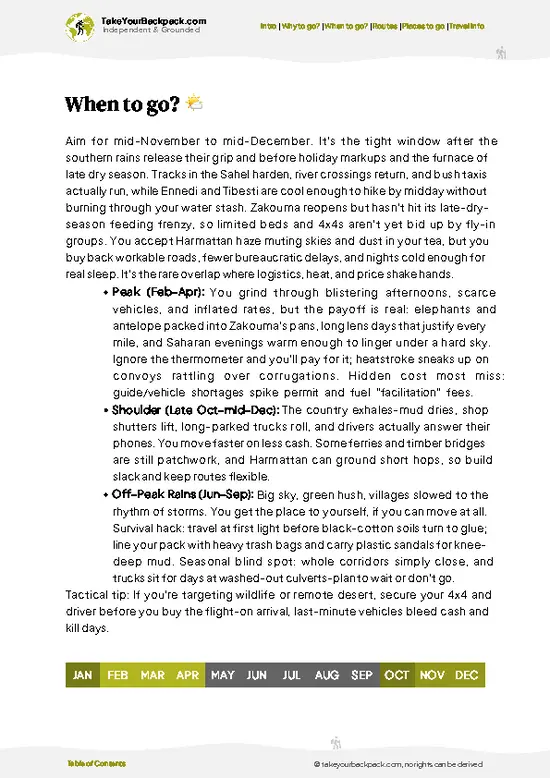
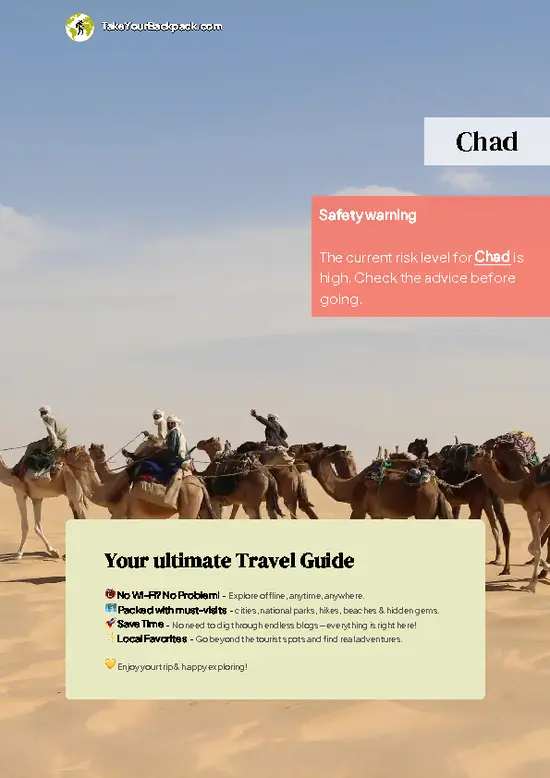
source: climatestotravel.comJANJanuary: excellent for travelingFEBFebruary: excellent for travelingMARMarch: highly recommended for travelingAPRApril: fair for travelingMAYMay: below average for travelingJUNJune: below average for travelingJULJuly: below average for travelingAUGAugust: below average for travelingSEPSeptember: fair for travelingOCTOctober: fair for travelingNOVNovember: highly recommended for travelingDECDecember: excellent for traveling
chad-attraction-traditional-camel-markets-of-abeche v1
© Google |

✈️ The backpacker research shortcutChad Travel Guide

An offline-friendly backpacking guide with optimized travel routes, ranked highlights, transport advice, and the best areas to stay.
example page 0 from our offline Travel Guide for Chad
example page 1 from our offline Travel Guide for Chad
example page 2 from our offline Travel Guide for Chad
example page 3 from our offline Travel Guide for Chad
example page 4 from our offline Travel Guide for Chad
example page 5 from our offline Travel Guide for Chad
example page 6 from our offline Travel Guide for Chad
example page 7 from our offline Travel Guide for Chad
The digital guide (294 pages) contains:
70 highlights, ranked by travel appeal
Optimized 7, 14 & 21-day travel routes
Cities, national parks, landmarks, beaches
How to get around
Offline-friendly for travel without Wi-Fi
👉 Click to see all 30+ guide features

📅 Plan smarter in minutes, not weeks
Month by month travel advice
Festivals & national holidays
Budget expectations

🗺️ Go to the right places, skip the overrated ones
Honest pros & cons of destinations
Top hikes, parks & viewpoints
Lesser-known places most travelers miss
Clear “worth it vs skip it” guidance

🛏️ Travel smoothly without rookie mistakes
Best areas to stay
Transport systems explained simply
Common scams & safety advice
SIM cards, money & practical tips

🌍 Understand the country, not just visit it
Culture & traditions
52 Essential phrases & customs
Festivals worth planning around
Traveler-friendly historical context
Insights that make places more meaningful

📱 Built for real travel conditions
Fully downloadable PDF
Works completely offline
Optimized for phone use
Useful in remote areas & buses
Everything in one place
Save weeks of stressful planning
Get instant access to your full guide. 30‑day money-back guarantee.
+ Add another guide for just US$7.80

By proceeding you agree to our terms.
Sent to your inbox immediately after payment • 100% Secure Checkout
Best Backpacking Travel Advisor 2025 tourism awardBest Backpacking
Travel Advisor
2025
What others say about Take Your Backpack Guides:
⭐⭐⭐⭐⭐
Fantastic, amazing amount of information!
⭐⭐⭐⭐⭐
My goodness this is amazing, it's what I've been looking for hats off too you!
⭐⭐⭐⭐⭐
I think this is absolutely BRILLIANT
⭐⭐⭐⭐
Very complete and informative. It's still missing places, but I gotta to commend you
⭐⭐⭐⭐⭐
This is truly amazing, thank you, can't wait to explore it with my kids!
⭐⭐⭐⭐⭐
Awesome resource, thank you!
⭐⭐⭐⭐⭐
This is amazing! Can't wait to explore the ones I haven't seen
⭐⭐⭐⭐
I love this! Well done, great idea.
⭐⭐⭐⭐⭐
Thanks for taking the time to make this gem!
⭐⭐⭐⭐⭐
This might be the best website I've ever seen.
⭐⭐⭐⭐⭐
Congratulations, and thank you so much for your work; it's incredibly valuable.
⭐⭐⭐⭐
In all seriousness I think you did a great job pointing out the important spots
⭐⭐⭐⭐⭐
10/10 very good
⭐⭐⭐⭐⭐
As someone who's only just starting to visit regularly this is awesome, thank you.
⭐⭐⭐⭐
Thank you very much! I'm going to visit my dad, it's going to be very useful!
⭐⭐⭐⭐⭐
This is really cool! We'll be travelling for the first time and this definitely come in handy.
⭐⭐⭐⭐⭐
You are now our minister of culture, congratulations 👨‍💼
⭐⭐⭐⭐⭐
Just wanted to tell you that this is a pearl! Going to follow your recommendations.
⭐⭐⭐⭐⭐
This is so cool. I'll definitely be using the resource for my travels soon.
⭐⭐⭐⭐⭐
This is very impressive! Good work.
⭐⭐⭐⭐⭐
This is an amazing and informative site. Very well done!

🛏️ Where to stay?Where staying makes the most sense

The camel markets of Abéché are not a polished tourist attraction; they’re a raw, living slice of Sahelian life, and that means your stay needs to match that vibe. Forget luxury or even comfort as you’d expect elsewhere. The best places to stay are right in the heart of Abéché town, where you can tap into the pulse of daily life without wandering into unsafe or isolated spots. The neighborhoods around the central market area are your best bet. They’re gritty, yes, but they’re also where locals and traders converge, so you get a real sense of the place beyond the camel trade spectacle.

These areas … read more 👉
The camel markets of Abéché are not a polished tourist attraction; they’re a raw, living slice of Sahelian life, and that means your stay needs to match that vibe. Forget luxury or even comfort as you’d expect elsewhere. The best places to stay are right in the heart of Abéché town, where you can tap into the pulse of daily life without wandering into unsafe or isolated spots. The neighborhoods around the central market area are your best bet. They’re gritty, yes, but they’re also where locals and traders converge, so you get a real sense of the place beyond the camel trade spectacle.

These areas are popular with budget travelers and solo backpackers because they offer a social atmosphere—you’ll find other adventurers, local guides, and traders hanging out, which is invaluable for safety and insider tips. The accommodations here are basic, often family-run guesthouses or small inns, but that’s part of the charm. You’re not here for plush beds; you’re here to soak in the atmosphere, hear the calls of merchants bargaining in Arabic and local dialects, and watch camels shuffle through dusty streets.

Be prepared for noise, crowds, and a lack of Western amenities. But if you want to experience the camel market’s authentic chaos and humanity, staying close to the central market area is the only way to go. It’s where the real magic happens—unfiltered, unvarnished, and unforgettable.

👛 Costs (as of 3 September 2026)Typical daily expenses

As of the most recent estimates, visiting the Traditional Camel Markets of Abéché, Chad, is free of charge. However, it's customary to pay a small fee to the sultan to seal transactions between buyers and sellers. This fee is not fixed and can vary, but it's generally a nominal amount, often around €1 to €5. Additional costs may include purchasing items from the market, such as camel products or local crafts, with prices varying based on the item and negotiation skills.
⚠️ Prices can change and everyone travels differently, so take this as a rough guide. Hope it helps you plan your adventure!

FAQFrequently asked questions about Traditional Camel Markets of Abéché

2 to 3 hours is sufficient to visit the Traditional Camel Markets of Abéché, allowing time to observe the trading and interact with locals. The market is most active in the early morning, so plan your visit accordingly. Visiting on market days, typically once or twice a week, is essential for the full experience.
Yes, the Traditional Camel Markets of Abéché are worth the entrance fee, which is usually minimal or sometimes free for foreigners. The market offers a unique cultural insight into local trade and nomadic life, making it a valuable experience for travelers interested in authentic African markets.
You can get to the Traditional Camel Markets of Abéché by flying into Abéché Airport from N'Djamena or other regional hubs. From the town center, the market is accessible by taxi or on foot, located within a few kilometers of the main urban area.
⚠️ Things can change over time, so always validate details locally before you go.

Other Chadian attractions near Traditional Camel Markets of Abéché

Explore more nearby:


💡 Not sure where to go next?
Create a personalized itinerary for Chad including Traditional Camel Markets of Abéché and the places that fit your trip.

Generate my itinerary

👉 Discover all attractions

Or checkout all Chad has to offer (think cities, towns, villages, national parks, hikes, beaches, festivals)
Country photo of Chad

We 💚 feedbackFinal thoughts on visiting Traditional Camel Markets of Abéché

The camel market in Abéché isn’t a polished tourist spot—expect dust, noise, and a crowd that’s more local business hustle than postcard charm. It’s raw, chaotic, and yes, a bit overwhelming if you’re not ready for it. But that’s exactly where its magic lies: watching centuries-old trading rituals unfold in real time, surrounded by people who live and breathe this tradition. If you come with patience and respect, you’ll walk away with a story no staged market could ever offer. Just don’t expect comfort or convenience—this is the real deal.

✍️ Help improve this page!
The information on this page is based on in-depth research, insights shared by experienced travelers, and feedback from the local travel community in Chad. While every effort is made to keep the information accurate and current, conditions can change — so if you spot anything incorrect or outdated, please get in touch.


🙋‍♂️ Give feedback

👋 Meet the founderWho’s Behind Take Your Backpack?

Johan, backpacker and founder of TakeYourBackpackHi, I’m Johan (Netherlands 🇳🇱), the creator of TakeYourBackpack. Over the past decade, I’ve backpacked through 80+ countries across six continents, gaining extensive experience with independent travel, long-term trips, and overland routes.

This site is built on a combination of firsthand travel experience and carefully curated insights from other backpackers. Many guides are based on places I’ve personally visited, while others bring together tips, observations, and practical advice shared by trusted travelers I’ve met along the way.

The goal is to provide realistic, experience-driven guidance — not generic itineraries — so you can explore destinations with better context, clearer expectations, and more confidence.

Get full Chad guide •
Instant download • 70 highlights • Full Offline guide