×

Chile🇨🇱 | festivalsFestival del Huaso de OlmuéFolk song contest, cueca, huaso dress, fondas | things to do and best time to go

Explore Festival Internacional de la Canción de Viña del MarExplore Fiesta de la Vendimia de Santa Cruz

Backpacking in del Huaso de Olmué
🌟 Highlightfestival ranked #5
By Johan Kruseman 🇳🇱 | Updated October 19, 2026

Festival del Huaso de Olmué is Chile’s best-known folk song festival, broadcast nationally by TVN over four January nights from the open-air amphitheater of Parque El Patagual. It takes place in Olmué, a valley town in the Valparaíso Region below Parque Nacional La Campana, and its 55th edition ran from 15 to 18 January 2026.

Discover everything you want to know in the 📖 Chile Travel Guide.


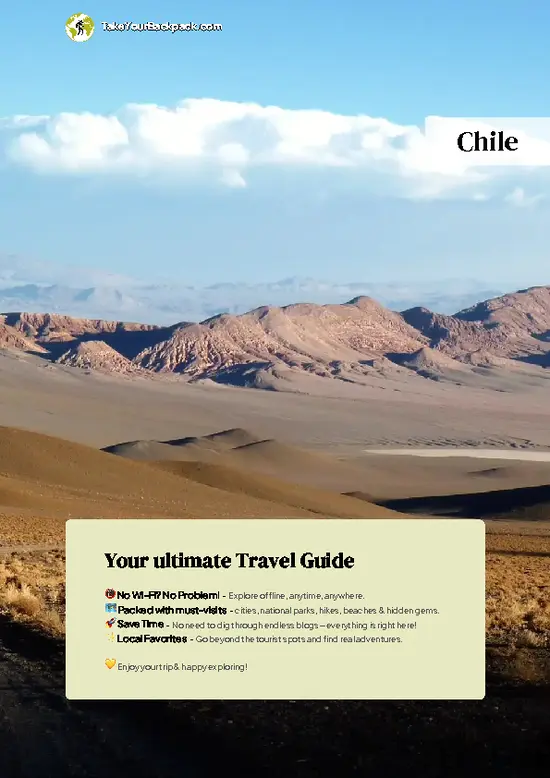
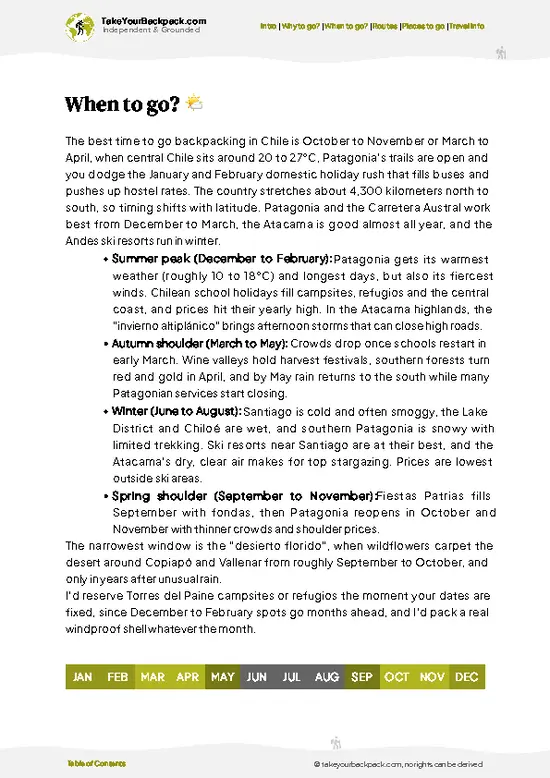
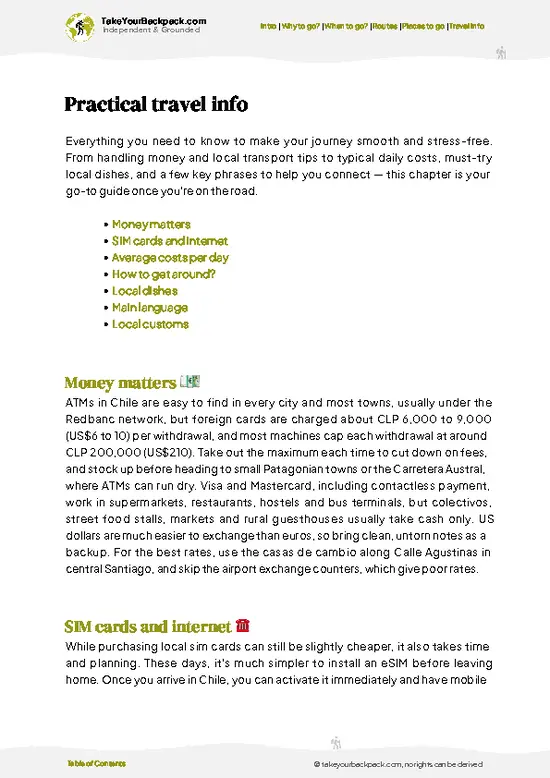
example page 0 from our offline Travel Guide for Chile
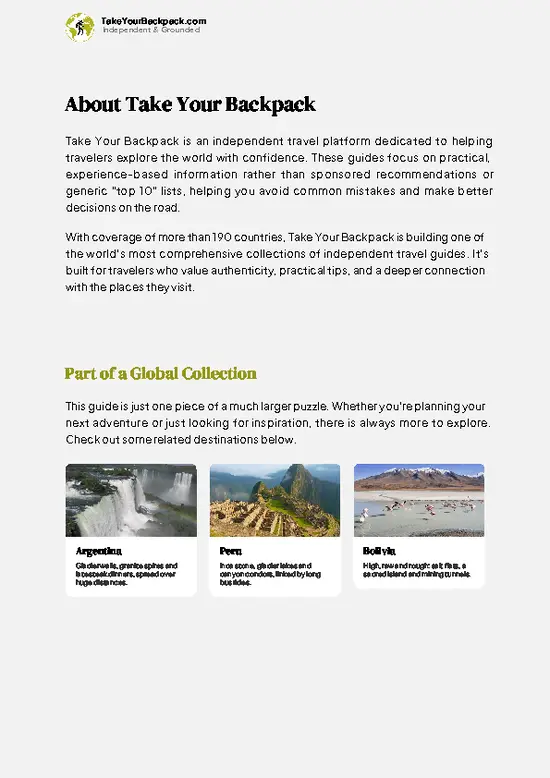
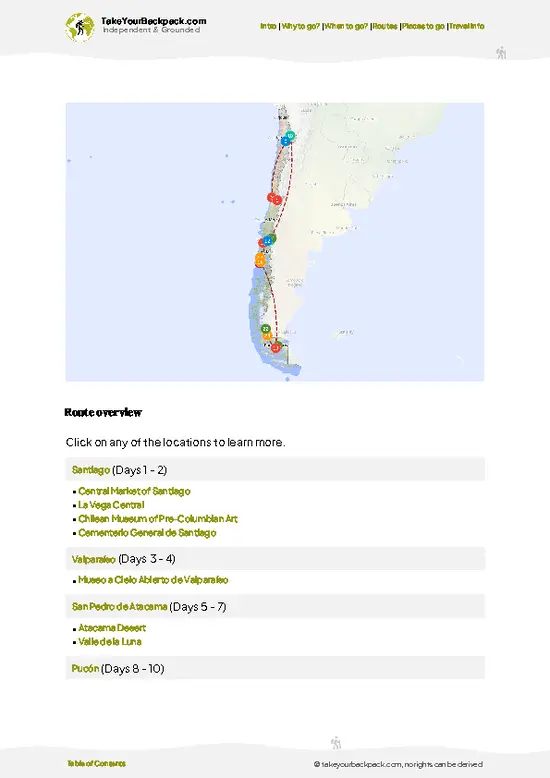
example page 1 from our offline Travel Guide for Chile
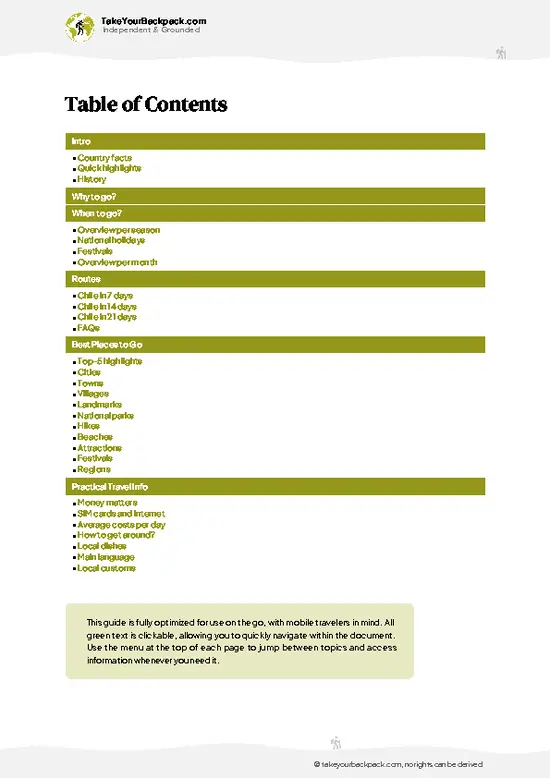
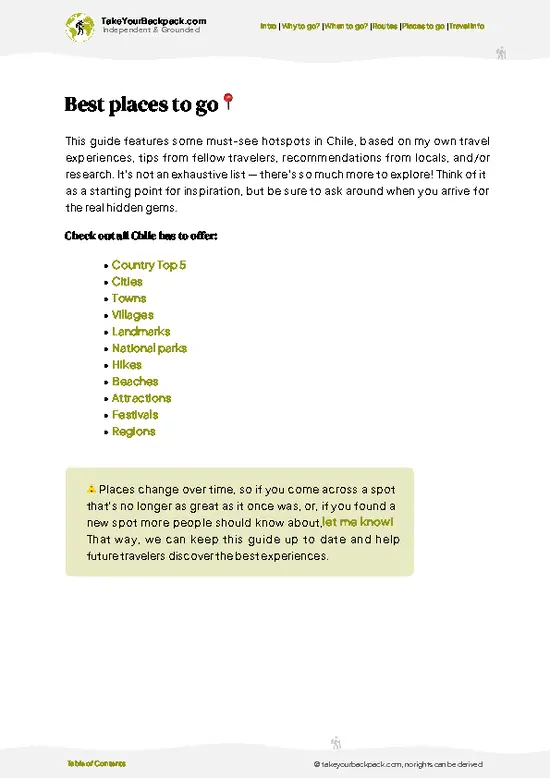
example page 2 from our offline Travel Guide for Chile
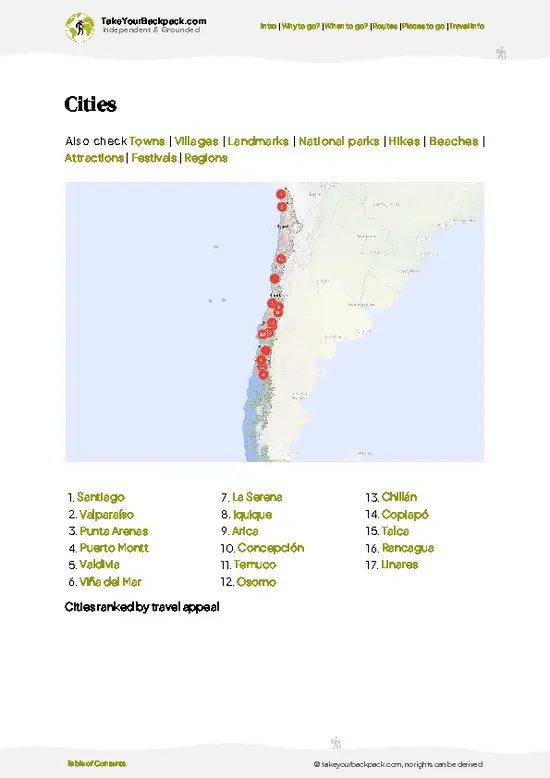
example page 3 from our offline Travel Guide for Chile
example page 4 from our offline Travel Guide for Chile
example page 5 from our offline Travel Guide for Chile
example page 6 from our offline Travel Guide for Chile
example page 7 from our offline Travel Guide for Chile
Loading the map 🌍
CLICK TO FILTER
cities
towns
villages
landmarks
national parks
hikes
beaches
attractions
festivals
regions
SHOW COUNTRY’S BESTSHOW ALL

✨ Why go?
Ranked #5 festival in Chile
Why del Huaso de Olmué should be on your travel list

Festival del Huaso de Olmué is the one event where Chilean country culture takes over a whole valley town, and that is the draw for a backpacker already working through central Chile. It runs in the Parque El Patagual amphitheater, a short ride inland from Valparaíso and Viña del Mar, so you can fit it between coast and capital without rearranging your trip. The crowd is mostly Chilean families and groups of friends, which means you spend the night among locals singing along to cueca and tonada rather than among other tourists. Strangers share wine and empanadas on the lawns, and a seat near the stage is an easy way to start conversations in Spanish. Cost matters too: entry is modest next to big music festivals, and the town’s cabins, campsites and fondas keep food and beds within a backpacker … read more 👉
Festival del Huaso de Olmué is the one event where Chilean country culture takes over a whole valley town, and that is the draw for a backpacker already working through central Chile. It runs in the Parque El Patagual amphitheater, a short ride inland from Valparaíso and Viña del Mar, so you can fit it between coast and capital without rearranging your trip. The crowd is mostly Chilean families and groups of friends, which means you spend the night among locals singing along to cueca and tonada rather than among other tourists. Strangers share wine and empanadas on the lawns, and a seat near the stage is an easy way to start conversations in Spanish. Cost matters too: entry is modest next to big music festivals, and the town’s cabins, campsites and fondas keep food and beds within a backpacker budget. The event also lands in the summer season, when the Cerro La Campana trails of nearby Parque Nacional La Campana are open, so one trip gives you folk music at night and hiking by day.

💡 HighlightsKey sights and experiences for travelers

  1. Anfiteatro El Patagual: the open-air amphitheater under the hills is where the festival lives. Nights run late, and the crowd claps, sings and waves handkerchiefs when a favorite folk act appears.
  2. Folk competition: new songs in folk styles compete for prizes, and this is the heart of the event. You hear tonadas and rancheras written to be sung in Chilean country style, often with local guitar and accordion.
  3. Cueca dancing: the national dance appears on stage and among the audience. Couples circle with handkerchiefs in hand, and watching the footwork is the quickest lesson in rural Chilean courtship tradition.
  4. Huaso culture and costume: the namesake huaso, the Chilean horseman, shows up in flat-brimmed hats, short ponchos called mantas and spurs. Many visitors dress the part, so photographs and
… read more 👉
  1. Anfiteatro El Patagual: the open-air amphitheater under the hills is where the festival lives. Nights run late, and the crowd claps, sings and waves handkerchiefs when a favorite folk act appears.
  2. Folk competition: new songs in folk styles compete for prizes, and this is the heart of the event. You hear tonadas and rancheras written to be sung in Chilean country style, often with local guitar and accordion.
  3. Cueca dancing: the national dance appears on stage and among the audience. Couples circle with handkerchiefs in hand, and watching the footwork is the quickest lesson in rural Chilean courtship tradition.
  4. Huaso culture and costume: the namesake huaso, the Chilean horseman, shows up in flat-brimmed hats, short ponchos called mantas and spurs. Many visitors dress the part, so photographs and conversations come easily.
  5. Fondas and food stalls around the park: empanadas de pino, grilled meats, sopaipillas and glasses of chicha or red wine are sold in the grounds. Eating here beside local families is a cheap way to taste country cooking.
Start with the amphitheater on the first evening, because the atmosphere in the stands sets the tone and shows you which of the other experiences are worth chasing the next day.
Spotted a mistake or missing something? Contact us.

Things to do near Festival del Huaso de Olmué

Ratings based on Tripadvisor reviews. When you book through this link, you support our work at no extra cost to you.

🌤️ When to go?When is the celebration of Festival del Huaso de Olmué?

Festival del Huaso de Olmué runs for several nights in mid to late January, usually a Thursday-to-Sunday or longer stretch, in the Quinta Region town of Olmué at the Anfiteatro del Parque El Patagual, with exact dates announced each year.
  • Best night: The final two nights carry the biggest headliners and the full folk-and-pop crowd, while the opening night is easier to get into and has a more relaxed audience.
  • Weather: Days reach 27 to 32°C (81 to 90°F), dry and sunny, and evenings in the valley cool to about 14 to 16°C (57 to 61°F). Bring a sun hat, sunscreen, water and a light jacket for the open-air shows.
  • Booking: Buy tickets as soon as they go on sale, usually in November or December, and reserve a bed 6 to 8 weeks ahead. Rates in Olmué and nearby Villa Alemana can rise 30 to 60 percent.
  • Crowds:
… read more 👉
Festival del Huaso de Olmué runs for several nights in mid to late January, usually a Thursday-to-Sunday or longer stretch, in the Quinta Region town of Olmué at the Anfiteatro del Parque El Patagual, with exact dates announced each year.
  • Best night: The final two nights carry the biggest headliners and the full folk-and-pop crowd, while the opening night is easier to get into and has a more relaxed audience.
  • Weather: Days reach 27 to 32°C (81 to 90°F), dry and sunny, and evenings in the valley cool to about 14 to 16°C (57 to 61°F). Bring a sun hat, sunscreen, water and a light jacket for the open-air shows.
  • Booking: Buy tickets as soon as they go on sale, usually in November or December, and reserve a bed 6 to 8 weeks ahead. Rates in Olmué and nearby Villa Alemana can rise 30 to 60 percent.
  • Crowds: Arrive mid-afternoon, ahead of the evening crowds. From Limache, local buses and colectivos reach Olmué in 15 to 20 minutes. Leave after the encore or wait for the last buses.
Take a midday bus from Viña del Mar or Valparaíso and keep your evening free of other plans.


source: climatestotravel.comJANJanuary: excellent for travelingFEBFebruary: not recommended for travelingMARMarch: not recommended for travelingAPRApril: not recommended for travelingMAYMay: not recommended for travelingJUNJune: not recommended for travelingJULJuly: not recommended for travelingAUGAugust: not recommended for travelingSEPSeptember: not recommended for travelingOCTOctober: not recommended for travelingNOVNovember: not recommended for travelingDECDecember: not recommended for traveling

✈️ The backpacker research shortcutChile Travel Guide

An offline-friendly backpacking guide with optimized travel routes, ranked highlights, transport advice, and the best areas to stay.
example page 0 from our offline Travel Guide for Chile
example page 1 from our offline Travel Guide for Chile
example page 2 from our offline Travel Guide for Chile
example page 3 from our offline Travel Guide for Chile
example page 4 from our offline Travel Guide for Chile
example page 5 from our offline Travel Guide for Chile
example page 6 from our offline Travel Guide for Chile
example page 7 from our offline Travel Guide for Chile
The digital guide (333 pages) contains:
✅ 107 highlights, ranked by travel appeal
✅ Optimized 7, 14 & 21-day travel routes
✅ Cities, national parks, landmarks, beaches
✅ How to get around
✅ Offline-friendly for travel without Wi-Fi
👉 Click to see all 30+ guide features

📅 Plan smarter in minutes, not weeks
✅ Month by month travel advice
✅ Festivals & national holidays
✅ Budget expectations

🗺️ Go to the right places, skip the overrated ones
✅ Honest pros & cons of destinations
✅ Top hikes, parks & viewpoints
✅ Lesser-known places most travelers miss
✅ Clear “worth it vs skip it” guidance

🛏️ Travel smoothly without rookie mistakes
✅ Best areas to stay
✅ Transport systems explained simply
✅ Common scams & safety advice
✅ SIM cards, money & practical tips

🌍 Understand the country, not just visit it
✅ Culture & traditions
✅ 52 Essential phrases & customs
✅ Festivals worth planning around
✅ Traveler-friendly historical context
✅ Insights that make places more meaningful

📱 Built for real travel conditions
✅ Fully downloadable PDF
✅ Works completely offline
✅ Optimized for phone use
✅ Useful in remote areas & buses
✅ Everything in one place
Stop searching, start planning
Get instant access to your full guide. 30‑day money-back guarantee.
+ Add another guide for just

By proceeding you agree to our terms.
Sent to your inbox immediately after payment • 100% Secure Checkout
Best Backpacking Travel Advisor 2025 tourism awardBest Backpacking
Travel Advisor
2025
What others say about Take Your Backpack Guides:
⭐⭐⭐⭐⭐
Fantastic, amazing amount of information!
⭐⭐⭐⭐⭐
My goodness this is amazing, it's what I've been looking for hats off too you!
⭐⭐⭐⭐⭐
I think this is absolutely BRILLIANT
⭐⭐⭐⭐
Very complete and informative. It's still missing places, but I gotta to commend you
⭐⭐⭐⭐⭐
This is truly amazing, thank you, can't wait to explore it with my kids!
⭐⭐⭐⭐⭐
Awesome resource, thank you!
⭐⭐⭐⭐⭐
This is amazing! Can't wait to explore the ones I haven't seen
⭐⭐⭐⭐
I love this! Well done, great idea.
⭐⭐⭐⭐⭐
Thanks for taking the time to make this gem!
⭐⭐⭐⭐⭐
This might be the best website I've ever seen.
⭐⭐⭐⭐⭐
Congratulations, and thank you so much for your work; it's incredibly valuable.
⭐⭐⭐⭐
In all seriousness I think you did a great job pointing out the important spots
⭐⭐⭐⭐⭐
10/10 very good
⭐⭐⭐⭐⭐
As someone who's only just starting to visit regularly this is awesome, thank you.
⭐⭐⭐⭐
Thank you very much! I'm going to visit my dad, it's going to be very useful!
⭐⭐⭐⭐⭐
This is really cool! We'll be travelling for the first time and this definitely come in handy.
⭐⭐⭐⭐⭐
You are now our minister of culture, congratulations 👨‍💼
⭐⭐⭐⭐⭐
Just wanted to tell you that this is a pearl! Going to follow your recommendations.
⭐⭐⭐⭐⭐
This is so cool. I'll definitely be using the resource for my travels soon.
⭐⭐⭐⭐⭐
This is very impressive! Good work.
⭐⭐⭐⭐⭐
This is an amazing and informative site. Very well done!

🛏️ Where to stay?Where staying makes the most sense

Olmué itself is the easiest base, because everything including the amphitheater sits within walking distance and you avoid the late-night traffic on the valley road. Book early, as small guesthouses and campsites fill weeks before January.
The streets around the central plaza and the main avenue are the most social part of town. Backpackers tend to cluster here, share tables at cheap eateries and walk home in a group after the shows. It feels safe on festival nights, with heavy police presence and families everywhere.
Limache, a short ride away, is the quieter alternative. It has a calmer feel, … read more 👉
Olmué itself is the easiest base, because everything including the amphitheater sits within walking distance and you avoid the late-night traffic on the valley road. Book early, as small guesthouses and campsites fill weeks before January.
The streets around the central plaza and the main avenue are the most social part of town. Backpackers tend to cluster here, share tables at cheap eateries and walk home in a group after the shows. It feels safe on festival nights, with heavy police presence and families everywhere.
Limache, a short ride away, is the quieter alternative. It has a calmer feel, lower prices and frequent colectivos and buses to Olmué, though the last ones back can be thin after midnight.
For the best mix of price and nightlife, stay in Viña del Mar. Its hostel district has the largest number of solo travelers, easy meet-ups for shared rides, and direct buses to Villa Alemana, with a connection up to Olmué. Plan on 1 to 1.5 hours each way and a taxi or shared ride home after the final act.
Campers should look at sites in the hills around Olmué and near Parque El Patagual, which suit people with their own tent and a taste for early-morning birdsong.

👛 Costs (as of 19 October 2026)Travel costs and budget guide for del Huaso de Olmué

Festival del Huaso de Olmué costs about US$73 to 165 per person per day for an independent traveler during its four nights in mid-January, with tickets and beds driving most of the spend.
CategoryBudget RangeLocal Reality
Festival ticketsUS$20 to 55Seats in the Parque El Patagual amphitheater are sold per night, with cheaper general areas at the back and pricier numbered seats near the stage. Prices climb for headline nights and sell out early.
AccommodationUS$30 to 55Dorm beds and basic guesthouse rooms in Olmué, Villa Alemana and Limache fill up in January. Rates run well above the rest of the year, and campsites nearby are the cheapest option.
Local transportUS$3 to 12Buses and colectivos run from Limache and Villa Alemana to Olmué for a few dollars each way. Late-night rides after the final
… read more 👉
Festival del Huaso de Olmué costs about US$73 to 165 per person per day for an independent traveler during its four nights in mid-January, with tickets and beds driving most of the spend.
CategoryBudget RangeLocal Reality
Festival ticketsUS$20 to 55Seats in the Parque El Patagual amphitheater are sold per night, with cheaper general areas at the back and pricier numbered seats near the stage. Prices climb for headline nights and sell out early.
AccommodationUS$30 to 55Dorm beds and basic guesthouse rooms in Olmué, Villa Alemana and Limache fill up in January. Rates run well above the rest of the year, and campsites nearby are the cheapest option.
Local transportUS$3 to 12Buses and colectivos run from Limache and Villa Alemana to Olmué for a few dollars each way. Late-night rides after the final act cost more, so many travelers book a return taxi to a nearby town.
Food & drinksUS$15 to 28Empanadas, grilled meat sandwiches and Chilean wine or pisco sours at festival stalls and in town. A set lunch in Olmué is cheaper than eating at the venue.
Miscellaneous expensesUS$5 to 15Sunscreen, a hat, a light jacket for the night air, and small tips. Cash in Chilean pesos helps at smaller stalls.
Total Daily BudgetUS$73 to 165Realistic average of about US$95 to 140 when sharing a room and eating at stalls and local lunch spots.


source: chile.travel
⚠️ Prices can change and everyone travels differently, so take this as a rough guide. Hope it helps you plan your adventure!

🍲 FoodEating & Drinking in del Huaso de Olmué

Food at Festival del Huaso de Olmué follows the Chilean countryside, so expect the smell of charcoal and fried dough around the amphitheater. Empanadas de pino, baked and stuffed with beef, onion, egg and olive, are the staple snack, and anticuchos (skewers) and choripán come off the grills constantly.
The huaso theme shows in the stalls selling asado plates, pastel de choclo and humitas, all worth trying if you want the rural flavor the festival celebrates. Look for sopaipillas with pebre, the spicy tomato and cilantro salsa, which makes a cheap and filling stop between acts.
To drink, locals go for mote con huesillo, a sweet peach-and-wheat cooler that is perfect in January heat, plus terremoto (wine, pineapple ice cream) for the brave and pisco sour or cold cerveza for everyone else. Chilean … read more 👉
Food at Festival del Huaso de Olmué follows the Chilean countryside, so expect the smell of charcoal and fried dough around the amphitheater. Empanadas de pino, baked and stuffed with beef, onion, egg and olive, are the staple snack, and anticuchos (skewers) and choripán come off the grills constantly.
The huaso theme shows in the stalls selling asado plates, pastel de choclo and humitas, all worth trying if you want the rural flavor the festival celebrates. Look for sopaipillas with pebre, the spicy tomato and cilantro salsa, which makes a cheap and filling stop between acts.
To drink, locals go for mote con huesillo, a sweet peach-and-wheat cooler that is perfect in January heat, plus terremoto (wine, pineapple ice cream) for the brave and pisco sour or cold cerveza for everyone else. Chilean wine from nearby Casablanca and Limache valleys is common too.
Carry cash in pesos, since many small stalls do not take cards and phone signal can wobble in crowds. Lines get longest right before the headliners, so eat early. Portions are generous, and sharing an empanada plate or a grilled platter with new friends is normal.

FAQFrequently asked questions about del Huaso de Olmué

Festival del Huaso de Olmué takes place in January, typically over several consecutive nights in the second half of the month. It is held at the Anfiteatro del Parque El Patagual in Olmué, in the Valparaíso Region. Exact dates are announced by the municipality each year, so check before booking transport.
Festival del Huaso de Olmué costs roughly US$58 to 106 for a single-night ticket, depending on the night and seat location. Add US$25 to 60 for a bed in high season and US$12 to 25 a day for food. A full day comes to about US$95 to 100 for most backpackers.
Yes, tickets for Festival del Huaso de Olmué are best bought in advance, since the final nights and the best sections often sell out. Sales usually open around November or December through official ticketing sites. Some general admission may be sold at the gate on quieter nights, but arriving without one is risky.
⚠️ Things can change over time, so always validate details locally before you go.

Other Chilean festivals near del Huaso de Olmué

Explore more nearby:


💡 Not sure where to go next?
Create a personalized itinerary for Chile including del Huaso de Olmué and the places that fit your trip.

Generate my itinerary

👉 Discover all festivals

Or checkout all Chile has to offer (think cities, towns, villages, national parks, hikes, beaches, festivals)
Country photo of Chile

We 💚 feedbackParting advice and final tips

Many travelers arrive at Festival del Huaso de Olmué only for the headline night and miss the rest. I would book lodging well ahead, since beds in Olmué fill fast, and arrive early enough each evening to eat at the stalls and find a seat. Bring a warm layer for the late hours.

✈️ When did I visit Chile?
I have visited Chile, together with Argentina, in September 2012.

✍️ Help improve this page!
The information on this page is based on my own backpacking experience in Chile, supplemented with up-to-date research and feedback from other travelers. Travel details can change, so if you notice anything outdated or incomplete, feel free to let me know.


🙋‍♂️ Give feedback

👋 Meet the founderWho’s Behind Take Your Backpack?

Johan, backpacker and founder of TakeYourBackpackHi, I’m Johan (Netherlands 🇳🇱), the creator of TakeYourBackpack. Over the past 3 decades, I’ve backpacked through 90+ countries across six continents, gaining extensive experience with independent travel, long-term trips, and overland routes.

This site is built on a combination of firsthand travel experience and carefully curated insights from other backpackers. Many guides are based on places I’ve personally visited, while others bring together tips, observations, and practical advice shared by trusted travelers I’ve met along the way.

The goal is to provide realistic, experience-driven guidance — not generic itineraries — so you can explore destinations with better context, clearer expectations, and more confidence.