×

Chile🇨🇱 | festivalsFIDOCSDocumentary competition, Santiago cinemas, filmmaker debates, memory and territory | things to do and best time to go

Explore Tapati Rapa NuiExplore Festival Internacional de Jazz de Providencia

Backpacking in FIDOCS
👍 Recommendedfestival ranked #11
By Johan Kruseman 🇳🇱 | Updated October 19, 2026

FIDOCS, the Santiago International Documentary Film Festival, screens many of its films free or at very low prices, and it is organized around Latin American nonfiction cinema rather than red carpets. It takes place in Chile’s capital, with screenings spread across central cinemas and cultural venues, usually in a single week. Audiences are filmmakers, students and curious locals, so Q&As run long and strangers talk. Because programming clusters in a few neighborhoods, you can walk between sessions. I still hear the hush before a lights-down screening, then the rustle of a full house leaning forward. Pick up the schedule, choose two films, then eat nearby and let a post-screening debate set your evening.

Discover everything you want to know in the 📖 Chile Travel Guide.


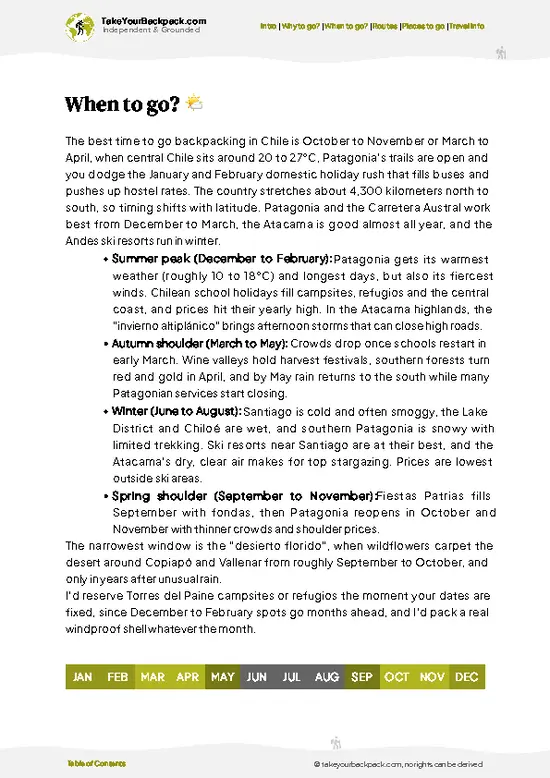
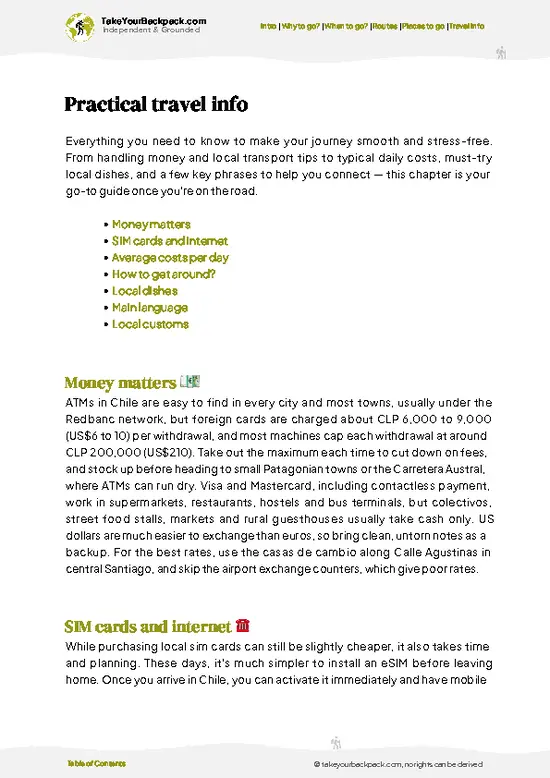
example page 0 from our offline Travel Guide for Chile
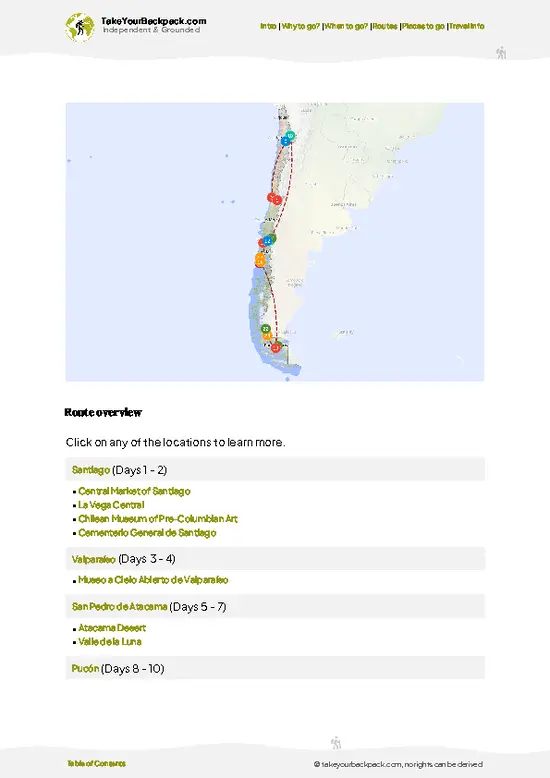
example page 1 from our offline Travel Guide for Chile
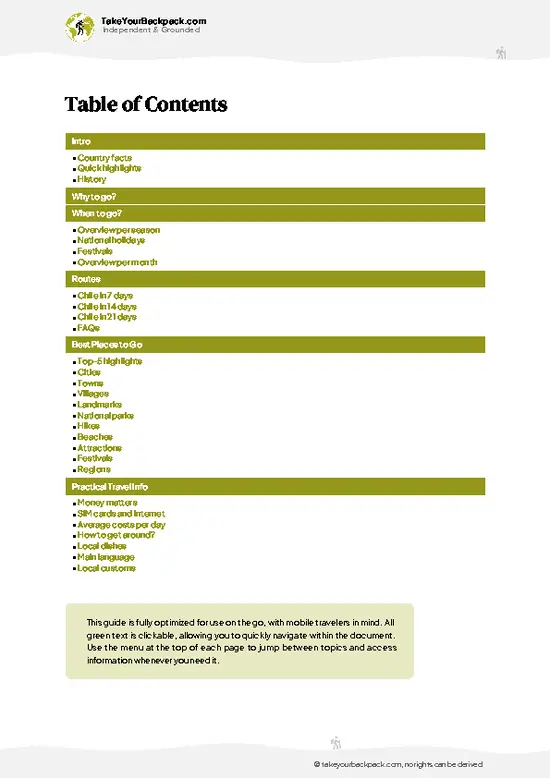
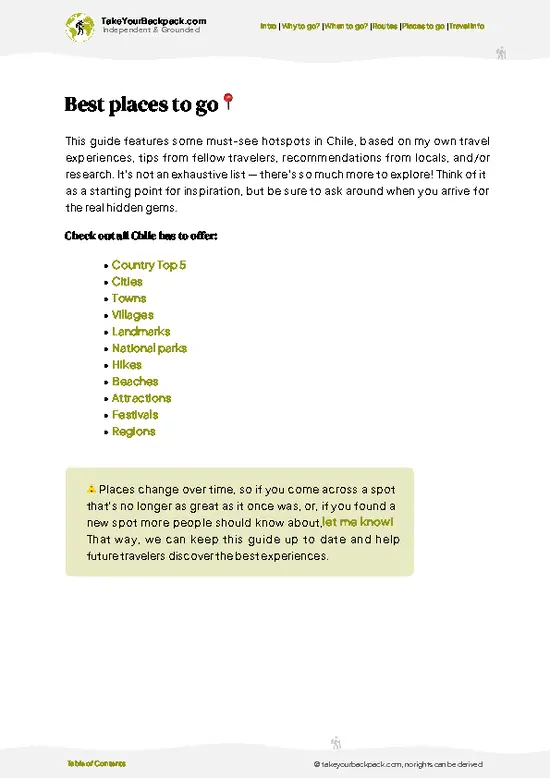
example page 2 from our offline Travel Guide for Chile
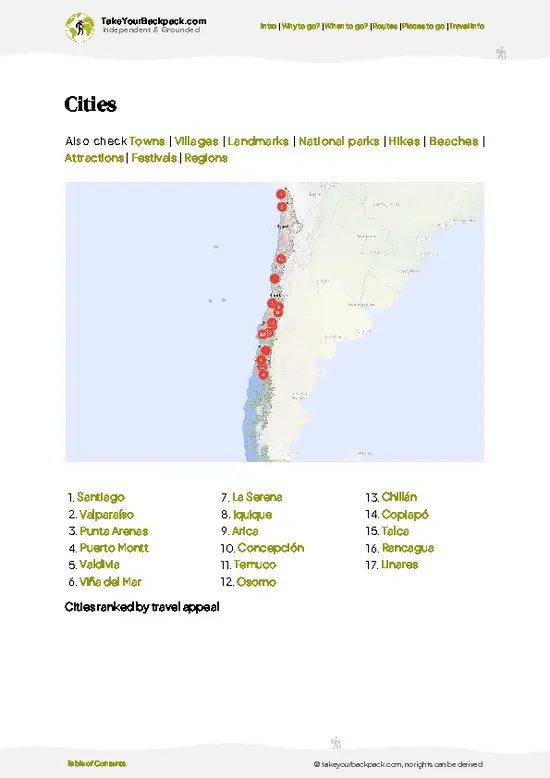
example page 3 from our offline Travel Guide for Chile
example page 4 from our offline Travel Guide for Chile
example page 5 from our offline Travel Guide for Chile
example page 6 from our offline Travel Guide for Chile
example page 7 from our offline Travel Guide for Chile
Loading the map 🌍
CLICK TO FILTER
cities
towns
villages
landmarks
national parks
hikes
beaches
attractions
festivals
regions
SHOW COUNTRY’S BESTSHOW ALL

✨ Why go?
Ranked #11 festival in Chile
Reasons people choose to celebrate the here

FIDOCS gives backpackers a way into Chilean life that museums rarely manage, because the documentaries deal with the country’s own memory, land and politics, and the audience argues about them afterward. Directors often stay for the post-screening conversations, and you can simply ask a question or join the crowd spilling onto the sidewalk. That makes it an easy place to meet Chileans who are not in the hostel scene.

It also suits a tight budget. Many screenings are free or very cheap, so a full cultural program costs less than a single concert elsewhere. In terms of route, Santiago is the main arrival point for the country, so FIDOCS fits before heading south to Patagonia or north to the Atacama, and it adds substance to a stopover most people rush through.

💡 HighlightsEssential experiences to have while celebrating the FIDOCS

  1. The international documentary competition: The core of the festival, with feature films from Latin America and beyond, many touching on Chilean themes such as memory, migration and territory.
  2. Director Q&A sessions: Filmmakers speak after screenings, and the conversations can run as long as the films. Spanish helps, though some events are interpreted.
  3. Free community and outdoor screenings: Programs reach cultural centers and neighborhood venues beyond the downtown core, showing how documentary is treated as public culture in Santiago.
  4. Chilean and Latin American showcase: A dedicated selection of regional work gives the quickest grounding in current local issues, from Indigenous rights to urban change.
  5. Workshops and industry meetings: Talks, masterclasses and pitching forums bring in working
… read more 👉
  1. The international documentary competition: The core of the festival, with feature films from Latin America and beyond, many touching on Chilean themes such as memory, migration and territory.
  2. Director Q&A sessions: Filmmakers speak after screenings, and the conversations can run as long as the films. Spanish helps, though some events are interpreted.
  3. Free community and outdoor screenings: Programs reach cultural centers and neighborhood venues beyond the downtown core, showing how documentary is treated as public culture in Santiago.
  4. Chilean and Latin American showcase: A dedicated selection of regional work gives the quickest grounding in current local issues, from Indigenous rights to urban change.
  5. Workshops and industry meetings: Talks, masterclasses and pitching forums bring in working filmmakers, and some are open to the public, which suits anyone curious about how these films get made.
Start with the Chilean and Latin American showcase, since it gives context that makes every other screening and conversation easier to follow.
Spotted a mistake or missing something? Contact us.

Things to do near FIDOCS

Ratings based on Tripadvisor reviews. When you book through this link, you support our work at no extra cost to you.

🌤️ When to go?When is the celebration of FIDOCS?

FIDOCS, the Santiago International Documentary Film Festival, runs for about a week in Santiago, usually in late November or early December, with screenings at venues such as Cine Arte Normandie, Cineteca Nacional in Centro Cultural La Moneda and other cinemas around the center.
  • Best days: Weekends fill fastest and carry the premieres and director Q&As, while weekday afternoon screenings are easy to get into.
  • Weather: Early summer brings dry days around 25 to 30°C (77 to 86°F), almost no rain and long daylight, so bring sunscreen, a hat and a light layer for chilly cinemas.
  • Booking: Reserve a bed two to four weeks ahead, since rates in central areas can rise 10 to 25 percent; screening tickets are best bought a few days before.
  • Crowds: Use the Metro rather than taxis, and avoid weekday rush hours
… read more 👉
FIDOCS, the Santiago International Documentary Film Festival, runs for about a week in Santiago, usually in late November or early December, with screenings at venues such as Cine Arte Normandie, Cineteca Nacional in Centro Cultural La Moneda and other cinemas around the center.
  • Best days: Weekends fill fastest and carry the premieres and director Q&As, while weekday afternoon screenings are easy to get into.
  • Weather: Early summer brings dry days around 25 to 30°C (77 to 86°F), almost no rain and long daylight, so bring sunscreen, a hat and a light layer for chilly cinemas.
  • Booking: Reserve a bed two to four weeks ahead, since rates in central areas can rise 10 to 25 percent; screening tickets are best bought a few days before.
  • Crowds: Use the Metro rather than taxis, and avoid weekday rush hours from 7:30 to 9:30 am and 6 to 8 pm.
Check the printed schedule early, because popular screenings sell out first.


source: climatestotravel.comJANJanuary: not recommended for travelingFEBFebruary: not recommended for travelingMARMarch: not recommended for travelingAPRApril: not recommended for travelingMAYMay: not recommended for travelingJUNJune: not recommended for travelingJULJuly: not recommended for travelingAUGAugust: not recommended for travelingSEPSeptember: excellent for travelingOCTOctober: not recommended for travelingNOVNovember: not recommended for travelingDECDecember: not recommended for traveling

✈️ The backpacker research shortcutChile Travel Guide

An offline-friendly backpacking guide with optimized travel routes, ranked highlights, transport advice, and the best areas to stay.
example page 0 from our offline Travel Guide for Chile
example page 1 from our offline Travel Guide for Chile
example page 2 from our offline Travel Guide for Chile
example page 3 from our offline Travel Guide for Chile
example page 4 from our offline Travel Guide for Chile
example page 5 from our offline Travel Guide for Chile
example page 6 from our offline Travel Guide for Chile
example page 7 from our offline Travel Guide for Chile
The digital guide (333 pages) contains:
✅ 107 highlights, ranked by travel appeal
✅ Optimized 7, 14 & 21-day travel routes
✅ Cities, national parks, landmarks, beaches
✅ How to get around
✅ Offline-friendly for travel without Wi-Fi
👉 Click to see all 30+ guide features

📅 Plan smarter in minutes, not weeks
✅ Month by month travel advice
✅ Festivals & national holidays
✅ Budget expectations

🗺️ Go to the right places, skip the overrated ones
✅ Honest pros & cons of destinations
✅ Top hikes, parks & viewpoints
✅ Lesser-known places most travelers miss
✅ Clear “worth it vs skip it” guidance

🛏️ Travel smoothly without rookie mistakes
✅ Best areas to stay
✅ Transport systems explained simply
✅ Common scams & safety advice
✅ SIM cards, money & practical tips

🌍 Understand the country, not just visit it
✅ Culture & traditions
✅ 52 Essential phrases & customs
✅ Festivals worth planning around
✅ Traveler-friendly historical context
✅ Insights that make places more meaningful

📱 Built for real travel conditions
✅ Fully downloadable PDF
✅ Works completely offline
✅ Optimized for phone use
✅ Useful in remote areas & buses
✅ Everything in one place
Stop searching, start planning
Get instant access to your full guide. 30‑day money-back guarantee.
+ Add another guide for just

By proceeding you agree to our terms.
Sent to your inbox immediately after payment • 100% Secure Checkout
Best Backpacking Travel Advisor 2025 tourism awardBest Backpacking
Travel Advisor
2025
What others say about Take Your Backpack Guides:
⭐⭐⭐⭐⭐
Fantastic, amazing amount of information!
⭐⭐⭐⭐⭐
My goodness this is amazing, it's what I've been looking for hats off too you!
⭐⭐⭐⭐⭐
I think this is absolutely BRILLIANT
⭐⭐⭐⭐
Very complete and informative. It's still missing places, but I gotta to commend you
⭐⭐⭐⭐⭐
This is truly amazing, thank you, can't wait to explore it with my kids!
⭐⭐⭐⭐⭐
Awesome resource, thank you!
⭐⭐⭐⭐⭐
This is amazing! Can't wait to explore the ones I haven't seen
⭐⭐⭐⭐
I love this! Well done, great idea.
⭐⭐⭐⭐⭐
Thanks for taking the time to make this gem!
⭐⭐⭐⭐⭐
This might be the best website I've ever seen.
⭐⭐⭐⭐⭐
Congratulations, and thank you so much for your work; it's incredibly valuable.
⭐⭐⭐⭐
In all seriousness I think you did a great job pointing out the important spots
⭐⭐⭐⭐⭐
10/10 very good
⭐⭐⭐⭐⭐
As someone who's only just starting to visit regularly this is awesome, thank you.
⭐⭐⭐⭐
Thank you very much! I'm going to visit my dad, it's going to be very useful!
⭐⭐⭐⭐⭐
This is really cool! We'll be travelling for the first time and this definitely come in handy.
⭐⭐⭐⭐⭐
You are now our minister of culture, congratulations 👨‍💼
⭐⭐⭐⭐⭐
Just wanted to tell you that this is a pearl! Going to follow your recommendations.
⭐⭐⭐⭐⭐
This is so cool. I'll definitely be using the resource for my travels soon.
⭐⭐⭐⭐⭐
This is very impressive! Good work.
⭐⭐⭐⭐⭐
This is an amazing and informative site. Very well done!

🛏️ Where to stay?Best areas and accommodation options

Barrio Lastarria and Barrio Bellas Artes are the best bases, because they put you a short walk from the cinemas and cultural centers that host the festival screenings. Both neighborhoods are leafy, walkable and busy with cafés, small bars and street life well into the evening, so solo travelers rarely feel isolated. Hostels cluster here, and the common rooms are full of other budget travelers swapping film picks.
Barrio Brasil and Barrio Yungay are the second choice. They are grittier and cheaper, with old mansions turned into guesthouses and lively bars, and they are popular with backpackers who … read more 👉
Barrio Lastarria and Barrio Bellas Artes are the best bases, because they put you a short walk from the cinemas and cultural centers that host the festival screenings. Both neighborhoods are leafy, walkable and busy with cafés, small bars and street life well into the evening, so solo travelers rarely feel isolated. Hostels cluster here, and the common rooms are full of other budget travelers swapping film picks.
Barrio Brasil and Barrio Yungay are the second choice. They are grittier and cheaper, with old mansions turned into guesthouses and lively bars, and they are popular with backpackers who want a more local feel. Stick to the main streets after dark and take a rideshare back late at night.
Providencia, around the Manuel Montt and Pedro de Valdivia Metro stations, is calmer and tidier, and a good pick if you prefer quiet nights. Wherever you sleep, stay near a Metro Line 1 station so that cinemas across the center are only a few stops away and the festival days run smoothly.

👛 Costs (as of 19 October 2026)What things cost and how to budget

FIDOCS, the international documentary film festival in Santiago, costs roughly US$32 to 75 a day for a backpacker who books a hostel bed and sticks to cinema screenings and market meals.
CategoryBudget RangeLocal Reality
Festival ticketsUS$0 to 5Single screenings are cheap, often around US$3 to 5, and many open-air or special sessions are free. Count on two or three films a day.
AccommodationUS$15 to 30Dorm beds in Barrio Lastarria, Bellas Artes or Bellavista run US$15 to 25 in high season. Private rooms start near US$40.
Local transportUS$2 to 5The Metro and buses use a rechargeable Bip! card, with fares around US$0.90 to 1.30 per ride. Most venues sit close to Metro lines.
Food & drinksUS$12 to 25A set lunch (menú del día) costs US$6 to 10. Empanadas and sandwiches from street stalls cost US$2
… read more 👉
FIDOCS, the international documentary film festival in Santiago, costs roughly US$32 to 75 a day for a backpacker who books a hostel bed and sticks to cinema screenings and market meals.
CategoryBudget RangeLocal Reality
Festival ticketsUS$0 to 5Single screenings are cheap, often around US$3 to 5, and many open-air or special sessions are free. Count on two or three films a day.
AccommodationUS$15 to 30Dorm beds in Barrio Lastarria, Bellas Artes or Bellavista run US$15 to 25 in high season. Private rooms start near US$40.
Local transportUS$2 to 5The Metro and buses use a rechargeable Bip! card, with fares around US$0.90 to 1.30 per ride. Most venues sit close to Metro lines.
Food & drinksUS$12 to 25A set lunch (menú del día) costs US$6 to 10. Empanadas and sandwiches from street stalls cost US$2 to 4, and a beer in a bar about US$3 to 5.
Miscellaneous expensesUS$3 to 10Covers coffee, a SIM card, laundry and occasional tips of about 10 percent in restaurants.
Total Daily BudgetUS$32 to 75Roughly US$55 for a mid-range backpacker day, with a dorm bed at the higher end of the range.
⚠️ Prices can change and everyone travels differently, so take this as a rough guide. Hope it helps you plan your adventure!

🍲 FoodWhat to Eat & Drink

Between screenings, the festival crowd drifts toward the cafés and bars of Lastarria and Bellas Artes, where a completo (a hot dog buried in avocado, tomato and mayonnaise) is the fast, filling choice at roughly US$3 to 5.
For a proper sit-down, look for a menú del día, a set lunch with soup or salad, a main and a drink, usually US$7 to 11 in the center. Try pastel de choclo or a plate of empanadas de pino, baked and stuffed with beef, onion, olive and egg.
Drinks are the social glue. Order a terremoto (pipeño wine with pineapple ice cream) if you feel brave, or a pisco sour at a cinema-side bar. Coffee culture is strong, and a café con leche is a good way to kill time before a late film.
Cinema foyers usually have only coffee, snacks and sweets, so eat beforehand. Small stalls and cafés often … read more 👉
Between screenings, the festival crowd drifts toward the cafés and bars of Lastarria and Bellas Artes, where a completo (a hot dog buried in avocado, tomato and mayonnaise) is the fast, filling choice at roughly US$3 to 5.
For a proper sit-down, look for a menú del día, a set lunch with soup or salad, a main and a drink, usually US$7 to 11 in the center. Try pastel de choclo or a plate of empanadas de pino, baked and stuffed with beef, onion, olive and egg.
Drinks are the social glue. Order a terremoto (pipeño wine with pineapple ice cream) if you feel brave, or a pisco sour at a cinema-side bar. Coffee culture is strong, and a café con leche is a good way to kill time before a late film.
Cinema foyers usually have only coffee, snacks and sweets, so eat beforehand. Small stalls and cafés often prefer cash, though most restaurants take cards. Tipping about 10 percent is customary and is often suggested on the bill.

FAQTraveler FAQ

FIDOCS takes place once a year in Santiago, usually in late November or early December, and lasts about a week. Screenings are spread across cinemas and cultural venues in the city center, such as Cine Arte Normandie and Centro Cultural La Moneda. Check the official site for the current edition, since exact dates shift slightly each year.
Attending FIDOCS is inexpensive, with individual screenings typically costing about US$2 to 5 and some events free. A realistic daily budget in Santiago is US$37 to 90 including a hostel bed at US$15 to 25, Metro rides at around US$1 and meals at US$7 to 11. Students and seniors often get discounts on tickets.
Tickets for FIDOCS are not usually needed weeks ahead, but buying early is wise for premieres and weekend screenings that sell out. Tickets are sold online through the festival website and at venue box offices, typically a few days to two weeks before. Free screenings still often require an early arrival, so show up 30 to 45 minutes before the start.
⚠️ Things can change over time, so always validate details locally before you go.

Other Chilean festivals near FIDOCS

Explore more nearby:


💡 Not sure where to go next?
Create a personalized itinerary for Chile including FIDOCS and the places that fit your trip.

Generate my itinerary

👉 Discover all festivals

Or checkout all Chile has to offer (think cities, towns, villages, national parks, hikes, beaches, festivals)
Country photo of Chile

We 💚 feedbackFinal thoughts on celebrating the FIDOCS

Most visitors check only the main competition, yet the smaller venue screenings often hold the most surprising films and the friendliest crowds. I would plan one day around a neighborhood venue away from the center, bring a pen for the printed schedule, and leave gaps for conversations that spill out after the credits.

✈️ When did I visit Chile?
I have visited Chile, together with Argentina, in September 2012.

✍️ Help improve this page!
The information on this page is based on my own backpacking experience in Chile, supplemented with up-to-date research and feedback from other travelers. Travel details can change, so if you notice anything outdated or incomplete, feel free to let me know.


🙋‍♂️ Give feedback

👋 Meet the founderWho’s Behind Take Your Backpack?

Johan, backpacker and founder of TakeYourBackpackHi, I’m Johan (Netherlands 🇳🇱), the creator of TakeYourBackpack. Over the past 3 decades, I’ve backpacked through 90+ countries across six continents, gaining extensive experience with independent travel, long-term trips, and overland routes.

This site is built on a combination of firsthand travel experience and carefully curated insights from other backpackers. Many guides are based on places I’ve personally visited, while others bring together tips, observations, and practical advice shared by trusted travelers I’ve met along the way.

The goal is to provide realistic, experience-driven guidance — not generic itineraries — so you can explore destinations with better context, clearer expectations, and more confidence.