×

Chile🇨🇱 | best festivalsYour Guide to the 10 Best festivals in Chile

In Chile, festivals are vibrant expressions of culture, deeply rooted in tradition and regional identity. Each festival reflects the unique character of its location, from the coastal celebrations in Valparaíso to the Andean rituals in the north. Timing is crucial; summer months, particularly January and February, are bustling with events, while winter offers quieter, more intimate gatherings.

For backpackers, the choice of festival can dramatically shape your experience. A lively crowd at the Fiesta de la Tirana in July offers a rich tapestry of music and dance, but it also means larger crowds and higher prices. Conversely, smaller festivals like the Festival del Huaso in September provide a more authentic glimpse into local life, often at a lower cost.

Understanding these nuances allows you to navigate your travel style effectively, ensuring you immerse yourself in the culture while balancing budget and safety. Choosing the right festival transforms your journey into a deeper exploration of Chilean heritage.

By Johan Kruseman 🇳🇱 | Updated May 24, 2026
Explore the best regions in Chile

Why go?Understanding Their Importance

Festivals in Chile are a vibrant reflection of the country’s diverse cultural tapestry, shaped by its geography, history, and climate. The cultural importance of these celebrations lies in their ability to unite communities, showcasing traditional music, dance, and cuisine that resonate deeply with local identities. Unlike many other countries, Chile’s festivals often blend indigenous heritage with colonial influences, creating a unique cultural fusion that is both rich and layered.

Timing is crucial. Many festivals align with the seasonal rhythms of the country, from the summer solstice celebrations in December to the harvest festivals in March. This seasonal aspect not only enhances the experience but also allows travelers to witness the natural beauty of Chile at its peak. However, this … read more 👉
Festivals in Chile are a vibrant reflection of the country’s diverse cultural tapestry, shaped by its geography, history, and climate. The cultural importance of these celebrations lies in their ability to unite communities, showcasing traditional music, dance, and cuisine that resonate deeply with local identities. Unlike many other countries, Chile’s festivals often blend indigenous heritage with colonial influences, creating a unique cultural fusion that is both rich and layered.

Timing is crucial. Many festivals align with the seasonal rhythms of the country, from the summer solstice celebrations in December to the harvest festivals in March. This seasonal aspect not only enhances the experience but also allows travelers to witness the natural beauty of Chile at its peak. However, this can lead to crowd sizes that may detract from the intimacy of the experience. Understanding when to visit is essential; attending during off-peak times can provide a more immersive experience, albeit with fewer events.

Chile’s geographic diversity also plays a role in festival accessibility. From the arid Atacama Desert to the lush landscapes of Patagonia, the logistics of reaching these celebrations can vary significantly. Travelers must weigh the trade-offs between the time spent traveling and the depth of exploration offered by more remote festivals. While some may be easily accessible from major cities, others require a commitment to reach, often rewarding those who invest the effort with profound cultural insights.

The climatic factors can also influence festival experiences. For instance, summer festivals may offer warm weather and outdoor activities, while winter events can be chilly but provide a cozy, communal atmosphere. Understanding these nuances allows travelers to choose festivals that align with their preferences, ensuring a more satisfying experience. Ultimately, the festivals of Chile are not just events; they are gateways to understanding the soul of the nation, making them a vital part of any travel itinerary.
Our Approach to Ranking
The list of best festivals in Chile is created based on energy, traditions, crowd experience, activities, and overall excitement. If you feel a festival is missing in this list, please let us know.

When to go?Optimal Periods for Travel

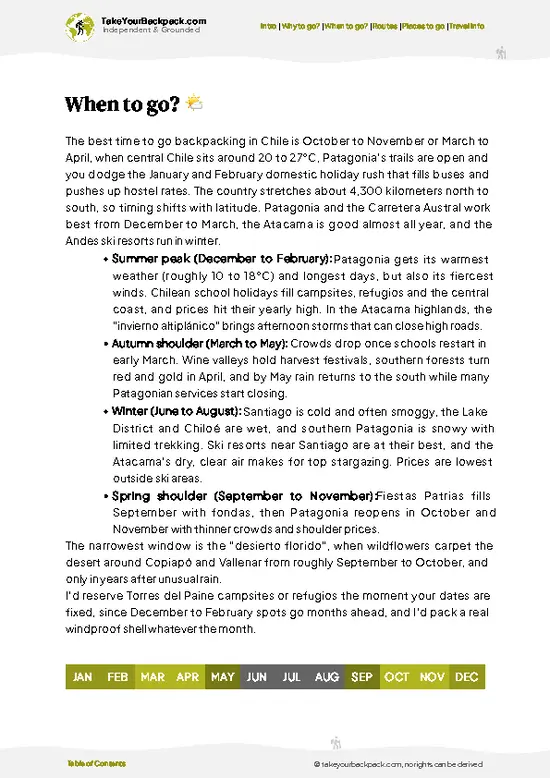
Seasonality and Festivals


Chile’s festival calendar is intricately tied to its diverse climate and geography. Understanding when to visit hinges on recognizing these patterns.

Summer: Peak Festival Season


The summer months, particularly December through February, are prime for festivals. This is when the weather is warm and dry, ideal for outdoor celebrations. However, this peak season also attracts large crowds, leading to higher accommodation costs and busy venues. The vibrant energy is palpable, but the trade-off is navigating through throngs of fellow festival-goers.

Autumn: A Balanced Approach


March to May offers a shoulder season with milder weather. Festivals during this time tend to be less crowded, allowing for a more intimate experience. Costs often drop, making it a savvy … read more 👉

Seasonality and Festivals


Chile’s festival calendar is intricately tied to its diverse climate and geography. Understanding when to visit hinges on recognizing these patterns.

Summer: Peak Festival Season


The summer months, particularly December through February, are prime for festivals. This is when the weather is warm and dry, ideal for outdoor celebrations. However, this peak season also attracts large crowds, leading to higher accommodation costs and busy venues. The vibrant energy is palpable, but the trade-off is navigating through throngs of fellow festival-goers.

Autumn: A Balanced Approach


March to May offers a shoulder season with milder weather. Festivals during this time tend to be less crowded, allowing for a more intimate experience. Costs often drop, making it a savvy choice for budget-conscious travelers. However, some larger festivals may not occur, so planning is essential to ensure attendance at significant events.

Winter: Cultural Depth


Winter, from June to August, sees fewer festivals, but this is when the cultural fabric of Chile shines through. Events are often more localized, providing a deeper connection to traditions. The trade-off is the colder weather, which can deter outdoor gatherings. Travelers seeking authenticity might find this season rewarding, but they should be prepared for limited options.

Spring: Renewal and Growth


Spring, from September to November, brings a resurgence of festivals as the weather warms. This season is marked by a mix of cultural and agricultural celebrations. While crowds are manageable, the unpredictability of spring weather can impact outdoor events. Balancing the chance for vibrant experiences with potential rain is crucial for planning.

Understanding these seasonal dynamics allows for strategic planning, ensuring that festival experiences align with personal preferences and travel goals.

festival hoppingOptimizing Your Multi-Stop Itinerary

Regional Clustering
To maximize festival experiences in Chile, start by clustering events regionally. The north hosts vibrant celebrations like the Fiesta de la Tirana, while the central region features the famous Fiestas Patrias. The south, with its rich indigenous heritage, offers unique events like the We Tripantu. By grouping festivals by region, travel time is minimized, allowing for deeper engagement with each locale.

Optimal Sequencing
Plan your route from north to south or vice versa. This directionality helps avoid backtracking, which can waste precious time. For instance, after experiencing the lively atmosphere of the north, head south to the central region for a taste of traditional Chilean culture. This logical flow keeps energy levels high and maintains excitement throughout … read more 👉
Regional Clustering
To maximize festival experiences in Chile, start by clustering events regionally. The north hosts vibrant celebrations like the Fiesta de la Tirana, while the central region features the famous Fiestas Patrias. The south, with its rich indigenous heritage, offers unique events like the We Tripantu. By grouping festivals by region, travel time is minimized, allowing for deeper engagement with each locale.

Optimal Sequencing
Plan your route from north to south or vice versa. This directionality helps avoid backtracking, which can waste precious time. For instance, after experiencing the lively atmosphere of the north, head south to the central region for a taste of traditional Chilean culture. This logical flow keeps energy levels high and maintains excitement throughout the journey.

Time Management
Allocate at least two to three days per festival to soak in the local culture and festivities. This pacing allows for exploration beyond the main events, such as local cuisine and traditions. Avoid the common mistake of cramming too many festivals into a short timeframe; it leads to burnout and missed experiences.

Trade-offs and Constraints
Consider the balance between speed and depth. Rushing through festivals may save time but sacrifices the richness of the experience. Budget constraints can also impact comfort levels; opting for local accommodations can enhance immersion but may require flexibility in travel plans.

Flexibility and Strategic Planning
Build in buffer days for unexpected delays or spontaneous discoveries. Festivals can be unpredictable, and having a flexible schedule allows for adjustments without stress. Prioritize experiences that resonate most with personal interests, ensuring that each stop feels rewarding rather than obligatory.

The ListThe Best festivals of Chile

1 Tapati Rapa Nui

island rituals, body painting, ancestral competitions

Join locals on Easter Island as they revive Polynesian customs through athletic contests, traditional music, and striking visual displays.

2 Fiestas Patrias

national holiday, fondas, traditional games

Celebrate Chile’s independence with locals, enjoying barbecues, folk music, and communal festivities in parks and public spaces.

3 La Tirana

Andean pilgrimage, masked dancers, desert village

Witness thousands gather in the Atacama for a religious festival blending Catholic and indigenous traditions through music and elaborate dance.

4 Fiesta de la Vendimia de Santa Cruz

wine harvest, grape stomping, Colchagua Valley

Join harvest celebrations in wine country, sampling local varietals and watching age-old winemaking rituals in the vineyards.

5 Festival del Huaso de Olmué

folk music, rural traditions, cueca dance

Experience Chilean country culture through live music, traditional dance, and local foods in a small town setting.

6 Festival Internacional de Documentales de Santiago (FIDOCS)

urban screenings, documentary focus, filmmaker talks

Watch thought-provoking documentaries in Santiago’s cinemas and engage with directors exploring contemporary issues from Chile and beyond.

7 Festival de Cine de Valdivia

riverside venues, independent films, student showcases

Attend film premieres and discussions in Valdivia’s theaters, where emerging filmmakers and established voices share the screen.

8 Festival Internacional de Jazz de Providencia

open-air concerts, jazz legends, city park setting

Experience live jazz under the stars, with international and local musicians performing in a relaxed, leafy neighborhood of Santiago.

9 Festival de Cine de Viña del Mar

coastal theaters, Latin American cinema, industry networking

View new Latin American films in Viña del Mar’s seaside venues, with opportunities to meet directors and industry professionals.

10 Festival de Cine de Iquique

beachside screenings, northern filmmakers, free entry

Catch independent films by the Pacific, where audiences gather on the sand for open-air cinema and regional storytelling.

11 Festival de Cine de Mujeres (FEMCINE)

women directors, gender themes, panel discussions

Discover films by and about women, with screenings and conversations that highlight diverse perspectives in Chilean and global cinema.

12 Festival de Cine de Antofagasta

desert city venues, regional stories, filmmaker Q&As

Explore northern Chilean narratives in Antofagasta’s theaters, where local and international filmmakers present and discuss their work.

13 Festival de la Cerveza de Valdivia

craft breweries, riverside beer tents, local food stalls

Sample a wide range of Chilean beers along the river, where brewers and food vendors create a lively, social atmosphere.

14 Festival de la Cerveza de Santiago

urban beer halls, international brews, tasting sessions

Taste craft and imported beers in Santiago’s bustling venues, with brewers offering samples and pairing tips throughout the event.

15 Carnaval de Viña del Mar

parades, colorful costumes, seaside celebration

Watch lively processions and dance troupes fill the streets, as the city’s neighborhoods come together for a festive coastal carnival.

16 Festival de la Lluvia

rain-themed events, street performances, Valdivia winter

Embrace the southern rain with locals as Valdivia celebrates its wet climate through art, music, and playful outdoor gatherings.

Think you know Chile?

Prove you’re a true local — uncover 6 lesser-known festivals in Chile that locals tend to keep to themselves.
Loading the map 🌍

Expert viewWhat You Should Know

Energy & Timing
Chile’s festival scene pulses with life, but timing is everything. Most festivals cluster around the summer months, from December to March, when the weather is warm and the days are long. This is prime time for outdoor celebrations, but it also means larger crowds. If you want to experience the energy without feeling overwhelmed, consider attending smaller, regional festivals that pop up in the shoulder seasons—spring and fall. These events often showcase local traditions and offer a more intimate experience. However, be prepared for unpredictable weather; spring can be rainy, and fall can be chilly.

Cultural Context
Understanding the cultural backdrop of each festival is crucial. Many celebrations are rooted in indigenous traditions, Catholicism, or a mix of both. For instance, … read more 👉
Energy & Timing
Chile’s festival scene pulses with life, but timing is everything. Most festivals cluster around the summer months, from December to March, when the weather is warm and the days are long. This is prime time for outdoor celebrations, but it also means larger crowds. If you want to experience the energy without feeling overwhelmed, consider attending smaller, regional festivals that pop up in the shoulder seasons—spring and fall. These events often showcase local traditions and offer a more intimate experience. However, be prepared for unpredictable weather; spring can be rainy, and fall can be chilly.

Cultural Context
Understanding the cultural backdrop of each festival is crucial. Many celebrations are rooted in indigenous traditions, Catholicism, or a mix of both. For instance, the Fiesta de La Tirana in July is a vibrant expression of Andean culture, blending dance, music, and religious devotion. Knowing the cultural significance will enhance your experience and help you engage respectfully with locals. However, be mindful of the fact that some festivals may involve religious observances, so dress appropriately and maintain a respectful demeanor.

Crowd Management
Crowd dynamics can make or break your festival experience. Major events like the Santiago a Mil festival in January attract thousands, which means you’ll need to plan ahead. Arrive early to snag a good spot, and consider using public transport to avoid parking hassles. If you prefer a more laid-back vibe, aim for lesser-known festivals. They often provide a richer, more authentic experience, but you might sacrifice some of the high-energy performances found at larger events.

Budget & Comfort
Festivals can range from free to pricey, depending on the scale and location. While many local festivals are free or have a minimal entry fee, larger events may charge for tickets, food, and accommodations. If you’re on a budget, prioritize festivals that offer free activities or local food stalls. However, be prepared for the trade-off: lower costs may mean fewer amenities and less comfort. For example, camping at a festival can save money, but it also means sacrificing a hot shower and a comfortable bed.

Planning & Prioritizing
With so many festivals to choose from, it’s essential to prioritize. Aim to attend three to five festivals during your trip to avoid burnout. Research the festival dates and align them with your travel itinerary. If you’re keen on experiencing a variety of cultural expressions, consider a mix of music, dance, and food festivals. This approach allows you to appreciate the diversity of Chilean culture while keeping your schedule manageable.

Infrastructure & Travel Constraints
Chile’s infrastructure is generally reliable, but travel times can vary significantly. Major highways are well-maintained, but rural areas may have limited access. If you plan to attend festivals in remote locations, factor in extra travel time. Public transport is an option, but it can be crowded during festival weekends. Renting a car offers flexibility but comes with the challenge of navigating unfamiliar roads. Always check local travel advisories, especially during peak festival seasons, as road conditions can change rapidly.

Safety & Cultural Considerations
Safety is paramount, especially in crowded settings. Keep your belongings secure and be aware of your surroundings. While Chile is generally safe for travelers, petty theft can occur during large gatherings. Familiarize yourself with local customs and etiquette; for example, greeting locals with a friendly “hola” can go a long way in building rapport. Additionally, some festivals may have specific rules regarding photography or participation, so observe and adapt accordingly.

Trade-offs & Realistic Expectations
Every festival experience comes with trade-offs. Larger events may offer more entertainment options but can feel impersonal. Smaller festivals provide a closer connection to local culture but may lack the spectacle of their bigger counterparts. Decide what matters most to you—whether it’s the thrill of a massive crowd or the warmth of a small community gathering.

In summary, navigating Chile’s festival landscape is a rewarding endeavor that requires thoughtful planning and an open mind. By understanding the energy, cultural context, crowd dynamics, budget considerations, and safety measures, you can turn logistics into a satisfying game. Embrace the chaos, savor the moments, and let the rhythm of Chilean culture sweep you off your feet.

✈️ The backpacker research shortcutChile Travel Guide

An offline-friendly backpacking guide with optimized travel routes, ranked highlights, transport advice, and the best areas to stay.
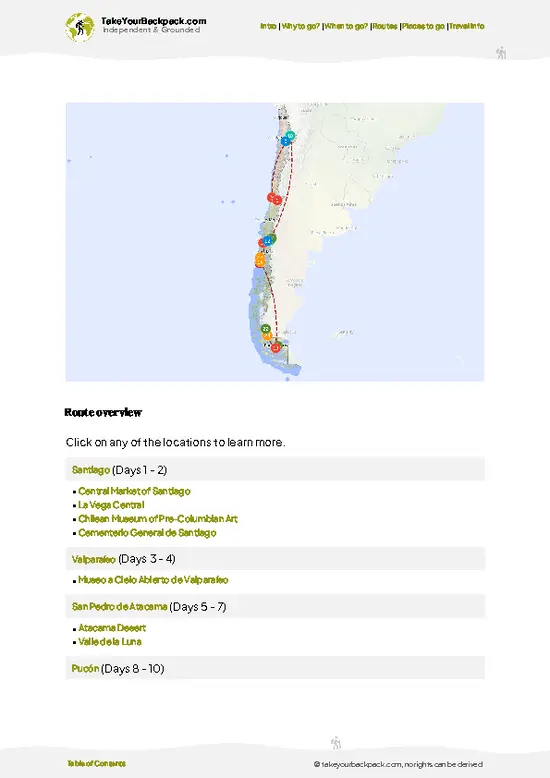
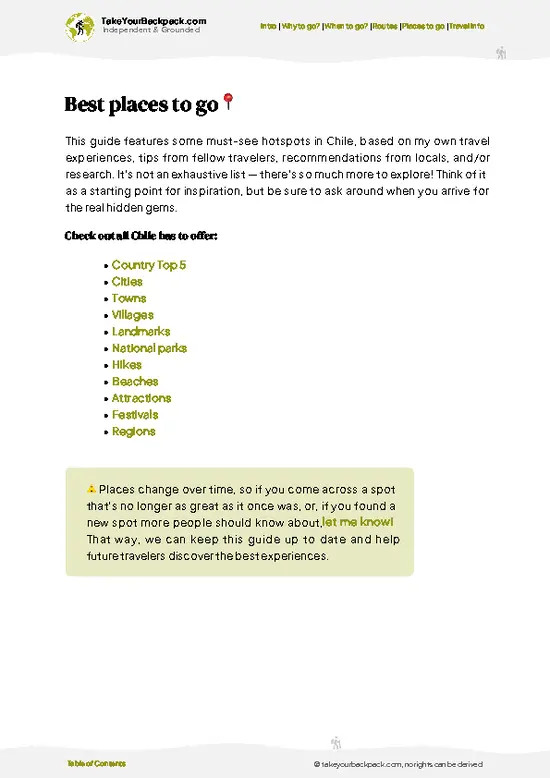
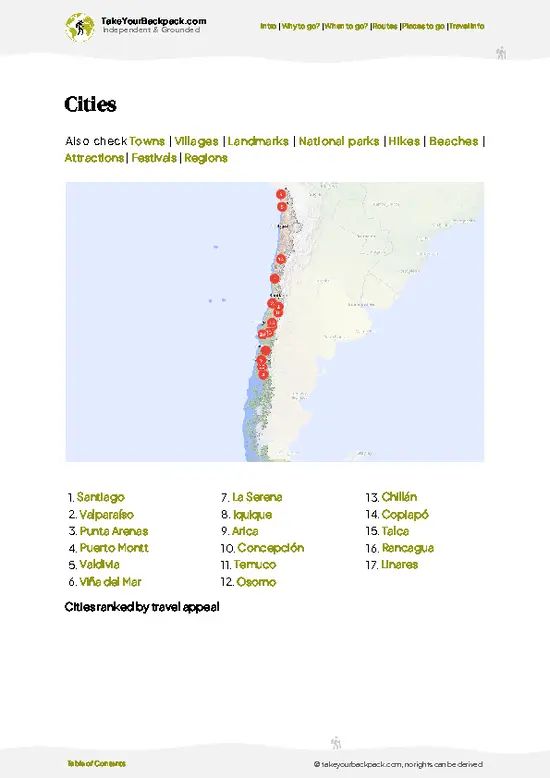
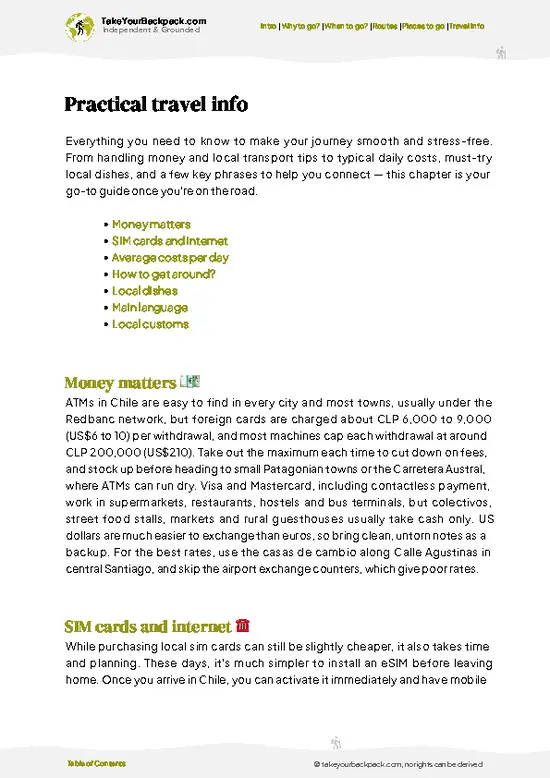
example page 0 from our offline Travel Guide for Chileexample page 1 from our offline Travel Guide for Chileexample page 2 from our offline Travel Guide for Chileexample page 3 from our offline Travel Guide for Chileexample page 4 from our offline Travel Guide for Chileexample page 5 from our offline Travel Guide for Chileexample page 6 from our offline Travel Guide for Chileexample page 7 from our offline Travel Guide for Chile
The digital guide (471 pages) contains:
119 highlights, ranked by travel appeal
Optimized 7, 14 & 21-day travel routes
Cities, national parks, beaches, historical sites, ...
How to get around
Offline-friendly for travel without Wi-Fi
👉 Click to see all 30+ guide features

📅 Plan smarter in minutes, not weeks
Month by month travel advice
Festivals & national holidays
Budget expectations

🗺️ Go to the right places, skip the overrated ones
Honest pros & cons of destinations
Top hikes, parks & viewpoints
Lesser-known places most travelers miss
Clear “worth it vs skip it” guidance

🛏️ Travel smoothly without rookie mistakes
Best areas to stay
Transport systems explained simply
Common scams & safety advice
SIM cards, money & practical tips

🌍 Understand the country, not just visit it
Culture & traditions
52 Essential phrases & customs
Festivals worth planning around
Traveler-friendly historical context
Insights that make places more meaningful

📱 Built for real travel conditions
Fully downloadable PDF
Works completely offline
Optimized for phone use
Useful in remote areas & buses
Everything in one place
Save weeks of stressful planning
Get instant access to the full guide directly. 30-day money-back guarantee.


Sent to your inbox immediately after payment • 100% Secure Checkout
Best Backpacking Travel Advisor 2025 tourism awardBest Backpacking
Travel Advisor
2025
What others say about Take Your Backpack Guides:
⭐⭐⭐⭐⭐
Fantastic, amazing amount of information!
⭐⭐⭐⭐⭐
My goodness this is amazing, it's what I've been looking for hats off too you!
⭐⭐⭐⭐⭐
I think this is absolutely BRILLIANT
⭐⭐⭐⭐
Very complete and informative. It's still missing places, but I gotta to commend you
⭐⭐⭐⭐⭐
This is truly amazing, thank you, can't wait to explore it with my kids!
⭐⭐⭐⭐⭐
Awesome resource, thank you!
⭐⭐⭐⭐⭐
This is amazing! Can't wait to explore the ones I haven't seen
⭐⭐⭐⭐
I love this! Well done, great idea.
⭐⭐⭐⭐⭐
Thanks for taking the time to make this gem!
⭐⭐⭐⭐⭐
This might be the best website I've ever seen.
⭐⭐⭐⭐⭐
Congratulations, and thank you so much for your work; it's incredibly valuable.
⭐⭐⭐⭐
In all seriousness I think you did a great job pointing out the important spots
⭐⭐⭐⭐⭐
10/10 very good
⭐⭐⭐⭐⭐
As someone who's only just starting to visit regularly this is awesome, thank you.
⭐⭐⭐⭐
Thank you very much! I'm going to visit my dad, it's going to be very useful!
⭐⭐⭐⭐⭐
This is really cool! We'll be travelling for the first time and this definitely come in handy.
⭐⭐⭐⭐⭐
You are now our minister of culture, congratulations 👨‍💼
⭐⭐⭐⭐⭐
Just wanted to tell you that this is a pearl! Going to follow your recommendations.
⭐⭐⭐⭐⭐
This is so cool. I'll definitely be using the resource for my travels soon.
⭐⭐⭐⭐⭐
This is very impressive! Good work.
⭐⭐⭐⭐⭐
This is an amazing and informative site. Very well done!

🛏️ Where to stay?Where to Stay in Chile

Yes — hostels and budget lodging are common across Chile from Santiago to Patagonia, with the densest choices in Santiago (Bellavista, Lastarria, Providencia), coastal Valparaíso (Cerro Alegre, Cerro Concepción) and Viña del Mar, and in tourist towns San Pedro de Atacama, Pucón, Puerto Varas and Puerto Natales.

Bellavista/Lastarria put you in nightlife and walkable city highlights but carry a higher petty‑theft risk; Providencia is calmer and safer but slightly pricier; Valparaíso’s cerros are characterful and steep with lively bars yet noisy and uneven; Viña del Mar is beachy and family‑oriented with quieter nights; San Pedro is essential for Atacama tours but high, dry and basic; Pucón and … read more 👉
Yes — hostels and budget lodging are common across Chile from Santiago to Patagonia, with the densest choices in Santiago (Bellavista, Lastarria, Providencia), coastal Valparaíso (Cerro Alegre, Cerro Concepción) and Viña del Mar, and in tourist towns San Pedro de Atacama, Pucón, Puerto Varas and Puerto Natales.

Bellavista/Lastarria put you in nightlife and walkable city highlights but carry a higher petty‑theft risk; Providencia is calmer and safer but slightly pricier; Valparaíso’s cerros are characterful and steep with lively bars yet noisy and uneven; Viña del Mar is beachy and family‑oriented with quieter nights; San Pedro is essential for Atacama tours but high, dry and basic; Pucón and Puerto Varas offer lakeside outdoor options with seasonal crowds and peak prices; Puerto Natales is the practical gateway to Torres del Paine with limited services outside peak season.

Book ahead for summer and holiday windows, expect dorm rooms and shared kitchens in many hostels, stow valuables securely in nightlife areas, and factor transport time to remote highlights when picking a neighborhood.

If you enjoy meeting fellow travelers, consider choosing hostels with high ratings for atmosphere. On the other hand, if you prefer having your own space, a hotel might be a better option.

ChileMore of Chile

👋 Meet the founderWho’s Behind Take Your Backpack?

Johan, backpacker and founder of TakeYourBackpackHi, I’m Johan (Netherlands 🇳🇱), the creator of TakeYourBackpack. Over the past decade, I’ve backpacked through 80+ countries across six continents, gaining extensive experience with independent travel, long-term trips, and overland routes.

This site is built on a combination of firsthand travel experience and carefully curated insights from other backpackers. Many guides are based on places I’ve personally visited, while others bring together tips, observations, and practical advice shared by trusted travelers I’ve met along the way.

The goal is to provide realistic, experience-driven guidance — not generic itineraries — so you can explore destinations with better context, clearer expectations, and more confidence.

Get full Chile guide •
Instant download • 119 highlights • Full Offline guide