v2.webp)
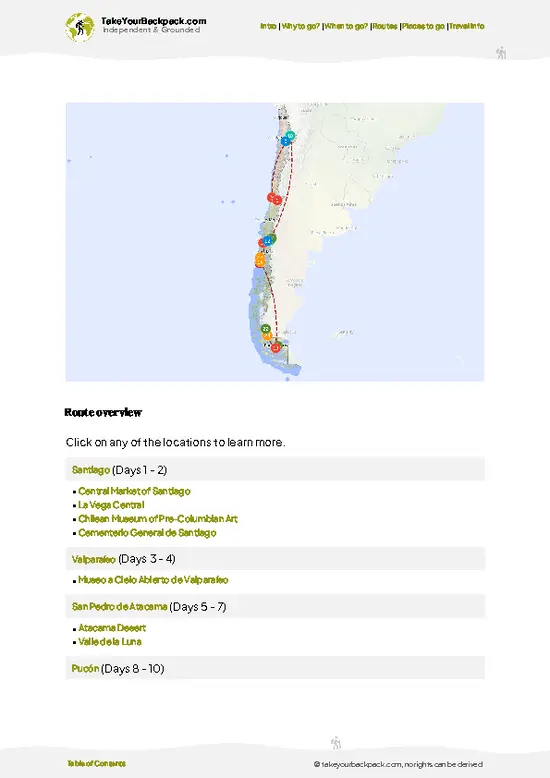
- Ahu Tahai: A restored ceremonial complex a short walk north of the harbor, with a lone-standing moai that has white coral eyes and a topknot. Come near sunset, when locals jog and gather. It is free, though the island national park ticket (about US$80 for foreigners, valid for the stay) covers other sites. Allow 1 to 2 hours.
- Museo Antropológico Sebastián Englert: The best place to understand the island’s story, with a rare female moai figure, rongorongo tablet replicas and the famous moai eye. Entry is about US$10 to 15. Go in the morning or on a rainy afternoon. Allow 1 to 2 hours.
- Caleta Hanga Piko and the harbor: A small working harbor where fishing boats and surfers share the water, with moai at Ahu Riata beside it. Fish empanadas and cold beer are sold nearby. It is free and best in the
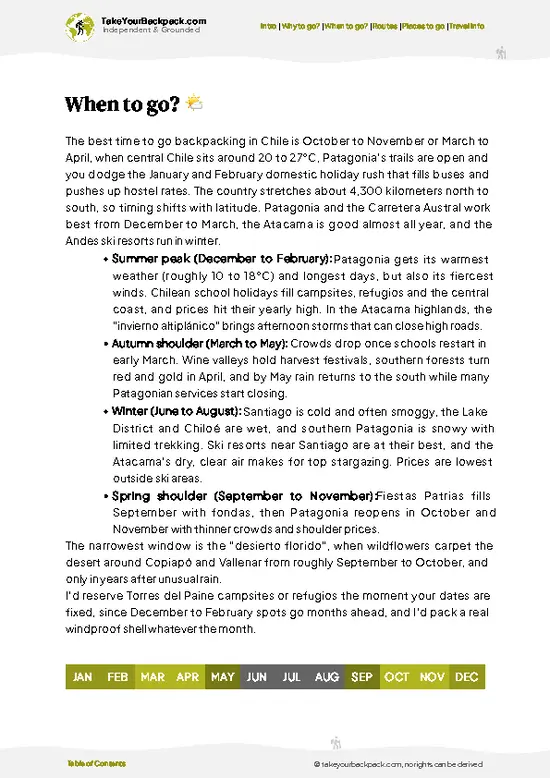
- Ahu Tahai: A restored ceremonial complex a short walk north of the harbor, with a lone-standing moai that has white coral eyes and a topknot. Come near sunset, when locals jog and gather. It is free, though the island national park ticket (about US$80 for foreigners, valid for the stay) covers other sites. Allow 1 to 2 hours.
- Museo Antropológico Sebastián Englert: The best place to understand the island’s story, with a rare female moai figure, rongorongo tablet replicas and the famous moai eye. Entry is about US$10 to 15. Go in the morning or on a rainy afternoon. Allow 1 to 2 hours.
- Caleta Hanga Piko and the harbor: A small working harbor where fishing boats and surfers share the water, with moai at Ahu Riata beside it. Fish empanadas and cold beer are sold nearby. It is free and best in the late afternoon. Allow 1 hour.
- Ana Kai Tangata cave: A sea cave south of the airport with faded red-and-white bird paintings on its ceiling, reached by a short walk. It is free and quiet in the early morning. Falling rock has kept the cave closed at times, so view it from the outside if needed. Allow 30 minutes.
- Mercado Artesanal and the Sunday church service: The craft market offers wood carvings and shell jewelry at fair prices, usually US$5 to 40. The Iglesia Hanga Roa service on Sunday morning features Rapa Nui hymns. Entry is free. Allow 1 to 2 hours.
Spotted a mistake or missing something? Contact us.

Full day tour (South Coast)

2-Day Private Tour Easter Island Highlights Complete Discovery

Private Full-Day Easter Island Highlights North and West

Private Full Day Tour on Easter island "The Highlights"

Private Easter Island Full-Day Tour

Private Full-Day Easter Island Highlights South and East

Journey of the Ancestors: Tongariki, Rano Raraku & Anakena Beach

Full Day Private Tour: Factory of the Moai the stone giants

Complete Easter Island in 2 Days: Private Tour with Native Guide


 Best Backpacking
.jpg) Hi, I’m Johan (Netherlands 🇳🇱), the creator of TakeYourBackpack. Over the past 3 decades, I’ve backpacked through 90+ countries across six continents, gaining extensive experience with independent travel, long-term trips, and overland routes.
Hi, I’m Johan (Netherlands 🇳🇱), the creator of TakeYourBackpack. Over the past 3 decades, I’ve backpacked through 90+ countries across six continents, gaining extensive experience with independent travel, long-term trips, and overland routes.