×

Chile🇨🇱 | national parksPumalín Parkvaldivian rainforest, waterfalls, remote trails | things to do and best time to go

Explore Vicente Perez RosalesExplore Alerce Andino National Park

Backpacking in Pumalín Park
🏆 Top picknational park ranked #4
By Johan Kruseman 🇳🇱 | Updated June 9, 2026

Your boots hit damp boardwalk and the wood answers with a hollow thud, steam rising from last night’s rain while a pair of chucao tapaculos shout from the underbrush you still can’t see. This is Pumalín Park, in northern Patagonia, stretching from the fjords inland between Chaitén and Hornopirén in Chile’s Los Lagos region. For backpackers, it’s a serious payoff: sharp volcanic peaks, dense temperate rainforest, hot springs, and well-built trails that feel almost over-engineered compared with many Chilean parks. The hikes range from quick miradores to steep, leg-burning ascents like Volcán Chaitén, with real chances of spotting pudú, foxes, and more birds than you’ll identify. It’s cheaper and less crowded than Torres del Paine, but also more spread out, with hitchhiking and boat schedules adding friction. Camping is organized, clean, and not exactly dirt-cheap, yet the overall vibe is quiet, low-key, and refreshingly non-commercial.

Discover everything you want to know in the 📖 Chile Travel Guide.


Get your Chile guide
119 ranked highlights, routes & tips, works offline (471 pages)
Loading the map 🌍
CLICK TO FILTER
cities
towns
villages
landmarks
national parks
hikes
beaches
attractions
festivals
regions
SHOW COUNTRY’S BESTSHOW ALL

✨ Why go?
Ranked #4 national park in Chile
What makes this national park worth exploring

Backpackers flock to Pumalín Park for its blend of independent exploration and affordable accommodations. The park’s vastness invites you to roam freely, with trails that cater to all levels. Whether you’re a novice or a seasoned hiker, the variety keeps your experience fresh.

Budget camping options are plentiful, allowing you to pitch your tent under the stars without breaking the bank. If you prefer a roof over your head, nearby hostels offer cozy spots to recharge. This flexibility means you can stretch your budget further, saving funds for those moments that truly matter.

Pumalín is particularly suited for self-guided travelers. The well-marked trails and detailed maps empower you to navigate at your own pace, avoiding the constraints of organized tours. You can linger at a breathtaking … read more 👉
Backpackers flock to Pumalín Park for its blend of independent exploration and affordable accommodations. The park’s vastness invites you to roam freely, with trails that cater to all levels. Whether you’re a novice or a seasoned hiker, the variety keeps your experience fresh.

Budget camping options are plentiful, allowing you to pitch your tent under the stars without breaking the bank. If you prefer a roof over your head, nearby hostels offer cozy spots to recharge. This flexibility means you can stretch your budget further, saving funds for those moments that truly matter.

Pumalín is particularly suited for self-guided travelers. The well-marked trails and detailed maps empower you to navigate at your own pace, avoiding the constraints of organized tours. You can linger at a breathtaking viewpoint or take a detour to explore a hidden waterfall without feeling rushed.

In essence, Pumalín Park is a canvas for your adventure, where you can craft your own journey while keeping costs in check.
Want to include Pumalín Park in your Chile route?
Create a personalized Chile itinerary that includes Pumalín Park and the places that fit your trip — based on your travel style, budget, and available time. Get your route in seconds.

Generate my trip

💡 HighlightsTop highlights of Pumalín Park

  • Chaitén Volcano and lava-scarred landscape: the park contains the dramatic aftermath of the 2008 eruption — blackened slopes, fresh pumice fields and zones of ecological recovery that sit right beside lush forest. It’s otherworldly and you can watch how the rainforest recolonizes the scars (personal favorite — the contrast of fire and green is unforgettable).
  • Valdivian temperate rainforest and old-growth trees: massive coihue, lenga and moss-draped trunks form dense, green cathedrals here. Pumalín protects big pockets of near-pristine forest — great for slow, atmospheric walks and tree photography.
  • Coastal fjords, beaches and sea scenery: the park stretches to jagged coastline and sheltered fjords; expect tide-carved rocks, quiet pebble beaches and dramatic light. It’s calm enough for
read more 👉
  • Chaitén Volcano and lava-scarred landscape: the park contains the dramatic aftermath of the 2008 eruption — blackened slopes, fresh pumice fields and zones of ecological recovery that sit right beside lush forest. It’s otherworldly and you can watch how the rainforest recolonizes the scars (personal favorite — the contrast of fire and green is unforgettable).
  • Valdivian temperate rainforest and old-growth trees: massive coihue, lenga and moss-draped trunks form dense, green cathedrals here. Pumalín protects big pockets of near-pristine forest — great for slow, atmospheric walks and tree photography.
  • Coastal fjords, beaches and sea scenery: the park stretches to jagged coastline and sheltered fjords; expect tide-carved rocks, quiet pebble beaches and dramatic light. It’s calm enough for kayaking in places and excellent for coastal birding and sea-life sightings.
  • Rivers, lakes and emerald pools: clear, glacial-fed rivers and small mountain lakes thread the park — they make for great photo stops, simple swims on warm days, and low-pressure fishing if you’re into that. The water colors are striking against the dark forest.
  • Waterfalls and cascades: hidden drops and small cascades are common off the main trails — many are a short walk from the road and brighten up a rainy day. After downpours they really come alive and make for satisfying short outings.
  • Trail network: short walks to multi-day treks: there are easy boardwalks and day-hikes for casual visitors plus longer backcountry routes if you want solitude. Trails can be muddy and wet — good boots and rain gear are worth the space in your pack.
  • Wildlife and birding: expect a lively bird scene (songbirds, woodpeckers and raptors), small mammals like foxes and river otters near waterways, and seabirds along the coast — good binoculars pay off. Wildlife is often shy, so slow, quiet walking wins.
Spotted a mistake or missing something? Contact us.

Things to do near Pumalín Park

Ratings based on Tripadvisor reviews. When you book through this link, you support our work at no extra cost to you.

🌤️ When to go?When to go for the best experience


  • Weather: The best window is from late spring to early autumn (November to March). Rainfall drops significantly, making trails less slippery and campsites more accessible. Outside this, persistent rain and wind can turn the park into a muddy slog.

  • Temperature: Summer highs hover around 15-20°C (59-68°F), with nights dropping to 5-10°C (41-50°F). Winter can plunge below freezing, especially at higher elevations, which is tough for backpackers without winter gear.

  • Daylight Hours: Summer offers up to 16 hours of daylight, giving you plenty of time to cover ground and enjoy the scenery. Winter days shrink to about 8 hours, squeezing your hiking window and increasing risk if you get caught out late.

  • Crowds: Peak season (December to February) sees a noticeable uptick in visitors, especially
read more 👉

  • Weather: The best window is from late spring to early autumn (November to March). Rainfall drops significantly, making trails less slippery and campsites more accessible. Outside this, persistent rain and wind can turn the park into a muddy slog.

  • Temperature: Summer highs hover around 15-20°C (59-68°F), with nights dropping to 5-10°C (41-50°F). Winter can plunge below freezing, especially at higher elevations, which is tough for backpackers without winter gear.

  • Daylight Hours: Summer offers up to 16 hours of daylight, giving you plenty of time to cover ground and enjoy the scenery. Winter days shrink to about 8 hours, squeezing your hiking window and increasing risk if you get caught out late.

  • Crowds: Peak season (December to February) sees a noticeable uptick in visitors, especially on popular trails. For a quieter experience, aim for November or March when the weather is still decent but the crowds thin out.

  • Seasonal Activities: Summer is prime for hiking, camping, and wildlife spotting. Winter brings snow, which limits access but offers a stark, serene landscape if you’re prepared for cold conditions.

  • Price Fluctuations: Accommodation and transport costs spike during the high season. Booking early can save you money, but traveling shoulder season often nets better deals without sacrificing much on conditions.


Pro-tip: Plan your trip for late November or early March to dodge crowds and rain, stretch your daylight hours, and keep your budget intact—this timing keeps the park’s best features accessible without the usual high-season hassle.


source: climatestotravel.comJANJanuary: excellent for travelingFEBFebruary: excellent for travelingMARMarch: highly recommended for travelingAPRApril: fair for travelingMAYMay: fair for travelingJUNJune: below average for travelingJULJuly: below average for travelingAUGAugust: below average for travelingSEPSeptember: fair for travelingOCTOctober: good for travelingNOVNovember: highly recommended for travelingDECDecember: excellent for traveling
chile-national-park-pumalin-park
© Google |

✈️ The backpacker research shortcutChile Travel Guide

An offline-friendly backpacking guide with optimized travel routes, ranked highlights, transport advice, and the best areas to stay.
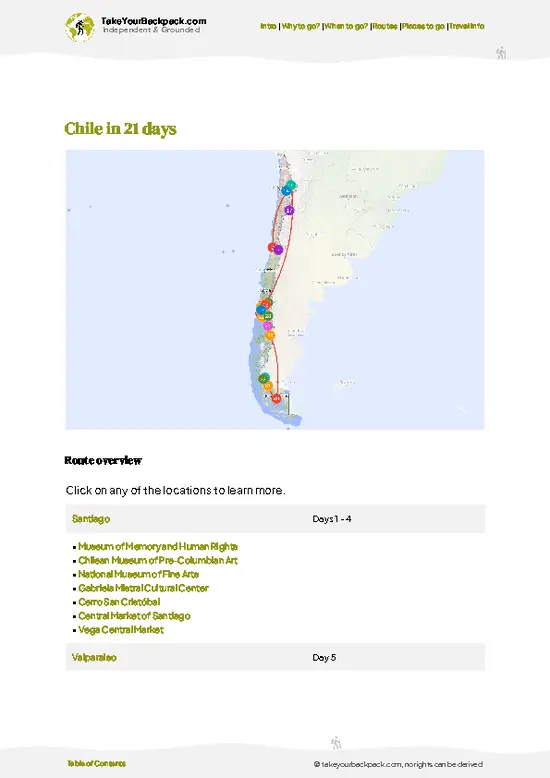
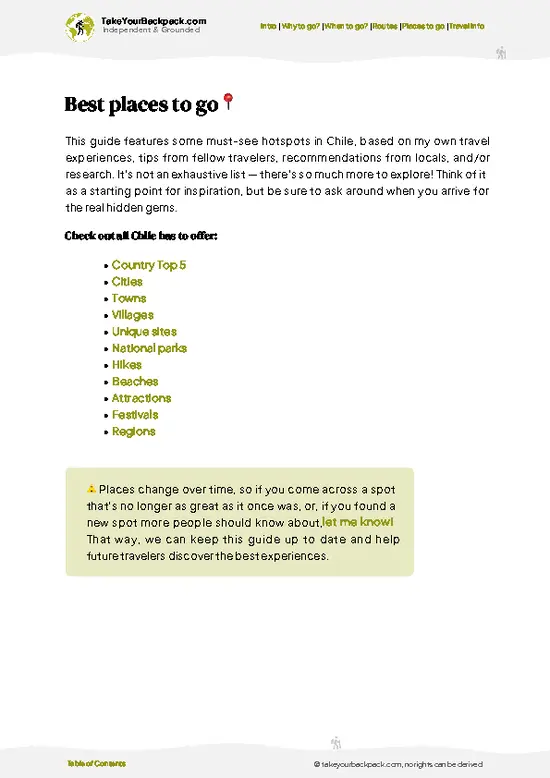
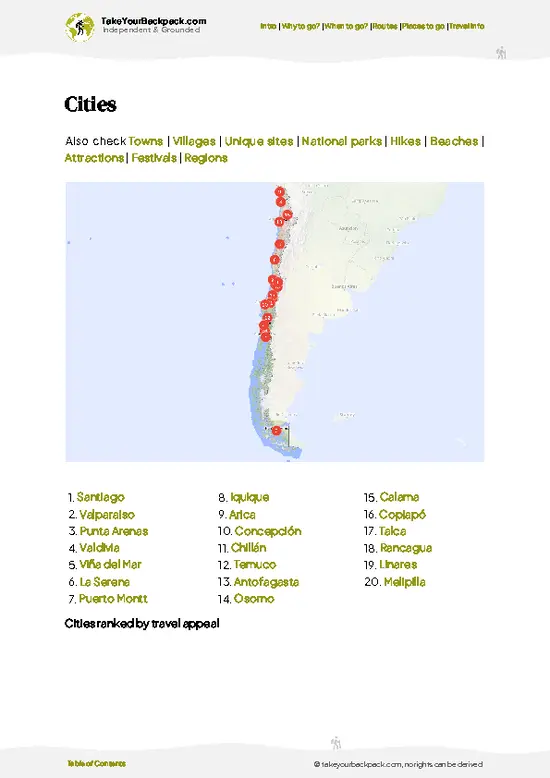
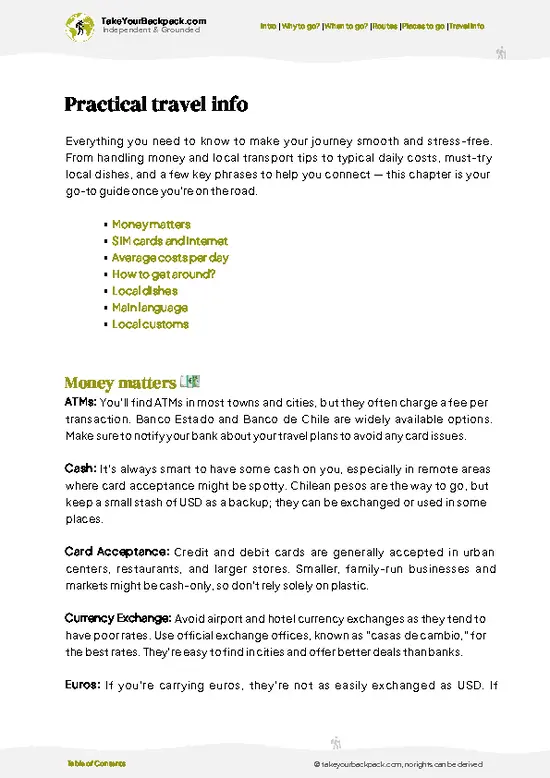
example page 0 from our offline Travel Guide for Chile
example page 1 from our offline Travel Guide for Chile
example page 2 from our offline Travel Guide for Chile
example page 3 from our offline Travel Guide for Chile
example page 4 from our offline Travel Guide for Chile
example page 5 from our offline Travel Guide for Chile
example page 6 from our offline Travel Guide for Chile
example page 7 from our offline Travel Guide for Chile
The digital guide (471 pages) contains:
119 highlights, ranked by travel appeal
Optimized 7, 14 & 21-day travel routes
Cities, national parks, landmarks, beaches
How to get around
Offline-friendly for travel without Wi-Fi
👉 Click to see all 30+ guide features

📅 Plan smarter in minutes, not weeks
Month by month travel advice
Festivals & national holidays
Budget expectations

🗺️ Go to the right places, skip the overrated ones
Honest pros & cons of destinations
Top hikes, parks & viewpoints
Lesser-known places most travelers miss
Clear “worth it vs skip it” guidance

🛏️ Travel smoothly without rookie mistakes
Best areas to stay
Transport systems explained simply
Common scams & safety advice
SIM cards, money & practical tips

🌍 Understand the country, not just visit it
Culture & traditions
52 Essential phrases & customs
Festivals worth planning around
Traveler-friendly historical context
Insights that make places more meaningful

📱 Built for real travel conditions
Fully downloadable PDF
Works completely offline
Optimized for phone use
Useful in remote areas & buses
Everything in one place
Save weeks of stressful planning
Get instant access to your full guide. 30‑day money-back guarantee.


By proceeding you agree to our terms.
Sent to your inbox immediately after payment • 100% Secure Checkout
Best Backpacking Travel Advisor 2025 tourism awardBest Backpacking
Travel Advisor
2025
What others say about Take Your Backpack Guides:
⭐⭐⭐⭐⭐
Fantastic, amazing amount of information!
⭐⭐⭐⭐⭐
My goodness this is amazing, it's what I've been looking for hats off too you!
⭐⭐⭐⭐⭐
I think this is absolutely BRILLIANT
⭐⭐⭐⭐
Very complete and informative. It's still missing places, but I gotta to commend you
⭐⭐⭐⭐⭐
This is truly amazing, thank you, can't wait to explore it with my kids!
⭐⭐⭐⭐⭐
Awesome resource, thank you!
⭐⭐⭐⭐⭐
This is amazing! Can't wait to explore the ones I haven't seen
⭐⭐⭐⭐
I love this! Well done, great idea.
⭐⭐⭐⭐⭐
Thanks for taking the time to make this gem!
⭐⭐⭐⭐⭐
This might be the best website I've ever seen.
⭐⭐⭐⭐⭐
Congratulations, and thank you so much for your work; it's incredibly valuable.
⭐⭐⭐⭐
In all seriousness I think you did a great job pointing out the important spots
⭐⭐⭐⭐⭐
10/10 very good
⭐⭐⭐⭐⭐
As someone who's only just starting to visit regularly this is awesome, thank you.
⭐⭐⭐⭐
Thank you very much! I'm going to visit my dad, it's going to be very useful!
⭐⭐⭐⭐⭐
This is really cool! We'll be travelling for the first time and this definitely come in handy.
⭐⭐⭐⭐⭐
You are now our minister of culture, congratulations 👨‍💼
⭐⭐⭐⭐⭐
Just wanted to tell you that this is a pearl! Going to follow your recommendations.
⭐⭐⭐⭐⭐
This is so cool. I'll definitely be using the resource for my travels soon.
⭐⭐⭐⭐⭐
This is very impressive! Good work.
⭐⭐⭐⭐⭐
This is an amazing and informative site. Very well done!

🛏️ Where to stay?Where staying makes the most sense

Pumalín Park is a wild, sprawling expanse in Chile, and finding the right place to stay can make or break your experience. Inside the park, there are a few basic camping options. The park has designated campsites like El Cañi and Ensenada, which offer a rustic experience. Bring your own gear, as amenities are minimal.

If you prefer a roof over your head, consider staying in nearby towns like Chaitén or Futaleufú. Chaitén has a few hostels and guesthouses, providing a cozy base with access to local eateries. Futaleufú, known for its rafting, offers a range of accommodations from budget hostels … read more 👉
Pumalín Park is a wild, sprawling expanse in Chile, and finding the right place to stay can make or break your experience. Inside the park, there are a few basic camping options. The park has designated campsites like El Cañi and Ensenada, which offer a rustic experience. Bring your own gear, as amenities are minimal.

If you prefer a roof over your head, consider staying in nearby towns like Chaitén or Futaleufú. Chaitén has a few hostels and guesthouses, providing a cozy base with access to local eateries. Futaleufú, known for its rafting, offers a range of accommodations from budget hostels to charming cabins.

Be aware that services can be limited, especially in the off-season. Stock up on supplies before heading into the park, as options are sparse. Also, keep an eye on weather conditions; they can change rapidly, affecting your plans. Prioritize your energy and budget by choosing accommodations that align with your adventure style, whether that’s camping under the stars or enjoying a warm bed after a long day of hiking.

👛 Costs (as of 19 January 2026)What things cost and how to budget

Pumalín Park in Chile is a stunning destination, but understanding the costs is crucial for a smooth visit.

Entry to the park is generally free, which is a huge plus. However, if you plan to camp, expect to pay around $10 to $15 per night for a campsite. This fee covers basic amenities, but be prepared for limited facilities.

If you’re considering guided tours, prices can vary significantly. Expect to pay between $50 and $150 per person, depending on the length and type of tour. Day hikes are often included in these packages, but always check what’s covered to avoid surprises.

Transportation is another factor. If you’re driving, fuel costs can add up, especially given the remote location. Budget around $1.20 to $1.50 per liter for gasoline. If you opt for public transport, a bus from … read more 👉
Pumalín Park in Chile is a stunning destination, but understanding the costs is crucial for a smooth visit.

Entry to the park is generally free, which is a huge plus. However, if you plan to camp, expect to pay around $10 to $15 per night for a campsite. This fee covers basic amenities, but be prepared for limited facilities.

If you’re considering guided tours, prices can vary significantly. Expect to pay between $50 and $150 per person, depending on the length and type of tour. Day hikes are often included in these packages, but always check what’s covered to avoid surprises.

Transportation is another factor. If you’re driving, fuel costs can add up, especially given the remote location. Budget around $1.20 to $1.50 per liter for gasoline. If you opt for public transport, a bus from Puerto Varas to the park can cost around $20 to $30 one way.

Food is another consideration. If you’re self-catering, grocery prices are reasonable, but dining out can range from $10 to $30 per meal, depending on the restaurant.

Plan ahead to avoid unexpected expenses. Knowing these costs will help you focus on the breathtaking landscapes and experiences that Pumalín Park has to offer.


source: conaf.cl
⚠️ Prices can change and everyone travels differently, so take this as a rough guide. Hope it helps you plan your adventure!

🥾 TrailsExploring Pumalín Park: trails, terrain, and views

Pumalín Park is a hidden gem in Chile, perfect for those who love lush landscapes and dramatic coastlines. The park is a mix of temperate rainforests, fjords, and volcanic peaks, making it a paradise for hikers. Wildlife is abundant, so keep your eyes peeled for everything from elusive pumas to playful dolphins off the coast. The terrain varies from well-maintained paths to rugged trails, so there’s something for every level of hiker.

One of the standout trails is Sendero El Amarillo, which offers a fantastic glimpse of the park’s biodiversity.
  • Length: 8 km
  • Estimated Duration: 3-4 hours
  • Difficulty
read more 👉
Pumalín Park is a hidden gem in Chile, perfect for those who love lush landscapes and dramatic coastlines. The park is a mix of temperate rainforests, fjords, and volcanic peaks, making it a paradise for hikers. Wildlife is abundant, so keep your eyes peeled for everything from elusive pumas to playful dolphins off the coast. The terrain varies from well-maintained paths to rugged trails, so there’s something for every level of hiker.

One of the standout trails is Sendero El Amarillo, which offers a fantastic glimpse of the park’s biodiversity.
  • Length: 8 km
  • Estimated Duration: 3-4 hours
  • Difficulty Level: Moderate
  • Key Features: Stunning views of the surrounding mountains and the chance to see diverse flora and fauna.
  • Terrain: Well-marked paths with some elevation gain, mostly through forests.

Another great option is Sendero Cascadas, which leads you to beautiful waterfalls.
  • Length: 5 km
  • Estimated Duration: 2-3 hours
  • Difficulty Level: Easy
  • Key Features: Picturesque waterfalls and serene spots perfect for a picnic.
  • Terrain: Gentle slopes with some uneven footing.

Getting to Pumalín Park can be a bit of an adventure itself. Public transport options are limited, but you can catch a bus to nearby towns like Chaitén, then grab a taxi or hitch a ride to the park entrance. It’s not usually overcrowded, so you can enjoy the tranquility of nature without feeling like you’re hiking through a mall. As for the entrance fee, there’s typically a small charge, which goes towards maintaining the park, but it’s worth every peso for the experience.
⚠️ Hiking info can sometimes be outdated or inaccurate. Before you hit the trail, check the latest conditions with locals. If you do spot anything that's off, I'd love to hear from you, so I can update it for fellow travelers.

🛡️ SafetyTraveler Safety Guide

Pumalín Park offers a stunning backdrop for backpackers, but it’s wise to stay grounded. Weather can shift quickly; sunny mornings can turn into drenching rain by afternoon. Dress in layers and pack a reliable rain jacket.

The terrain varies, with some trails featuring steep sections and rocky footing. Navigation is generally straightforward, but a good map and compass are essential. Watch for river crossings, especially after heavy rain; they can swell rapidly.

Wildlife encounters are rare but possible. If you spot a guanaco or a condor, keep your distance and enjoy the moment without disturbing them.

First-timers often underestimate the park’s remoteness. Ensure you have enough food and water, and let someone know your itinerary. With proper preparation, you can focus on the breathtaking … read more 👉
Pumalín Park offers a stunning backdrop for backpackers, but it’s wise to stay grounded. Weather can shift quickly; sunny mornings can turn into drenching rain by afternoon. Dress in layers and pack a reliable rain jacket.

The terrain varies, with some trails featuring steep sections and rocky footing. Navigation is generally straightforward, but a good map and compass are essential. Watch for river crossings, especially after heavy rain; they can swell rapidly.

Wildlife encounters are rare but possible. If you spot a guanaco or a condor, keep your distance and enjoy the moment without disturbing them.

First-timers often underestimate the park’s remoteness. Ensure you have enough food and water, and let someone know your itinerary. With proper preparation, you can focus on the breathtaking views and the tranquility of this wild landscape.

Other Chilean national parks near Pumalín Park

Explore more nearby:


💡 Not sure where to go next?
Create a personalized itinerary for Chile including Pumalín Park and the places that fit your trip.

Generate my itinerary

👉 Discover all national parks

Or checkout all Chile has to offer (think cities, towns, villages, national parks, hikes, beaches, festivals)
Country photo of Chile

We 💚 feedbackIs it worth it?

Pumalín Park is a treasure trove of biodiversity, where ancient trees and vibrant ecosystems create a living tapestry that feels untouched. But be prepared: the weather can be unpredictable. Rain can turn trails into mudslides, so pack accordingly. Embrace the elements; they’re part of the adventure. This park rewards those who come ready to adapt, ensuring you’ll leave with stories worth sharing.

✈️ When did I visit Chile?
I have visited Chile, together with Argentina, in September 2012.

✍️ Help improve this page!
The information on this page is based on my own backpacking experience in Chile, supplemented with up-to-date research and feedback from other travelers. Travel details can change, so if you notice anything outdated or incomplete, feel free to let me know.


🙋‍♂️ Give feedback

👋 Meet the founderWho’s Behind Take Your Backpack?

Johan, backpacker and founder of TakeYourBackpackHi, I’m Johan (Netherlands 🇳🇱), the creator of TakeYourBackpack. Over the past decade, I’ve backpacked through 80+ countries across six continents, gaining extensive experience with independent travel, long-term trips, and overland routes.

This site is built on a combination of firsthand travel experience and carefully curated insights from other backpackers. Many guides are based on places I’ve personally visited, while others bring together tips, observations, and practical advice shared by trusted travelers I’ve met along the way.

The goal is to provide realistic, experience-driven guidance — not generic itineraries — so you can explore destinations with better context, clearer expectations, and more confidence.

Get full Chile guide •
Instant download • 119 highlights • Full Offline guide