×

Chile🇨🇱 | national parksRapa Nui National ParkMoai quarry, Tongariki sunrise, Orongo crater, coral-sand beach | things to do and best time to go

Explore Nahuelbuta National ParkExplore Laguna San Rafael National Park

Backpacking in Rapa Nui
By Johan Kruseman 🇳🇱 | Updated October 19, 2026

Rapa Nui National Park covers about 40 percent of Easter Island, so the moai are not tucked into one fenced site; they sit across the whole island, which lies in Chile’s Pacific territory, a long flight west of Santiago. That spread explains the costs: you buy one park ticket, but you need transport between sites. At a Hanga Roa stall I paid about US$6 for a tuna empanada and a fresh juice, a fair price for a place where food arrives by plane. Buy the ticket early, because it is valid for a set stay and sold at the airport or in town. Rent wheels for day one, then start with Rano Raraku.

Discover everything you want to know in the 📖 Chile Travel Guide.


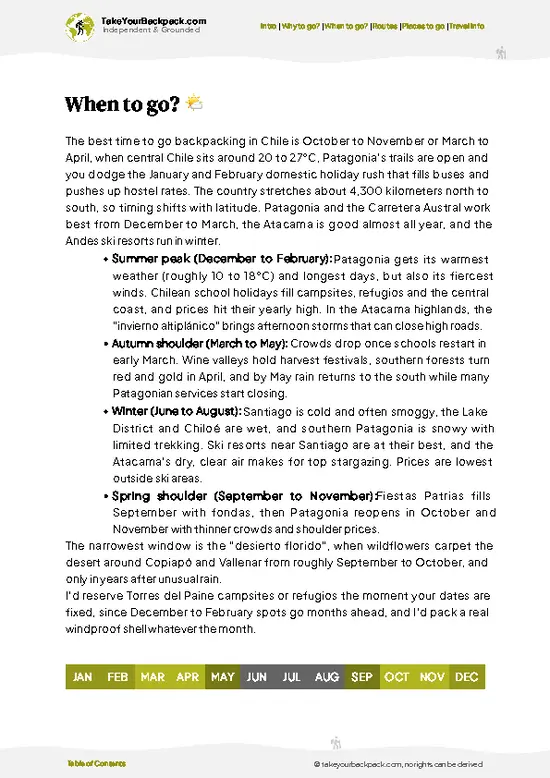
example page 0 from our offline Travel Guide for Chile
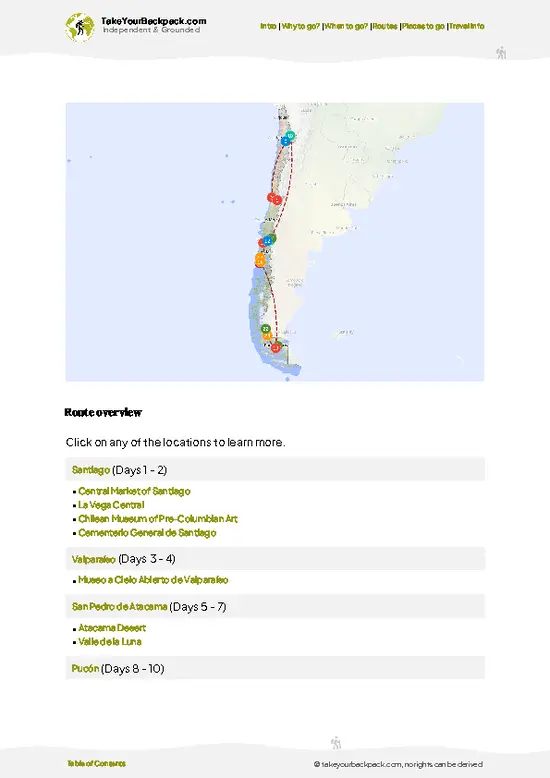
example page 1 from our offline Travel Guide for Chile
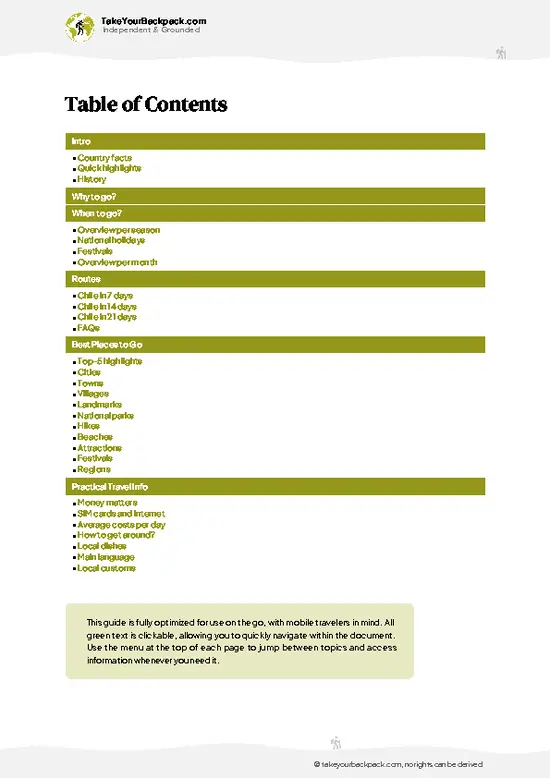
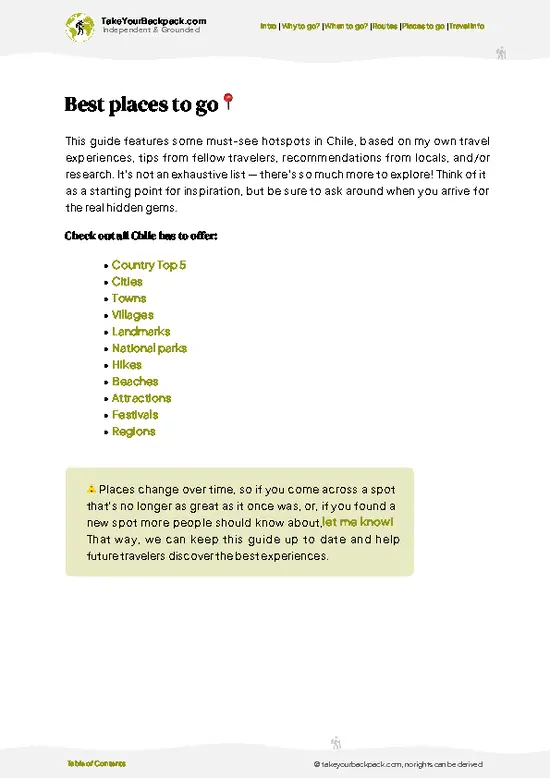
example page 2 from our offline Travel Guide for Chile
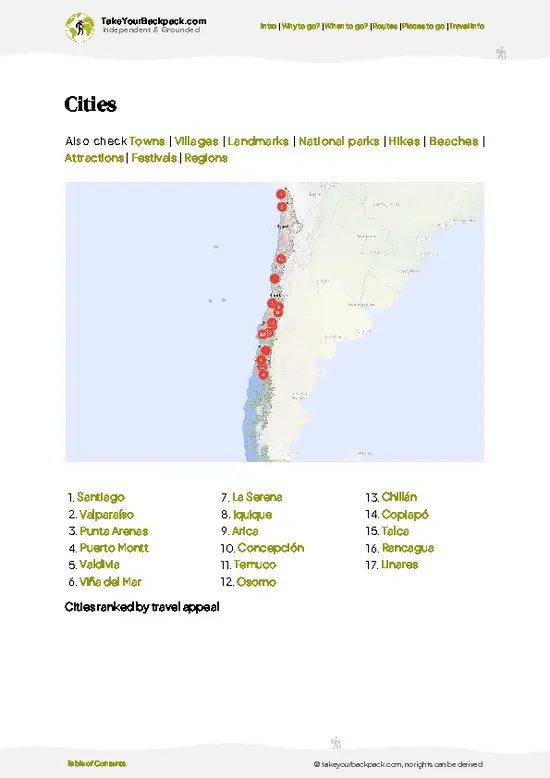
example page 3 from our offline Travel Guide for Chile
example page 4 from our offline Travel Guide for Chile
example page 5 from our offline Travel Guide for Chile
example page 6 from our offline Travel Guide for Chile
example page 7 from our offline Travel Guide for Chile
Loading the map 🌍
CLICK TO FILTER
cities
towns
villages
landmarks
national parks
hikes
beaches
attractions
festivals
regions
SHOW COUNTRY’S BESTSHOW ALL

✨ Why go?
Ranked #99 national park in Chile
What makes this national park worth exploring

Rapa Nui National Park suits independent travelers because the island is small and the sites are linked by a few paved roads. You can rent a bike, scooter or car and set your own pace instead of following a bus group. That freedom matters at places like Tongariki, where fifteen moai stand in a row, and at Rano Raraku, where nearly 400 statues lie in various stages of carving on the quarry slopes. Tours give context, but a guide for one morning plus a self-driven rest works well. Budget travelers also benefit: camping and guesthouses sit in Hanga Roa, so you can base yourself close to everything and spend your money on the ticket and a rental.

💡 HighlightsEssential experiences to have while exploring Rapa Nui

  1. Rano Raraku: the quarry where the moai were carved, with hundreds of statues half-buried in the slope and the giant unfinished El Gigante.
  2. Ahu Tongariki: the largest platform on the island, with fifteen restored moai facing inland. It is a classic sunrise spot.
  3. Orongo: a ceremonial village on the rim of the Rano Kau crater, tied to the Birdman cult, with views of the crater lake and offshore islets.
  4. Anakena Beach: white coral sand and palms, with the restored moai of Ahu Nau Nau behind the beach. A good swim stop.
  5. Ahu Akivi: seven moai that face the sea, unusual because most others look inland. It is inland and often quiet.
  6. Ahu Tahai: a short walk from Hanga Roa, with moai, one with restored white coral eyes, and a good place to watch the sun go down.
  7. Puna Pau: the small crater where the red scoria
… read more 👉
  1. Rano Raraku: the quarry where the moai were carved, with hundreds of statues half-buried in the slope and the giant unfinished El Gigante.
  2. Ahu Tongariki: the largest platform on the island, with fifteen restored moai facing inland. It is a classic sunrise spot.
  3. Orongo: a ceremonial village on the rim of the Rano Kau crater, tied to the Birdman cult, with views of the crater lake and offshore islets.
  4. Anakena Beach: white coral sand and palms, with the restored moai of Ahu Nau Nau behind the beach. A good swim stop.
  5. Ahu Akivi: seven moai that face the sea, unusual because most others look inland. It is inland and often quiet.
  6. Ahu Tahai: a short walk from Hanga Roa, with moai, one with restored white coral eyes, and a good place to watch the sun go down.
  7. Puna Pau: the small crater where the red scoria topknots (pukao) were cut for the statues.
Start with Rano Raraku in the morning, since it explains how the moai were made and makes every later platform easier to read.
Spotted a mistake or missing something? Contact us.

Things to do near Rapa Nui National Park

Ratings based on Tripadvisor reviews. When you book through this link, you support our work at no extra cost to you.

🌤️ When to go?Choosing the right time of year

  • Summer (January to March): Warmest and busiest, with highs of 26 to 29°C (79 to 84°F), long daylight and the best swimming at Anakena. Flights and guesthouses cost the most, and Tapati Festival fills the island in early February.
  • Autumn (April to May): Highs of 23 to 25°C (73 to 77°F), fewer visitors and calmer prices. Showers pass quickly.
  • Winter (June to August): Highs of 20 to 22°C (68 to 72°F), lows near 15°C (59°F), shorter days, more wind and rain. Moai sites are quiet and rooms are cheapest.
  • Spring (September to December): Highs of 22 to 26°C (72 to 79°F), drier skies and rising crowds toward December.
Book flights and rooms several months ahead for February, and expect the best bargains from May to September.

source: climatestotravel.comJANJanuary: good for travelingFEBFebruary: good for travelingMARMarch: highly recommended for travelingAPRApril: highly recommended for travelingMAYMay: fair for travelingJUNJune: fair for travelingJULJuly: highly recommended for travelingAUGAugust: highly recommended for travelingSEPSeptember: excellent for travelingOCTOctober: excellent for travelingNOVNovember: excellent for travelingDECDecember: good for traveling
when-to-go

✈️ The backpacker research shortcutChile Travel Guide

An offline-friendly backpacking guide with optimized travel routes, ranked highlights, transport advice, and the best areas to stay.
example page 0 from our offline Travel Guide for Chile
example page 1 from our offline Travel Guide for Chile
example page 2 from our offline Travel Guide for Chile
example page 3 from our offline Travel Guide for Chile
example page 4 from our offline Travel Guide for Chile
example page 5 from our offline Travel Guide for Chile
example page 6 from our offline Travel Guide for Chile
example page 7 from our offline Travel Guide for Chile
The digital guide (333 pages) contains:
✅ 107 highlights, ranked by travel appeal
✅ Optimized 7, 14 & 21-day travel routes
✅ Cities, national parks, landmarks, beaches
✅ How to get around
✅ Offline-friendly for travel without Wi-Fi
👉 Click to see all 30+ guide features

📅 Plan smarter in minutes, not weeks
✅ Month by month travel advice
✅ Festivals & national holidays
✅ Budget expectations

🗺️ Go to the right places, skip the overrated ones
✅ Honest pros & cons of destinations
✅ Top hikes, parks & viewpoints
✅ Lesser-known places most travelers miss
✅ Clear “worth it vs skip it” guidance

🛏️ Travel smoothly without rookie mistakes
✅ Best areas to stay
✅ Transport systems explained simply
✅ Common scams & safety advice
✅ SIM cards, money & practical tips

🌍 Understand the country, not just visit it
✅ Culture & traditions
✅ 52 Essential phrases & customs
✅ Festivals worth planning around
✅ Traveler-friendly historical context
✅ Insights that make places more meaningful

📱 Built for real travel conditions
✅ Fully downloadable PDF
✅ Works completely offline
✅ Optimized for phone use
✅ Useful in remote areas & buses
✅ Everything in one place
Stop searching, start planning
Get instant access to your full guide. 30‑day money-back guarantee.
+ Add another guide for just

By proceeding you agree to our terms.
Sent to your inbox immediately after payment • 100% Secure Checkout
Best Backpacking Travel Advisor 2025 tourism awardBest Backpacking
Travel Advisor
2025
What others say about Take Your Backpack Guides:
⭐⭐⭐⭐⭐
Fantastic, amazing amount of information!
⭐⭐⭐⭐⭐
My goodness this is amazing, it's what I've been looking for hats off too you!
⭐⭐⭐⭐⭐
I think this is absolutely BRILLIANT
⭐⭐⭐⭐
Very complete and informative. It's still missing places, but I gotta to commend you
⭐⭐⭐⭐⭐
This is truly amazing, thank you, can't wait to explore it with my kids!
⭐⭐⭐⭐⭐
Awesome resource, thank you!
⭐⭐⭐⭐⭐
This is amazing! Can't wait to explore the ones I haven't seen
⭐⭐⭐⭐
I love this! Well done, great idea.
⭐⭐⭐⭐⭐
Thanks for taking the time to make this gem!
⭐⭐⭐⭐⭐
This might be the best website I've ever seen.
⭐⭐⭐⭐⭐
Congratulations, and thank you so much for your work; it's incredibly valuable.
⭐⭐⭐⭐
In all seriousness I think you did a great job pointing out the important spots
⭐⭐⭐⭐⭐
10/10 very good
⭐⭐⭐⭐⭐
As someone who's only just starting to visit regularly this is awesome, thank you.
⭐⭐⭐⭐
Thank you very much! I'm going to visit my dad, it's going to be very useful!
⭐⭐⭐⭐⭐
This is really cool! We'll be travelling for the first time and this definitely come in handy.
⭐⭐⭐⭐⭐
You are now our minister of culture, congratulations 👨‍💼
⭐⭐⭐⭐⭐
Just wanted to tell you that this is a pearl! Going to follow your recommendations.
⭐⭐⭐⭐⭐
This is so cool. I'll definitely be using the resource for my travels soon.
⭐⭐⭐⭐⭐
This is very impressive! Good work.
⭐⭐⭐⭐⭐
This is an amazing and informative site. Very well done!

🛏️ Where to stay?Where staying makes the most sense

Hanga Roa is the only town on the island, and nearly every backpacker sleeps there, because Rapa Nui National Park has no lodging inside its boundaries and covers most of the island outside town. Camping is the budget route. Several family-run campgrounds and hostel-style guesthouses sit along the streets near the harbor and the Tahai site, with dorm beds around US$25 to 45, private rooms from about US$60 to 120, and tent sites around US$15 to 25. Many include kitchen access, which matters because groceries and restaurants are pricey. Staying near Caleta Hanga Roa puts you within walking distance … read more 👉
Hanga Roa is the only town on the island, and nearly every backpacker sleeps there, because Rapa Nui National Park has no lodging inside its boundaries and covers most of the island outside town. Camping is the budget route. Several family-run campgrounds and hostel-style guesthouses sit along the streets near the harbor and the Tahai site, with dorm beds around US$25 to 45, private rooms from about US$60 to 120, and tent sites around US$15 to 25. Many include kitchen access, which matters because groceries and restaurants are pricey. Staying near Caleta Hanga Roa puts you within walking distance of the harbor, restaurants and the Tahai sunset spot. Places farther toward the airport are quieter but need a bike or a ride. Book ahead for January and February, since the island has limited beds. Many hosts offer airport pickup with a flower lei, so ask when booking. There are no other towns nearby, as the next landmass is thousands of kilometers away.

👛 Costs (as of 19 October 2026)Money, prices, and spending tips

Expect to spend about US$140 a day on Rapa Nui National Park as a backpacker in high season, with the park ticket as a one-time cost. Everything is imported, so prices run well above mainland Chile.
CategoryBudget RangeLocal Reality
Park entranceUS$80 (one-time, foreign adults)Valid for 10 days, one entry each to Orongo and Rano Raraku, paid at the ticket office or online and checked at the sites.
Accommodation (high season)US$25 to 45Dorm bed or tent site in Hanga Roa. Private rooms start near US$60.
Local transportUS$10 to 40Bike rentals cost about US$15 to 20 a day, scooters or cars US$50 to 80 and up. Taxis run about US$5 to 10 for short rides in town.
Food and suppliesUS$25 to 40Self-catering from local markets is cheapest. Empanadas run about US$4 to 6, and restaurant mains US$15 to 25.
Tours
… read more 👉
Expect to spend about US$140 a day on Rapa Nui National Park as a backpacker in high season, with the park ticket as a one-time cost. Everything is imported, so prices run well above mainland Chile.
CategoryBudget RangeLocal Reality
Park entranceUS$80 (one-time, foreign adults)Valid for 10 days, one entry each to Orongo and Rano Raraku, paid at the ticket office or online and checked at the sites.
Accommodation (high season)US$25 to 45Dorm bed or tent site in Hanga Roa. Private rooms start near US$60.
Local transportUS$10 to 40Bike rentals cost about US$15 to 20 a day, scooters or cars US$50 to 80 and up. Taxis run about US$5 to 10 for short rides in town.
Food and suppliesUS$25 to 40Self-catering from local markets is cheapest. Empanadas run about US$4 to 6, and restaurant mains US$15 to 25.
Tours and extrasUS$0 to 30Guided tours cost about US$40 to 80. Many sites are easy to visit independently.
Total Daily BudgetUS$140Based on dorm, bike rental, self-catering and the park ticket spread over one day.


source: conaf.cl
⚠️ Prices can change and everyone travels differently, so take this as a rough guide. Hope it helps you plan your adventure!

🥾 TrailsScenic routes and wildlife spotting in Rapa Nui

Rapa Nui National Park has short, mostly open walks over grassland and volcanic rock, with no forest cover, so sun and wind are constant.
  • Rano Raraku loop: roughly 1 to 2 hours, easy. A path climbs among the carved statues on the quarry slope, with a view over the crater lake.
  • Orongo to Rano Kau rim: roughly 1 to 2 hours, easy to moderate. Paths run along the crater edge and into the ceremonial village.
  • Terevaka summit: roughly 4 to 6 hours return, moderate. It climbs the island’s highest point, around 510 meters, across open pasture with views of the entire island.
  • Coastal walk Hanga Roa to Tahai:
… read more 👉
Rapa Nui National Park has short, mostly open walks over grassland and volcanic rock, with no forest cover, so sun and wind are constant.
  • Rano Raraku loop: roughly 1 to 2 hours, easy. A path climbs among the carved statues on the quarry slope, with a view over the crater lake.
  • Orongo to Rano Kau rim: roughly 1 to 2 hours, easy to moderate. Paths run along the crater edge and into the ceremonial village.
  • Terevaka summit: roughly 4 to 6 hours return, moderate. It climbs the island’s highest point, around 510 meters, across open pasture with views of the entire island.
  • Coastal walk Hanga Roa to Tahai: about 30 minutes, easy and flat, along the shoreline.
  • Poike peninsula: roughly 3 to 4 hours, moderate, on grassy hills and cliffs with sea views.
Wildlife is limited: you will see horses roaming freely, chickens, and seabirds around the cliffs near Orongo. Walks have little shade, so carry water and sunscreen.
Getting there means a flight from Santiago to Mataveri airport, and the park is reached from Hanga Roa by road. Taxis, bike and car rentals, and guided tours operate in town. The park ticket is paid in cash or card and covers the main sites, so keep it with you, as rangers check it at Orongo and Rano Raraku. Crowds peak at Tongariki at dawn and Rano Raraku late morning, while Ahu Akivi and Poike stay quiet.
⚠️ Hiking info can sometimes be outdated or inaccurate. Before you hit the trail, check the latest conditions with locals. If you do spot anything that's off, I'd love to hear from you, so I can update it for fellow travelers.

🛡️ SafetySafety Tips and Common Scams in Rapa Nui

Rapa Nui National Park is straightforward and well managed, with no dangerous wildlife and little serious risk. The main issues are sun and wind. The island has almost no shade, so wear a hat, use strong sunscreen and carry at least 2 liters of water on the long trails, such as the walk to Rano Kau or the north coast. Rain can arrive suddenly, and volcanic rock and muddy paths get slippery, so wear shoes with grip. Stay on marked paths and never climb on or touch moai and ahu, which are protected and fined. Horses and stray dogs roam freely, so give them space. Roads are quiet, but scooter and bike riders should watch for gravel and loose horses. Phone signal is patchy away from town.

FAQCommon questions from travelers

Three to four days is the practical minimum for Rapa Nui National Park. That is enough to see Ahu Tongariki, Rano Raraku, Anakena, Orongo and Tahai, plus a sunrise. Five days lets you add Poike hikes or a day on the north coast, and the park ticket stays valid for 10 days.
Yes, Rapa Nui National Park is manageable without a car. Hanga Roa is walkable, and bike rentals cost around US$15 to 20 a day, though hills and wind make the eastern sites tiring. Taxis, a rented scooter, or a guided van tour of 4 to 8 hours (about US$40 to 80) cover Tongariki and Rano Raraku, roughly 18 to 20 km from town.
Yes, Rapa Nui National Park charges a ticket of about US$80 for foreign adults, with lower rates for Chilean residents and children. It is valid for 10 days and allows one entry each to Orongo and Rano Raraku, while most other sites are open without a gate. Buy it at the airport, the Ma’u Henua office or online, and carry your passport.
⚠️ Things can change over time, so always validate details locally before you go.

Other Chilean national parks near Rapa Nui

Explore more nearby:


💡 Not sure where to go next?
Create a personalized itinerary for Chile including Rapa Nui and the places that fit your trip.

Generate my itinerary

👉 Discover all national parks

Or checkout all Chile has to offer (think cities, towns, villages, national parks, hikes, beaches, festivals)
Country photo of Chile

We 💚 feedbackFinal thoughts on exploring Rapa Nui

Rapa Nui National Park hides its quietest moments in the stretches between famous sites, where horses graze beside unrestored platforms and ruined boat-shaped house foundations. Most first-timers rush from moai to moai and miss them. I would slow down on the south coast road and stop wherever a small ahu appears.

✈️ When did I visit Chile?
I have visited Chile, together with Argentina, in September 2012.

✍️ Help improve this page!
The information on this page is based on my own backpacking experience in Chile, supplemented with up-to-date research and feedback from other travelers. Travel details can change, so if you notice anything outdated or incomplete, feel free to let me know.


🙋‍♂️ Give feedback

👋 Meet the founderWho’s Behind Take Your Backpack?

Johan, backpacker and founder of TakeYourBackpackHi, I’m Johan (Netherlands 🇳🇱), the creator of TakeYourBackpack. Over the past 3 decades, I’ve backpacked through 90+ countries across six continents, gaining extensive experience with independent travel, long-term trips, and overland routes.

This site is built on a combination of firsthand travel experience and carefully curated insights from other backpackers. Many guides are based on places I’ve personally visited, while others bring together tips, observations, and practical advice shared by trusted travelers I’ve met along the way.

The goal is to provide realistic, experience-driven guidance — not generic itineraries — so you can explore destinations with better context, clearer expectations, and more confidence.