×

China🇨🇳 | hikesYubeng Village Trekremote hamlets, sacred waterfalls, Tibetan culture | things to do and best time to go

Explore Yellow MountainsExplore Meili Snow Mountain Kora

Backpacking in Yubeng Village Trek
👍 Recommendedhike ranked #5
By Johan Kruseman 🇳🇱 | Updated September 23, 2026

Most people think the Yubeng Village Trek is some untouched Shangri-La where you’ll have the trail to yourself. You won’t. It’s still magical, but you’ll be sharing it with domestic hikers and mule trains. Yubeng sits in northwest Yunnan, under the snow walls of Meili Xue Shan near Deqin, and the classic trek runs between Xidang Hot Springs and the Upper/Lower Yubeng villages with side trips to glaciers and sacred waterfalls. The scenery escalates fast: pine forest, roaring rivers, prayer flags, then brutal switchbacks that punch your lungs before opening into a high, wide valley that feels like a natural amphitheater. It’s shorter and less committing than the Kora around Mount Kailash, tougher and wilder than Tiger Leaping Gorge, and reachable by bus plus a bumpy minivan, but the altitude, mud, and crowds mean you earn every view and every post-hike beer in Deqin.

Discover everything you want to know in the 📖 China Travel Guide.
Best time to go: April - October
Duration: 3 days
Distance: 30 kilometers
Total ascent: 1,200 meters


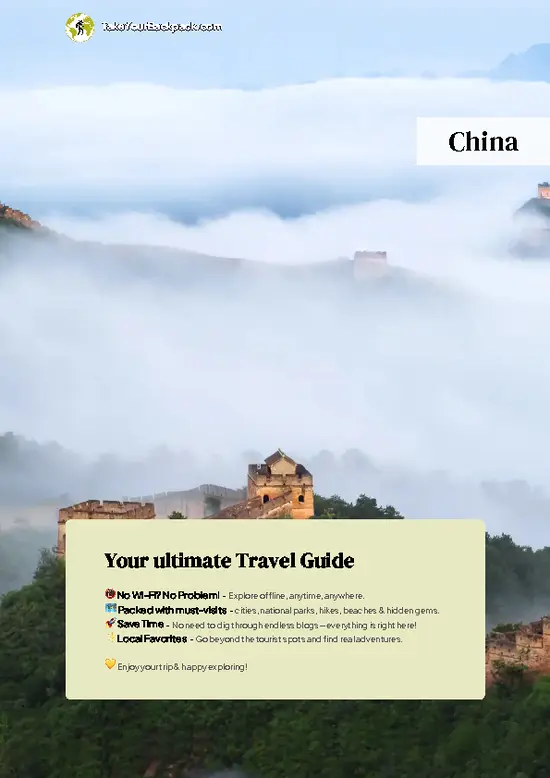
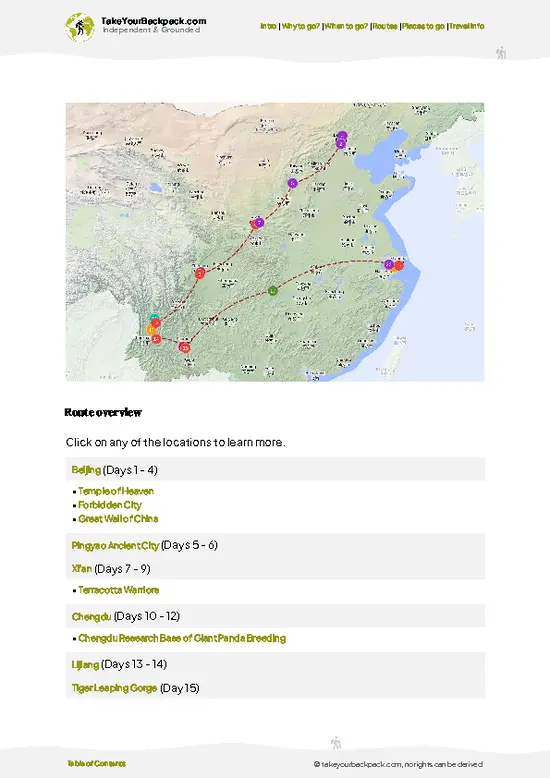
example page 0 from our offline Travel Guide for China
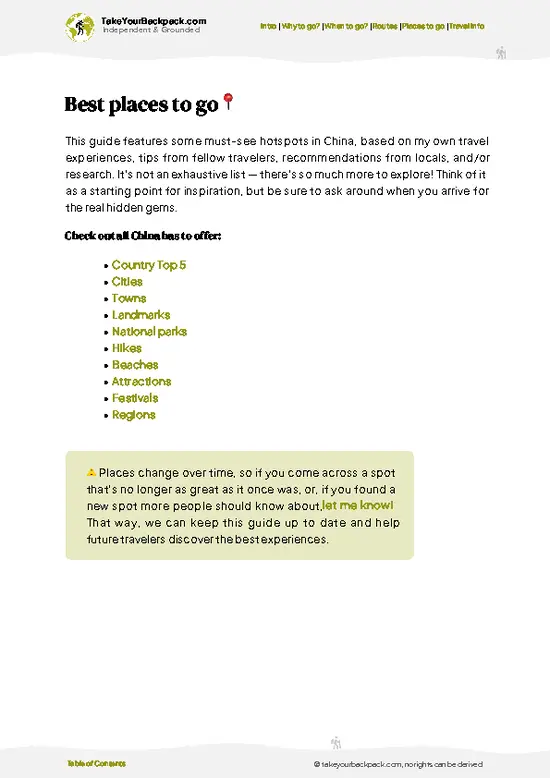
example page 1 from our offline Travel Guide for China
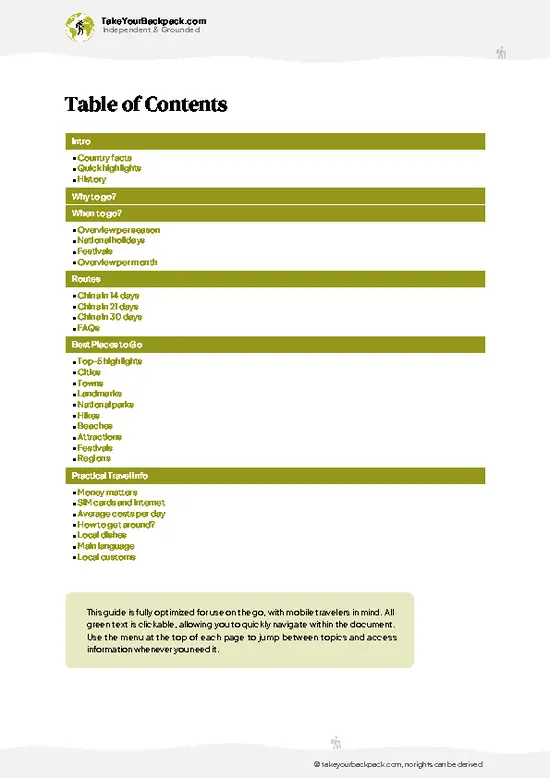
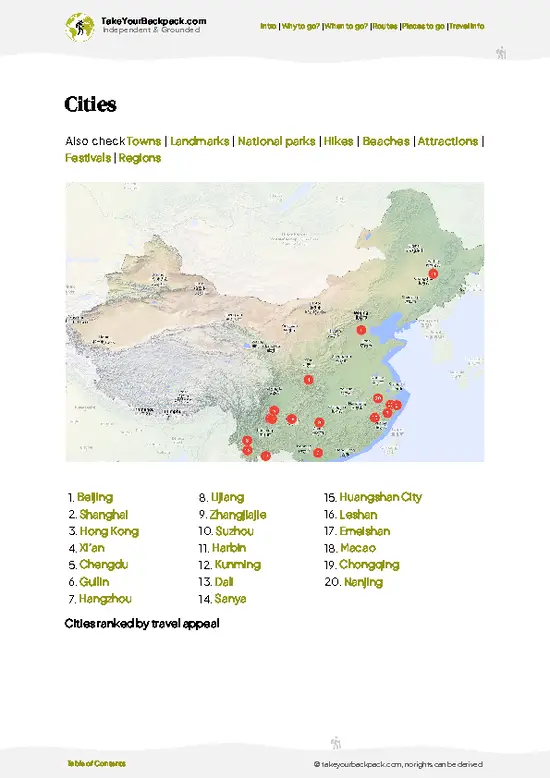
example page 2 from our offline Travel Guide for China
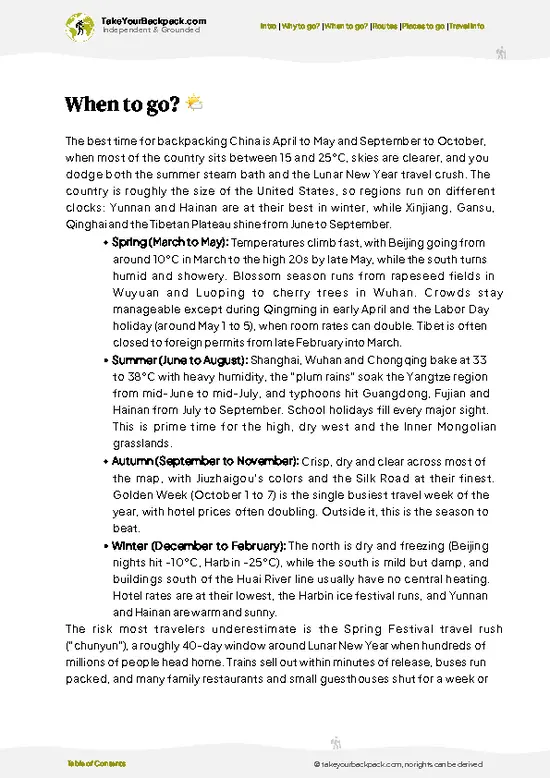
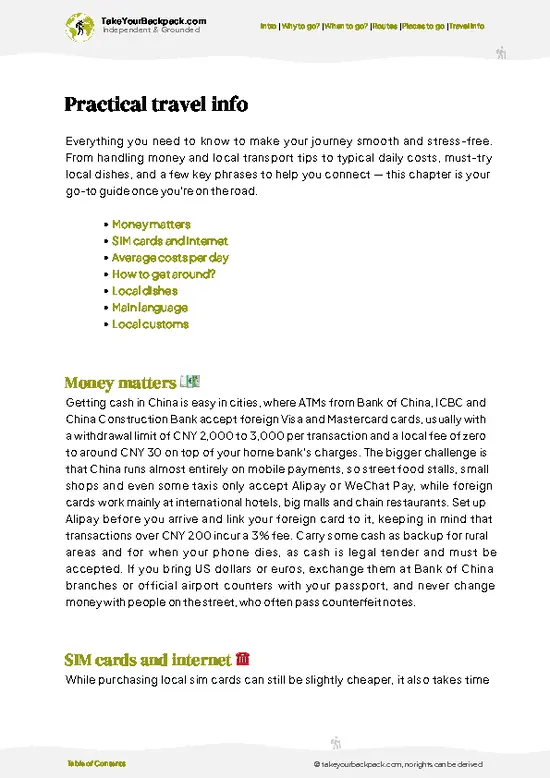
example page 3 from our offline Travel Guide for China
example page 4 from our offline Travel Guide for China
example page 5 from our offline Travel Guide for China
example page 6 from our offline Travel Guide for China
example page 7 from our offline Travel Guide for China
Loading the map 🌍
CLICK TO FILTER
cities
towns
landmarks
national parks
hikes
beaches
attractions
festivals
regions
SHOW COUNTRY’S BESTSHOW ALL

✨ Why go?
Ranked #5 hike in China
What makes this hike worth hiking

The Yubeng Village Trek is a magnet for backpackers craving both challenge and reward. You’ll find yourself winding through stunning landscapes—think jagged peaks and lush valleys—without the crowds that often plague popular trails. The scenery-to-effort ratio is off the charts; you’ll sweat, but every step brings you closer to breathtaking views that make the burn worth it.

Getting there is a breeze. Public transport options drop you at the trailhead, making it accessible even for those on a tight schedule. Plus, the trek offers flexible distances. Whether you want a quick day hike or a multi-day adventure, you can tailor it to your pace.

And let’s talk cost—this trek won’t break the bank. It fits seamlessly into a longer backpacking route through Yunnan, allowing you to explore more without … read more 👉
The Yubeng Village Trek is a magnet for backpackers craving both challenge and reward. You’ll find yourself winding through stunning landscapes—think jagged peaks and lush valleys—without the crowds that often plague popular trails. The scenery-to-effort ratio is off the charts; you’ll sweat, but every step brings you closer to breathtaking views that make the burn worth it.

Getting there is a breeze. Public transport options drop you at the trailhead, making it accessible even for those on a tight schedule. Plus, the trek offers flexible distances. Whether you want a quick day hike or a multi-day adventure, you can tailor it to your pace.

And let’s talk cost—this trek won’t break the bank. It fits seamlessly into a longer backpacking route through Yunnan, allowing you to explore more without feeling rushed. The moment you crack open that first cold beer in Yubeng, you’ll know every step was worth it.

💡 HighlightsPlaces and moments you shouldn't skip

  1. Kawagebo (Meili Snow Mountain) sunrise viewpoint — The glacier-scarred face of Kawagebo is the reason most people come. On a clear morning the light turns the peaks from gray to gold and the whole valley feels sacred and impossibly big. It’s remote, high-altitude scenery you won’t see on crowded commercial trails — my personal favorite for the atmosphere and the jaw-drop moment when the sun hits the glaciers.
  2. Upper Yubeng Village — Tiny timber houses, prayer flags, and yak bells: this is living Tibetan culture up close. Fewer day-trippers go this far, so the village has an authentic, slow rhythm — chance for tea with locals, to see traditional architecture, and to feel like you’ve stepped into a different pace of life.
  3. Lower Yubeng and the twin waterfalls — A short walk from the lower
… read more 👉
  1. Kawagebo (Meili Snow Mountain) sunrise viewpoint — The glacier-scarred face of Kawagebo is the reason most people come. On a clear morning the light turns the peaks from gray to gold and the whole valley feels sacred and impossibly big. It’s remote, high-altitude scenery you won’t see on crowded commercial trails — my personal favorite for the atmosphere and the jaw-drop moment when the sun hits the glaciers.
  2. Upper Yubeng Village — Tiny timber houses, prayer flags, and yak bells: this is living Tibetan culture up close. Fewer day-trippers go this far, so the village has an authentic, slow rhythm — chance for tea with locals, to see traditional architecture, and to feel like you’ve stepped into a different pace of life.
  3. Lower Yubeng and the twin waterfalls — A short walk from the lower village drops you into a corridor of roaring water and misty spray. Two cascades tumble through jungle into the valley; they’re dramatic after rain and make a great place to chill, photograph, or dry off if you misjudged the weather.
  4. Mossy rhododendron forests and crystal streams — Much of the trail threads through moss-draped forest with bubbling streams and seasonal rhododendron blooms. It’s quiet, green, and full of small wildlife (yaks on the slopes, pheasants and butterflies lower down), so the hiking itself feels intimate and richly textured compared with more tramped routes.
  5. Village hot springs — A proper backpacker treat: natural thermal pools near the village where locals and hikers soak after a long day. They’re rustic but soothing — nothing fancy, just hot water, mountain air, and the best sore-muscle remedy after steep switchbacks.
Spotted a mistake or missing something? Contact us.

🌤️ When to go?Seasonal considerations and timing

  • Weather: The best window is late May to early October. Spring melts give way to lush greenery, but early summer can bring sudden rainstorms. By September, skies clear, and the air crisps up, making each step feel electric.
  • Temperature: Daytime highs hover between 15-22°C (59-72°F) in summer, perfect for sweating it out without overheating. Nights dip sharply, often below 5°C (41°F), so pack layers. Winter is brutal, plunging below freezing and blanketing trails in snow.
  • Daylight Hours: Peak trekking season offers 12-14 hours of daylight, giving you ample time to push hard and soak in the views without racing the sunset. Shorter days in spring and autumn demand earlier starts.
  • Crowds: July and August draw the most trekkers, especially Chinese tourists. If you want solitude, aim for late
… read more 👉
  • Weather: The best window is late May to early October. Spring melts give way to lush greenery, but early summer can bring sudden rainstorms. By September, skies clear, and the air crisps up, making each step feel electric.
  • Temperature: Daytime highs hover between 15-22°C (59-72°F) in summer, perfect for sweating it out without overheating. Nights dip sharply, often below 5°C (41°F), so pack layers. Winter is brutal, plunging below freezing and blanketing trails in snow.
  • Daylight Hours: Peak trekking season offers 12-14 hours of daylight, giving you ample time to push hard and soak in the views without racing the sunset. Shorter days in spring and autumn demand earlier starts.
  • Crowds: July and August draw the most trekkers, especially Chinese tourists. If you want solitude, aim for late May or September when the trail thins and the village feels more authentic.
  • Seasonal Activities: Summer brings vibrant yak grazing and blooming rhododendrons, while autumn harvests fill the air with earthy scents and local festivals. Winter’s silence is haunting but isolating.
  • Price Fluctuations: Accommodation and guide fees spike in peak summer months. Booking in shoulder seasons can save you a solid 20-30%, plus the bonus of fewer crowds.
Pro-tip: Start your trek early in September—cool air, clear skies, and a quieter trail combine for a raw, unfiltered Yubeng experience that rewards every gritty step.


source: climatestotravel.comJANJanuary: below average for travelingFEBFebruary: below average for travelingMARMarch: fair for travelingAPRApril: good for travelingMAYMay: highly recommended for travelingJUNJune: highly recommended for travelingJULJuly: good for travelingAUGAugust: good for travelingSEPSeptember: excellent for travelingOCTOctober: highly recommended for travelingNOVNovember: fair for travelingDECDecember: below average for traveling
china-hike-yubeng-village-trek
© Google |

✈️ The backpacker research shortcutChina Travel Guide

An offline-friendly backpacking guide with optimized travel routes, ranked highlights, transport advice, and the best areas to stay.
example page 0 from our offline Travel Guide for China
example page 1 from our offline Travel Guide for China
example page 2 from our offline Travel Guide for China
example page 3 from our offline Travel Guide for China
example page 4 from our offline Travel Guide for China
example page 5 from our offline Travel Guide for China
example page 6 from our offline Travel Guide for China
example page 7 from our offline Travel Guide for China
The digital guide (436 pages) contains:
✅ 121 highlights, ranked by travel appeal
✅ Optimized 14, 21 & 30-day travel routes
✅ Cities, national parks, landmarks, beaches
✅ How to get around
✅ Offline-friendly for travel without Wi-Fi
👉 Click to see all 30+ guide features

📅 Plan smarter in minutes, not weeks
✅ Month by month travel advice
✅ Festivals & national holidays
✅ Budget expectations

🗺️ Go to the right places, skip the overrated ones
✅ Honest pros & cons of destinations
✅ Top hikes, parks & viewpoints
✅ Lesser-known places most travelers miss
✅ Clear “worth it vs skip it” guidance

🛏️ Travel smoothly without rookie mistakes
✅ Best areas to stay
✅ Transport systems explained simply
✅ Common scams & safety advice
✅ SIM cards, money & practical tips

🌍 Understand the country, not just visit it
✅ Culture & traditions
✅ 52 Essential phrases & customs
✅ Festivals worth planning around
✅ Traveler-friendly historical context
✅ Insights that make places more meaningful

📱 Built for real travel conditions
✅ Fully downloadable PDF
✅ Works completely offline
✅ Optimized for phone use
✅ Useful in remote areas & buses
✅ Everything in one place
Stop searching, start planning
Get instant access to your full guide. 30‑day money-back guarantee.
+ Add another guide for just

By proceeding you agree to our terms.
Sent to your inbox immediately after payment • 100% Secure Checkout
Best Backpacking Travel Advisor 2025 tourism awardBest Backpacking
Travel Advisor
2025
What others say about Take Your Backpack Guides:
⭐⭐⭐⭐⭐
Fantastic, amazing amount of information!
⭐⭐⭐⭐⭐
My goodness this is amazing, it's what I've been looking for hats off too you!
⭐⭐⭐⭐⭐
I think this is absolutely BRILLIANT
⭐⭐⭐⭐
Very complete and informative. It's still missing places, but I gotta to commend you
⭐⭐⭐⭐⭐
This is truly amazing, thank you, can't wait to explore it with my kids!
⭐⭐⭐⭐⭐
Awesome resource, thank you!
⭐⭐⭐⭐⭐
This is amazing! Can't wait to explore the ones I haven't seen
⭐⭐⭐⭐
I love this! Well done, great idea.
⭐⭐⭐⭐⭐
Thanks for taking the time to make this gem!
⭐⭐⭐⭐⭐
This might be the best website I've ever seen.
⭐⭐⭐⭐⭐
Congratulations, and thank you so much for your work; it's incredibly valuable.
⭐⭐⭐⭐
In all seriousness I think you did a great job pointing out the important spots
⭐⭐⭐⭐⭐
10/10 very good
⭐⭐⭐⭐⭐
As someone who's only just starting to visit regularly this is awesome, thank you.
⭐⭐⭐⭐
Thank you very much! I'm going to visit my dad, it's going to be very useful!
⭐⭐⭐⭐⭐
This is really cool! We'll be travelling for the first time and this definitely come in handy.
⭐⭐⭐⭐⭐
You are now our minister of culture, congratulations 👨‍💼
⭐⭐⭐⭐⭐
Just wanted to tell you that this is a pearl! Going to follow your recommendations.
⭐⭐⭐⭐⭐
This is so cool. I'll definitely be using the resource for my travels soon.
⭐⭐⭐⭐⭐
This is very impressive! Good work.
⭐⭐⭐⭐⭐
This is an amazing and informative site. Very well done!

🛏️ Where to stay?How to pick the right area

If you enjoy meeting fellow travelers, consider choosing hostels with high ratings for atmosphere. On the other hand, if you prefer having your own space, a hotel might be a better option.

🥾 Hike detailsTrail overview: what to expect on the hike

Total Distance: The Yubeng Village Trek spans approximately 20 kilometers (about 12.4 miles) round trip. Most hikers will split this into two days, with a stay in Yubeng Village.

Estimated Duration: Expect to take around 6-8 hours for the trek each day, depending on your pace and how often you stop to take in the scenery or snap photos.

Difficulty Level: This trek is generally considered moderate to challenging. There are steep ascents and descents, and some sections can be slippery, especially after rain.

Starting Point: The trek begins in the town of Shangri-La, which is accessible by bus … read more 👉
Total Distance: The Yubeng Village Trek spans approximately 20 kilometers (about 12.4 miles) round trip. Most hikers will split this into two days, with a stay in Yubeng Village.

Estimated Duration: Expect to take around 6-8 hours for the trek each day, depending on your pace and how often you stop to take in the scenery or snap photos.

Difficulty Level: This trek is generally considered moderate to challenging. There are steep ascents and descents, and some sections can be slippery, especially after rain.

Starting Point: The trek begins in the town of Shangri-La, which is accessible by bus or taxi from nearby cities.
  • Public Transport: Take a bus from the Shangri-La bus station to the village of Xidang, which takes about 2-3 hours. From Xidang, it’s a 1-2 hour hike to Yubeng Village.

Major Landmarks Along the Route:
  • Yubeng Village: A picturesque Tibetan village known for its stunning views and unique culture.
  • Waterfalls: There are several beautiful waterfalls along the trail, particularly the famous Yubeng Waterfall.
  • Glacier Views: On clear days, you can catch glimpses of the Meili Snow Mountain range.

Type of Terrain and Scenery: The trail features a mix of dirt paths, rocky sections, and some paved areas. Scenery ranges from lush forests to open meadows, with dramatic mountain backdrops. Expect to see terraced fields and traditional Tibetan architecture in Yubeng.

Typical Vegetation and Wildlife:
  • Vegetation: The area is rich in diverse flora, including rhododendrons, pine trees, and various wildflowers.
  • Wildlife: Keep an eye out for local wildlife like the black bear, various bird species, and if you’re lucky, the elusive snow leopard in the higher regions.

Overall, the Yubeng Village Trek is a gem for independent hikers looking for a blend of culture, adventure, and stunning natural beauty. Just be prepared with good boots, plenty of water, and maybe a snack or two for the trail!
⚠️ Hiking info can sometimes be outdated or inaccurate. Before you hit the trail, check the latest conditions with locals. If you do spot anything that's off, I'd love to hear from you, so I can update it for fellow travelers.

🛡️ SafetyStaying Safe: What Travelers Should Know

The Yubeng Village Trek is a feast for the senses, but it demands respect. Weather can shift quickly; sunny skies can morph into rain, so pack a lightweight, waterproof jacket. The trails are rugged, with steep ascents and rocky footing. Take your time; a steady pace keeps you grounded and helps avoid slips.

Altitude can sneak up on you. Hydrate well and listen to your body. River crossings are part of the adventure, often requiring careful foot placement—don’t rush it. Wildlife is present but generally shy; keep a respectful distance and don’t feed them.

Preparation is key. Bring sturdy footwear and trekking poles for stability. Start early to enjoy the cooler morning air and avoid the afternoon heat. Embrace the challenge; the views and the sense of accomplishment are worth every step.

FAQTraveler FAQ

The Yubeng Village Trek typically takes 2 to 3 days to complete, depending on your pace and route. The main trek covers around 20 kilometers from the trailhead to the village. Allow extra time if you plan to explore nearby waterfalls or sacred sites.
The trek is moderately difficult due to steep ascents and high altitude, reaching around 3,000 meters at Yubeng Village. It requires a good level of fitness and some hiking experience, especially on uneven and sometimes slippery trails. Weather can also impact difficulty, with rain making paths muddy and challenging.
Yes, a guide is recommended for navigation and safety, especially if you are unfamiliar with the area or do not speak Chinese. A permit is required to enter the Yubeng area, which can be obtained at the trailhead or local tourism offices for around 50 RMB. Hiring a guide often includes help with permits.
⚠️ Things can change over time, so always validate details locally before you go.

Other Chinese hikes near Yubeng Village Trek

Explore more nearby:


💡 Not sure where to go next?
Create a personalized itinerary for China including Yubeng Village Trek and the places that fit your trip.

Generate my itinerary

👉 Discover all hikes

Or checkout all China has to offer (think cities, towns, villages, national parks, hikes, beaches, festivals)
Country photo of China

We 💚 feedbackWhat to keep in mind

Yubeng Village Trek is a raw slice of China, where the air is thick with the scent of pine and the trails pulse with life. You’ll earn every breathtaking view, and that first cold beer at the village feels like a victory. But be ready for the reality: the trails can be steep and rugged, testing your grit. Embrace the challenge; it’s part of the adventure.

✈️ When did I visit China?
As part of my 1.5 year travel around the world trip, I visited China in August 2015, coming from Mongolia by the TransMongolia Express.

✍️ Help improve this page!
The information on this page is based on my own backpacking experience in China, supplemented with up-to-date research and feedback from other travelers. Travel details can change, so if you notice anything outdated or incomplete, feel free to let me know.


🙋‍♂️ Give feedback

👋 Meet the founderWho’s Behind Take Your Backpack?

Johan, backpacker and founder of TakeYourBackpackHi, I’m Johan (Netherlands 🇳🇱), the creator of TakeYourBackpack. Over the past 3 decades, I’ve backpacked through 90+ countries across six continents, gaining extensive experience with independent travel, long-term trips, and overland routes.

This site is built on a combination of firsthand travel experience and carefully curated insights from other backpackers. Many guides are based on places I’ve personally visited, while others bring together tips, observations, and practical advice shared by trusted travelers I’ve met along the way.

The goal is to provide realistic, experience-driven guidance — not generic itineraries — so you can explore destinations with better context, clearer expectations, and more confidence.