×

China🇨🇳 | attractionsChina Art Museummodern Chinese art, red building, panoramic galleries | things to do and best time to go

Explore Shanghai Urban Planning Exhibition CenterExplore Xinjiang Museum

Backpacking in China Art Museum
👌 Worth visitingattraction ranked #18
By Johan Kruseman 🇳🇱 | Updated October 15, 2026

Here’s what nobody tells you: the China Art Museum’s ticket is dirt cheap, and the air conditioning is world-class—two things you’ll thank yourself for after a Shanghai summer street slog. Set in the hulking red “China Pavilion” from Expo 2010, this place is a visual punch, but it’s not some sleepy gallery. Expect crowds, especially on weekends, but also expect to see Chinese modern art that actually challenges you. It’s not the Forbidden City or the Great Wall—no ancient grandeur, but a jolt of real, contemporary China. If you want to see what’s on the country’s mind right now, this is where you go.

Discover everything you want to know in the 📖 China Travel Guide.


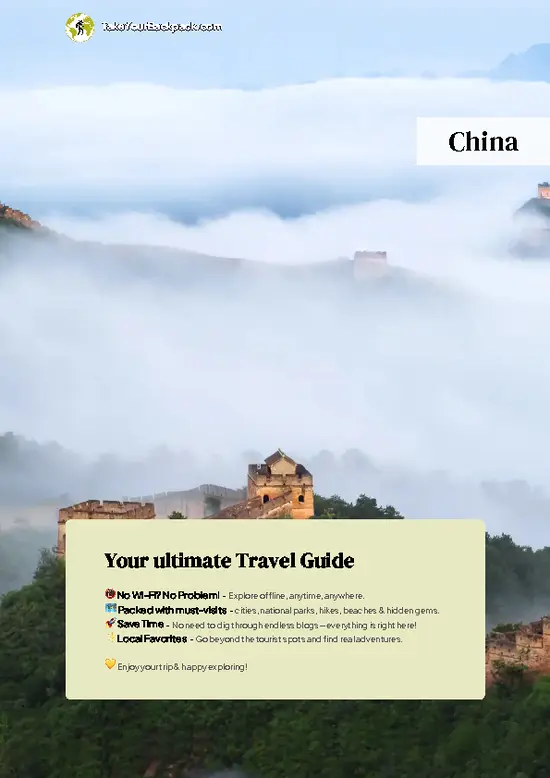
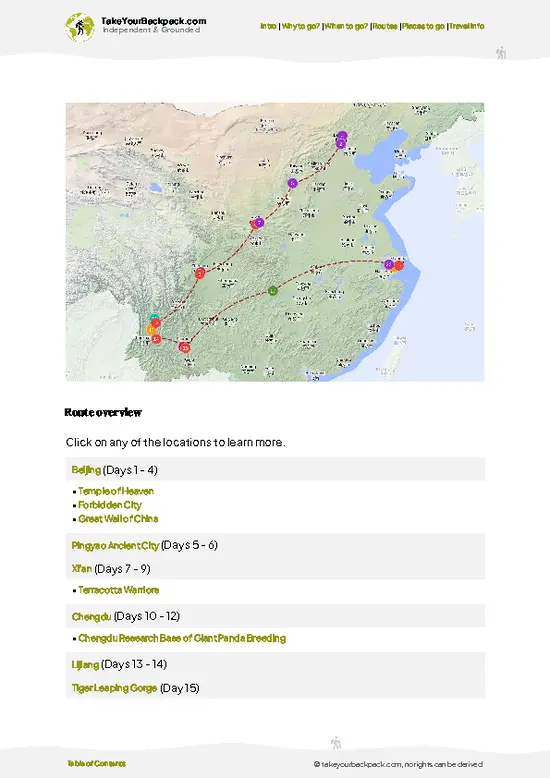
example page 0 from our offline Travel Guide for China
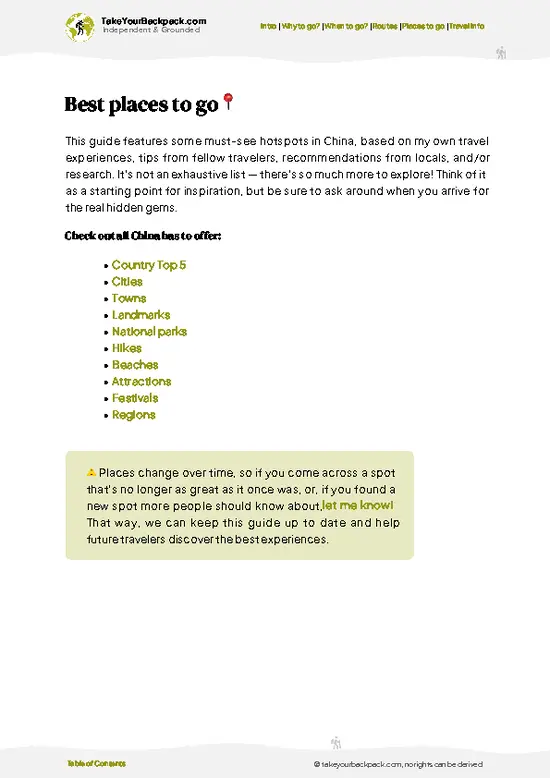
example page 1 from our offline Travel Guide for China
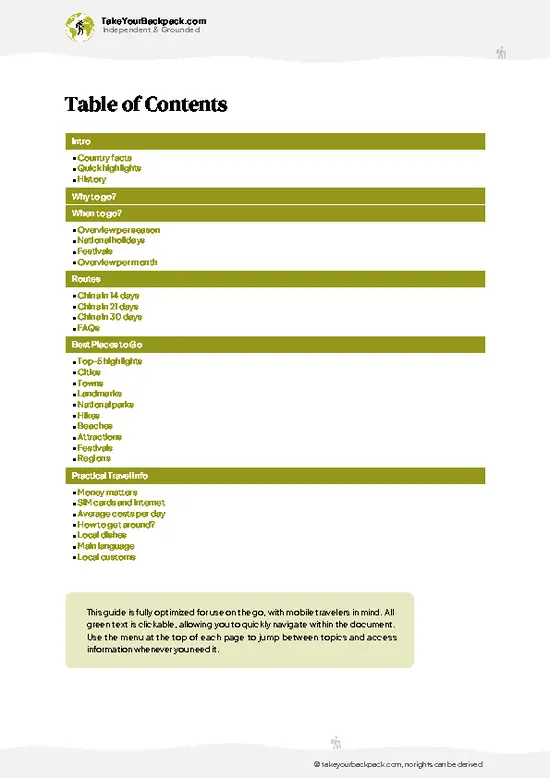
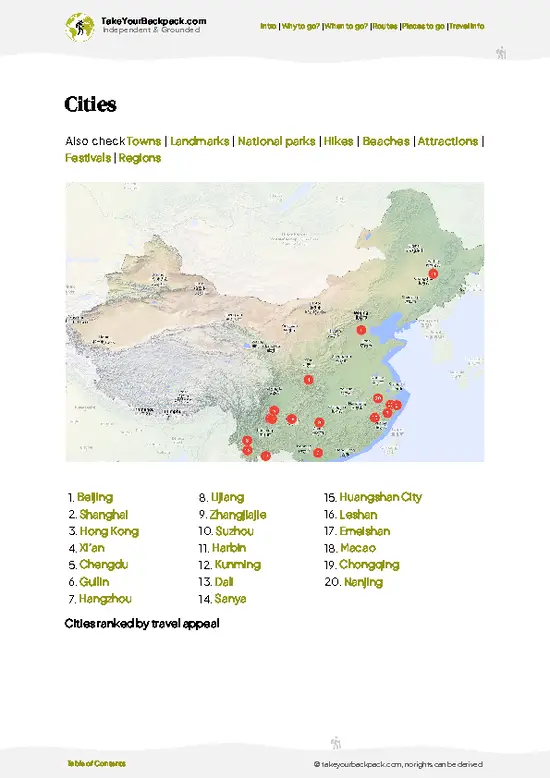
example page 2 from our offline Travel Guide for China
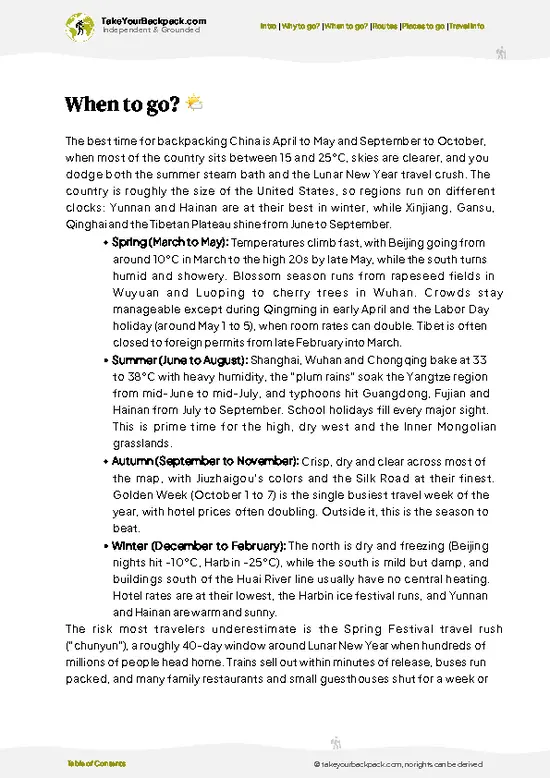
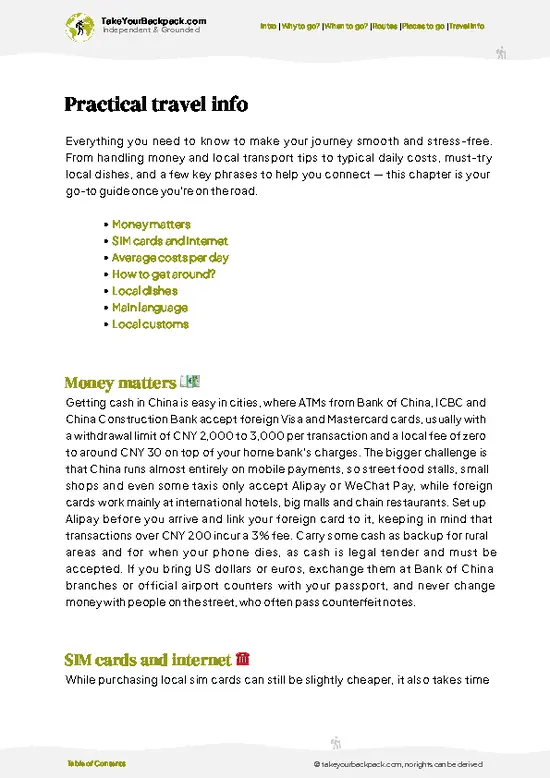
example page 3 from our offline Travel Guide for China
example page 4 from our offline Travel Guide for China
example page 5 from our offline Travel Guide for China
example page 6 from our offline Travel Guide for China
example page 7 from our offline Travel Guide for China
Loading the map 🌍
CLICK TO FILTER
cities
towns
landmarks
national parks
hikes
beaches
attractions
festivals
regions
SHOW COUNTRY’S BESTSHOW ALL

✨ Why go?
Ranked #18 attraction in China
What makes it a must-see attraction

The China Art Museum isn’t just another shiny building crowding Shanghai’s skyline—it’s a heavyweight in the art world and a cultural checkpoint you can’t skip. Sure, it draws crowds, and yes, the entrance fee isn’t dirt cheap, but the payoff is real. This place houses revolutionary Chinese art that tells stories you won’t find in guidebooks or Instagram posts. It’s a deep dive into China’s modern identity, blending history, politics, and raw creativity. For backpackers threading through China’s vast cultural landscape, it’s a milestone that rewards patience with a powerful, eye-opening experience that’s more than just a photo op.

💡 HighlightsTop highlights of China Art Museum

The China Pavilion Building Itself
Let’s get real: you’ve seen this red behemoth on a thousand social feeds, but no photo does justice to its sheer scale. The inverted pyramid design is a modern punch in the face to the city’s skyline—bold, unapologetic, and impossible to ignore. It’s not just a backdrop for selfies; it’s a statement about China’s place in the art world, and walking beneath those massive eaves feels like stepping into a sci-fi set.


The Multimedia “Riverside Scene at Qingming Festival”
Forget static paintings behind glass—this digital installation is a full-blown sensory ambush. The famous Song Dynasty scroll comes alive with moving figures, shifting light, and ambient sound. It’s immersive, theatrical, and frankly, more entertaining than most blockbuster movies. This is the … read more 👉
The China Pavilion Building Itself
Let’s get real: you’ve seen this red behemoth on a thousand social feeds, but no photo does justice to its sheer scale. The inverted pyramid design is a modern punch in the face to the city’s skyline—bold, unapologetic, and impossible to ignore. It’s not just a backdrop for selfies; it’s a statement about China’s place in the art world, and walking beneath those massive eaves feels like stepping into a sci-fi set.


The Multimedia “Riverside Scene at Qingming Festival”
Forget static paintings behind glass—this digital installation is a full-blown sensory ambush. The famous Song Dynasty scroll comes alive with moving figures, shifting light, and ambient sound. It’s immersive, theatrical, and frankly, more entertaining than most blockbuster movies. This is the museum’s crowd-pleaser, and for good reason.


20th Century Chinese Masters Gallery
Here’s where the hype drops and the real magic starts. You’ll find works by Xu Beihong, Lin Fengmian, and other heavyweights who shaped modern Chinese art. These aren’t dusty relics—they’re raw, emotional, and sometimes politically charged. If you want to understand China’s artistic soul, this is the room that delivers.


Contemporary Art Exhibitions
Rotating shows mean you might stumble into anything from avant-garde installations to wild video art. Some pieces are weird, some are wonderful, but all are proof that China’s art scene isn’t stuck in the past. This unpredictability is what keeps me coming back—my personal favorite, hands down.


The Rooftop Views
Most visitors miss this, distracted by the galleries. But step outside and you’ll get a sweeping view of the Huangpu River and the city’s relentless sprawl. It’s a rare moment of calm above the crowds, and a reminder that art isn’t just inside the walls.
Spotted a mistake or missing something? Contact us.

Things to do near China Art Museum

Ratings based on Tripadvisor reviews. When you book through this link, you support our work at no extra cost to you.

🌤️ When to go?Choosing the right time of year

  • Weather: Shanghai’s climate means summers (June to August) are hot and humid, often hitting 30-35°C (86-95°F), which can make museum visits sweaty and uncomfortable. Spring (April-May) and autumn (September-October) offer mild, pleasant weather perfect for wandering.
  • Temperature: Winters (December-February) are chilly, around 3-8°C (37-46°F), but the museum is indoors, so cold outside doesn’t ruin the experience.
  • Daylight Hours: Longer days in spring and summer give you more time to explore Shanghai’s art scene before and after the museum visit.
  • Crowds: Expect heavy crowds on weekends and public holidays year-round. Weekdays in shoulder seasons (April-May, September-October) are your best bet for a quieter visit.
  • Seasonal Activities: The museum occasionally hosts special exhibitions
… read more 👉
  • Weather: Shanghai’s climate means summers (June to August) are hot and humid, often hitting 30-35°C (86-95°F), which can make museum visits sweaty and uncomfortable. Spring (April-May) and autumn (September-October) offer mild, pleasant weather perfect for wandering.
  • Temperature: Winters (December-February) are chilly, around 3-8°C (37-46°F), but the museum is indoors, so cold outside doesn’t ruin the experience.
  • Daylight Hours: Longer days in spring and summer give you more time to explore Shanghai’s art scene before and after the museum visit.
  • Crowds: Expect heavy crowds on weekends and public holidays year-round. Weekdays in shoulder seasons (April-May, September-October) are your best bet for a quieter visit.
  • Seasonal Activities: The museum occasionally hosts special exhibitions in spring and autumn, adding value beyond the permanent collection.
  • Price Fluctuations: Entry fees are stable, but accommodation and flights spike during Chinese New Year (January/February) and National Day (early October), so plan accordingly.
Pro-tip: Aim for a weekday visit in late April or early October—weather’s kind, crowds thin, and you’ll catch any fresh exhibits without sweating through your shirt.


source: climatestotravel.comJANJanuary: fair for travelingFEBFebruary: fair for travelingMARMarch: good for travelingAPRApril: excellent for travelingMAYMay: excellent for travelingJUNJune: good for travelingJULJuly: fair for travelingAUGAugust: fair for travelingSEPSeptember: excellent for travelingOCTOctober: excellent for travelingNOVNovember: good for travelingDECDecember: good for traveling
when-to-go

✈️ The backpacker research shortcutChina Travel Guide

An offline-friendly backpacking guide with optimized travel routes, ranked highlights, transport advice, and the best areas to stay.
example page 0 from our offline Travel Guide for China
example page 1 from our offline Travel Guide for China
example page 2 from our offline Travel Guide for China
example page 3 from our offline Travel Guide for China
example page 4 from our offline Travel Guide for China
example page 5 from our offline Travel Guide for China
example page 6 from our offline Travel Guide for China
example page 7 from our offline Travel Guide for China
The digital guide (436 pages) contains:
✅ 121 highlights, ranked by travel appeal
✅ Optimized 14, 21 & 30-day travel routes
✅ Cities, national parks, landmarks, beaches
✅ How to get around
✅ Offline-friendly for travel without Wi-Fi
👉 Click to see all 30+ guide features

📅 Plan smarter in minutes, not weeks
✅ Month by month travel advice
✅ Festivals & national holidays
✅ Budget expectations

🗺️ Go to the right places, skip the overrated ones
✅ Honest pros & cons of destinations
✅ Top hikes, parks & viewpoints
✅ Lesser-known places most travelers miss
✅ Clear “worth it vs skip it” guidance

🛏️ Travel smoothly without rookie mistakes
✅ Best areas to stay
✅ Transport systems explained simply
✅ Common scams & safety advice
✅ SIM cards, money & practical tips

🌍 Understand the country, not just visit it
✅ Culture & traditions
✅ 52 Essential phrases & customs
✅ Festivals worth planning around
✅ Traveler-friendly historical context
✅ Insights that make places more meaningful

📱 Built for real travel conditions
✅ Fully downloadable PDF
✅ Works completely offline
✅ Optimized for phone use
✅ Useful in remote areas & buses
✅ Everything in one place
Stop searching, start planning
Get instant access to your full guide. 30‑day money-back guarantee.
+ Add another guide for just

By proceeding you agree to our terms.
Sent to your inbox immediately after payment • 100% Secure Checkout
Best Backpacking Travel Advisor 2025 tourism awardBest Backpacking
Travel Advisor
2025
What others say about Take Your Backpack Guides:
⭐⭐⭐⭐⭐
Fantastic, amazing amount of information!
⭐⭐⭐⭐⭐
My goodness this is amazing, it's what I've been looking for hats off too you!
⭐⭐⭐⭐⭐
I think this is absolutely BRILLIANT
⭐⭐⭐⭐
Very complete and informative. It's still missing places, but I gotta to commend you
⭐⭐⭐⭐⭐
This is truly amazing, thank you, can't wait to explore it with my kids!
⭐⭐⭐⭐⭐
Awesome resource, thank you!
⭐⭐⭐⭐⭐
This is amazing! Can't wait to explore the ones I haven't seen
⭐⭐⭐⭐
I love this! Well done, great idea.
⭐⭐⭐⭐⭐
Thanks for taking the time to make this gem!
⭐⭐⭐⭐⭐
This might be the best website I've ever seen.
⭐⭐⭐⭐⭐
Congratulations, and thank you so much for your work; it's incredibly valuable.
⭐⭐⭐⭐
In all seriousness I think you did a great job pointing out the important spots
⭐⭐⭐⭐⭐
10/10 very good
⭐⭐⭐⭐⭐
As someone who's only just starting to visit regularly this is awesome, thank you.
⭐⭐⭐⭐
Thank you very much! I'm going to visit my dad, it's going to be very useful!
⭐⭐⭐⭐⭐
This is really cool! We'll be travelling for the first time and this definitely come in handy.
⭐⭐⭐⭐⭐
You are now our minister of culture, congratulations 👨‍💼
⭐⭐⭐⭐⭐
Just wanted to tell you that this is a pearl! Going to follow your recommendations.
⭐⭐⭐⭐⭐
This is so cool. I'll definitely be using the resource for my travels soon.
⭐⭐⭐⭐⭐
This is very impressive! Good work.
⭐⭐⭐⭐⭐
This is an amazing and informative site. Very well done!

🛏️ Where to stay?Best areas and accommodation options

Forget the glossy brochures selling the China Art Museum as a serene cultural escape. It’s a magnet for weekend crowds and school groups, especially on weekends and holidays. If you want to dodge the tourist stampede but still be close enough to soak in the art without a marathon commute, look beyond the museum’s immediate waterfront zone. The Pudong district, particularly around Lujiazui, offers a safer, more vibrant backpacker scene with plenty of budget guesthouses and hostels. It’s where solo travelers mingle, and you can find affordable eats and nightlife without feeling like you’re trapped … read more 👉
Forget the glossy brochures selling the China Art Museum as a serene cultural escape. It’s a magnet for weekend crowds and school groups, especially on weekends and holidays. If you want to dodge the tourist stampede but still be close enough to soak in the art without a marathon commute, look beyond the museum’s immediate waterfront zone. The Pudong district, particularly around Lujiazui, offers a safer, more vibrant backpacker scene with plenty of budget guesthouses and hostels. It’s where solo travelers mingle, and you can find affordable eats and nightlife without feeling like you’re trapped in a tourist bubble. Plus, the metro links are solid, so you’re never far from the museum or the city’s pulse.

👛 Costs (as of 15 October 2026)Money, prices, and spending tips

General admission to the permanent exhibitions at the China Art Museum is free. Special exhibitions may require an additional fee of approximately €3 to €6. It's advisable to check the museum's official website for the most current information on exhibition schedules and associated costs.
⚠️ Prices can change and everyone travels differently, so take this as a rough guide. Hope it helps you plan your adventure!

FAQFrequently asked questions about China Art Museum

2 to 3 hours is sufficient to visit the China Art Museum to see the main exhibits and temporary collections. The museum is large, so more time may be needed if you want to explore in depth or attend special exhibitions. Plan accordingly to avoid rushing.
Yes, the China Art Museum is worth the entrance fee, which is generally around 30 RMB. It offers a comprehensive collection of modern Chinese art and unique architecture, making it a valuable cultural experience in Shanghai. The quality and scale of exhibits justify the cost.
Take Shanghai Metro Line 8 to China Art Museum Station for the most direct access. The museum is located in Pudong, near the Expo Park, and is well-signposted from the metro exit. Taxis and buses are also convenient options depending on your starting point.
⚠️ Things can change over time, so always validate details locally before you go.

Other Chinese attractions near China Art Museum

Explore more nearby:


💡 Not sure where to go next?
Create a personalized itinerary for China including China Art Museum and the places that fit your trip.

Generate my itinerary

👉 Discover all attractions

Or checkout all China has to offer (think cities, towns, villages, national parks, hikes, beaches, festivals)
Country photo of China

We 💚 feedbackWhat to keep in mind

The China Art Museum can feel overwhelming with crowds and a hefty entrance fee, but the sheer scale of contemporary Chinese art on display is unlike anywhere else. If you crave a deep dive into China’s modern cultural pulse beyond the usual tourist stops, this place delivers a raw, unfiltered look that’s worth the hassle.

✈️ When did I visit China?
As part of my 1.5 year travel around the world trip, I visited China in August 2015, coming from Mongolia by the TransMongolia Express.

✍️ Help improve this page!
The information on this page is based on my own backpacking experience in China, supplemented with up-to-date research and feedback from other travelers. Travel details can change, so if you notice anything outdated or incomplete, feel free to let me know.


🙋‍♂️ Give feedback

👋 Meet the founderWho’s Behind Take Your Backpack?

Johan, backpacker and founder of TakeYourBackpackHi, I’m Johan (Netherlands 🇳🇱), the creator of TakeYourBackpack. Over the past 3 decades, I’ve backpacked through 90+ countries across six continents, gaining extensive experience with independent travel, long-term trips, and overland routes.

This site is built on a combination of firsthand travel experience and carefully curated insights from other backpackers. Many guides are based on places I’ve personally visited, while others bring together tips, observations, and practical advice shared by trusted travelers I’ve met along the way.

The goal is to provide realistic, experience-driven guidance — not generic itineraries — so you can explore destinations with better context, clearer expectations, and more confidence.