×
Shanghai Museum

China🇨🇳 | attractionsShanghai Museumancient ceramics, calligraphy, bronze galleries | things to do and best time to go

Explore National Museum of ChinaExplore Shanghai Disneyland

Backpacking in Shanghai Museum
🏆 Top pickattraction ranked #4
By Johan Kruseman 🇳🇱 | Updated September 4, 2026

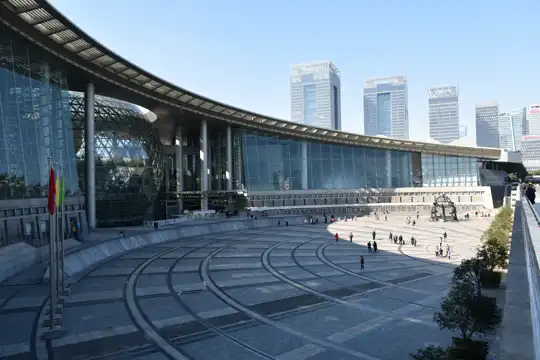
Forget the Instagram myth: the Shanghai Museum is not some sleepy, empty hall where you’ll have ancient bronzes all to yourself. It’s a magnet for school groups, art students, and—yes—tourists wielding selfie sticks. You’ll find it smack in the heart of People’s Square, Shanghai’s pulsing downtown, right where the city’s modern chaos meets its deep, layered history. For backpackers, the Shanghai Museum is a double-edged sword. On one hand, it’s free (yes, really), air-conditioned, and packed with some of the most jaw-dropping artifacts in China—think thousand-year-old ceramics, calligraphy that makes you want to learn Mandarin, and enough jade to make you question your life choices at the souvenir market. On the other, the crowds can be relentless, and the security lines are a buzzkill. But here’s the real magic: if you time it right, you’ll catch locals sketching in the galleries, grandparents explaining dynasties to grandkids, and a sense of pride that’s impossible to fake. Compared to the Great Wall or the Terracotta Army, the Shanghai Museum is less about spectacle and more about soul.

Discover everything you want to know in the 📖 China Travel Guide.


Get your China guide
130 ranked highlights, routes & tips, works offline (463 pages)
Loading the map 🌍
CLICK TO FILTER
cities
towns
landmarks
national parks
hikes
beaches
attractions
festivals
regions
SHOW COUNTRY’S BESTSHOW ALL

✨ Why go?
Ranked #4 attraction in China
Why visitors keep coming back

The Shanghai Museum isn’t some flashy Instagram backdrop where you snap a quick selfie and move on. It’s a heavyweight in China’s cultural ring, a place where the country’s history punches through the polished glass cases and hits you with real weight. Sure, it’s popular—expect crowds, especially on weekends—but that’s because it’s packed with authentic artifacts that tell the story of China’s millennia-old civilization in a way no tourist trap can match. You’re not just looking at old pottery or jade; you’re tracing the evolution of a culture that shaped the world, from ancient bronzes to calligraphy that still influences modern art.

Backpackers who carve out time here aren’t wasting a minute. The museum’s location in People’s Square makes it a natural pit stop on any China route, bridging … read more 👉
The Shanghai Museum isn’t some flashy Instagram backdrop where you snap a quick selfie and move on. It’s a heavyweight in China’s cultural ring, a place where the country’s history punches through the polished glass cases and hits you with real weight. Sure, it’s popular—expect crowds, especially on weekends—but that’s because it’s packed with authentic artifacts that tell the story of China’s millennia-old civilization in a way no tourist trap can match. You’re not just looking at old pottery or jade; you’re tracing the evolution of a culture that shaped the world, from ancient bronzes to calligraphy that still influences modern art.

Backpackers who carve out time here aren’t wasting a minute. The museum’s location in People’s Square makes it a natural pit stop on any China route, bridging the gap between the ultra-modern skyline and the deep-rooted traditions that built it. The entry is free, which means the effort-to-reward ratio is off the charts—you get a full dose of cultural immersion without draining your wallet. If you want to understand China beyond the surface, this is your milestone. It’s not just a museum; it’s a gateway into the soul of a civilization that refuses to be reduced to clichés or tourist fluff.
Want to include Shanghai Museum in your China route?
Create a personalized China itinerary that includes Shanghai Museum and the places that fit your trip — based on your travel style, budget, and available time. Get your route in seconds.

Generate my trip

💡 HighlightsThe experiences that define the visit

Ancient Chinese Bronze Gallery
Forget the Instagram shots of the museum’s exterior—inside, this gallery is where the real flex happens. You’re staring down artifacts that predate the Roman Empire by a millennium. The bronzes here aren’t just old; they’re the backbone of Chinese civilization, from ritual wine vessels to battle gear. The craftsmanship is so precise, you’ll wonder if aliens had a hand in it. If you want to understand why Chinese history is measured in dynasties, not decades, this is your crash course.


Jade Gallery
Jade isn’t just a pretty stone in China—it’s a cultural obsession. This gallery is a parade of status symbols, burial treasures, and objects that emperors literally took to the grave. Some pieces are so finely carved you’ll squint to see the details. The best part? … read more 👉
Ancient Chinese Bronze Gallery
Forget the Instagram shots of the museum’s exterior—inside, this gallery is where the real flex happens. You’re staring down artifacts that predate the Roman Empire by a millennium. The bronzes here aren’t just old; they’re the backbone of Chinese civilization, from ritual wine vessels to battle gear. The craftsmanship is so precise, you’ll wonder if aliens had a hand in it. If you want to understand why Chinese history is measured in dynasties, not decades, this is your crash course.


Jade Gallery
Jade isn’t just a pretty stone in China—it’s a cultural obsession. This gallery is a parade of status symbols, burial treasures, and objects that emperors literally took to the grave. Some pieces are so finely carved you’ll squint to see the details. The best part? You can trace the evolution from Neolithic axes to Qing dynasty snuff bottles, all in one room. It’s a masterclass in how a single material can shape a civilization’s identity.


Chinese Painting Gallery
Here’s where the crowds thin out and the magic sneaks up on you. These scrolls aren’t just art—they’re windows into the minds of poets, monks, and rebels. You’ll see landscapes that look like they were painted with clouds, and calligraphy that feels more like jazz than handwriting. The gallery rotates its collection, so you might catch a Song dynasty masterpiece or a wild, modern ink splash. Either way, this is where you feel the pulse of Chinese creativity.


Chinese Calligraphy Gallery
This isn’t just handwriting—it’s performance art, philosophy, and ego all rolled into one. The brushwork here is so expressive you can almost hear the artist’s heartbeat. Some pieces are bold and brash; others are so delicate they look like they’d blow away if you sneezed. If you’ve ever wondered why calligraphy competitions are a thing in China, this room will answer it in a single glance.


Minority Nationalities Art Gallery
Personal favorite. Skip the predictable dynastic bling and head here for a jolt of color and surprise. This gallery is a wild ride through the folk art, costumes, and crafts of China’s 50+ ethnic minorities. It’s loud, it’s proud, and it’s a reminder that China is more than emperors and porcelain. The embroidery alone is worth the detour—think psychedelic patterns that would make a fashion designer jealous.


Ancient Ceramics Gallery
Yes, there are vases. But this isn’t your grandma’s china cabinet. The ceramics here chart the rise and fall of dynasties, the invention of porcelain, and the global trade routes that made “China” a household word. Some pieces are so thin they’re almost translucent; others are chunky, earthy, and unapologetically practical. It’s a tactile history lesson—if only they’d let you touch.
Spotted a mistake or missing something? Contact us.

Things to do around Shanghai Museum

Ratings based on Tripadvisor reviews. When you book through this link, you support our work at no extra cost to you.

🌤️ When to go?Seasonal considerations and timing


  • Weather: Shanghai’s weather swings from sticky summers to chilly winters. The best window is spring (April to May) and autumn (September to October) when temperatures hover between 15-22°C (59-72°F). You avoid the oppressive heat and humidity of July and August, which can make museum visits miserable.

  • Temperature: Winters (December to February) can dip to 2-8°C (36-46°F), making outdoor strolls less appealing, though the museum itself is climate-controlled. Summers soar above 30°C (86°F), so indoor spots like the museum offer a cool escape.

  • Daylight Hours: Longer days from May to August mean more time to explore Shanghai’s outdoor scenes before or after your museum visit. Shorter daylight in winter (around 10 hours) limits your sightseeing window but doesn’t affect museum hours much.
read more 👉

  • Weather: Shanghai’s weather swings from sticky summers to chilly winters. The best window is spring (April to May) and autumn (September to October) when temperatures hover between 15-22°C (59-72°F). You avoid the oppressive heat and humidity of July and August, which can make museum visits miserable.

  • Temperature: Winters (December to February) can dip to 2-8°C (36-46°F), making outdoor strolls less appealing, though the museum itself is climate-controlled. Summers soar above 30°C (86°F), so indoor spots like the museum offer a cool escape.

  • Daylight Hours: Longer days from May to August mean more time to explore Shanghai’s outdoor scenes before or after your museum visit. Shorter daylight in winter (around 10 hours) limits your sightseeing window but doesn’t affect museum hours much.

  • Crowds: The museum is a magnet for tourists and locals alike, especially on weekends and public holidays. Avoid May Day (early May) and National Day (first week of October) when crowds swell. Weekdays in spring or autumn are your best bet for a quieter experience.

  • Seasonal Activities: The museum itself doesn’t change much seasonally, but nearby parks and the Bund come alive in spring and autumn, making your whole day richer. Winter festivals in Shanghai don’t impact the museum but add city charm if you time it right.

  • Price Fluctuations: Entry fees are stable year-round, but travel costs spike during Chinese holidays. Booking outside these peak times saves you on flights and accommodation, making your museum trip more budget-friendly.


Pro-tip: Hit the Shanghai Museum midweek in late April or early October—cool weather, manageable crowds, and you’ll soak in the city’s vibe without the tourist stampede.


source: climatestotravel.comJANJanuary: good for travelingFEBFebruary: good for travelingMARMarch: highly recommended for travelingAPRApril: excellent for travelingMAYMay: highly recommended for travelingJUNJune: good for travelingJULJuly: fair for travelingAUGAugust: fair for travelingSEPSeptember: excellent for travelingOCTOctober: highly recommended for travelingNOVNovember: highly recommended for travelingDECDecember: good for traveling
China - Shanghai Museum

✈️ The backpacker research shortcutChina Travel Guide

An offline-friendly backpacking guide with optimized travel routes, ranked highlights, transport advice, and the best areas to stay.
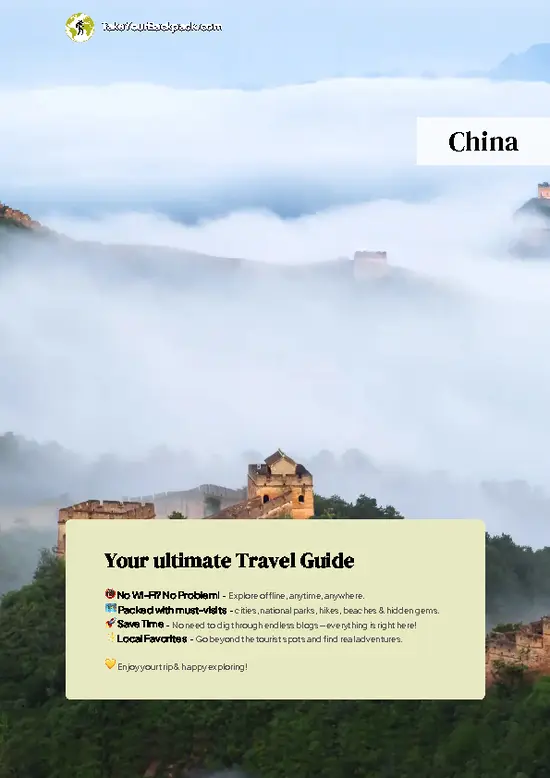
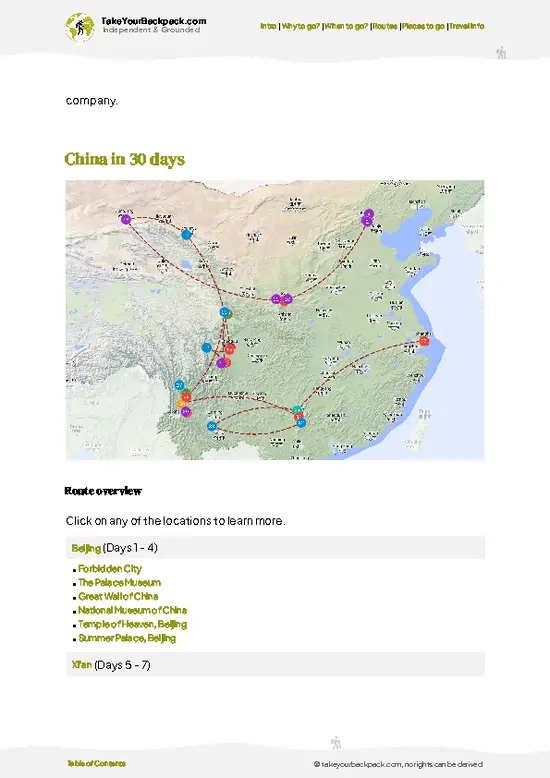
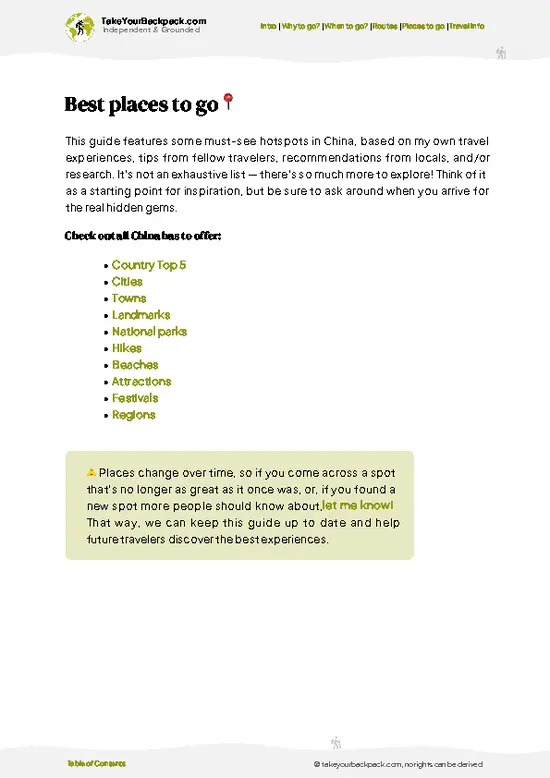
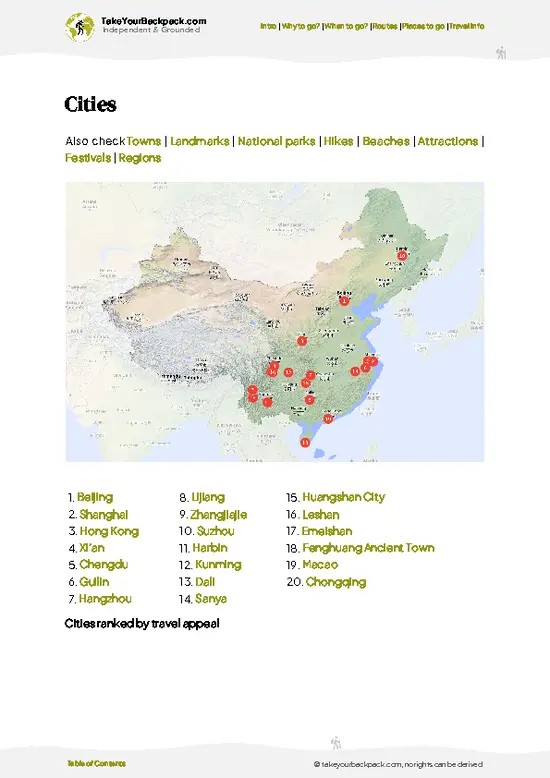
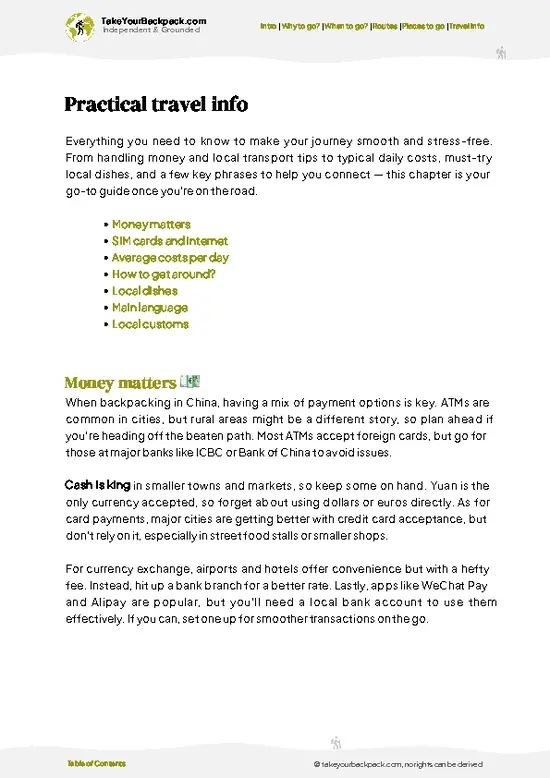
example page 0 from our offline Travel Guide for China
example page 1 from our offline Travel Guide for China
example page 2 from our offline Travel Guide for China
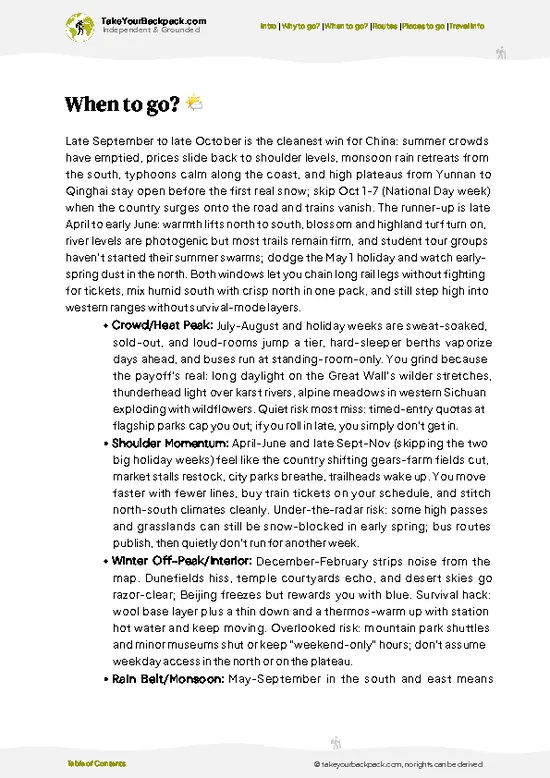
example page 3 from our offline Travel Guide for China
example page 4 from our offline Travel Guide for China
example page 5 from our offline Travel Guide for China
example page 6 from our offline Travel Guide for China
example page 7 from our offline Travel Guide for China
The digital guide (463 pages) contains:
130 highlights, ranked by travel appeal
Optimized 14, 21 & 30-day travel routes
Cities, national parks, landmarks, beaches
How to get around
Offline-friendly for travel without Wi-Fi
👉 Click to see all 30+ guide features

📅 Plan smarter in minutes, not weeks
Month by month travel advice
Festivals & national holidays
Budget expectations

🗺️ Go to the right places, skip the overrated ones
Honest pros & cons of destinations
Top hikes, parks & viewpoints
Lesser-known places most travelers miss
Clear “worth it vs skip it” guidance

🛏️ Travel smoothly without rookie mistakes
Best areas to stay
Transport systems explained simply
Common scams & safety advice
SIM cards, money & practical tips

🌍 Understand the country, not just visit it
Culture & traditions
52 Essential phrases & customs
Festivals worth planning around
Traveler-friendly historical context
Insights that make places more meaningful

📱 Built for real travel conditions
Fully downloadable PDF
Works completely offline
Optimized for phone use
Useful in remote areas & buses
Everything in one place
Save weeks of stressful planning
Get instant access to your full guide. 30‑day money-back guarantee.
+ Add another guide for just €6.50

By proceeding you agree to our terms.
Sent to your inbox immediately after payment • 100% Secure Checkout
Best Backpacking Travel Advisor 2025 tourism awardBest Backpacking
Travel Advisor
2025
What others say about Take Your Backpack Guides:
⭐⭐⭐⭐⭐
Fantastic, amazing amount of information!
⭐⭐⭐⭐⭐
My goodness this is amazing, it's what I've been looking for hats off too you!
⭐⭐⭐⭐⭐
I think this is absolutely BRILLIANT
⭐⭐⭐⭐
Very complete and informative. It's still missing places, but I gotta to commend you
⭐⭐⭐⭐⭐
This is truly amazing, thank you, can't wait to explore it with my kids!
⭐⭐⭐⭐⭐
Awesome resource, thank you!
⭐⭐⭐⭐⭐
This is amazing! Can't wait to explore the ones I haven't seen
⭐⭐⭐⭐
I love this! Well done, great idea.
⭐⭐⭐⭐⭐
Thanks for taking the time to make this gem!
⭐⭐⭐⭐⭐
This might be the best website I've ever seen.
⭐⭐⭐⭐⭐
Congratulations, and thank you so much for your work; it's incredibly valuable.
⭐⭐⭐⭐
In all seriousness I think you did a great job pointing out the important spots
⭐⭐⭐⭐⭐
10/10 very good
⭐⭐⭐⭐⭐
As someone who's only just starting to visit regularly this is awesome, thank you.
⭐⭐⭐⭐
Thank you very much! I'm going to visit my dad, it's going to be very useful!
⭐⭐⭐⭐⭐
This is really cool! We'll be travelling for the first time and this definitely come in handy.
⭐⭐⭐⭐⭐
You are now our minister of culture, congratulations 👨‍💼
⭐⭐⭐⭐⭐
Just wanted to tell you that this is a pearl! Going to follow your recommendations.
⭐⭐⭐⭐⭐
This is so cool. I'll definitely be using the resource for my travels soon.
⭐⭐⭐⭐⭐
This is very impressive! Good work.
⭐⭐⭐⭐⭐
This is an amazing and informative site. Very well done!

🛏️ Where to stay?How to pick the right area

Shanghai Museum sits smack in the middle of People’s Square, which means you’re in the thick of the city’s pulse—but don’t expect a quiet retreat. This area is a magnet for tourists and locals alike, so it’s busy, noisy, and packed during peak hours. If you’re chasing that Instagram-perfect moment, brace yourself for crowds and selfie sticks. The price tags around here reflect the prime location, so budget travelers need to be strategic.

That said, the real win is staying in the neighborhoods just a few blocks out—like Jing’an or the northern edges of Huangpu District. These spots offer a safer, … read more 👉
Shanghai Museum sits smack in the middle of People’s Square, which means you’re in the thick of the city’s pulse—but don’t expect a quiet retreat. This area is a magnet for tourists and locals alike, so it’s busy, noisy, and packed during peak hours. If you’re chasing that Instagram-perfect moment, brace yourself for crowds and selfie sticks. The price tags around here reflect the prime location, so budget travelers need to be strategic.

That said, the real win is staying in the neighborhoods just a few blocks out—like Jing’an or the northern edges of Huangpu District. These spots offer a safer, more relaxed vibe without sacrificing access. You’ll find plenty of guesthouses and hostels where solo backpackers gather, making it easy to swap stories over cheap street food or a local beer. The streets here pulse with life after dark, but in a way that feels authentic, not touristy. Plus, public transport is a breeze, so you can hit the museum early or dive into Shanghai’s sprawling urban jungle without hassle.

If you want to soak in the city’s character beyond the polished museum halls, these neighborhoods are your launchpad. They’re where the real Shanghai hums—gritty, vibrant, and surprisingly welcoming.

👛 Costs (as of 4 September 2026)How expensive it really is

As of the latest information, the Shanghai Museum offers free admission to all visitors. However, optional services such as audio guides and guided tours are available for an additional fee. Audio guide devices for the museum's permanent collection are available in Chinese, English, French, Japanese, German, Korean, Spanish, and Italian. Rental fees are as follows:

- Adult version: RMB 20 per set
- Parent-child version: RMB 20 per set
- Children's version: RMB 10 per set

For foreign language versions, the rental fee is RMB 40 per set, with a deposit of RMB 400 or USD 50. Guided tours are also available, with service fees starting at RMB 300. ([shanghaimuseum.net](https://www.shanghaimuseum.net/mu/frontend/pg/en/service/visit-west?utm_source=openai))

source: shanghaimuseum.net
⚠️ Prices can change and everyone travels differently, so take this as a rough guide. Hope it helps you plan your adventure!

FAQTraveler FAQ

2 to 3 hours is sufficient to visit Shanghai Museum and see its main exhibits. The museum has extensive collections, so more time is needed if you want to explore in depth. Plan accordingly if you want to focus on specific sections like ancient ceramics or calligraphy.
Yes, Shanghai Museum is worth the entrance fee because it offers a comprehensive view of Chinese art and history with high-quality exhibits. The entrance is free, but you need to reserve tickets in advance, which adds value by managing crowd sizes and ensuring a good experience.
Take Shanghai Metro Line 1 or Line 2 to People's Square Station; the museum is a short walk from there. It is centrally located in People's Square, making it easily accessible by public transport and close to other attractions.
⚠️ Things can change over time, so always validate details locally before you go.

Other Chinese attractions near Shanghai Museum

Explore more nearby:


💡 Not sure where to go next?
Create a personalized itinerary for China including Shanghai Museum and the places that fit your trip.

Generate my itinerary

👉 Discover all attractions

Or checkout all China has to offer (think cities, towns, villages, national parks, hikes, beaches, festivals)
Country photo of China

We 💚 feedbackIs it worth it?

Shanghai Museum is a heavyweight for anyone who digs history and art—its jade, ceramics, and calligraphy collections hit with a depth that’s rare outside China. But heads up: it gets packed, especially on weekends, and the crowds can sap the vibe if you’re craving quiet reflection. Still, if you time it right, this place offers a raw, unfiltered look at China’s cultural backbone that no flashy tourist spot can match.

✈️ When did I visit China?
As part of my 1.5 year travel around the world trip, I visited China in August 2015, coming from Mongolia by the TransMongolia Express.

✍️ Help improve this page!
The information on this page is based on my own backpacking experience in China, supplemented with up-to-date research and feedback from other travelers. Travel details can change, so if you notice anything outdated or incomplete, feel free to let me know.


🙋‍♂️ Give feedback

👋 Meet the founderWho’s Behind Take Your Backpack?

Johan, backpacker and founder of TakeYourBackpackHi, I’m Johan (Netherlands 🇳🇱), the creator of TakeYourBackpack. Over the past decade, I’ve backpacked through 80+ countries across six continents, gaining extensive experience with independent travel, long-term trips, and overland routes.

This site is built on a combination of firsthand travel experience and carefully curated insights from other backpackers. Many guides are based on places I’ve personally visited, while others bring together tips, observations, and practical advice shared by trusted travelers I’ve met along the way.

The goal is to provide realistic, experience-driven guidance — not generic itineraries — so you can explore destinations with better context, clearer expectations, and more confidence.

Get full China guide •
Instant download • 130 highlights • Full Offline guide