×

China🇨🇳 | citiesDunhuangMogao caves, sand dunes, Buddhist art | things to do and best time to go

Explore JiayuguanExplore Leshan

Backpacking in Dunhuang
🌟 Highlightcity ranked #15
By Johan Kruseman 🇳🇱 | Updated June 13, 2026

Everyone comes to Dunhuang for the Mogao Caves, but the real game is how you trade time, money, and comfort around them: sunrise dunes, desert nights, and long, dusty transfers that either drain you or make the trip. Sitting on the western edge of Gansu, on the old Silk Road, Dunhuang is compact, safe, and easy to navigate, but not exactly buzzing with backpacker nightlife or hostels. It’s pricier than Lanzhou, calmer than Zhangye, and social life skews toward small guesthouse courtyards, night markets, and stargazing rather than bars or clubs.

Discover everything you want to know in the 📖 China Travel Guide.


Get your China guide
139 ranked highlights, routes & tips, works offline (496 pages)
Loading the map 🌍
CLICK TO FILTER
cities
towns
landmarks
national parks
hikes
beaches
attractions
festivals
regions
SHOW COUNTRY’S BESTSHOW ALL

✨ Why go?
Ranked #15 city in China
What makes this city worth visiting

Dunhuang is a strategic basecamp for backpackers exploring the Silk Road. It offers a unique blend of affordable hostels and delicious local food, making it easy to recharge after a day of adventure. The city is walkable, allowing you to soak in its atmosphere without the hassle of transport. While the nightlife is low-key, it’s perfect for unwinding with fellow travelers. Plus, its location means easy onward travel to other destinations. If you’re after a mix of culture and convenience, Dunhuang is more than just a stop; it’s a vital piece of your journey.
Want to include Dunhuang in your China route?
Create a personalized China itinerary that includes Dunhuang and the places that fit your trip — based on your travel style, budget, and available time. Get your route in seconds.

Generate my trip

💡 HighlightsWhat this place is best known for

  1. Mogao Caves (Mogao Grottoes) — The heavyweight of Dunhuang: hundreds of Buddhist caves filled with murals and sculptures spanning a millennium, with original frescoes, painted ceilings and the famous Library Cave finds; the guided tours through select caves make the art come alive.
  2. Crescent Lake (Yueyaquan) & Mingsha Mountain (Echoing-Sand Mountain) — A surreal combo: a green crescent-shaped lake sitting at the foot of singing sand dunes where you can climb for sweeping views, ride a camel, or try sand-sledding at sunset for unforgettable photos and desert vibes.
  3. Dunhuang Museum (Dunhuang Bowuyuan) — Compact, well-laid-out displays of Silk Road relics, pottery, textiles and regional archaeology that put the Mogao art in historical context without the crowds of the grottoes.
  4. Shazhou Ancient
read more 👉
  1. Mogao Caves (Mogao Grottoes) — The heavyweight of Dunhuang: hundreds of Buddhist caves filled with murals and sculptures spanning a millennium, with original frescoes, painted ceilings and the famous Library Cave finds; the guided tours through select caves make the art come alive.
  2. Crescent Lake (Yueyaquan) & Mingsha Mountain (Echoing-Sand Mountain) — A surreal combo: a green crescent-shaped lake sitting at the foot of singing sand dunes where you can climb for sweeping views, ride a camel, or try sand-sledding at sunset for unforgettable photos and desert vibes.
  3. Dunhuang Museum (Dunhuang Bowuyuan) — Compact, well-laid-out displays of Silk Road relics, pottery, textiles and regional archaeology that put the Mogao art in historical context without the crowds of the grottoes.
  4. Shazhou Ancient City (Shazhou Old Town) — A reconstructed historic quarter with city walls, watchtowers and atmospheric streets; good for wandering, seeing local crafts, and catching small cultural performances that echo Dunhuang’s trading-city past.
  5. Shazhou Night Market — The place to eat like a local: stalls selling regional snacks, handcrafts and souvenirs, plus a lively evening atmosphere that showcases Dunhuang’s modern social life alongside traditional flavors.
  6. Dunhuang Research Academy Exhibition & Conservation Center — Exhibits and replicas produced by the academy that conserve and interpret Mogao’s treasures; you’ll see conservation techniques, high-quality reproductions and contextual displays that deepen appreciation of the caves.
  7. Mogao Cave Visitor Interpretation Halls — Onsite exhibition halls linked to the grotto complex offering high-resolution reproductions, manuscript displays and multimedia explanations that prepare you for visiting the actual caves and show artifacts not on open display.
Outside the city, easy day trips include the Yardang National Geopark, the Yulin (Jiuquan) Grottoes, and the historic Yumenguan (Jade Gate) and Yangguan passes — my personal favorite for a day trip is the Yardang Geopark.
Spotted a mistake or missing something? Contact us.

Things to do in Dunhuang

Ratings based on Tripadvisor reviews. When you book through this link, you support our work at no extra cost to you.

🏘️ NeighborhoodsKey areas and districts to know

Dunhuang offers a unique blend of history and adventure, making it a must-visit for backpackers.

City Center: This is the heartbeat of Dunhuang. Vibrant markets and local eateries abound, perfect for budget travelers. It’s walkable, with easy access to transport. Ideal for short stays, but the nightlife is low-key.

Mogao Caves Area: A UNESCO World Heritage site, this area is rich in culture. It’s quieter, attracting those who want to soak in the history. Expect higher costs for accommodation, but the experience is worth it. Great for longer stays if you want to explore the caves thoroughly.

Western Suburbs: Less touristy, this area offers a glimpse into local life. It’s more affordable and has a relaxed vibe. Public transport is available, but you’ll need to plan for longer stays to fully appreciate the surroundings.

⌛️ 1 day1-day itinerary for Dunhuang

Dunhuang, a historical oasis town on the Silk Road, is a treasure trove of culture and natural beauty. Start your day at the Mogao Caves, a UNESCO World Heritage site. Arrive early to beat the crowds and soak in the intricate Buddhist murals and statues. The artistry is mesmerizing, and you’ll feel the weight of history in every cave.

Afterward, head to the nearby Crescent Lake. It’s a short drive, and the serene landscape is a perfect contrast to the caves. Grab a quick lunch at a local eatery in the Shazhou Night Market area, where you can sample delicious lamb skewers and hand-pulled noodles.

In the afternoon, explore the Singing Sand Dunes. Climb to the top for a panoramic view of the desert, and don’t miss the chance to slide down the dunes for a bit of fun. As evening approaches, … read more 👉
Dunhuang, a historical oasis town on the Silk Road, is a treasure trove of culture and natural beauty. Start your day at the Mogao Caves, a UNESCO World Heritage site. Arrive early to beat the crowds and soak in the intricate Buddhist murals and statues. The artistry is mesmerizing, and you’ll feel the weight of history in every cave.

Afterward, head to the nearby Crescent Lake. It’s a short drive, and the serene landscape is a perfect contrast to the caves. Grab a quick lunch at a local eatery in the Shazhou Night Market area, where you can sample delicious lamb skewers and hand-pulled noodles.

In the afternoon, explore the Singing Sand Dunes. Climb to the top for a panoramic view of the desert, and don’t miss the chance to slide down the dunes for a bit of fun. As evening approaches, wander through the old town, where you can find charming shops and cafes.

For a unique experience, visit the lesser-known Dunhuang Museum, which showcases local history and artifacts. It’s a quiet spot, often overlooked by tourists, but it offers a deeper understanding of the region. End your day with a sunset walk along the ancient city walls, reflecting on the rich tapestry of experiences you’ve woven together in just one day.
Turn your Dunhuang visit into an China adventure
Build a complete China route with Dunhuang, hidden gems, must-see destinations, and realistic travel times included.

Generate my trip

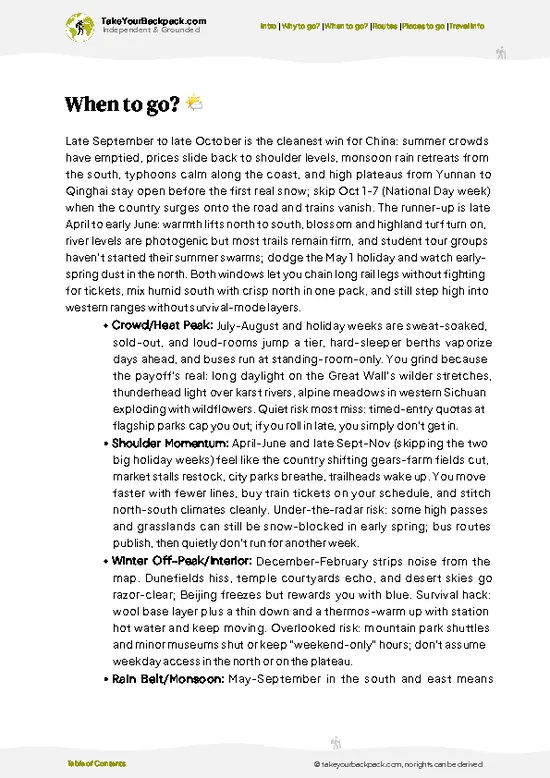
🌤️ When to go?Seasonal considerations and timing


  • Weather: Dunhuang’s desert climate means scorching summers often exceed 38°C (100°F), making midday hiking brutal. Winters drop below freezing, with biting winds that chill to -10°C (14°F). Spring and autumn offer the best balance—mild, dry, and far more comfortable for trekking.

  • Temperature: April to June and September to October see highs around 20-25°C (68-77°F), perfect for daytime exploration without overheating or freezing.

  • Daylight Hours: Longer days in spring and early autumn provide 12-14 hours of light, maximizing your window for sightseeing and desert adventures.

  • Crowds: Peak tourist season hits in summer and major Chinese holidays, swelling crowds at the Mogao Caves and Crescent Lake. Shoulder seasons keep the vibe quieter and more authentic.

  • Seasonal Activities: Autumn
read more 👉

  • Weather: Dunhuang’s desert climate means scorching summers often exceed 38°C (100°F), making midday hiking brutal. Winters drop below freezing, with biting winds that chill to -10°C (14°F). Spring and autumn offer the best balance—mild, dry, and far more comfortable for trekking.

  • Temperature: April to June and September to October see highs around 20-25°C (68-77°F), perfect for daytime exploration without overheating or freezing.

  • Daylight Hours: Longer days in spring and early autumn provide 12-14 hours of light, maximizing your window for sightseeing and desert adventures.

  • Crowds: Peak tourist season hits in summer and major Chinese holidays, swelling crowds at the Mogao Caves and Crescent Lake. Shoulder seasons keep the vibe quieter and more authentic.

  • Seasonal Activities: Autumn hosts the Dunhuang Silk Road International Cultural Expo, a unique cultural boost. Spring brings blooming desert flowers, a rare and striking sight.

  • Price Fluctuations: Summer and national holidays spike accommodation and tour prices. Visiting in shoulder seasons means better deals and more negotiating power.


Pro-tip: Aim for late April or early October—sweet spots where weather, crowds, and prices align to give you the best bang for your buck and boots.


source: climatestotravel.comJANJanuary: below average for travelingFEBFebruary: below average for travelingMARMarch: good for travelingAPRApril: excellent for travelingMAYMay: highly recommended for travelingJUNJune: highly recommended for travelingJULJuly: fair for travelingAUGAugust: fair for travelingSEPSeptember: highly recommended for travelingOCTOctober: excellent for travelingNOVNovember: fair for travelingDECDecember: below average for traveling
when-to-go

✈️ The backpacker research shortcutChina Travel Guide

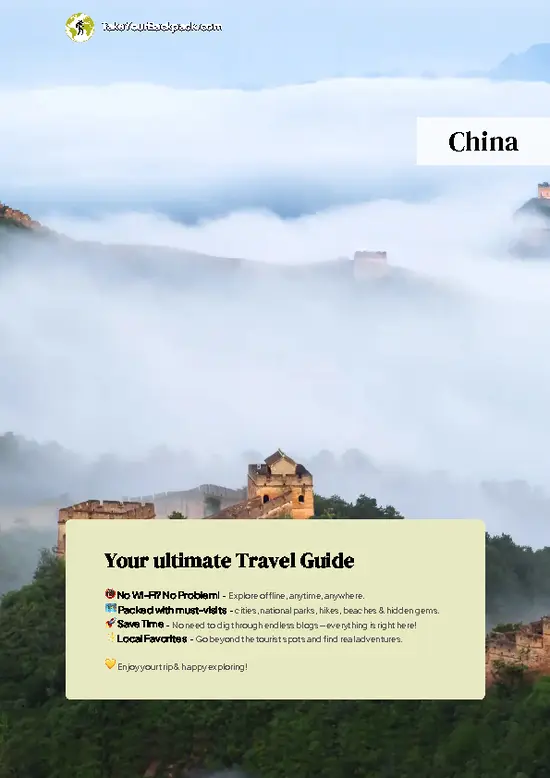
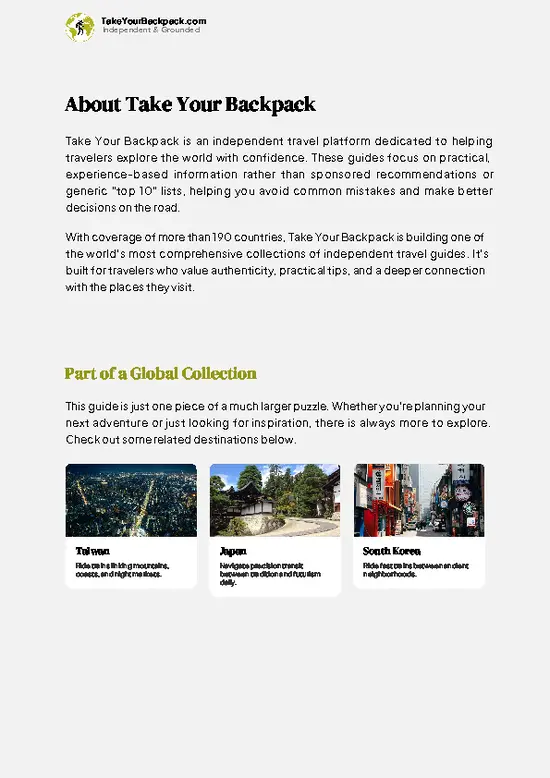
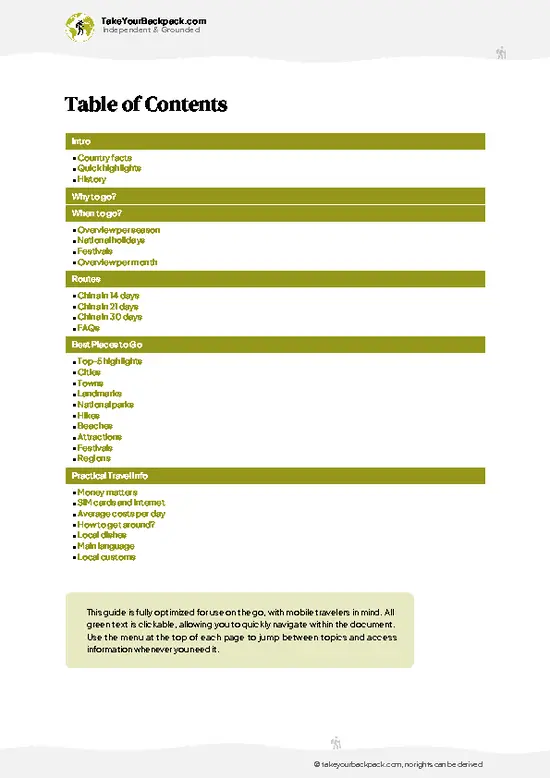
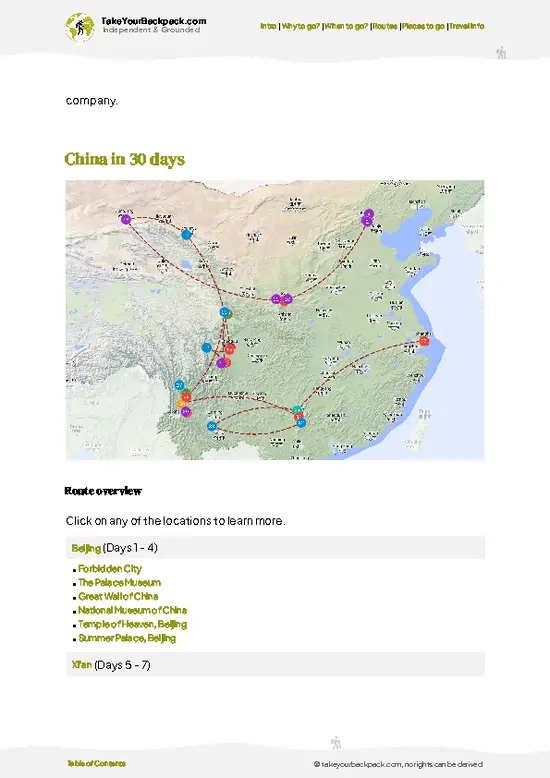
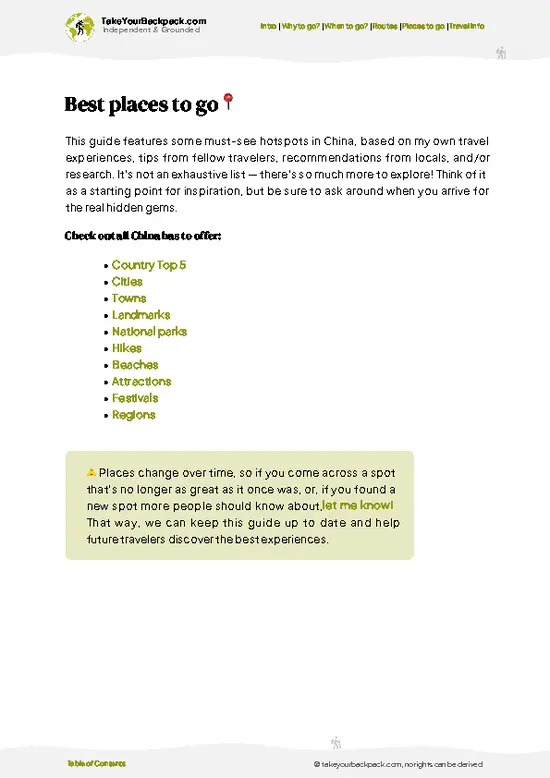
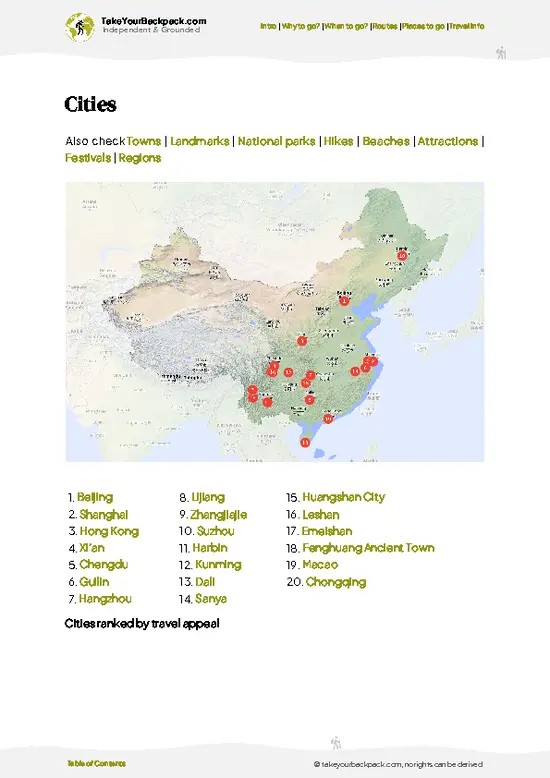
An offline-friendly backpacking guide with optimized travel routes, ranked highlights, transport advice, and the best areas to stay.
example page 0 from our offline Travel Guide for China
example page 1 from our offline Travel Guide for China
example page 2 from our offline Travel Guide for China
example page 3 from our offline Travel Guide for China
example page 4 from our offline Travel Guide for China
example page 5 from our offline Travel Guide for China
example page 6 from our offline Travel Guide for China
example page 7 from our offline Travel Guide for China
The digital guide (496 pages) contains:
139 highlights, ranked by travel appeal
Optimized 14, 21 & 30-day travel routes
Cities, national parks, landmarks, beaches
How to get around
Offline-friendly for travel without Wi-Fi
👉 Click to see all 30+ guide features

📅 Plan smarter in minutes, not weeks
Month by month travel advice
Festivals & national holidays
Budget expectations

🗺️ Go to the right places, skip the overrated ones
Honest pros & cons of destinations
Top hikes, parks & viewpoints
Lesser-known places most travelers miss
Clear “worth it vs skip it” guidance

🛏️ Travel smoothly without rookie mistakes
Best areas to stay
Transport systems explained simply
Common scams & safety advice
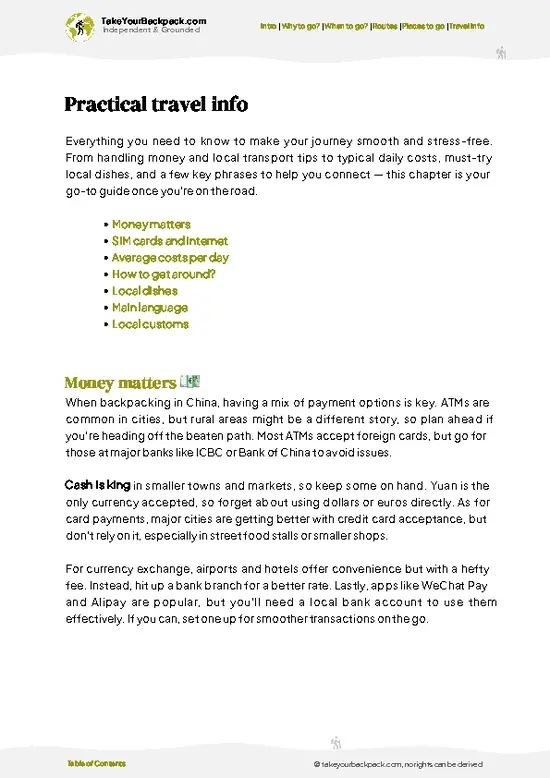
SIM cards, money & practical tips

🌍 Understand the country, not just visit it
Culture & traditions
52 Essential phrases & customs
Festivals worth planning around
Traveler-friendly historical context
Insights that make places more meaningful

📱 Built for real travel conditions
Fully downloadable PDF
Works completely offline
Optimized for phone use
Useful in remote areas & buses
Everything in one place
Save weeks of stressful planning
Get instant access to your full guide. 30‑day money-back guarantee.


By proceeding you agree to our terms.
Sent to your inbox immediately after payment • 100% Secure Checkout
Best Backpacking Travel Advisor 2025 tourism awardBest Backpacking
Travel Advisor
2025
What others say about Take Your Backpack Guides:
⭐⭐⭐⭐⭐
Fantastic, amazing amount of information!
⭐⭐⭐⭐⭐
My goodness this is amazing, it's what I've been looking for hats off too you!
⭐⭐⭐⭐⭐
I think this is absolutely BRILLIANT
⭐⭐⭐⭐
Very complete and informative. It's still missing places, but I gotta to commend you
⭐⭐⭐⭐⭐
This is truly amazing, thank you, can't wait to explore it with my kids!
⭐⭐⭐⭐⭐
Awesome resource, thank you!
⭐⭐⭐⭐⭐
This is amazing! Can't wait to explore the ones I haven't seen
⭐⭐⭐⭐
I love this! Well done, great idea.
⭐⭐⭐⭐⭐
Thanks for taking the time to make this gem!
⭐⭐⭐⭐⭐
This might be the best website I've ever seen.
⭐⭐⭐⭐⭐
Congratulations, and thank you so much for your work; it's incredibly valuable.
⭐⭐⭐⭐
In all seriousness I think you did a great job pointing out the important spots
⭐⭐⭐⭐⭐
10/10 very good
⭐⭐⭐⭐⭐
As someone who's only just starting to visit regularly this is awesome, thank you.
⭐⭐⭐⭐
Thank you very much! I'm going to visit my dad, it's going to be very useful!
⭐⭐⭐⭐⭐
This is really cool! We'll be travelling for the first time and this definitely come in handy.
⭐⭐⭐⭐⭐
You are now our minister of culture, congratulations 👨‍💼
⭐⭐⭐⭐⭐
Just wanted to tell you that this is a pearl! Going to follow your recommendations.
⭐⭐⭐⭐⭐
This is so cool. I'll definitely be using the resource for my travels soon.
⭐⭐⭐⭐⭐
This is very impressive! Good work.
⭐⭐⭐⭐⭐
This is an amazing and informative site. Very well done!

🛏️ Where to stay?Best areas to stay in China

Dunhuang’s backpacker sweet spot is the area around the city center, especially near the main pedestrian street and the train station. This zone nails the balance between safety and social buzz. It’s where budget travelers cluster, drawn by affordable hostels that double as social hubs—perfect for swapping stories after a day exploring the desert. Compared to the quieter outskirts or the more commercial hotel districts, this neighborhood offers a genuine pulse without the touristy overload. You’re close enough to grab street food, local markets, and transport links without feeling trapped in a … read more 👉
Dunhuang’s backpacker sweet spot is the area around the city center, especially near the main pedestrian street and the train station. This zone nails the balance between safety and social buzz. It’s where budget travelers cluster, drawn by affordable hostels that double as social hubs—perfect for swapping stories after a day exploring the desert. Compared to the quieter outskirts or the more commercial hotel districts, this neighborhood offers a genuine pulse without the touristy overload. You’re close enough to grab street food, local markets, and transport links without feeling trapped in a tourist bubble. The vibe here is relaxed but lively, with a mix of solo travelers and small groups, making it easy to meet people or enjoy some solo downtime. It’s the logical choice if you want to maximize your time and social energy without blowing your budget.

🚌 Getting aroundHow to get around Dunhuang

Dunhuang moves at a pace that’s part ancient Silk Road rhythm, part modern hustle. It’s not a city where you’ll find a clockwork precision in transit, but neither is it a free-for-all chaos. Instead, it’s a dance between scheduled buses and the steady flow of locals and tourists weaving through dusty streets. The trade-off here is clear: you can either lean into the slower, cheaper options that let you soak in the atmosphere or pay a bit more for speed and comfort, cutting through the city’s pulse like a sharp blade.


  • Walking: The ultimate budget choice. Dunhuang’s compact center means you can cover major sights on foot without spending a dime. It’s slow but immersive—expect 10-20 minutes between key spots, giving you time to absorb the city’s texture and street life.

  • City Bus: Runs roughly
read more 👉
Dunhuang moves at a pace that’s part ancient Silk Road rhythm, part modern hustle. It’s not a city where you’ll find a clockwork precision in transit, but neither is it a free-for-all chaos. Instead, it’s a dance between scheduled buses and the steady flow of locals and tourists weaving through dusty streets. The trade-off here is clear: you can either lean into the slower, cheaper options that let you soak in the atmosphere or pay a bit more for speed and comfort, cutting through the city’s pulse like a sharp blade.


  • Walking: The ultimate budget choice. Dunhuang’s compact center means you can cover major sights on foot without spending a dime. It’s slow but immersive—expect 10-20 minutes between key spots, giving you time to absorb the city’s texture and street life.

  • City Bus: Runs roughly from 6:30 AM to 9 PM, fares hover around 1-2 RMB. It’s cheap and reliable but expect stops every few blocks, so it’s not the fastest. Comfort is basic—crowded during peak hours, but a window seat offers a front-row view of daily life.

  • Shared Taxi: A middle ground between bus and private taxi. Costs about 10-15 RMB for short hops, faster than the bus but less predictable on timing. You share the ride with others, so it’s a bit of a social gamble but a solid way to save time without breaking the bank.

  • Private Taxi: Available 24/7, expect to pay 30-50 RMB for most city trips. Fast and comfortable, but the price jumps quickly if you’re not careful. Great for early morning or late-night runs when buses aren’t running, or if you want to skip the wait and move on your schedule.

👛 Costs (as of 29 January 2025)Money, prices, and spending tips

Backpacking in Dunhuang, China, offers a fascinating blend of history and desert landscapes, but knowing the daily costs helps you play the budget game smartly. Here’s the breakdown:
  • Dorm Accommodation (High Season): Expect to pay around $10 to $15 per night. High season, typically spring and autumn, pushes prices up due to tourist influx near the Mogao Caves and desert tours.
  • Dorm Accommodation (Off-Season): In winter or summer, prices drop to about $6 to $10. Fewer travelers mean better deals, but be ready for temperature extremes.
  • Meals: Street food and local eateries will cost you roughly $3 to $7 per meal. Dunhuang’s noodle dishes and lamb skewers are filling and budget-friendly. If you opt for a mid-range restaurant, expect to pay closer to $10 per meal.
  • Local Transport: Short taxi
read more 👉
Backpacking in Dunhuang, China, offers a fascinating blend of history and desert landscapes, but knowing the daily costs helps you play the budget game smartly. Here’s the breakdown:
  • Dorm Accommodation (High Season): Expect to pay around $10 to $15 per night. High season, typically spring and autumn, pushes prices up due to tourist influx near the Mogao Caves and desert tours.
  • Dorm Accommodation (Off-Season): In winter or summer, prices drop to about $6 to $10. Fewer travelers mean better deals, but be ready for temperature extremes.
  • Meals: Street food and local eateries will cost you roughly $3 to $7 per meal. Dunhuang’s noodle dishes and lamb skewers are filling and budget-friendly. If you opt for a mid-range restaurant, expect to pay closer to $10 per meal.
  • Local Transport: Short taxi rides or shared minibuses usually run between $1 and $3. The city is compact, so walking is often the best way to save money and soak in the atmosphere.
  • City Transport Pass: Dunhuang doesn’t have a formal city transport pass system like bigger cities. Budget around $5 to $7 for multiple taxi or minibus rides if you plan to move around a lot.
  • Basic Activities/Entry Fees: Entrance to the Mogao Caves, the main draw, costs about $20 to $30, depending on the season and whether you want a guided tour. Other attractions like the Crescent Lake and Mingsha Sand Dunes charge around $10 to $15.
  • Miscellaneous Expenses: Bottled water, snacks, and small souvenirs typically add up to $3 to $7 daily. Internet cafes or SIM cards are cheap, around $2 to $5 for basic connectivity.

Add it all up, and you’re looking at roughly $30 to $60 per day, depending on how much you lean into comfort or cut corners. Dunhuang’s charm lies in its unique cultural sites, so investing in entry fees is often worth it. Keep your walking shoes ready—saving on transport here means more cash for exploring the desert’s edges.
⚠️ Prices can change and everyone travels differently, so take this as a rough guide. Hope it helps you plan your adventure!

🚌 Day tripsBest day trips from Dunhuang

Dunhuang is a fantastic base for day trips that pack a punch. You can dive into the rich history and stunning landscapes of this region without breaking the bank or your schedule.

Mogao Caves
Just a 25-minute ride from Dunhuang, the Mogao Caves are a must-see. These ancient Buddhist grottoes house exquisite murals and sculptures that tell stories of centuries past. Entry is around 200 RMB, and it’s best to visit in the early morning to avoid crowds. A common mistake? Skipping the guided tour; it’s essential for grasping the depth of the art.
👉 Explore Mogao Caves

Echoing Sand Dunes
A 30-minute bus ride takes you to the Echoing Sand Dunes, where you can hike, sandboard, or simply soak in the surreal landscape. The entrance fee is about 20 RMB, and sunset is the prime time for breathtaking … read more 👉
Dunhuang is a fantastic base for day trips that pack a punch. You can dive into the rich history and stunning landscapes of this region without breaking the bank or your schedule.

Mogao Caves
Just a 25-minute ride from Dunhuang, the Mogao Caves are a must-see. These ancient Buddhist grottoes house exquisite murals and sculptures that tell stories of centuries past. Entry is around 200 RMB, and it’s best to visit in the early morning to avoid crowds. A common mistake? Skipping the guided tour; it’s essential for grasping the depth of the art.
👉 Explore Mogao Caves

Echoing Sand Dunes
A 30-minute bus ride takes you to the Echoing Sand Dunes, where you can hike, sandboard, or simply soak in the surreal landscape. The entrance fee is about 20 RMB, and sunset is the prime time for breathtaking views. Many first-timers underestimate the hike back; bring water and pace yourself!


Yumen Pass
About an hour from Dunhuang, Yumen Pass is steeped in history as a former gateway on the Silk Road. The ruins are evocative, and the surrounding desert offers a stark beauty. Expect to spend around 50 RMB for transport and entry. The best time to go is during spring or autumn when the weather is mild.


Each of these trips offers a unique glimpse into the cultural and natural wonders of the area, making your Dunhuang adventure truly rewarding.
Want to know what more China offers?
The China Travel Guide describes 139 highlights, from cities to national parks, from beaches to hikes

Get the Travel Guide -

🍲 FoodWhat to Eat & Drink

In Dunhuang, local cuisine is a delightful tapestry of flavors. Don’t miss the hand-pulled noodles—they’re a staple, served in rich broth with tender meat and fresh herbs. Street vendors dish out sizzling lamb skewers, marinated in spices that dance on your palate.

The night market buzzes with energy, where you can snack on sticky rice cakes and sip on sweet milk tea. Eating here is a communal affair; share your food and stories with fellow travelers.

Etiquette is simple: slurp your noodles to show appreciation. Embrace the casual vibe, and let the aromas guide your choices. This is where the heart of Dunhuang truly beats.

🛡️ SafetyTraveler Safety Guide

Dunhuang is generally safe, but staying aware enhances your experience. In busy markets, keep your belongings close; pickpockets can be crafty. Solo travelers should stick to well-lit areas at night, especially around the Mogao Caves, where the allure can draw you in but the paths can be quiet.

Watch for common scams, like overly friendly locals offering unsolicited tours or inflated prices for souvenirs. A polite but firm “no” usually suffices. Trust your instincts, and you’ll navigate the city with ease.

Other Chinese cities near Dunhuang

Explore more nearby:

  • Jiayuguan—Great Wall fortress, Silk Road pass, desert edge| 312 km away
  • Turpan—desert oasis, grape valleys, ancient ruins| 552 km away
  • Urumqi—Central Asian bazaars, mountain views, ethnic mix| 712 km away

💡 Not sure where to go next?
Create a personalized itinerary for China including Dunhuang and the places that fit your trip.

Generate my itinerary

👉 Discover all cities

Or checkout all China has to offer (think cities, towns, villages, national parks, hikes, beaches, festivals)
Country photo of China

We 💚 feedbackParting advice and final tips

Dunhuang’s ancient Silk Road history is palpable; the Mogao Caves are a must-see for any culture buff. But be prepared: the desert climate can be brutal. Timing your visit is key—avoid peak summer unless you love sweating through your shirt.

✈️ When did I visit China?
As part of my 1.5 year travel around the world trip, I visited China in August 2015, coming from Mongolia by the TransMongolia Express.

✍️ Help improve this page!
The information on this page is based on my own backpacking experience in China, supplemented with up-to-date research and feedback from other travelers. Travel details can change, so if you notice anything outdated or incomplete, feel free to let me know.


🙋‍♂️ Give feedback

👋 Meet the founderWho’s Behind Take Your Backpack?

Johan, backpacker and founder of TakeYourBackpackHi, I’m Johan (Netherlands 🇳🇱), the creator of TakeYourBackpack. Over the past decade, I’ve backpacked through 80+ countries across six continents, gaining extensive experience with independent travel, long-term trips, and overland routes.

This site is built on a combination of firsthand travel experience and carefully curated insights from other backpackers. Many guides are based on places I’ve personally visited, while others bring together tips, observations, and practical advice shared by trusted travelers I’ve met along the way.

The goal is to provide realistic, experience-driven guidance — not generic itineraries — so you can explore destinations with better context, clearer expectations, and more confidence.

Get full China guide •
Instant download • 139 highlights • Full Offline guide