×

China🇨🇳 | regionsMoganshanBamboo groves, colonial villas, rolling hills | things to do and best time to go

Explore HuanglongExplore Qinghai Hoh Xil

Backpacking in Moganshan
👀 For curious travelersregion ranked #15
By Johan Kruseman 🇳🇱 | Updated June 12, 2026

Most people only realize on the train ride back that Moganshan is where they should’ve booked two nights, not one; it’s one of the few easy escapes from Shanghai where you can actually sleep well, breathe clean air, and still be back in the city by dinner. Sitting in Zhejiang province, just north of Hangzhou, it’s a bamboo-mountain playground with old villas, misty trails, and boutique guesthouses that range from cheap dorms to “I-hope-my-card-goes-through” chic. It’s pricier and more curated than nearby Anhui’s Huangshan area, and weekends can feel like half of Shanghai brought their selfie sticks, but midweek it calms down into something closer to the old Republican-era retreat vibe. Don’t come for deep village culture or wild backcountry; come for short hikes, slow coffee, and that rare China combo of easy logistics, decent English, and scenery that doesn’t require a 10-hour bus ordeal.

Discover everything you want to know in the 📖 China Travel Guide.


Get your China guide
139 ranked highlights, routes & tips, works offline (496 pages)
Loading the map 🌍
CLICK TO FILTER
cities
towns
landmarks
national parks
hikes
beaches
attractions
festivals
regions
SHOW COUNTRY’S BESTSHOW ALL

✨ Why go?
Ranked #15 region in China
What makes this region worth visiting

Moganshan is a backpacker’s paradise in China, and for good reason. First off, the variety of landscapes here is jaw-dropping. You’ve got lush bamboo forests, rolling hills, and serene lakes—all within a stone’s throw. This means you can dive into multiple experiences without the hassle of constant relocation.

Transport is a breeze. You can hop on a bus or rent a bike to explore at your own pace. This flexibility lets you soak in the local culture while enjoying nature’s beauty.

Plus, the vibe is all about slow travel. You can hike a trail, then chill at a local teahouse, savoring the moment. It’s this mix of nature and culture that makes Moganshan a must-visit. You’re not just passing through; you’re truly experiencing it.
Want to include Moganshan in your China route?
Create a personalized China itinerary that includes Moganshan and the places that fit your trip — based on your travel style, budget, and available time. Get your route in seconds.

Generate my trip

💡 HighlightsDon't-miss highlights and experiences

  1. Moganshan National Forest Park — The big, protected backbone of the area: miles of bamboo and mixed forest, marked trails up toward the ridges, and those cool humid-air pockets that feel a world away from the cities. Good for full-day hikes, birdwatching, and getting a real sense of the mountain’s scale.
  2. Songboling (松柏岭) villa cluster — This is where the old summer villas and guesthouses cluster on a shady ridge. You can wander between century-old stone and timber houses, sit in small cafés, and imagine the foreign and Shanghai families who summered here in the 1900s. Architecture + atmosphere in one easy walk.
  3. Moganshan Bamboo Sea (竹海) — Endless stands of bamboo that make for cathedral-like light and a quiet that’s almost tactile. Paths and narrow lanes thread through the grove; early
read more 👉
  1. Moganshan National Forest Park — The big, protected backbone of the area: miles of bamboo and mixed forest, marked trails up toward the ridges, and those cool humid-air pockets that feel a world away from the cities. Good for full-day hikes, birdwatching, and getting a real sense of the mountain’s scale.
  2. Songboling (松柏岭) villa cluster — This is where the old summer villas and guesthouses cluster on a shady ridge. You can wander between century-old stone and timber houses, sit in small cafés, and imagine the foreign and Shanghai families who summered here in the 1900s. Architecture + atmosphere in one easy walk.
  3. Moganshan Bamboo Sea (竹海) — Endless stands of bamboo that make for cathedral-like light and a quiet that’s almost tactile. Paths and narrow lanes thread through the grove; early morning mist and late-afternoon golden light are spectacular for photos and simple wandering.
  4. Republic-era villa walk (historic summer homes) — More than a single building: an area full of European-style and cottage villas from the Republican era, many converted into small inns or cafés. It’s history you can touch — porch railings, chimneys, little gardens — and many spots have plaques or brief histories on-site.
  5. Moganshan tea gardens & family tea farms — The mountain slopes have small tea plots and family farms (not the big commercial estates). Visiting one means seeing leaves picked, trying a basic processing step, and sipping fresh tea in a farmhouse. It’s the local taste of the place — greener and fresher than city tea shops.
  6. Bike loops through bamboo lanes — Rent a hardy bicycle and take the small rural roads that cut through bamboo tunnels and terraced fields. Quiet, cheap, and endlessly pleasant: you’ll pass farms, tiny villages, and get off-the-beaten-path views that buses never see. My personal favorite — cheap freedom and zero fuss.
  7. Hidden waterfalls and lesser-trodden valley trails — (Hidden gem) There are multiple small cascades and quiet valley routes that most day-trippers skip. They’re not huge tourist attractions, but they make great short hikes, cooling dips in summer, and peaceful picnic spots. Ask a local guesthouse for the nearest one.
  8. Homestays and mountain kitchens in outlying villages — (Hidden gem) Family-run homestays tucked off the main roads offer simple rooms and honest home cooking — bamboo-shoot dishes, slow-simmered pork, and tea straight from the pot. It’s the cultural exchange that requires no tour guide: sit, eat, and talk to whoever’s in the kitchen.
  9. Ridge sunrise/sunset viewpoints — (Hidden gem) There are small, unnamed ridge overlooks where mist settles into the bamboo and the light goes cinematic at dawn and dusk. You’ll often have them to yourself; they’re perfect for a quiet morning with a thermos or a late-afternoon beer and a view.
  10. Moganshan town & local market lanes — The practical heart: a small town area with markets, local snacks, and supplies. Not flashy, but excellent for trying regional street foods, buying supplies for hikes, and catching the low-key daily life that’s the backbone of the mountain community.
Spotted a mistake or missing something? Contact us.
Things to do near Moganshan

Ratings based on Tripadvisor reviews. When you book through this link, you support our work at no extra cost to you.

⌛️ 5 days5-day itinerary for Moganshan

Day 1: Moganshan
The journey begins in Hangzhou, where you’ll catch a bus to Moganshan. This is your gateway to the lush bamboo forests and tea plantations. The bus ride takes about two hours, so settle in and soak up the scenery. Once you arrive, the air feels different—crisp and invigorating. You’ll want to explore the local trails, which are well-marked and lead you through stunning landscapes.

Day 2: Hiking the Peaks
Today is all about hitting the trails. The transport system here is minimal, so embrace the slow pace. Spend the day hiking to the iconic Moganshan peaks. The trails vary in difficulty, but the views are worth every step. You’ll find small tea houses along the way, perfect for a refreshing break.

Day 3: Off-Path Reward: Local Villages
Take a detour today to visit … read more 👉
Day 1: Moganshan
The journey begins in Hangzhou, where you’ll catch a bus to Moganshan. This is your gateway to the lush bamboo forests and tea plantations. The bus ride takes about two hours, so settle in and soak up the scenery. Once you arrive, the air feels different—crisp and invigorating. You’ll want to explore the local trails, which are well-marked and lead you through stunning landscapes.

Day 2: Hiking the Peaks
Today is all about hitting the trails. The transport system here is minimal, so embrace the slow pace. Spend the day hiking to the iconic Moganshan peaks. The trails vary in difficulty, but the views are worth every step. You’ll find small tea houses along the way, perfect for a refreshing break.

Day 3: Off-Path Reward: Local Villages
Take a detour today to visit nearby villages. This isn’t on the main tourist radar, but it’s where you’ll find authentic local culture. The bus schedule is sparse, so plan your timing carefully. Engage with the villagers; they often share stories and traditions that you won’t find in guidebooks.

Day 4: Relaxation Day
After three days of hiking, take a breather. Enjoy a local spa or simply lounge in a hammock. This is where you recharge for the final push.

Day 5: Return to Hangzhou
Wrap up your adventure by heading back to Hangzhou. Reflect on your experiences as you travel. The must-do day? Day 2, the hiking peaks. It encapsulates the essence of Moganshan—nature, culture, and the thrill of discovery.
Turn your Moganshan visit into an China adventure
Build a complete China route with Moganshan, hidden gems, must-see destinations, and realistic travel times included.

Generate my trip

🌤️ When to go?Best time to visit Moganshan


  • Weather: Spring (April-May) and autumn (September-October) bring mild, dry weather—perfect for hiking without sweating buckets or getting drenched. Summers are hot and humid, often above 30°C (86°F), while winters dip to around 5°C (41°F) and can be damp.

  • Temperature: Expect comfortable 15-25°C (59-77°F) in spring and fall, ideal for long days on the trails. Summer heat can be oppressive, and winter chills make outdoor activities less appealing.

  • Daylight Hours: Spring and autumn offer about 12-14 hours of daylight, giving you plenty of time to explore without rushing. Winter days shrink to 10 hours, limiting your window.

  • Crowds: Summer weekends and Chinese national holidays pack the trails and guesthouses. For a quieter vibe, aim for weekdays in shoulder seasons.

  • Seasonal Activities:
read more 👉

  • Weather: Spring (April-May) and autumn (September-October) bring mild, dry weather—perfect for hiking without sweating buckets or getting drenched. Summers are hot and humid, often above 30°C (86°F), while winters dip to around 5°C (41°F) and can be damp.

  • Temperature: Expect comfortable 15-25°C (59-77°F) in spring and fall, ideal for long days on the trails. Summer heat can be oppressive, and winter chills make outdoor activities less appealing.

  • Daylight Hours: Spring and autumn offer about 12-14 hours of daylight, giving you plenty of time to explore without rushing. Winter days shrink to 10 hours, limiting your window.

  • Crowds: Summer weekends and Chinese national holidays pack the trails and guesthouses. For a quieter vibe, aim for weekdays in shoulder seasons.

  • Seasonal Activities: Spring showcases blooming bamboo and wildflowers; autumn paints the hills in fiery reds and golds. Winter’s quiet is great for reflection but fewer activities.

  • Price Fluctuations: Peak summer and holidays spike accommodation prices. Shoulder seasons offer better deals and more flexible bookings.


Pro-tip: Hit Moganshan in late April or early October—cool temps, fewer crowds, and you’ll snag the best rates without sacrificing the full experience.


source: climatestotravel.comJANJanuary: fair for travelingFEBFebruary: fair for travelingMARMarch: good for travelingAPRApril: excellent for travelingMAYMay: excellent for travelingJUNJune: good for travelingJULJuly: fair for travelingAUGAugust: fair for travelingSEPSeptember: excellent for travelingOCTOctober: excellent for travelingNOVNovember: good for travelingDECDecember: fair for traveling
china-region-moganshan
© Google |

✈️ The backpacker research shortcutChina Travel Guide

An offline-friendly backpacking guide with optimized travel routes, ranked highlights, transport advice, and the best areas to stay.
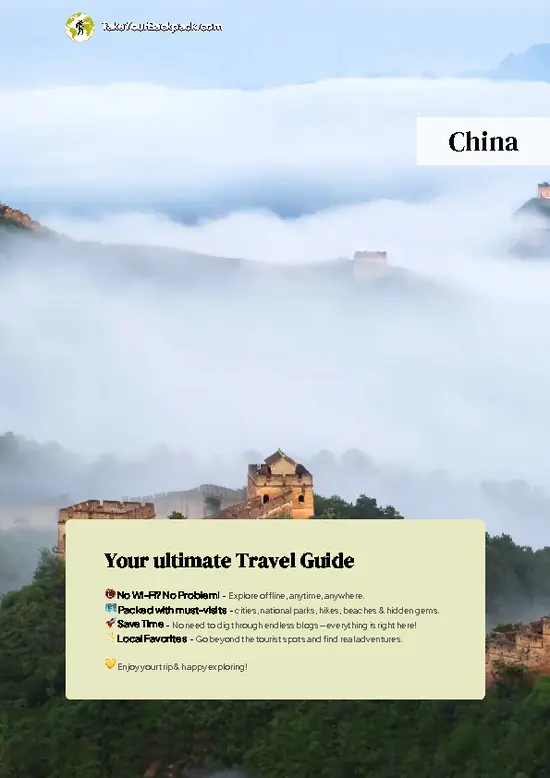
example page 0 from our offline Travel Guide for China
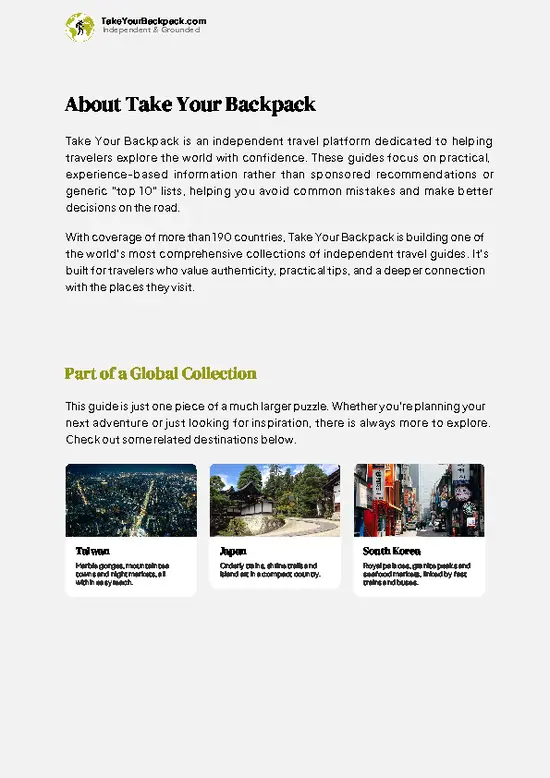
example page 1 from our offline Travel Guide for China
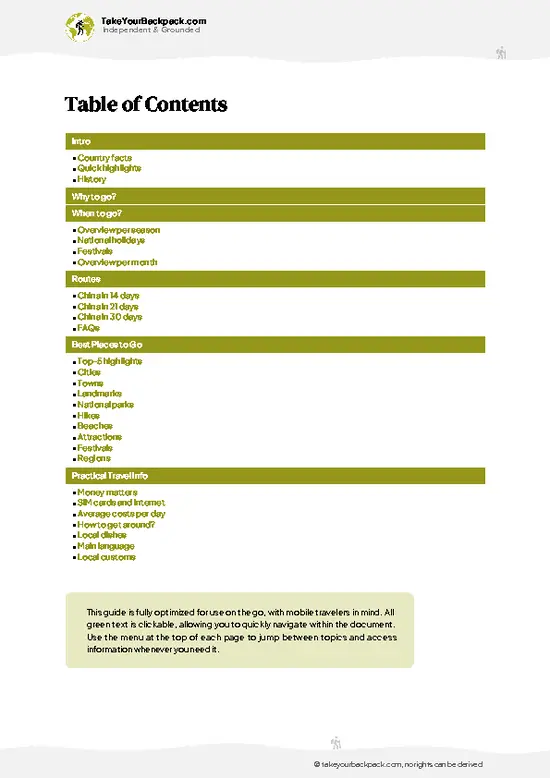
example page 2 from our offline Travel Guide for China
example page 3 from our offline Travel Guide for China
example page 4 from our offline Travel Guide for China
example page 5 from our offline Travel Guide for China
example page 6 from our offline Travel Guide for China
example page 7 from our offline Travel Guide for China
The digital guide (496 pages) contains:
139 highlights, ranked by travel appeal
Optimized 14, 21 & 30-day travel routes
Cities, national parks, landmarks, beaches
How to get around
Offline-friendly for travel without Wi-Fi
👉 Click to see all 30+ guide features

📅 Plan smarter in minutes, not weeks
Month by month travel advice
Festivals & national holidays
Budget expectations

🗺️ Go to the right places, skip the overrated ones
Honest pros & cons of destinations
Top hikes, parks & viewpoints
Lesser-known places most travelers miss
Clear “worth it vs skip it” guidance

🛏️ Travel smoothly without rookie mistakes
Best areas to stay
Transport systems explained simply
Common scams & safety advice
SIM cards, money & practical tips

🌍 Understand the country, not just visit it
Culture & traditions
52 Essential phrases & customs
Festivals worth planning around
Traveler-friendly historical context
Insights that make places more meaningful

📱 Built for real travel conditions
Fully downloadable PDF
Works completely offline
Optimized for phone use
Useful in remote areas & buses
Everything in one place
Save weeks of stressful planning
Get instant access to your full guide. 30‑day money-back guarantee.


By proceeding you agree to our terms.
Sent to your inbox immediately after payment • 100% Secure Checkout
Best Backpacking Travel Advisor 2025 tourism awardBest Backpacking
Travel Advisor
2025
What others say about Take Your Backpack Guides:
⭐⭐⭐⭐⭐
Fantastic, amazing amount of information!
⭐⭐⭐⭐⭐
My goodness this is amazing, it's what I've been looking for hats off too you!
⭐⭐⭐⭐⭐
I think this is absolutely BRILLIANT
⭐⭐⭐⭐
Very complete and informative. It's still missing places, but I gotta to commend you
⭐⭐⭐⭐⭐
This is truly amazing, thank you, can't wait to explore it with my kids!
⭐⭐⭐⭐⭐
Awesome resource, thank you!
⭐⭐⭐⭐⭐
This is amazing! Can't wait to explore the ones I haven't seen
⭐⭐⭐⭐
I love this! Well done, great idea.
⭐⭐⭐⭐⭐
Thanks for taking the time to make this gem!
⭐⭐⭐⭐⭐
This might be the best website I've ever seen.
⭐⭐⭐⭐⭐
Congratulations, and thank you so much for your work; it's incredibly valuable.
⭐⭐⭐⭐
In all seriousness I think you did a great job pointing out the important spots
⭐⭐⭐⭐⭐
10/10 very good
⭐⭐⭐⭐⭐
As someone who's only just starting to visit regularly this is awesome, thank you.
⭐⭐⭐⭐
Thank you very much! I'm going to visit my dad, it's going to be very useful!
⭐⭐⭐⭐⭐
This is really cool! We'll be travelling for the first time and this definitely come in handy.
⭐⭐⭐⭐⭐
You are now our minister of culture, congratulations 👨‍💼
⭐⭐⭐⭐⭐
Just wanted to tell you that this is a pearl! Going to follow your recommendations.
⭐⭐⭐⭐⭐
This is so cool. I'll definitely be using the resource for my travels soon.
⭐⭐⭐⭐⭐
This is very impressive! Good work.
⭐⭐⭐⭐⭐
This is an amazing and informative site. Very well done!

🛏️ Where to stay?Choosing the right base

Moganshan is a treasure for backpackers, and knowing where to stay can make all the difference.

Start in Moganshan Village. It’s the heart of the action, with a mix of local eateries and cozy spots to meet fellow travelers. The vibe is relaxed, making it easy to strike up conversations.

Then there’s Dazhu Lake, a bit off the beaten path but worth it. The scenery is stunning, and you’ll find a community of like-minded adventurers. It’s quieter, perfect for those who want to recharge after a day of hiking.

Don’t overlook Xiangxi, a charming village with a rich cultural backdrop. It’s safe, … read more 👉
Moganshan is a treasure for backpackers, and knowing where to stay can make all the difference.

Start in Moganshan Village. It’s the heart of the action, with a mix of local eateries and cozy spots to meet fellow travelers. The vibe is relaxed, making it easy to strike up conversations.

Then there’s Dazhu Lake, a bit off the beaten path but worth it. The scenery is stunning, and you’ll find a community of like-minded adventurers. It’s quieter, perfect for those who want to recharge after a day of hiking.

Don’t overlook Xiangxi, a charming village with a rich cultural backdrop. It’s safe, and the locals are welcoming. You’ll find small markets and tea houses where you can soak in the local life.

Each area offers its own flavor, so choose based on your mood. Want social buzz? Go for Moganshan Village. Craving tranquility? Dazhu Lake is your spot.

🚌 Getting aroundHow to get from A to B

Moganshan is a realm where time feels fluid, not rigid. The air is thick with the scent of pine and the whispers of bamboo swaying in the breeze. Here, schedules are more like suggestions, and the rhythm of travel flows with the pulse of the mountains. You’ll find that getting around is less about sticking to a plan and more about embracing the unexpected. Whether you’re hopping on a local bus or hitching a ride with a friendly stranger, the journey is as much a part of the experience as the destination itself.


  • Local Buses: These are your lifeline. They run frequently, usually from early morning until around 6 PM. A ticket costs about 10-20 RMB, depending on your route. Expect a bumpy ride, but the views are worth it.

  • Taxis: A bit pricier, but they’re convenient, especially if you’re in
read more 👉
Moganshan is a realm where time feels fluid, not rigid. The air is thick with the scent of pine and the whispers of bamboo swaying in the breeze. Here, schedules are more like suggestions, and the rhythm of travel flows with the pulse of the mountains. You’ll find that getting around is less about sticking to a plan and more about embracing the unexpected. Whether you’re hopping on a local bus or hitching a ride with a friendly stranger, the journey is as much a part of the experience as the destination itself.


  • Local Buses: These are your lifeline. They run frequently, usually from early morning until around 6 PM. A ticket costs about 10-20 RMB, depending on your route. Expect a bumpy ride, but the views are worth it.

  • Taxis: A bit pricier, but they’re convenient, especially if you’re in a hurry. Fares start at around 15 RMB, with an average trip costing 30-50 RMB. They’re comfortable and can take you directly to your destination, but be ready to negotiate if you’re not using a meter.

  • Electric Scooters: Rent one for about 30 RMB a day. They’re perfect for zipping around the area at your own pace. Just keep an eye out for the occasional stray dog or wandering tourist!

  • Walking Trails: Not a transport option per se, but the best way to soak in the scenery. Many trails connect key spots, and you can easily spend a day wandering. Just wear good shoes and bring water.


For a smooth ride across Moganshan, download a local map app before you arrive. It’ll help you navigate the less obvious routes and find those hidden trails that lead to the best views. Trust me, you’ll feel like a local in no time.

🍲 FoodLocal Flavors for Backpackers

In Moganshan, the food scene is a delightful adventure. Dive into local specialties like bamboo shoots and wild mushrooms, which are often foraged from the surrounding hills. The stir-fried dishes here burst with freshness, showcasing the region’s lush produce. Don’t miss the Moganshan rice wine—it’s sweet, potent, and a perfect companion to your meals.

For a true taste of the area, hit up the street food stalls. You’ll find vendors grilling skewers of marinated meats, their smoky aroma wafting through the air. Casual tea houses offer a cozy spot to sip on fragrant green tea while nibbling on local pastries.

Dining here is relaxed; locals often share tables, so don’t hesitate to join in. Remember, it’s polite to offer a toast before sipping your drink—“Ganbei!” means “Cheers!” Embrace the … read more 👉
In Moganshan, the food scene is a delightful adventure. Dive into local specialties like bamboo shoots and wild mushrooms, which are often foraged from the surrounding hills. The stir-fried dishes here burst with freshness, showcasing the region’s lush produce. Don’t miss the Moganshan rice wine—it’s sweet, potent, and a perfect companion to your meals.

For a true taste of the area, hit up the street food stalls. You’ll find vendors grilling skewers of marinated meats, their smoky aroma wafting through the air. Casual tea houses offer a cozy spot to sip on fragrant green tea while nibbling on local pastries.

Dining here is relaxed; locals often share tables, so don’t hesitate to join in. Remember, it’s polite to offer a toast before sipping your drink—“Ganbei!” means “Cheers!” Embrace the communal vibe, and you’ll feel like a local in no time.

Other Chinese regions near Moganshan

Explore more nearby:

  • Wuyuan—Terraced rapeseed fields, ancient villages, covered bridges| 237 km away
  • China Danxia—Layered red rocks, sculpted ridges, arid valleys| 901 km away
  • Wulingyuan—Quartzite spires, deep ravines, hanging bridges| 907 km away

💡 Not sure where to go next?
Create a personalized itinerary for China including Moganshan and the places that fit your trip.

Generate my itinerary

👉 Discover all regions

Or checkout all China has to offer (think cities, towns, villages, national parks, hikes, beaches, festivals)
Country photo of China

We 💚 feedbackParting advice and final tips

Moganshan is a breath of fresh air, literally. The bamboo forests and cool mountain air are a perfect escape from city chaos. But here’s the kicker: it’s not the easiest place to reach. Expect winding roads and limited transport options. If you’re up for the journey, the tranquility and stunning views are absolutely worth it. Just plan ahead, and you’ll feel like you’ve discovered a slice of paradise.

✈️ When did I visit China?
As part of my 1.5 year travel around the world trip, I visited China in August 2015, coming from Mongolia by the TransMongolia Express.

✍️ Help improve this page!
The information on this page is based on my own backpacking experience in China, supplemented with up-to-date research and feedback from other travelers. Travel details can change, so if you notice anything outdated or incomplete, feel free to let me know.


🙋‍♂️ Give feedback

👋 Meet the founderWho’s Behind Take Your Backpack?

Johan, backpacker and founder of TakeYourBackpackHi, I’m Johan (Netherlands 🇳🇱), the creator of TakeYourBackpack. Over the past decade, I’ve backpacked through 80+ countries across six continents, gaining extensive experience with independent travel, long-term trips, and overland routes.

This site is built on a combination of firsthand travel experience and carefully curated insights from other backpackers. Many guides are based on places I’ve personally visited, while others bring together tips, observations, and practical advice shared by trusted travelers I’ve met along the way.

The goal is to provide realistic, experience-driven guidance — not generic itineraries — so you can explore destinations with better context, clearer expectations, and more confidence.

Get full China guide •
Instant download • 139 highlights • Full Offline guide