×

China🇨🇳 | regionsQinghai Hoh XilHigh plateau, wild herds, remote wetlands | things to do and best time to go

Explore MoganshanExplore Shangri-La

Backpacking in Qinghai Hoh Xil
UNESCO World Heritage site
👀 For curious travelersregion ranked #13
By Johan Kruseman 🇳🇱 | Updated October 15, 2026

Everyone talks about Hoh Xil for the “no-man’s-land” legend and wild Tibetan antelope, but what actually matters to you on the road is how remote it feels, how hard it is to reach, and whether that effort pays off. Qinghai Hoh Xil sits in northwest Qinghai, on the high-altitude plateau between Yushu and the Tibetan border, way out from China’s usual backpacker loop. It’s raw, windy, and expensive in both time and logistics: long, bumpy transfers, limited public transport, and tours that aren’t cheap. But the payoff is huge space, brutal beauty, and a frontier vibe you won’t get in more polished Qinghai spots like Xining or Qinghai Lake.

Discover everything you want to know in the 📖 China Travel Guide.


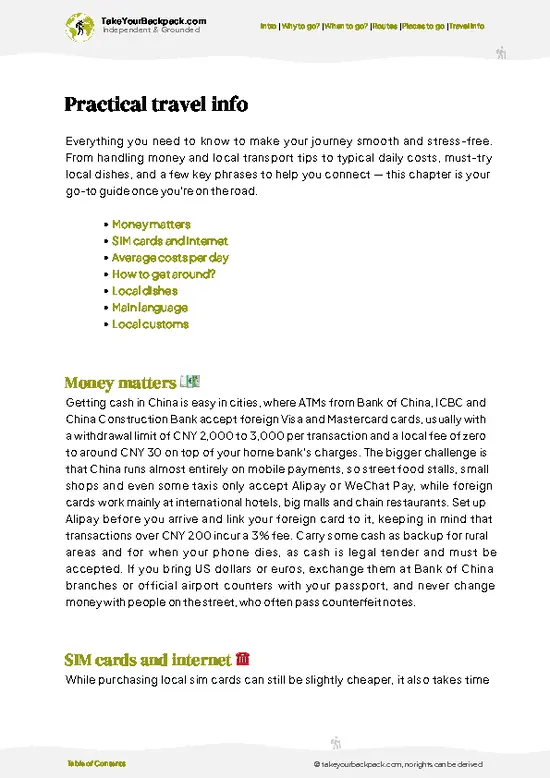
example page 0 from our offline Travel Guide for China
example page 1 from our offline Travel Guide for China
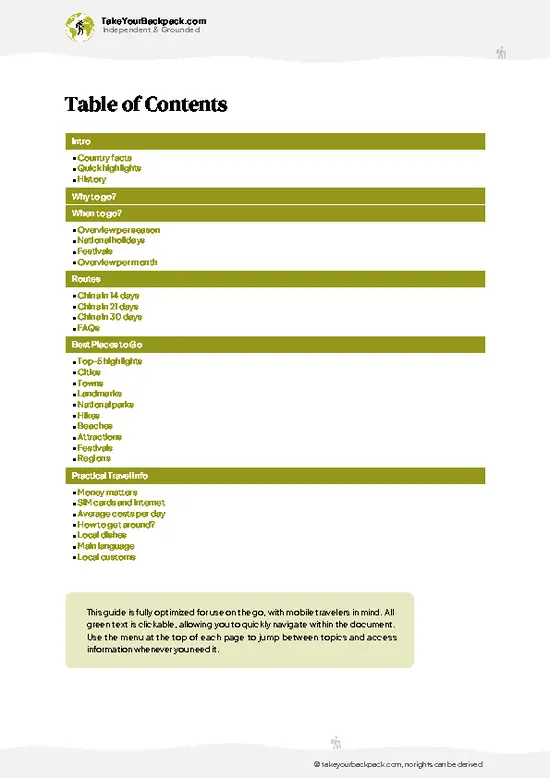
example page 2 from our offline Travel Guide for China
example page 3 from our offline Travel Guide for China
example page 4 from our offline Travel Guide for China
example page 5 from our offline Travel Guide for China
example page 6 from our offline Travel Guide for China
example page 7 from our offline Travel Guide for China
Loading the map 🌍
CLICK TO FILTER
cities
towns
landmarks
national parks
hikes
beaches
attractions
festivals
regions
SHOW COUNTRY’S BESTSHOW ALL

✨ Why go?
Ranked #13 region in China
Why visitors keep coming back

In Qinghai Hoh Xil, backpackers find a treasure trove of landscapes that shift from vast grasslands to snow-capped peaks. You can soak in the diversity without the hassle of constant relocation. This region offers a unique blend of nature and culture, allowing you to experience Tibetan traditions while surrounded by breathtaking scenery.

Transport options are surprisingly flexible, making it easy to explore at your own pace. You can linger in a village, savoring local cuisine, or hike through stunning national parks. The slow travel vibe here means you’re not just passing through; you’re truly immersing yourself. It’s about savoring the journey, not just the destination.

💡 HighlightsDon't-miss highlights and experiences

  1. Kekexili (Hoh Xil) core plateau — Tibetan antelope plain
    The vast, rolling gravel-and-grass plain where wild chiru (Tibetan antelope) still calve and graze. It’s the ecological heart of the region — silent, wind-swept, and oddly cinematic — and seeing herds (at a respectful distance) is an experience tied to this exact place on the northern Tibetan Plateau. Seasonal, fragile, and worth a slow, respectful visit rather than a quick photo-op.
  2. Tanggula Mountains & Tanggula Pass
    The dramatic skyline of jagged, snow-dusted peaks that forms the southern rim of Hoh Xil. The pass gives one of the clearest high-altitude views in the area and a real taste of the thin-air grandeur here — glaciers, empty tundra and those long horizons you can’t fake anywhere lower. The road over the pass is how
… read more 👉
  1. Kekexili (Hoh Xil) core plateau — Tibetan antelope plain
    The vast, rolling gravel-and-grass plain where wild chiru (Tibetan antelope) still calve and graze. It’s the ecological heart of the region — silent, wind-swept, and oddly cinematic — and seeing herds (at a respectful distance) is an experience tied to this exact place on the northern Tibetan Plateau. Seasonal, fragile, and worth a slow, respectful visit rather than a quick photo-op.
  2. Tanggula Mountains & Tanggula Pass
    The dramatic skyline of jagged, snow-dusted peaks that forms the southern rim of Hoh Xil. The pass gives one of the clearest high-altitude views in the area and a real taste of the thin-air grandeur here — glaciers, empty tundra and those long horizons you can’t fake anywhere lower. The road over the pass is how most visitors feel they’ve “arrived” on the plateau.
  3. Tuotuo River headwaters (Yangtze River source)
    One of those rare places where you can stand beside the tiny trickles that become Asia’s great river. It’s not ornate — just raw, braided channels, lichened rocks and a silence that makes you feel the scale of time and water. Personal favorite: the bleakness and the fact that this is literally the beginning of a river that runs thousands of kilometers.
  4. Zhaling Lake and the high-altitude lake cluster
    A group of shallow, high-salt lakes that turn mirror-smooth and turquoise on calm days, ringed by tundra and gulls. The reflections and the birdlife (summer) give you that classic plateau-lake photography without the crowds you’d find at lower-altitude lakes in Qinghai.
  5. Wudaoliang plain and nomad yurt stays
    A practical gateway and a genuine local-experience spot: seasonal nomad camps, yak and cashmere herding, and simple yurt hospitality. You can sleep in a ger (yurt), drink yak butter tea, and watch the light change across the plain — the human side of Hoh Xil that’s easy to reach from the highway.
  6. Qinghai-Tibet Highway panoramas across the Hoh Xil expanse
    The stretches of the G109 where the road cuts across empty tundra are an underrated highlight: long, skeletal horizons, roadside cairns and sudden lake flashes. Stop anywhere safe, walk a few hundred meters, and you get the rhythm of the place — how the landscape rolls, how the weather moves, and how isolated life looks here.
  7. Spring-fed marshes and migrant-bird meadows (hidden gem)
    Small, scattered marsh oases that fill in summer and attract waterfowl and waders — little micro-ecosystems that most itineraries miss. Locals know a couple of reliable patches for quiet birdwatching and easy, up-close nature photography without the bustle of bigger reserve sites.
  8. Ephemeral wildflower carpets in the desert-steppe transition (hidden gem)
    After snowmelt and spring rains, parts of the Hoh Xil fringe burst into surprising color: tiny alpine flowers carpeting short grass and gravel. It’s a very short window, very local-seasonal, and utterly different from the lowland wildflower shows — people who time it right walk into a quiet, fragile bloomscape few tourists see.
  9. Ancient cairn lines and pack-route traces
    Scattered stone markers and old trail-lines that once guided caravans and nomads across the plateau. They’re not monuments with plaques — just weathered stones and faint ruts — but they give a real sense of human resilience and mobility on this harsh landscape, and you can still follow sections on foot in safer seasons.
  10. Homestay with a nomad family and traditional crafts (hidden gem)
    Rather than a commercial “yurt camp,” a real homestay with a herding family lets you sit through yak-milking, see how they make cheese and repair tents, and learn tiny survival tricks of plateau life. These stays are rare, booked through local contacts or small guesthouses, and they’re by far the most human and memorable way to understand Hoh Xil.
Spotted a mistake or missing something? Contact us.

⌛️ 5 daysSeeing the highlights in 5 days

Day 1: Xining
Start in Xining, the gateway to Qinghai Hoh Xil. This city is your launchpad, with decent transport links and a chance to acclimatize. Spend the day exploring the bustling markets and sampling local dishes like yak meat and barley. The altitude can hit hard, so take it easy. Grab a bus or train to Golmud in the evening; it’s a long ride, but you’ll want to be ready for the next leg.

Day 2: Golmud
Arrive in Golmud, a logistical hub. This is where you’ll switch gears. Rent a 4x4 or join a tour to venture into Hoh Xil. The road is rugged, but the landscapes are starkly beautiful. You’ll see vast grasslands and snow-capped peaks. This is where the adventure begins.

Day 3: Hoh Xil National Nature Reserve
Spend the day in Hoh Xil. The wildlife here is incredible—watch for Tibetan … read more 👉
Day 1: Xining
Start in Xining, the gateway to Qinghai Hoh Xil. This city is your launchpad, with decent transport links and a chance to acclimatize. Spend the day exploring the bustling markets and sampling local dishes like yak meat and barley. The altitude can hit hard, so take it easy. Grab a bus or train to Golmud in the evening; it’s a long ride, but you’ll want to be ready for the next leg.

Day 2: Golmud
Arrive in Golmud, a logistical hub. This is where you’ll switch gears. Rent a 4x4 or join a tour to venture into Hoh Xil. The road is rugged, but the landscapes are starkly beautiful. You’ll see vast grasslands and snow-capped peaks. This is where the adventure begins.

Day 3: Hoh Xil National Nature Reserve
Spend the day in Hoh Xil. The wildlife here is incredible—watch for Tibetan antelope and wild yaks. The isolation is palpable, and the silence is a balm. Take a guided trek to really soak in the atmosphere.

Day 4: Off-Path Reward: Chaka Salt Lake
Detour to Chaka Salt Lake on your way back to Golmud. The mirror-like surface is surreal, especially at sunrise. It’s a bit out of the way, but the photos are worth it.

Day 5: Return to Xining
Head back to Xining. Reflect on your journey. The must-do day is Day 3 in Hoh Xil; it’s the heart of the experience. The raw beauty and wildlife will linger in your memory long after you leave.

🌤️ When to go?Weather, crowds, and seasonal trade-offs

  • Weather: Qinghai Hoh Xil is brutally cold outside summer months. From late May to early September, temperatures hover between 5°C and 15°C (41°F to 59°F), the only window when snow retreats and trails open.
  • Temperature: Nights can still dip below freezing even in summer, so pack layers. Avoid shoulder seasons—April and October bring unpredictable snow and icy winds that kill comfort fast.
  • Daylight Hours: Peak summer offers long days, up to 14 hours of light, perfect for squeezing in those epic hikes without rushing.
  • Crowds: This is remote wilderness, so crowds are minimal year-round. But summer sees a slight uptick from domestic eco-tourists, still nothing like the tourist crush elsewhere in China.
  • Seasonal Activities: Summer is your only shot at spotting Tibetan antelope and wild yaks
… read more 👉
  • Weather: Qinghai Hoh Xil is brutally cold outside summer months. From late May to early September, temperatures hover between 5°C and 15°C (41°F to 59°F), the only window when snow retreats and trails open.
  • Temperature: Nights can still dip below freezing even in summer, so pack layers. Avoid shoulder seasons—April and October bring unpredictable snow and icy winds that kill comfort fast.
  • Daylight Hours: Peak summer offers long days, up to 14 hours of light, perfect for squeezing in those epic hikes without rushing.
  • Crowds: This is remote wilderness, so crowds are minimal year-round. But summer sees a slight uptick from domestic eco-tourists, still nothing like the tourist crush elsewhere in China.
  • Seasonal Activities: Summer is your only shot at spotting Tibetan antelope and wild yaks in their natural habitat, plus wildflower blooms that paint the plateau.
  • Price Fluctuations: Expect higher prices on local guides and transport in summer. Off-season rates drop but so does accessibility and safety.
Pro-tip: Arrive early June, just as the snow melts but before the main wave of tourists. You’ll snag better deals, quieter trails, and catch the plateau waking up in full force.


source: climatestotravel.comJANJanuary: below average for travelingFEBFebruary: below average for travelingMARMarch: below average for travelingAPRApril: fair for travelingMAYMay: highly recommended for travelingJUNJune: excellent for travelingJULJuly: excellent for travelingAUGAugust: excellent for travelingSEPSeptember: highly recommended for travelingOCTOctober: fair for travelingNOVNovember: below average for travelingDECDecember: below average for traveling
when-to-go

✈️ The backpacker research shortcutChina Travel Guide

An offline-friendly backpacking guide with optimized travel routes, ranked highlights, transport advice, and the best areas to stay.
example page 0 from our offline Travel Guide for China
example page 1 from our offline Travel Guide for China
example page 2 from our offline Travel Guide for China
example page 3 from our offline Travel Guide for China
example page 4 from our offline Travel Guide for China
example page 5 from our offline Travel Guide for China
example page 6 from our offline Travel Guide for China
example page 7 from our offline Travel Guide for China
The digital guide (436 pages) contains:
✅ 121 highlights, ranked by travel appeal
✅ Optimized 14, 21 & 30-day travel routes
✅ Cities, national parks, landmarks, beaches
✅ How to get around
✅ Offline-friendly for travel without Wi-Fi
👉 Click to see all 30+ guide features

📅 Plan smarter in minutes, not weeks
✅ Month by month travel advice
✅ Festivals & national holidays
✅ Budget expectations

🗺️ Go to the right places, skip the overrated ones
✅ Honest pros & cons of destinations
✅ Top hikes, parks & viewpoints
✅ Lesser-known places most travelers miss
✅ Clear “worth it vs skip it” guidance

🛏️ Travel smoothly without rookie mistakes
✅ Best areas to stay
✅ Transport systems explained simply
✅ Common scams & safety advice
✅ SIM cards, money & practical tips

🌍 Understand the country, not just visit it
✅ Culture & traditions
✅ 52 Essential phrases & customs
✅ Festivals worth planning around
✅ Traveler-friendly historical context
✅ Insights that make places more meaningful

📱 Built for real travel conditions
✅ Fully downloadable PDF
✅ Works completely offline
✅ Optimized for phone use
✅ Useful in remote areas & buses
✅ Everything in one place
Stop searching, start planning
Get instant access to your full guide. 30‑day money-back guarantee.
+ Add another guide for just

By proceeding you agree to our terms.
Sent to your inbox immediately after payment • 100% Secure Checkout
Best Backpacking Travel Advisor 2025 tourism awardBest Backpacking
Travel Advisor
2025
What others say about Take Your Backpack Guides:
⭐⭐⭐⭐⭐
Fantastic, amazing amount of information!
⭐⭐⭐⭐⭐
My goodness this is amazing, it's what I've been looking for hats off too you!
⭐⭐⭐⭐⭐
I think this is absolutely BRILLIANT
⭐⭐⭐⭐
Very complete and informative. It's still missing places, but I gotta to commend you
⭐⭐⭐⭐⭐
This is truly amazing, thank you, can't wait to explore it with my kids!
⭐⭐⭐⭐⭐
Awesome resource, thank you!
⭐⭐⭐⭐⭐
This is amazing! Can't wait to explore the ones I haven't seen
⭐⭐⭐⭐
I love this! Well done, great idea.
⭐⭐⭐⭐⭐
Thanks for taking the time to make this gem!
⭐⭐⭐⭐⭐
This might be the best website I've ever seen.
⭐⭐⭐⭐⭐
Congratulations, and thank you so much for your work; it's incredibly valuable.
⭐⭐⭐⭐
In all seriousness I think you did a great job pointing out the important spots
⭐⭐⭐⭐⭐
10/10 very good
⭐⭐⭐⭐⭐
As someone who's only just starting to visit regularly this is awesome, thank you.
⭐⭐⭐⭐
Thank you very much! I'm going to visit my dad, it's going to be very useful!
⭐⭐⭐⭐⭐
This is really cool! We'll be travelling for the first time and this definitely come in handy.
⭐⭐⭐⭐⭐
You are now our minister of culture, congratulations 👨‍💼
⭐⭐⭐⭐⭐
Just wanted to tell you that this is a pearl! Going to follow your recommendations.
⭐⭐⭐⭐⭐
This is so cool. I'll definitely be using the resource for my travels soon.
⭐⭐⭐⭐⭐
This is very impressive! Good work.
⭐⭐⭐⭐⭐
This is an amazing and informative site. Very well done!

🛏️ Where to stay?Where staying makes the most sense

When you’re roaming through Qinghai Hoh Xil, think about staying in the vibrant city of Xining. It’s the gateway to the region, buzzing with energy and a mix of cultures. You’ll find plenty of budget-friendly eateries and lively markets. Plus, it’s a hub for fellow backpackers, so you can swap stories over a bowl of noodles.

Next, consider the town of Golmud. It’s less touristy but offers a unique charm. The locals are friendly, and you’ll find a few cozy spots to rest your head. It’s a great base for exploring the surrounding landscapes.

Lastly, don’t overlook the small village of Yushu. It’s … read more 👉
When you’re roaming through Qinghai Hoh Xil, think about staying in the vibrant city of Xining. It’s the gateway to the region, buzzing with energy and a mix of cultures. You’ll find plenty of budget-friendly eateries and lively markets. Plus, it’s a hub for fellow backpackers, so you can swap stories over a bowl of noodles.

Next, consider the town of Golmud. It’s less touristy but offers a unique charm. The locals are friendly, and you’ll find a few cozy spots to rest your head. It’s a great base for exploring the surrounding landscapes.

Lastly, don’t overlook the small village of Yushu. It’s quieter, but the stunning scenery and rich Tibetan culture make it worth the visit. You’ll feel like you’ve stepped into another world, away from the hustle.

🚌 Getting aroundMoving around without the hassle

In the vast expanse of Qinghai Hoh Xil, the rhythm of travel dances between the structured and the spontaneous. Here, the landscape is as wild as the spirit of adventure itself. Schedules can feel more like suggestions than rules, and the journey often takes precedence over the destination. You might find yourself sharing a cramped minibus with locals, laughing at the absurdity of it all, or waiting for a train that seems to operate on its own mysterious timeline. This is a place where intuition guides you, and the unexpected becomes part of the experience.
  • Minibus: These are your lifelines in Hoh Xil. They run frequently from major towns like Golmud to various spots in the region. Expect to pay around 50-100 CNY, depending on distance. They’re not the most comfortable, but they’re quick and
… read more 👉
In the vast expanse of Qinghai Hoh Xil, the rhythm of travel dances between the structured and the spontaneous. Here, the landscape is as wild as the spirit of adventure itself. Schedules can feel more like suggestions than rules, and the journey often takes precedence over the destination. You might find yourself sharing a cramped minibus with locals, laughing at the absurdity of it all, or waiting for a train that seems to operate on its own mysterious timeline. This is a place where intuition guides you, and the unexpected becomes part of the experience.
  • Minibus: These are your lifelines in Hoh Xil. They run frequently from major towns like Golmud to various spots in the region. Expect to pay around 50-100 CNY, depending on distance. They’re not the most comfortable, but they’re quick and get you right into the heart of the action.
  • Train: The Qinghai-Tibet Railway is a must-experience. Trains leave from Xining to Golmud, with prices ranging from 200-400 CNY. The journey takes about 24 hours, but the views are worth every minute. Book ahead to snag a sleeper for a bit more comfort.
  • Private Car Hire: If you’re feeling flush, hiring a car can give you the freedom to explore at your own pace. Prices vary widely, but expect to pay around 800-1200 CNY per day. This option offers the most comfort and flexibility, especially for reaching remote areas.
  • Bicycle Rental: For the adventurous soul, renting a bike in Golmud can be exhilarating. Rates hover around 30-50 CNY per day. It’s a slower pace, but you’ll soak in the stunning landscapes and feel the pulse of the region.

To navigate efficiently, always check local schedules the day before you travel. Timing can be everything, and a little local intel goes a long way.

🍲 FoodLocal Flavors for Backpackers

In Qinghai Hoh Xil, food is a celebration of the land. Dive into yak meat, tender and rich, often served in hearty stews or grilled on skewers. Pair it with tsampa, a roasted barley flour dish that locals mix with tea or water, creating a filling staple. Don’t miss the butter tea—a creamy, salty concoction that warms you from the inside out, perfect after a long day of trekking.

For a true taste of local life, hit up the street markets. Vendors serve up steaming bowls of noodle soup, fragrant with spices and topped with fresh herbs. Casual cafés buzz with chatter, where you can sip on local brews or sweet milk tea.

Dining here is communal; expect to share dishes and toast with friends. Remember, it’s all about connection—so dig in, savor every bite, and embrace the warmth of the community.

FAQFrequently asked questions about Qinghai Hoh Xil

3 to 5 days are sufficient to explore Qinghai Hoh Xil thoroughly. This allows time for acclimatization, wildlife viewing, and visiting key sites like the Kekexili Nature Reserve. Traveling in summer months, especially July and August, is best for accessibility and weather.
Getting around Qinghai Hoh Xil without a car is challenging due to its remote location and limited public transport. Options include hiring local guides with 4x4 vehicles or joining organized tours. Walking or biking is possible but only recommended for experienced travelers prepared for high altitude and rough terrain.
Qinghai Hoh Xil is known for its vast, high-altitude wilderness and rich biodiversity, including endangered species like the Tibetan antelope. It is one of the largest nature reserves in China and a UNESCO World Heritage site. The region is also notable for its unique plateau landscapes and traditional nomadic culture.
⚠️ Things can change over time, so always validate details locally before you go.

Other Chinese regions near Qinghai Hoh Xil

Explore more nearby:

  • Tibet—High passes, Buddhist monasteries, glaciated peaks| 649 km away
  • Shangri-La—Tibetan villages, alpine lakes, prayer flags| 1085 km away
  • Sichuan Giant Panda Sanctuaries—Bamboo forest, panda habitat, misty mountains| 1105 km away

💡 Not sure where to go next?
Create a personalized itinerary for China including Qinghai Hoh Xil and the places that fit your trip.

Generate my itinerary

👉 Discover all regions

Or checkout all China has to offer (think cities, towns, villages, national parks, hikes, beaches, festivals)
Country photo of China

We 💚 feedbackKey takeaways before you go

Qinghai Hoh Xil is a wild escape, where the vastness of the Tibetan Plateau meets the thrill of spotting rare wildlife. But be ready for the altitude; it can hit hard. Adjusting takes time, so embrace the slow pace. The payoff? A raw, unfiltered connection to nature that’s hard to find elsewhere.

✈️ When did I visit China?
As part of my 1.5 year travel around the world trip, I visited China in August 2015, coming from Mongolia by the TransMongolia Express.

✍️ Help improve this page!
The information on this page is based on my own backpacking experience in China, supplemented with up-to-date research and feedback from other travelers. Travel details can change, so if you notice anything outdated or incomplete, feel free to let me know.


🙋‍♂️ Give feedback

👋 Meet the founderWho’s Behind Take Your Backpack?

Johan, backpacker and founder of TakeYourBackpackHi, I’m Johan (Netherlands 🇳🇱), the creator of TakeYourBackpack. Over the past 3 decades, I’ve backpacked through 90+ countries across six continents, gaining extensive experience with independent travel, long-term trips, and overland routes.

This site is built on a combination of firsthand travel experience and carefully curated insights from other backpackers. Many guides are based on places I’ve personally visited, while others bring together tips, observations, and practical advice shared by trusted travelers I’ve met along the way.

The goal is to provide realistic, experience-driven guidance — not generic itineraries — so you can explore destinations with better context, clearer expectations, and more confidence.