
×

China🇨🇳 | national parksMount Wutai National ParkBuddhist monasteries, rolling plateaus, prayer halls | things to do and best time to go

Explore Mount Tai National ParkExplore Mount Hua National Park

Backpacking in Mount Wutai
👀 For curious travelersnational park ranked #18
By Johan Kruseman 🇳🇱 | Updated May 28, 2026

Most people only realize on day three that Mount Wutai quietly saves them money: once you’re inside, the free temple courtyards, refillable hot water, and cheap monastery canteens make your daily costs drop fast. Mount Wutai National Park sits in northeastern Shanxi Province, between Taiyuan and Datong. It’s a Buddhist mountain first, hiking area second: rolling, bald peaks, forested valleys, skittish hares, and a lot of incense. Trails are well‑trodden but not wild; think long stair climbs and ridge walks rather than technical trekking. Buses link the main temples, so it’s logistically easy but can feel over-managed, with mandatory park shuttles and a ticket system that adds up if you temple-hop hard. Entrance and transport are cheaper than many Chinese parks, but pricier than the raw hills outside the gate. Crowds spike on weekends and religious holidays; I’ve had sunrise ridges almost to myself on weekdays, then queued for photos at the same spot two days later. Camping is tightly restricted, so you’re mostly in basic guesthouses, monastery lodgings, or budget hotels in Taihuai town—functional, not charming, but good for drying socks and charging power banks. Compared with Zhangjiajie or Huangshan, Wutai is less dramatic visually but calmer, more devotional, and far better if you care about temple culture as much as scenery.

Discover everything you want to know in the 📖 China Travel Guide.


Get your China guide
139 ranked highlights, routes & tips, works offline (496 pages)
Loading the map 🌍
CLICK TO FILTER
cities
towns
landmarks
national parks
hikes
beaches
attractions
festivals
regions
SHOW COUNTRY’S BESTSHOW ALL

✨ Why go?
Ranked #18 national park in China
Reasons people choose to explore here

Mount Wutai National Park attracts backpackers for its independent exploration opportunities. The park’s extensive trail system allows you to choose your own adventure, whether you’re seeking a challenging hike or a leisurely stroll. Budget-conscious travelers appreciate the camping options and nearby hostels, which keep costs down while providing a base for exploration. The variety of trails caters to different skill levels, making it accessible for both novices and seasoned hikers. Unlike many tourist-heavy spots, Wutai favors self-guided experiences over organized tours, allowing you to connect with the landscape at your own pace. This freedom enhances your journey, letting you focus on what truly matters: the beauty around you.
Want to include Mount Wutai National Park in your China route?
Create a personalized China itinerary that includes Mount Wutai National Park and the places that fit your trip — based on your travel style, budget, and available time. Get your route in seconds.

Generate my trip

💡 HighlightsTop highlights of Mount Wutai

  • The Five Peaks (Wutai’s Five Terraces) — The mountain’s signature: five broad, flat-topped peaks rising out of a high plateau. Each terrace has a different feel (wind-swept ridges, grassy bowls, sheer faces), and just being on the plateau gives you that “this place is special” vibe that draws pilgrims and hikers alike.
  • East Peak (Beitai) sunrise — The classic Wutai moment: a pre-dawn scramble to a thin ridge, then watching sea-level clouds and light flood the valleys. It’s cold and crowded at times, but the light and views are unreal. (Personal favorite — worth the 4 a.m. alarm.)
  • Alpine meadows and conifer forests — Wide grassy slopes in summer, dotted with wildflowers, and dense spruce/fir patches lower down. Great for easy walking, picnics, and quiet stretches where you can actually
read more 👉
  • The Five Peaks (Wutai’s Five Terraces) — The mountain’s signature: five broad, flat-topped peaks rising out of a high plateau. Each terrace has a different feel (wind-swept ridges, grassy bowls, sheer faces), and just being on the plateau gives you that “this place is special” vibe that draws pilgrims and hikers alike.
  • East Peak (Beitai) sunrise — The classic Wutai moment: a pre-dawn scramble to a thin ridge, then watching sea-level clouds and light flood the valleys. It’s cold and crowded at times, but the light and views are unreal. (Personal favorite — worth the 4 a.m. alarm.)
  • Alpine meadows and conifer forests — Wide grassy slopes in summer, dotted with wildflowers, and dense spruce/fir patches lower down. Great for easy walking, picnics, and quiet stretches where you can actually hear the wind and bird calls instead of traffic.
  • Xiantong Temple — One of the oldest and most atmospheric monasteries on the mountain. Even if temples aren’t your thing, the layered roofs, carved beams and the way it perches against the slope are worth a stroll between hikes.
  • Tayuan Temple and the Great White Pagoda — A striking landmark: a massive white stupa set among prayer flags and courtyards. It’s a photographer’s favorite and a good, accessible stop if you want culture without a long detour.
  • Ridge hikes between peaks — Long days of stone steps, narrow saddles and sudden viewpoints—these routes connect the peaks and let you string together several high points in a day. Trails can be steep but rewarding; bring good shoes and water.
  • Birdlife and quiet wildlife watching — Not a safari, but you’ll find plenty of songbirds, raptors, and small mammals if you move slowly at dawn or dusk. Autumn brings migrants; summer is best for insects and wildflowers that attract birds.
Spotted a mistake or missing something? Contact us.

🌤️ When to go?Seasonal considerations and timing


  • Weather: Spring (April-May) and autumn (September-October) offer mild, dry conditions. Summers get hot and humid, often above 30°C (86°F), while winters plunge below freezing, making trails icy and less safe.

  • Temperature: Expect 10-25°C (50-77°F) in spring and autumn—ideal for hiking. Winter temperatures can dip to -10°C (14°F) or lower, demanding heavy gear.

  • Daylight Hours: Longer days in late spring and early autumn provide 12-14 hours of light, perfect for extended treks. Winter days shrink to 9-10 hours, limiting exploration time.

  • Crowds: Peak tourist influx hits summer and major Chinese holidays, especially Golden Week in October. Visiting just before or after these spikes means quieter trails and better accommodation rates.

  • Seasonal Activities: Spring brings blooming rhododendrons
read more 👉

  • Weather: Spring (April-May) and autumn (September-October) offer mild, dry conditions. Summers get hot and humid, often above 30°C (86°F), while winters plunge below freezing, making trails icy and less safe.

  • Temperature: Expect 10-25°C (50-77°F) in spring and autumn—ideal for hiking. Winter temperatures can dip to -10°C (14°F) or lower, demanding heavy gear.

  • Daylight Hours: Longer days in late spring and early autumn provide 12-14 hours of light, perfect for extended treks. Winter days shrink to 9-10 hours, limiting exploration time.

  • Crowds: Peak tourist influx hits summer and major Chinese holidays, especially Golden Week in October. Visiting just before or after these spikes means quieter trails and better accommodation rates.

  • Seasonal Activities: Spring brings blooming rhododendrons and temple festivals; autumn showcases colorful foliage. Winter’s snow transforms the landscape but restricts access to some areas.

  • Price Fluctuations: Accommodation and transport costs rise sharply during summer and national holidays. Off-peak months offer better deals but fewer services.


Pro-tip: Aim for late April or early October to dodge crowds, enjoy comfortable weather, and catch the park’s natural and cultural highlights without breaking the bank.


source: climatestotravel.comJANJanuary: below average for travelingFEBFebruary: below average for travelingMARMarch: fair for travelingAPRApril: highly recommended for travelingMAYMay: excellent for travelingJUNJune: good for travelingJULJuly: fair for travelingAUGAugust: fair for travelingSEPSeptember: highly recommended for travelingOCTOctober: highly recommended for travelingNOVNovember: fair for travelingDECDecember: below average for traveling
when-to-go

✈️ The backpacker research shortcutChina Travel Guide

An offline-friendly backpacking guide with optimized travel routes, ranked highlights, transport advice, and the best areas to stay.
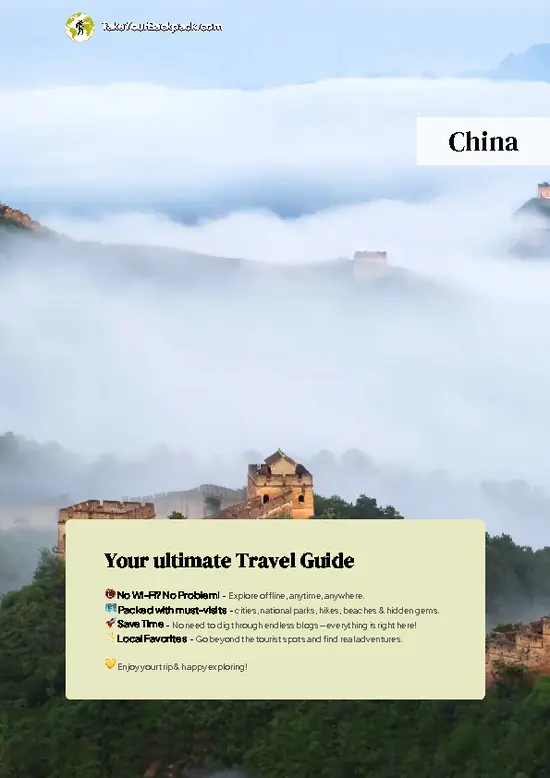
example page 0 from our offline Travel Guide for China
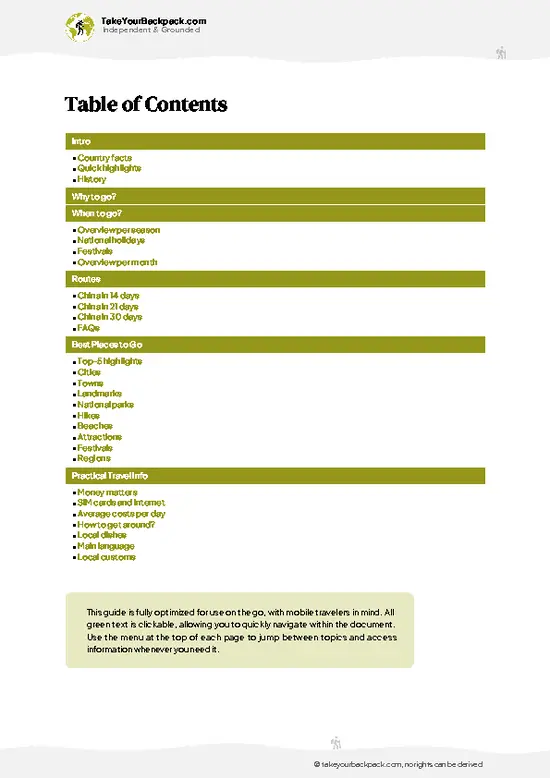
example page 1 from our offline Travel Guide for China
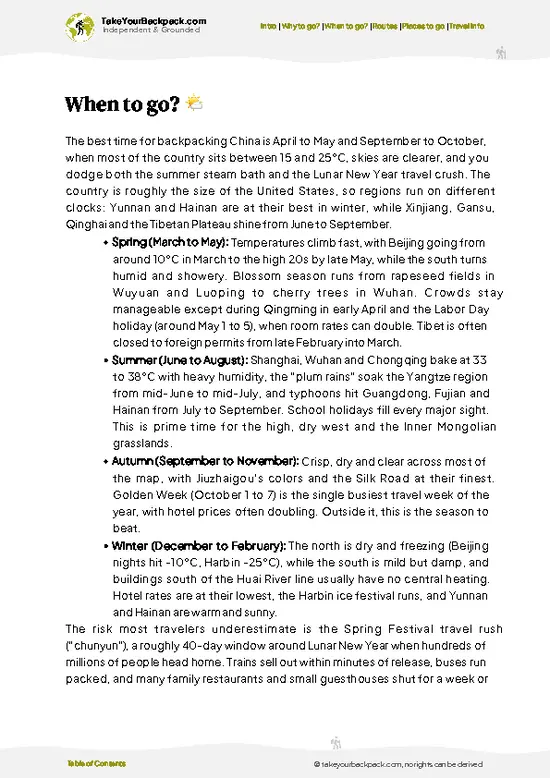
example page 2 from our offline Travel Guide for China
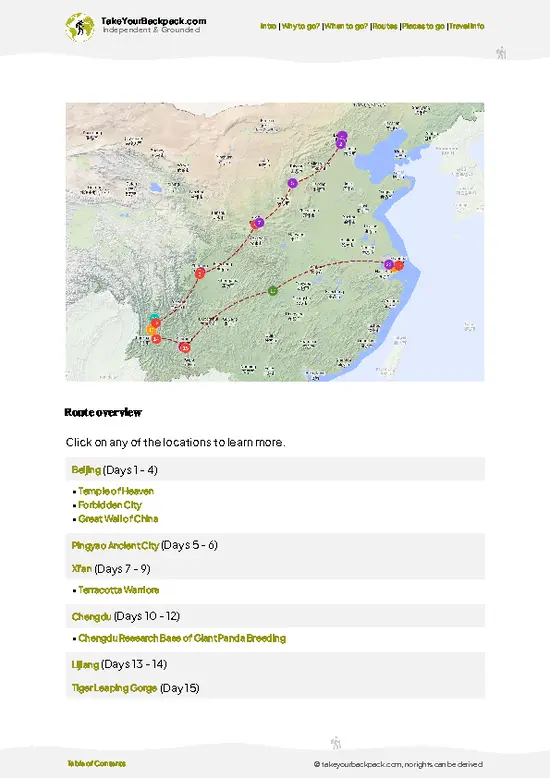
example page 3 from our offline Travel Guide for China
example page 4 from our offline Travel Guide for China
example page 5 from our offline Travel Guide for China
example page 6 from our offline Travel Guide for China
example page 7 from our offline Travel Guide for China
The digital guide (496 pages) contains:
139 highlights, ranked by travel appeal
Optimized 14, 21 & 30-day travel routes
Cities, national parks, landmarks, beaches
How to get around
Offline-friendly for travel without Wi-Fi
👉 Click to see all 30+ guide features

📅 Plan smarter in minutes, not weeks
Month by month travel advice
Festivals & national holidays
Budget expectations

🗺️ Go to the right places, skip the overrated ones
Honest pros & cons of destinations
Top hikes, parks & viewpoints
Lesser-known places most travelers miss
Clear “worth it vs skip it” guidance

🛏️ Travel smoothly without rookie mistakes
Best areas to stay
Transport systems explained simply
Common scams & safety advice
SIM cards, money & practical tips

🌍 Understand the country, not just visit it
Culture & traditions
52 Essential phrases & customs
Festivals worth planning around
Traveler-friendly historical context
Insights that make places more meaningful

📱 Built for real travel conditions
Fully downloadable PDF
Works completely offline
Optimized for phone use
Useful in remote areas & buses
Everything in one place
Save weeks of stressful planning
Get instant access to your full guide. 30‑day money-back guarantee.


By proceeding you agree to our terms.
Sent to your inbox immediately after payment • 100% Secure Checkout
Best Backpacking Travel Advisor 2025 tourism awardBest Backpacking
Travel Advisor
2025
What others say about Take Your Backpack Guides:
⭐⭐⭐⭐⭐
Fantastic, amazing amount of information!
⭐⭐⭐⭐⭐
My goodness this is amazing, it's what I've been looking for hats off too you!
⭐⭐⭐⭐⭐
I think this is absolutely BRILLIANT
⭐⭐⭐⭐
Very complete and informative. It's still missing places, but I gotta to commend you
⭐⭐⭐⭐⭐
This is truly amazing, thank you, can't wait to explore it with my kids!
⭐⭐⭐⭐⭐
Awesome resource, thank you!
⭐⭐⭐⭐⭐
This is amazing! Can't wait to explore the ones I haven't seen
⭐⭐⭐⭐
I love this! Well done, great idea.
⭐⭐⭐⭐⭐
Thanks for taking the time to make this gem!
⭐⭐⭐⭐⭐
This might be the best website I've ever seen.
⭐⭐⭐⭐⭐
Congratulations, and thank you so much for your work; it's incredibly valuable.
⭐⭐⭐⭐
In all seriousness I think you did a great job pointing out the important spots
⭐⭐⭐⭐⭐
10/10 very good
⭐⭐⭐⭐⭐
As someone who's only just starting to visit regularly this is awesome, thank you.
⭐⭐⭐⭐
Thank you very much! I'm going to visit my dad, it's going to be very useful!
⭐⭐⭐⭐⭐
This is really cool! We'll be travelling for the first time and this definitely come in handy.
⭐⭐⭐⭐⭐
You are now our minister of culture, congratulations 👨‍💼
⭐⭐⭐⭐⭐
Just wanted to tell you that this is a pearl! Going to follow your recommendations.
⭐⭐⭐⭐⭐
This is so cool. I'll definitely be using the resource for my travels soon.
⭐⭐⭐⭐⭐
This is very impressive! Good work.
⭐⭐⭐⭐⭐
This is an amazing and informative site. Very well done!

🛏️ Where to stay?Where staying makes the most sense

Mount Wutai National Park offers a few solid options for backpackers. Inside the park, the Wutai Shan Hotel is a decent choice, providing basic amenities and easy access to the temples. It’s not luxury, but it keeps you close to the action.

If you prefer a bit more variety, head to the nearby town of Wutai. Here, you’ll find guesthouses and hostels that cater to budget travelers. Places like the Wutai Mountain Youth Hostel offer a friendly atmosphere and are great for meeting fellow adventurers.

Be mindful of peak seasons; prices can spike and availability can dwindle. Always check for hidden … read more 👉
Mount Wutai National Park offers a few solid options for backpackers. Inside the park, the Wutai Shan Hotel is a decent choice, providing basic amenities and easy access to the temples. It’s not luxury, but it keeps you close to the action.

If you prefer a bit more variety, head to the nearby town of Wutai. Here, you’ll find guesthouses and hostels that cater to budget travelers. Places like the Wutai Mountain Youth Hostel offer a friendly atmosphere and are great for meeting fellow adventurers.

Be mindful of peak seasons; prices can spike and availability can dwindle. Always check for hidden fees, especially for meals or extra services. Staying flexible with your plans can save you both energy and cash, letting you focus on the breathtaking scenery and spiritual vibe of the area.

👛 Costs (as of 12 January 2025)What things cost and how to budget

Visiting Mount Wutai National Park in China requires some financial planning. The entrance fee typically ranges from €10 to €15 (about $11 to $16). This fee grants you access to the park’s stunning landscapes and cultural sites.

Transportation costs can vary widely. If you’re traveling from nearby cities like Taiyuan, expect to pay around €10 to €20 ($11 to $22) for a bus ticket. Private taxis or rideshares will set you back significantly more, often between €50 and €80 ($55 to $88) depending on your starting point.

Accommodations near the park can range from budget hostels at about €15 to €30 ($16 to $33) per night to mid-range hotels costing €40 to €80 ($44 to $88). If you prefer a more luxurious stay, expect to pay upwards of €100 ($110).

Food costs are generally reasonable. Street food … read more 👉
Visiting Mount Wutai National Park in China requires some financial planning. The entrance fee typically ranges from €10 to €15 (about $11 to $16). This fee grants you access to the park’s stunning landscapes and cultural sites.

Transportation costs can vary widely. If you’re traveling from nearby cities like Taiyuan, expect to pay around €10 to €20 ($11 to $22) for a bus ticket. Private taxis or rideshares will set you back significantly more, often between €50 and €80 ($55 to $88) depending on your starting point.

Accommodations near the park can range from budget hostels at about €15 to €30 ($16 to $33) per night to mid-range hotels costing €40 to €80 ($44 to $88). If you prefer a more luxurious stay, expect to pay upwards of €100 ($110).

Food costs are generally reasonable. Street food and local eateries can offer meals for as little as €3 to €7 ($3.30 to $7.70). Dining in more upscale restaurants might cost around €15 to €30 ($16 to $33) per meal.

Keep in mind that additional costs may arise. Some temples or specific attractions within the park may charge extra fees, typically around €2 to €5 ($2.20 to $5.50).

Plan for these expenses to avoid surprises. This way, you can focus on enjoying the serene beauty and spiritual significance of Mount Wutai without worrying about your budget.


source: chinaguide.com
⚠️ Prices can change and everyone travels differently, so take this as a rough guide. Hope it helps you plan your adventure!

🥾 TrailsScenic routes and wildlife spotting in Mount Wutai

Mount Wutai National Park is a gem for hikers, offering stunning views and a mix of terrain that caters to various skill levels. The park is famous for its five peaks, each with unique features, including ancient temples and lush forests. Wildlife enthusiasts might spot everything from monkeys to rare birds flitting through the trees, adding an extra layer of excitement to your trek.

One popular trail is the Wutai Mountain Loop Trail. Here are the details:
  • Length: 15 km
  • Estimated Duration: 6-8 hours
  • Difficulty Level: Moderate
  • Key Features: Scenic views of the peaks, ancient monasteries, and diverse
read more 👉
Mount Wutai National Park is a gem for hikers, offering stunning views and a mix of terrain that caters to various skill levels. The park is famous for its five peaks, each with unique features, including ancient temples and lush forests. Wildlife enthusiasts might spot everything from monkeys to rare birds flitting through the trees, adding an extra layer of excitement to your trek.

One popular trail is the Wutai Mountain Loop Trail. Here are the details:
  • Length: 15 km
  • Estimated Duration: 6-8 hours
  • Difficulty Level: Moderate
  • Key Features: Scenic views of the peaks, ancient monasteries, and diverse flora
  • Terrain: Rocky paths, forested areas, and some steep sections

Another great option is the Taiping Peak Trail:
  • Length: 8 km
  • Estimated Duration: 3-4 hours
  • Difficulty Level: Moderate to Challenging
  • Key Features: Panoramic views from the summit, historical sites
  • Terrain: Steep inclines, well-marked paths, and some loose gravel

Getting to Mount Wutai is pretty straightforward. You can catch a bus from nearby cities like Taiyuan or Datong, which makes it accessible for budget travelers. Just be prepared for potential crowds, especially during weekends or holidays, as it’s a popular spot for both tourists and locals. There’s usually a small entrance fee, so keep some cash handy. Overall, it’s a fantastic place to immerse yourself in nature without breaking the bank.
⚠️ Hiking info can sometimes be outdated or inaccurate. Before you hit the trail, check the latest conditions with locals. If you do spot anything that's off, I'd love to hear from you, so I can update it for fellow travelers.

🛡️ SafetyScams, Hazards, and Annoyances

Mount Wutai National Park offers a generally accessible experience, but a few practical considerations can enhance your journey. Weather can shift quickly; mornings may start cool, but afternoons can bring heat. Dress in layers and check forecasts before heading out.

The terrain varies, with some steep sections and rocky paths. Good footwear is essential for stability. Navigation is straightforward, but keep a map handy; trail markers can be sparse in places.

Wildlife is present, including monkeys. Maintain a respectful distance and avoid feeding them. This keeps both you and the animals safe. Prepare for altitude, especially if you’re not acclimatized; take it slow and stay hydrated.

Other Chinese national parks near Mount Wutai

Explore more nearby:


💡 Not sure where to go next?
Create a personalized itinerary for China including Mount Wutai and the places that fit your trip.

Generate my itinerary

👉 Discover all national parks

Or checkout all China has to offer (think cities, towns, villages, national parks, hikes, beaches, festivals)
Country photo of China

We 💚 feedbackSumming up the experience

Mount Wutai National Park is a treasure for those seeking spiritual depth amid stunning landscapes. The intricate temples and serene vibes are worth every step. Just be ready for the altitude; it can zap your energy if you’re not acclimated. Take it slow, and you’ll soak in the magic without burning out.

✈️ When did I visit China?
As part of my 1.5 year travel around the world trip, I visited China in August 2015, coming from Mongolia by the TransMongolia Express.

✍️ Help improve this page!
The information on this page is based on my own backpacking experience in China, supplemented with up-to-date research and feedback from other travelers. Travel details can change, so if you notice anything outdated or incomplete, feel free to let me know.


🙋‍♂️ Give feedback

👋 Meet the founderWho’s Behind Take Your Backpack?

Johan, backpacker and founder of TakeYourBackpackHi, I’m Johan (Netherlands 🇳🇱), the creator of TakeYourBackpack. Over the past decade, I’ve backpacked through 80+ countries across six continents, gaining extensive experience with independent travel, long-term trips, and overland routes.

This site is built on a combination of firsthand travel experience and carefully curated insights from other backpackers. Many guides are based on places I’ve personally visited, while others bring together tips, observations, and practical advice shared by trusted travelers I’ve met along the way.

The goal is to provide realistic, experience-driven guidance — not generic itineraries — so you can explore destinations with better context, clearer expectations, and more confidence.

Get full China guide •
Instant download • 139 highlights • Full Offline guide