×

China🇨🇳 | best national parksTop-Rated 10 national parks in China

China’s national parks offer a rich tapestry of landscapes, wildlife, and adventure opportunities, each uniquely shaped by the country’s diverse geography and climate. Defined by their commitment to conservation and accessibility, these parks range from the towering peaks of the Himalayas to the lush forests of Zhejiang. Understanding the regional and seasonal nuances is crucial for backpackers and independent travelers aiming to maximize their experience.

The selection of a national park significantly influences your exploration style. For instance, parks in the Tibetan Plateau present rugged terrains ideal for seasoned trekkers, while those in Yunnan offer gentler trails perfect for leisurely hikes. Seasonal variations also play a pivotal role; visiting during the spring or autumn often provides milder weather and fewer crowds, enhancing both safety and immersion in local culture.

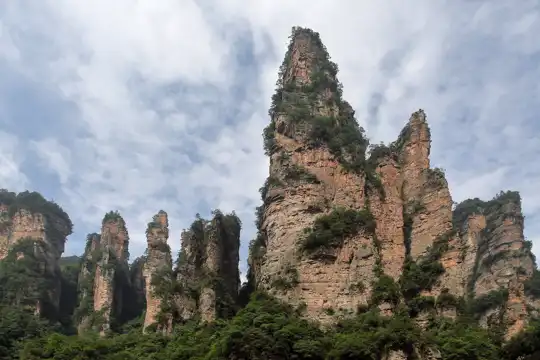
Budget considerations are equally important. Parks like Zhangjiajie may have higher entrance fees but reward visitors with breathtaking views and unique rock formations, while lesser-known parks can offer a more intimate experience at a fraction of the cost. Ultimately, choosing the right national park in China not only shapes the vibe of your journey but also dictates the pace, safety, and depth of your cultural engagement.

By Johan Kruseman 🇳🇱 | Updated September 4, 2026
Explore the best hikes in China

Why go?Understanding Their Importance

National parks in China are a remarkable intersection of biodiversity, cultural heritage, and geographic diversity. Unlike many countries, China’s national parks encapsulate vast ecosystems ranging from the towering peaks of the Himalayas to subtropical rainforests. This variety creates a unique opportunity for travelers to experience multiple climates and landscapes within a single country. The sheer scale of these parks allows for a depth of exploration that is often unmatched elsewhere.

However, the infrastructure surrounding these parks can be a double-edged sword. While major parks are increasingly accessible due to improved roads and transportation options, this accessibility often comes with trade-offs. The more popular parks can feel crowded, diluting the immersive experience that … read more 👉
National parks in China are a remarkable intersection of biodiversity, cultural heritage, and geographic diversity. Unlike many countries, China’s national parks encapsulate vast ecosystems ranging from the towering peaks of the Himalayas to subtropical rainforests. This variety creates a unique opportunity for travelers to experience multiple climates and landscapes within a single country. The sheer scale of these parks allows for a depth of exploration that is often unmatched elsewhere.

However, the infrastructure surrounding these parks can be a double-edged sword. While major parks are increasingly accessible due to improved roads and transportation options, this accessibility often comes with trade-offs. The more popular parks can feel crowded, diluting the immersive experience that many seek. Conversely, lesser-known parks may offer solitude and rich encounters with nature but can be challenging to reach. Understanding this balance is crucial for maximizing the adventure.

China’s national parks also reflect a deep cultural significance. Many are intertwined with historical narratives and local traditions, adding layers of meaning to the landscapes. This cultural context enhances the experience, allowing travelers to connect with the land on a deeper level. However, this connection often requires a willingness to engage with local customs and practices, which may not always align with Western expectations of travel.

The climatic conditions in China further complicate the national park experience. Regions can vary dramatically in weather, affecting accessibility and the best times to visit. For instance, some parks may be best explored in spring or autumn, when temperatures are mild and flora is vibrant. Understanding these climatic nuances can help travelers plan effectively, ensuring they don’t miss out on the best experiences.

Moreover, the trade-offs between travel time and depth of exploration are significant. While some parks are located near major urban centers, allowing for quick visits, the most rewarding experiences often lie in remote areas that require more time and effort to reach. This means that travelers must weigh the convenience of accessibility against the richness of a more profound exploration.

In summary, national parks in China offer a unique blend of landscapes, biodiversity, and cultural richness. However, the interplay of accessibility, infrastructure, and climatic factors creates a complex landscape for travelers. Understanding these dynamics empowers visitors to make informed choices, transforming logistics into a strategic game where the rewards are not just in the destination, but in the journey itself.
How the List Was Created
The list of best national parks in China is created based on landscapes, wildlife, adventure opportunities, facilities, and overall experience. If you feel a national park is missing in this list, please let us know.

When to go?When to Plan Your Trip

Seasonality and National Parks in China


Understanding when to visit national parks in China is crucial for maximizing the experience. The country’s vast geography means that weather patterns vary significantly, influencing wildlife visibility, trail conditions, and overall enjoyment.

Spring, typically from March to May, is a prime time for exploration. Temperatures are moderate, and wildlife becomes active after winter. This season offers a chance to see animals emerging from hibernation, but rainfall can be unpredictable. Trails may be muddy, especially in lower elevations. The trade-off here is between vibrant scenery and potential crowding, as many travelers flock to parks during this period.

Summer, from June to August, brings heat and humidity. While this season offers lush landscapes … read more 👉

Seasonality and National Parks in China


Understanding when to visit national parks in China is crucial for maximizing the experience. The country’s vast geography means that weather patterns vary significantly, influencing wildlife visibility, trail conditions, and overall enjoyment.

Spring, typically from March to May, is a prime time for exploration. Temperatures are moderate, and wildlife becomes active after winter. This season offers a chance to see animals emerging from hibernation, but rainfall can be unpredictable. Trails may be muddy, especially in lower elevations. The trade-off here is between vibrant scenery and potential crowding, as many travelers flock to parks during this period.

Summer, from June to August, brings heat and humidity. While this season offers lush landscapes and vibrant flora, it also means increased rainfall, particularly in southern regions. Trails can become slippery, and some areas may be prone to flooding. Wildlife visibility can be lower as animals seek cooler, shaded areas. The peak tourist season also means crowded trails and higher accommodation costs.

Autumn, from September to November, is often regarded as the best time to visit. The weather is generally stable, with cooler temperatures and less rainfall. Fall foliage adds a stunning backdrop, enhancing the visual experience. Wildlife is still active, making it a great time for animal sightings. However, as this is a popular season, expect more visitors, particularly in well-known parks.

Winter, spanning December to February, presents a different set of challenges. Cold temperatures can deter many travelers, but for those willing to brave the chill, the parks can be serene and uncrowded. Snow can create stunning landscapes, but trail conditions may be difficult. Wildlife visibility is often lower, as many animals hibernate or migrate. The trade-off here is between solitude and the potential for harsh weather.

Shoulder seasons, particularly late spring and early autumn, offer a balance. These months can provide favorable weather conditions with fewer crowds and lower costs. However, travelers should be prepared for variable conditions, as spring may still bring rain and autumn can see early snow in some areas.

In summary, the best time to visit national parks in China hinges on understanding these seasonal dynamics. Each season presents unique opportunities and challenges, making it essential to align travel plans with personal preferences and desired experiences.

national park hoppingPlanning Your Route Efficiently

General Routing Logic

To efficiently combine multiple national parks in China, start by clustering parks within the same region. This minimizes travel time and maximizes exploration. For instance, consider the Sichuan province, home to both Jiuzhaigou and Huanglong. These parks are relatively close, allowing for a seamless transition between stunning landscapes.

Next, think about the direction of travel. A logical route might begin in the southwest, moving northeast, or vice versa. This approach reduces backtracking, which can waste precious time. For example, starting in Yunnan with parks like Shangri-La and then heading to Sichuan creates a natural flow.

Typical Time Needed

Allocate at least two to three days per park for a fulfilling experience. This timeframe allows for hiking, wildlife … read more 👉

General Routing Logic

To efficiently combine multiple national parks in China, start by clustering parks within the same region. This minimizes travel time and maximizes exploration. For instance, consider the Sichuan province, home to both Jiuzhaigou and Huanglong. These parks are relatively close, allowing for a seamless transition between stunning landscapes.

Next, think about the direction of travel. A logical route might begin in the southwest, moving northeast, or vice versa. This approach reduces backtracking, which can waste precious time. For example, starting in Yunnan with parks like Shangri-La and then heading to Sichuan creates a natural flow.

Typical Time Needed

Allocate at least two to three days per park for a fulfilling experience. This timeframe allows for hiking, wildlife spotting, and soaking in the unique atmosphere. Some parks, like Zhangjiajie, may require more time due to extensive trail systems and breathtaking viewpoints. Balancing time spent in each park is crucial; too little time can lead to rushed visits, while too much can limit the number of parks explored.

Common Planning Mistakes

One common mistake is underestimating travel times between parks. Distances in China can be deceptive, especially in mountainous regions where roads may be winding and slow. Always check local transport options, as some parks may require private transport or longer bus rides.

Another pitfall is over-scheduling. While it’s tempting to cram in as many parks as possible, this often leads to fatigue and a superficial experience. Prioritize quality over quantity; a deeper connection with fewer parks can be more rewarding than a hurried tour of many.

Trade-offs and Constraints

Travelers must weigh speed against depth of experience. A fast-paced itinerary may cover more ground but often sacrifices the chance to truly engage with each park’s unique offerings. Conversely, a slower pace allows for immersion but can limit the number of parks visited.

Budget considerations also play a role. Some parks have entrance fees, and accommodations can vary widely in price. Balancing comfort with cost is essential; opting for mid-range lodgings can enhance the experience without breaking the bank.

Flexibility is key. Weather conditions can change rapidly, especially in mountainous areas. Having a loose itinerary allows for adjustments based on local conditions or personal energy levels. This adaptability can transform a good trip into a great one, ensuring that every moment spent in China’s national parks is both enjoyable and enriching.

The ListHighly Recommended national parks of China

1 Jiuzhaigou Valley National Park

multicolored lakes, tiered waterfalls, Tibetan villages

Follow wooden walkways past turquoise pools and cascading streams, encountering traditional hamlets set among forested valleys and alpine scenery.

china-national-park-jiuzhaigou-valley-national-park
© Google |

2 Zhangjiajie National Forest Park

quartz-sandstone towers, suspended walkways, dense forest

Wander through a maze of vertical cliffs and lush valleys, where mist and foliage create an otherworldly atmosphere.

China - Zhangjiajie National Forest Park

3 Huangshan National Park

granite peaks, twisted pines, sea of clouds

Ascend stone steps to wind-sculpted summits, where shifting mists and ancient trees create a landscape prized by generations of artists.

china-national-park-huangshan-national-park
© Google |

4 Wulingyuan Scenic Area

sandstone columns, deep ravines, glass skywalk

Venture along cliffside trails and vertiginous bridges, surrounded by thousands of vertical pinnacles and lush subtropical forest.

5 Yading Nature Reserve

snow-capped peaks, sacred lakes, high-altitude grasslands

Hike beneath towering mountains revered by pilgrims, passing turquoise waters and open plains grazed by yaks and horses.

6 Mount Emei National Park

monasteries, forested slopes, golden summit statue

Climb through bamboo groves and cloud forests, sharing the path with pilgrims and monkeys on the way to sacred heights.

china-national-park-mount-emei-national-park
© Google |

7 Shilin Stone Forest

limestone pillars, maze-like paths, karst formations

Navigate a labyrinth of towering rocks, where centuries of erosion have sculpted a surreal landscape dotted with local Sani culture.

8 Pudacuo National Park

highland meadows, alpine lakes, rhododendron forests

Trek through open grasslands and dense woods, observing rare wildlife and seasonal blooms in a region shaped by Tibetan culture.

9 Meili Snow Mountain National Park

glaciated peaks, prayer flags, remote villages

Gaze at sacred summits rising above deep valleys, where Tibetan traditions and rugged terrain define the journey.

10 Yulong Snow Mountain Scenic Area

glacier park, cable car, Naxi culture

Ascend to high-altitude viewpoints for sweeping vistas, then descend to explore minority villages and alpine meadows.

11 Mount Hua National Park

precipitous ridges, plank walk, Daoist shrines

Traverse narrow ledges and steep stairways, encountering cliffside temples and dramatic drops along the ascent.

12 Mount Wutai National Park

Buddhist monasteries, rolling plateaus, prayer halls

Visit a spiritual center dotted with temples, where cool grasslands and open skies offer a tranquil setting for reflection.

13 Mount Sanqingshan National Park

granite spires, Taoist relics, cloud bridges

Traverse narrow walkways suspended above valleys, surrounded by fantastical rock formations and spiritual sites hidden in the mist.

14 Danxia Mountain National Park

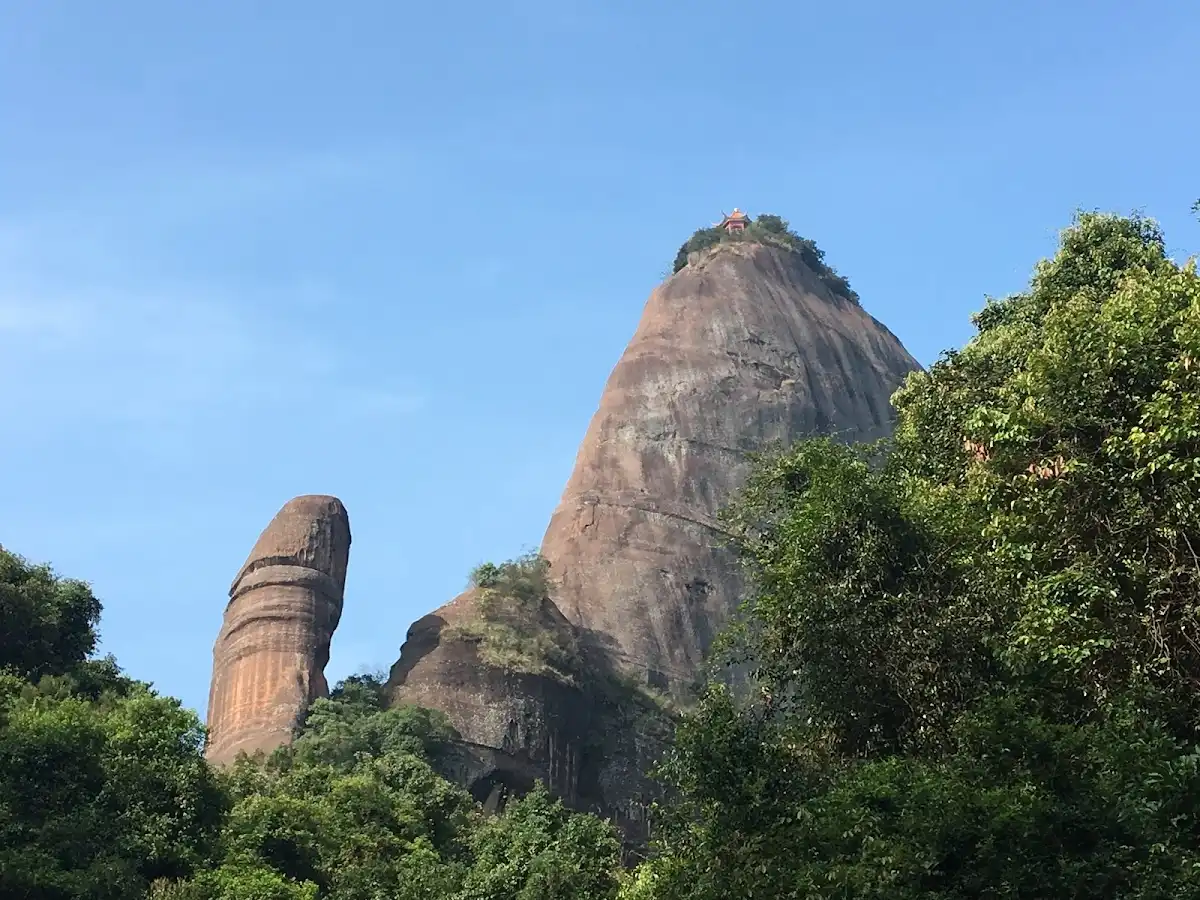
red sandstone cliffs, natural arches, Buddhist grottoes

Walk among vividly colored rock faces and sculpted landforms, exploring caves and temples carved into the hillsides.

china-national-park-danxia-mountain-national-park
© Google |

15 Mount Jiuhua National Park

pilgrimage temples, forested peaks, Buddhist relics

Experience a network of sacred sites and wooded ridges, drawing visitors seeking both spiritual meaning and mountain vistas.

16 Mount Qingcheng National Park

dense bamboo, Taoist temples, winding trails

Immerse yourself in shaded forests and tranquil courtyards, tracing the origins of Taoism through a network of peaceful paths.

17 Lushan National Park

misty cliffs, summer villas, Buddhist temples

Wander through cool mountain air, discovering historic retreats and religious sites nestled among dramatic ridges and lush vegetation.

18 Taishan Mountain National Park

stone stairways, imperial inscriptions, sunrise viewpoints

Climb a historic pilgrimage route lined with calligraphy, reaching panoramic summits that have inspired poets and emperors.

19 Hailuogou Glacier Forest Park

glacial tongue, hot springs, virgin forest

Approach the foot of a massive glacier, soaking in thermal pools and traversing ancient woods at the edge of the Tibetan Plateau.

20 Mount Heng National Park

granite outcrops, ancient pagodas, forested slopes

Explore wooded hills and historic structures, where religious heritage and natural scenery blend along quiet mountain trails.

Think you know China?

Prove you’re a true local — uncover 10 lesser-known national parks in China that locals tend to keep to themselves.
Loading the map 🌍

Expert viewExpert Commentary on national parks

Terrain

China’s national parks showcase a stunning variety of terrains, from the jagged peaks of the Himalayas to the lush forests of the southeast. Understanding this diversity is key to maximizing your experience. Each park offers unique landscapes that cater to different interests. For instance, if you’re drawn to dramatic mountain scenery, parks like Zhangjiajie and Jiuzhaigou are must-visits. However, the trade-off here is time; these parks often require longer travel times and can be crowded, especially during peak seasons.

On the flip side, parks like Wulingyuan provide a more accessible experience with well-maintained trails and infrastructure. Here, you can enjoy breathtaking views without the extensive effort required in more remote areas. Prioritize parks based on your physical … read more 👉

Terrain

China’s national parks showcase a stunning variety of terrains, from the jagged peaks of the Himalayas to the lush forests of the southeast. Understanding this diversity is key to maximizing your experience. Each park offers unique landscapes that cater to different interests. For instance, if you’re drawn to dramatic mountain scenery, parks like Zhangjiajie and Jiuzhaigou are must-visits. However, the trade-off here is time; these parks often require longer travel times and can be crowded, especially during peak seasons.

On the flip side, parks like Wulingyuan provide a more accessible experience with well-maintained trails and infrastructure. Here, you can enjoy breathtaking views without the extensive effort required in more remote areas. Prioritize parks based on your physical readiness and the type of terrain that excites you. If you’re short on time, consider focusing on one region to minimize travel and maximize exploration.

Park Infrastructure

The infrastructure in China’s national parks varies significantly. Some parks are well-equipped with visitor centers, marked trails, and amenities, while others may feel more rugged and less developed. Parks like Huangshan are known for their extensive facilities, including cable cars that can save you energy and time. However, relying on these can lead to a more touristy experience, which might detract from the raw beauty of the landscape.

Conversely, parks with less infrastructure, such as the remote areas of Kanas, offer a more authentic experience but require a higher level of self-sufficiency. You’ll need to plan for basic accommodations and food, which can be a rewarding challenge but may also lead to logistical headaches. Balancing your desire for comfort with the authenticity of the experience is crucial. If you prefer a smoother journey, prioritize parks with better infrastructure, especially if you’re traveling with family or less experienced hikers.

Wildlife Activity

Wildlife encounters can be a highlight of your national park experience, but they vary widely across regions and seasons. Parks in the north, like Changbai Mountain, are known for their rich biodiversity, including rare species like the Siberian tiger. However, spotting wildlife often requires patience and timing; early mornings or late afternoons are typically the best times for sightings.

In contrast, parks in the south, such as Xishuangbanna, offer a different array of wildlife, including tropical species. The trade-off here is that while the wildlife may be more abundant, the dense vegetation can make sightings more challenging. Understanding the best times to visit each park based on wildlife activity can enhance your experience. Research seasonal patterns and be prepared to adjust your itinerary accordingly. If wildlife is a priority, consider dedicating more time to parks known for their animal activity, even if it means skipping others.

Time Management

When planning your national park visits, time management is crucial. Ideally, aim to visit three to five parks, depending on your travel style and the depth of exploration you desire. Each park can require anywhere from two to five days to fully appreciate, factoring in travel time between locations.

If you’re on a tight schedule, focus on parks within the same region to minimize transit time. For instance, visiting parks in the Sichuan province can be more efficient than hopping between distant locations. However, this approach may limit your exposure to the diverse landscapes China has to offer. Balancing the number of parks with the time you have will help you avoid the stress of rushing through experiences. Prioritize parks that resonate most with your interests, whether that’s hiking, photography, or cultural immersion.

Cultural Considerations

Cultural context plays a significant role in your national park experience. Many parks are situated near local communities that offer unique insights into traditional practices and lifestyles. Engaging with local culture can enrich your visit, but it also requires sensitivity and awareness.

For example, in areas like Zhangjiajie, you may encounter local ethnic groups with distinct customs. Respecting their traditions is essential, and learning a few basic phrases in Mandarin can go a long way in fostering goodwill. However, be mindful that some parks may have restrictions on where you can go or what you can do, especially in areas with significant cultural heritage. Understanding these nuances will not only enhance your experience but also ensure that you’re a responsible traveler.

Safety Considerations

Safety is paramount when exploring China’s national parks. While most parks are well-maintained, the rugged terrain can pose risks, especially for those unaccustomed to hiking. Always check trail conditions and weather forecasts before setting out.

Additionally, be aware of wildlife safety protocols. In areas where bears or snakes are present, knowing how to react can make a difference. Carrying a first-aid kit and having a basic understanding of outdoor safety can prepare you for unexpected situations.

Traveling in groups is often safer and can enhance the experience, allowing for shared insights and camaraderie. If you’re venturing into less developed parks, consider hiring a local guide who knows the terrain and can provide valuable context. Balancing adventure with caution will ensure a more enjoyable and secure experience.

Conclusion

Navigating China’s national parks is a rewarding endeavor that requires thoughtful planning and an understanding of the systems at play. By considering terrain, infrastructure, wildlife, time management, cultural nuances, and safety, you can craft an experience that aligns with your interests and capabilities. Embrace the journey, and let the landscapes and cultures of China inspire you.

✈️ The backpacker research shortcutChina Travel Guide

An offline-friendly backpacking guide with optimized travel routes, ranked highlights, transport advice, and the best areas to stay.
example page 0 from our offline Travel Guide for China
example page 1 from our offline Travel Guide for China
example page 2 from our offline Travel Guide for China
example page 3 from our offline Travel Guide for China
example page 4 from our offline Travel Guide for China
example page 5 from our offline Travel Guide for China
example page 6 from our offline Travel Guide for China
example page 7 from our offline Travel Guide for China
The digital guide (463 pages) contains:
130 highlights, ranked by travel appeal
Optimized 14, 21 & 30-day travel routes
Cities, national parks, landmarks, beaches
How to get around
Offline-friendly for travel without Wi-Fi
👉 Click to see all 30+ guide features

📅 Plan smarter in minutes, not weeks
Month by month travel advice
Festivals & national holidays
Budget expectations

🗺️ Go to the right places, skip the overrated ones
Honest pros & cons of destinations
Top hikes, parks & viewpoints
Lesser-known places most travelers miss
Clear “worth it vs skip it” guidance

🛏️ Travel smoothly without rookie mistakes
Best areas to stay
Transport systems explained simply
Common scams & safety advice
SIM cards, money & practical tips

🌍 Understand the country, not just visit it
Culture & traditions
52 Essential phrases & customs
Festivals worth planning around
Traveler-friendly historical context
Insights that make places more meaningful

📱 Built for real travel conditions
Fully downloadable PDF
Works completely offline
Optimized for phone use
Useful in remote areas & buses
Everything in one place
Save weeks of stressful planning
Get instant access to your full guide. 30‑day money-back guarantee.
+ Add another guide for just US$7.80

By proceeding you agree to our terms.
Sent to your inbox immediately after payment • 100% Secure Checkout
Best Backpacking Travel Advisor 2025 tourism awardBest Backpacking
Travel Advisor
2025
What others say about Take Your Backpack Guides:
⭐⭐⭐⭐⭐
Fantastic, amazing amount of information!
⭐⭐⭐⭐⭐
My goodness this is amazing, it's what I've been looking for hats off too you!
⭐⭐⭐⭐⭐
I think this is absolutely BRILLIANT
⭐⭐⭐⭐
Very complete and informative. It's still missing places, but I gotta to commend you
⭐⭐⭐⭐⭐
This is truly amazing, thank you, can't wait to explore it with my kids!
⭐⭐⭐⭐⭐
Awesome resource, thank you!
⭐⭐⭐⭐⭐
This is amazing! Can't wait to explore the ones I haven't seen
⭐⭐⭐⭐
I love this! Well done, great idea.
⭐⭐⭐⭐⭐
Thanks for taking the time to make this gem!
⭐⭐⭐⭐⭐
This might be the best website I've ever seen.
⭐⭐⭐⭐⭐
Congratulations, and thank you so much for your work; it's incredibly valuable.
⭐⭐⭐⭐
In all seriousness I think you did a great job pointing out the important spots
⭐⭐⭐⭐⭐
10/10 very good
⭐⭐⭐⭐⭐
As someone who's only just starting to visit regularly this is awesome, thank you.
⭐⭐⭐⭐
Thank you very much! I'm going to visit my dad, it's going to be very useful!
⭐⭐⭐⭐⭐
This is really cool! We'll be travelling for the first time and this definitely come in handy.
⭐⭐⭐⭐⭐
You are now our minister of culture, congratulations 👨‍💼
⭐⭐⭐⭐⭐
Just wanted to tell you that this is a pearl! Going to follow your recommendations.
⭐⭐⭐⭐⭐
This is so cool. I'll definitely be using the resource for my travels soon.
⭐⭐⭐⭐⭐
This is very impressive! Good work.
⭐⭐⭐⭐⭐
This is an amazing and informative site. Very well done!

🛏️ Where to stay?Top Areas to Stay

Yes — hostels and budget accommodation are common across China, with backpacker-friendly clusters of cheap dorms, guesthouses and family-run hostels in major cities and tourist towns, so book ahead in peak season.
Top neighborhoods with the most/best budget options: Beijing — Dongcheng/Chaoyang (central sights and nightlife; can be noisy and pricier) and Xicheng (quieter, close to historic sites); Shanghai — Huangpu/Jing’an (walkable highlights, excellent transit; busy and costlier) and Pudong (modern but fewer backpacker options); Chengdu — Jinjiang/Wuhou (food streets and transport; lively evenings); Xi’an — Beilin/Muslim Quarter (by the city wall, touristy); Lijiang/Dali/Guilin/Yangshuo … read more 👉
Yes — hostels and budget accommodation are common across China, with backpacker-friendly clusters of cheap dorms, guesthouses and family-run hostels in major cities and tourist towns, so book ahead in peak season.
Top neighborhoods with the most/best budget options: Beijing — Dongcheng/Chaoyang (central sights and nightlife; can be noisy and pricier) and Xicheng (quieter, close to historic sites); Shanghai — Huangpu/Jing’an (walkable highlights, excellent transit; busy and costlier) and Pudong (modern but fewer backpacker options); Chengdu — Jinjiang/Wuhou (food streets and transport; lively evenings); Xi’an — Beilin/Muslim Quarter (by the city wall, touristy); Lijiang/Dali/Guilin/Yangshuo old towns (clustered guesthouses and social scene; crowded in high season).
Tradeoffs to plan for: central areas cut transit time and connect to nightlife but bring noise, higher rates and crowded weekends; outlying districts are cheaper and quieter but add transit time and may limit late-night options, and all places require passport registration at check-in with common small deposits.

If you enjoy meeting fellow travelers, consider choosing hostels with high ratings for atmosphere. On the other hand, if you prefer having your own space, a hotel might be a better option.

ChinaDiscover the Country

👋 Meet the founderWho’s Behind Take Your Backpack?

Johan, backpacker and founder of TakeYourBackpackHi, I’m Johan (Netherlands 🇳🇱), the creator of TakeYourBackpack. Over the past decade, I’ve backpacked through 80+ countries across six continents, gaining extensive experience with independent travel, long-term trips, and overland routes.

This site is built on a combination of firsthand travel experience and carefully curated insights from other backpackers. Many guides are based on places I’ve personally visited, while others bring together tips, observations, and practical advice shared by trusted travelers I’ve met along the way.

The goal is to provide realistic, experience-driven guidance — not generic itineraries — so you can explore destinations with better context, clearer expectations, and more confidence.

Get full China guide •
Instant download • 130 highlights • Full Offline guide