v2.webp)
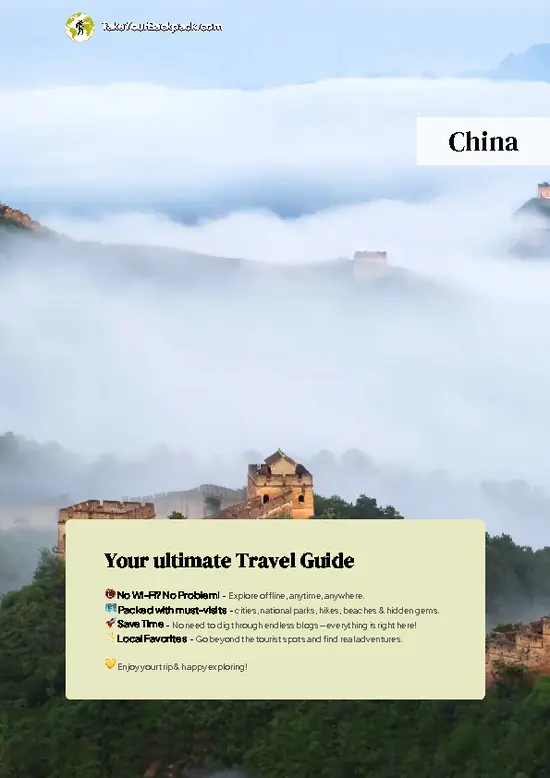
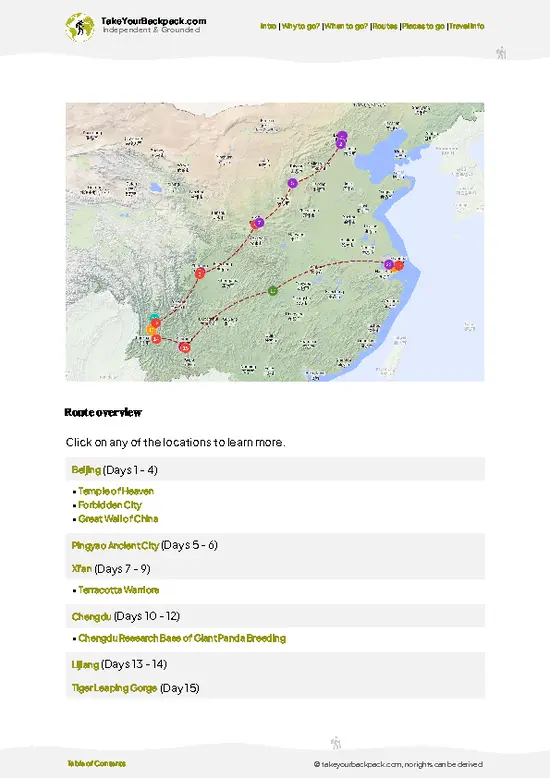
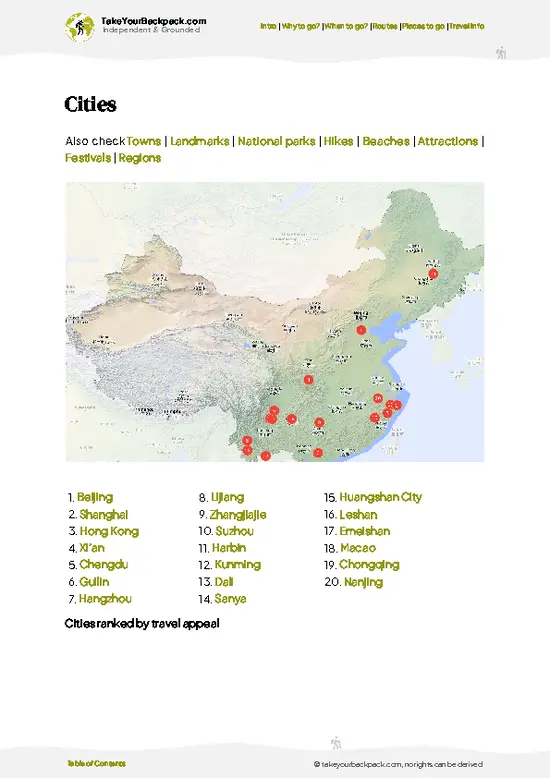
- The Five Flat Peaks (Wutai’s Five Terraces) — The defining silhouette: five broad, relatively flat summits that give the mountain its name and its spiritual meaning. Sacred geography for Chinese Buddhism and a big part of why UNESCO listed the area; each peak has its own temples and atmosphere to explore.
- Pusading (Bodhisattva Peak) — The most pilgrimage-heavy summit, crowned by an ancient temple complex and spectacular views. Go early for sunrise when monks chant and the light hits the ridges — very atmospheric and my personal favorite for both photos and feeling the place’s quiet energy.
- Xiantong Temple — One of Wutai’s largest and oldest monasteries, with layered halls and long courtyards. Architecturally impressive, it’s great for wandering between prayer halls, admiring carved beams,
- The Five Flat Peaks (Wutai’s Five Terraces) — The defining silhouette: five broad, relatively flat summits that give the mountain its name and its spiritual meaning. Sacred geography for Chinese Buddhism and a big part of why UNESCO listed the area; each peak has its own temples and atmosphere to explore.
- Pusading (Bodhisattva Peak) — The most pilgrimage-heavy summit, crowned by an ancient temple complex and spectacular views. Go early for sunrise when monks chant and the light hits the ridges — very atmospheric and my personal favorite for both photos and feeling the place’s quiet energy.
- Xiantong Temple — One of Wutai’s largest and oldest monasteries, with layered halls and long courtyards. Architecturally impressive, it’s great for wandering between prayer halls, admiring carved beams, and watching daily monastic life up close.
- Tayuan Temple and the White Pagoda — Famous for its striking white stupa that dominates the courtyard. The pagoda’s shape and scale stand out among Wutai’s temples; it’s an iconic spot for pictures and gives a sense of the mountain’s Tibetan-Buddhist links.
- Foguang Temple (Tang-dynasty wooden architecture) — A short hop from the main clusters, this temple preserves one of China’s finest early wooden halls dating back to the Tang dynasty. If you geek out on ancient carpentry, roof brackets, and original murals, this is a must-see.
- Monastic life and pilgrim rituals — Not a single building but a living culture: morning chants, circumambulating pilgrims, butter-lamp offerings, and sutra recitations. Observing (or respectfully joining) these practices is the best way to understand Wutai’s spiritual heartbeat.
- Highland scenery and ridge hikes — Beyond temples, the alpine meadows, spruce stands, and cliffside views are surprisingly dramatic, especially in late summer or autumn. Short ridge hikes between peaks give panoramic perspectives you won’t get from the courtyards—bring good shoes and a jacket.
Spotted a mistake or missing something? Contact us.

 Best Backpacking
.jpg) Hi, I’m Johan (Netherlands 🇳🇱), the creator of TakeYourBackpack. Over the past 3 decades, I’ve backpacked through 90+ countries across six continents, gaining extensive experience with independent travel, long-term trips, and overland routes.
Hi, I’m Johan (Netherlands 🇳🇱), the creator of TakeYourBackpack. Over the past 3 decades, I’ve backpacked through 90+ countries across six continents, gaining extensive experience with independent travel, long-term trips, and overland routes.