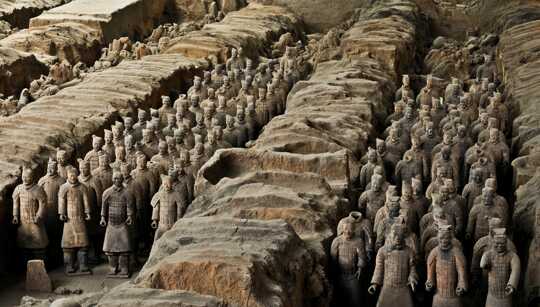
How Many to Visit: Six to eight landmarks is the number I advise for a typical 2 to 3 week trip. Large sites take 4 to 7 hours each, entries are often timed, and the transit between regions is long, so going beyond about eight turns the trip into a checklist and the later ones blur. Fewer, with time to wander the surrounding streets, gives more.
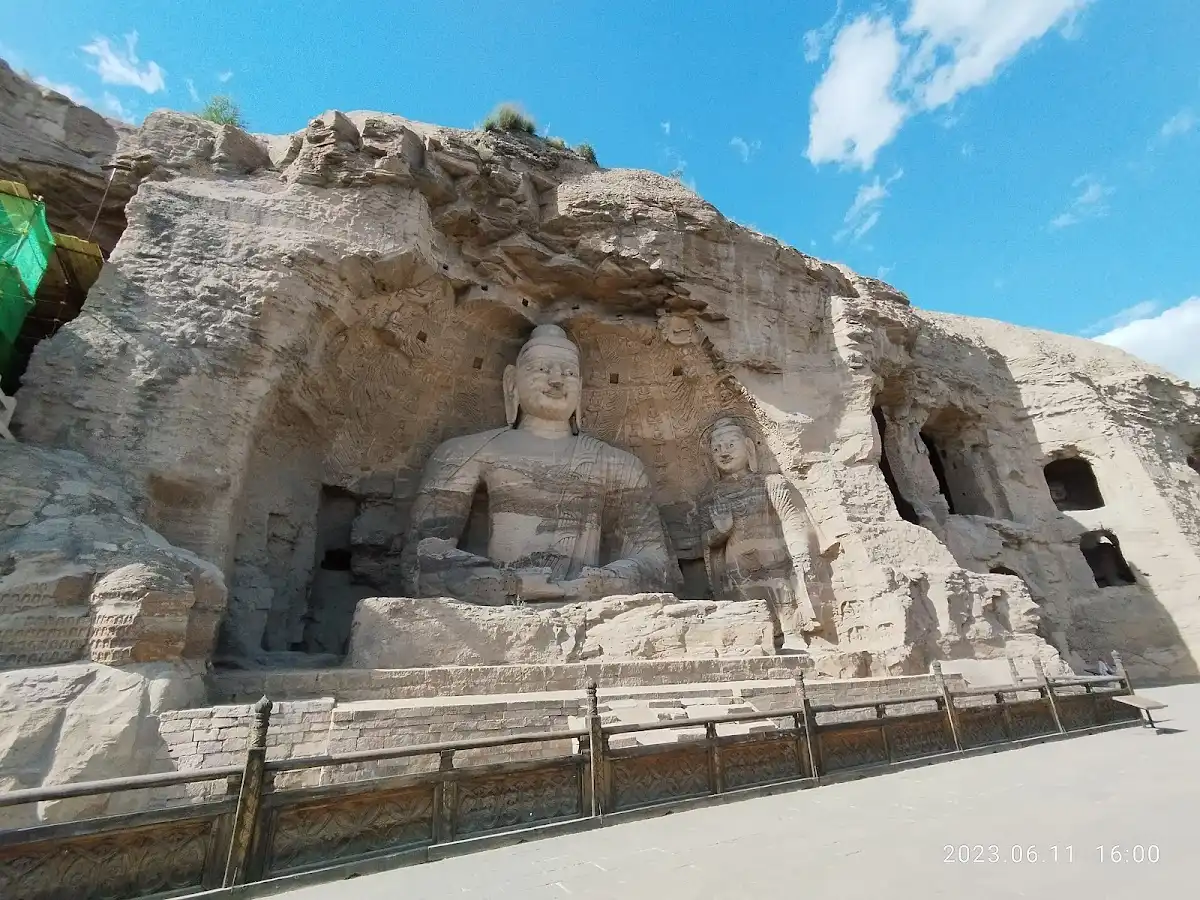
Which Kinds to Prioritize: Imperial palaces and tombs suit history-minded travelers, because their meaning comes from layout and context, and a good audio guide or reading beforehand makes them far richer. Defensive and mountain landmarks suit hikers and photographers, as the experience depends on weather and effort rather than interpretation. Religious and cave sites suit those who like quiet, since they are often best early on weekdays. Modern skylines …
read more 👉 How Many to Visit: Six to eight landmarks is the number I advise for a typical 2 to 3 week trip. Large sites take 4 to 7 hours each, entries are often timed, and the transit between regions is long, so going beyond about eight turns the trip into a checklist and the later ones blur. Fewer, with time to wander the surrounding streets, gives more.
Which Kinds to Prioritize: Imperial palaces and tombs suit history-minded travelers, because their meaning comes from layout and context, and a good audio guide or reading beforehand makes them far richer. Defensive and mountain landmarks suit hikers and photographers, as the experience depends on weather and effort rather than interpretation. Religious and cave sites suit those who like quiet, since they are often best early on weekdays. Modern skylines and engineering structures suit short stays and rainy days. On a tight budget, I would pick two or three paid headline sites and fill the rest with free or cheap old towns, temples and city walks, since many local sites cost under ¥50 (US$7). Anyone with limited time should choose the national-scale sites first and skip the secondary ones that mimic them.
What It Costs: A realistic backpacker budget is ¥300 to 500 (US$42 to 70) a day in the main eastern cities, including a hostel dorm at ¥60 to 120, local meals, metro rides and one or two entries. In the southwest and northwest, ¥200 to 350 (US$28 to 50) a day is workable. Per visit, plan for ¥40 to 120 (US$6 to 17) for ordinary sites and ¥200 to 300 (US$28 to 42) for the headline ones, with extras such as cable cars at ¥80 to 200 (US$11 to 28) one way or return, shuttle buses at ¥10 to 50, and audio guides at ¥30 to 60. Students with valid cards sometimes get discounts, though many sites limit this to Chinese cardholders. Local guides cost ¥200 to 500 (US$28 to 70) per half day and are worth it only at complex historic sites, where signage is thin. Official apps and the site’s own booking channel charge the printed price, while third-party sellers add fees.
Booking and Payment: Most headline sites sell timed tickets that need a passport number, often released several days to two weeks ahead and gone fast in busy months. The reason is crowd control, so an experienced traveler books the night the window opens rather than hoping for walk-up availability. Alipay and WeChat Pay now accept foreign cards through linked accounts, but set this up before you arrive and carry some cash, as small ticket windows and rural sites may still prefer it. Keep the passport with you, since it is the ticket at many gates.
Safety: Violent crime against travelers is rare and most landmark areas are heavily patrolled. The practical risks are different. Crowds in holiday weeks can crush entrances and stairways, so avoid peak dates and skip narrow viewing platforms at closing time. Steep, uneven stone steps and wet paths cause far more injuries than any crime, and decent shoes matter more than any gadget. At high-altitude sites, move gently on arrival, because headaches and breathlessness appear above about 3,000 meters. Petty theft happens in dense tourist areas, so carry a front-facing bag. Tea-house and art-student scams near major sites follow a pattern: a friendly stranger invites you to a nearby venue and the bill is inflated. Politely decline and walk on.
Cultural Considerations: Many landmarks are active religious places, so dress with covered shoulders and knees where incense is burned, keep voices low in halls and do not point cameras at worshippers without asking. Photography is banned inside some halls and around military or border structures, and signs are enforced. Drones are restricted at most sites and in many cities, so leave them at home. Queuing is looser than in some countries, and pushing is common, so patience and a firm step forward work better than irritation. Bring a translation app with offline Chinese, and have your hotel address and destination name written in characters, since this prevents most transport confusion.
Smarter Habits: Arrive at opening time, because domestic tour groups typically appear from about 9:30 or 10:00 and fill the courtyards. Use official or reputable booking channels. Carry a power bank and water, as many sites sell little inside, and what they sell is priced at a premium. Finally, a VPN set up before arrival keeps maps, search and messaging working, since many Western services are blocked inside the country.






 Best Backpacking
 Hi, I’m Johan (Netherlands 🇳🇱), the creator of TakeYourBackpack. Over the past 3 decades, I’ve backpacked through 90+ countries across six continents, gaining extensive experience with independent travel, long-term trips, and overland routes.