×

China🇨🇳 | landmarksMount TaishanPilgrim stairs, stone inscriptions, summit temples | things to do and best time to go

Explore Mount Emei Scenic Area (Leshan Giant Buddha)Explore Mount Wutai

Backpacking in Mount Taishan
UNESCO World Heritage site
👍 Recommendedunique site ranked #11
By Johan Kruseman 🇳🇱 | Updated June 8, 2026

Everyone shows you sunrise shots from an empty summit and makes Mount Taishan look like a private stairway to heaven; in reality, you’re sharing that “spiritual ascent” with tour groups, loudspeakers, and a lot of concrete. Mount Taishan sits in Shandong Province, near Tai’an city, on the rail line between Beijing and Shanghai. As a backpacker destination, it’s a weird but powerful mix: overbuilt and commercial at points, yet genuinely sacred, with emperors, poets, and pilgrims layered into every stone inscription. It’s cheap to reach, not cheap to enter, and the stairs are brutal, but if you hike at night, dodge the worst crowds, and catch temple bells in the dark, it still feels mythic.

Discover everything you want to know in the 📖 China Travel Guide.


Get your China guide
139 ranked highlights, routes & tips, works offline (496 pages)
Loading the map 🌍
CLICK TO FILTER
cities
towns
landmarks
national parks
hikes
beaches
attractions
festivals
regions
SHOW COUNTRY’S BESTSHOW ALL

✨ Why go?
Ranked #11 unique site in China
What makes it a must-see unique site

Mount Taishan is a must-see for backpackers, not just for its iconic status but for the authentic experience it offers. Yes, it can get crowded, especially during peak seasons, but the sweeping views and the sense of spiritual history make it worth the hustle. The climb is challenging but manageable, rewarding you with a sense of accomplishment and breathtaking panoramas. Plus, it’s affordable—entry fees are low, and you can find budget accommodations nearby. Integrate it into your route through Shandong Province; it pairs perfectly with other cultural sites, making your journey richer and more connected.
Want to include Mount Taishan in your China route?
Create a personalized China itinerary that includes Mount Taishan and the places that fit your trip — based on your travel style, budget, and available time. Get your route in seconds.

Generate my trip

💡 HighlightsWhat this place is best known for

  1. Jade Emperor Peak (Yuhuangding) — The actual summit and ceremonial heart of Taishan, with ancient altars, incense burners and a top-of-the-world panorama. It’s where emperors once made offerings; standing there at dawn you feel that history under your boots. (Personal favorite — the sunrise view from here is worth the sore calves.)
  2. Sunrise and the Sea of Clouds — Taishan is famous for dramatic sunrises and the “sea of clouds” that rolls through the valleys. Weather can be fickle, but when it lines up you get intense color, layers, and a real sense of theatrical nature that’s hard to beat.
  3. Eighteen Bends (Shíbā Pán) — The steep, switchbacked stone stairway on the main climbing route is iconic: physically demanding, visually striking and the spot for classic climbing photos. It’s the stretch
read more 👉
  1. Jade Emperor Peak (Yuhuangding) — The actual summit and ceremonial heart of Taishan, with ancient altars, incense burners and a top-of-the-world panorama. It’s where emperors once made offerings; standing there at dawn you feel that history under your boots. (Personal favorite — the sunrise view from here is worth the sore calves.)
  2. Sunrise and the Sea of Clouds — Taishan is famous for dramatic sunrises and the “sea of clouds” that rolls through the valleys. Weather can be fickle, but when it lines up you get intense color, layers, and a real sense of theatrical nature that’s hard to beat.
  3. Eighteen Bends (Shíbā Pán) — The steep, switchbacked stone stairway on the main climbing route is iconic: physically demanding, visually striking and the spot for classic climbing photos. It’s the stretch that makes the ascent feel like an achievement.
  4. Dai Temple (Dàimiào) — The large temple complex at the mountain’s base where imperial processions began. It’s a calm, architecturally rich place to learn the mountain’s religious role without hiking — lots of halls, courtyards and old inscriptions.
  5. Bixia Temple (Bìxiá Sì) — A compact, colorful shrine near the summit dedicated to the Goddess of Dawn. Pilgrims still come for blessings; it’s a good example of living religious culture up high, with prayer ribbons and offerings against a dramatic backdrop.
  6. Stone Inscriptions and Steles — Taishan is basically an open history book carved in rock: imperial edicts, poems and calligraphy chiseled into cliffs and tablets across the mountain. They’re fascinating because they tie natural features to centuries of human reverence.
  7. Ancient Trees, Rock Formations and Carved Steps — Scattered old cypresses, weathered boulders and worn stone steps make the whole climb tactile. These natural and manmade features give the route character — places to rest, frame a photo, or just feel the mountain’s age.
Spotted a mistake or missing something? Contact us.

🌤️ When to go?Weather, crowds, and seasonal trade-offs


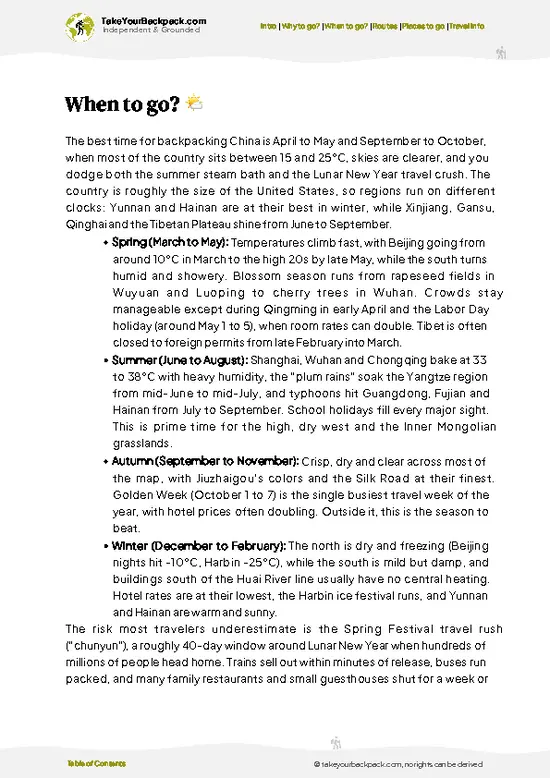
  • Weather: Spring (April-May) and autumn (September-October) offer the best weather—mild and dry. Summers scorch, often hitting 30-35°C (86-95°F), making the climb sweaty and exhausting. Winters plunge below freezing, with icy paths that can be dangerous.

  • Temperature: Expect 10-20°C (50-68°F) in spring and autumn, perfect for hiking without overheating or freezing. Summer’s heat can sap your energy fast, while winter demands serious gear.

  • Daylight Hours: Longer days in summer (up to 14 hours) mean more time to explore, but the heat and crowds can kill the vibe. Spring and autumn offer a balanced 10-12 hours—enough daylight without the oppressive sun.

  • Crowds: Peak tourist season is May Day (early May) and National Day (early October) holidays—expect shoulder-to-shoulder crowds on trails
read more 👉

  • Weather: Spring (April-May) and autumn (September-October) offer the best weather—mild and dry. Summers scorch, often hitting 30-35°C (86-95°F), making the climb sweaty and exhausting. Winters plunge below freezing, with icy paths that can be dangerous.

  • Temperature: Expect 10-20°C (50-68°F) in spring and autumn, perfect for hiking without overheating or freezing. Summer’s heat can sap your energy fast, while winter demands serious gear.

  • Daylight Hours: Longer days in summer (up to 14 hours) mean more time to explore, but the heat and crowds can kill the vibe. Spring and autumn offer a balanced 10-12 hours—enough daylight without the oppressive sun.

  • Crowds: Peak tourist season is May Day (early May) and National Day (early October) holidays—expect shoulder-to-shoulder crowds on trails and at temples. Off-peak weekdays in spring or autumn provide a quieter, more contemplative experience.

  • Seasonal Activities: Spring brings blooming azaleas and fresh greenery; autumn paints the mountain in fiery reds and golds. Winter’s snow adds a stark beauty but limits access to some paths.

  • Price Fluctuations: Accommodation and transport costs spike during national holidays and weekends. Visiting midweek in shoulder seasons can save you a solid chunk of cash.


Pro-tip: Skip the holiday crush by aiming for late April or mid-October weekdays—cool temps, manageable crowds, and wallet-friendly rates make the climb feel like your own secret adventure.


source: climatestotravel.comJANJanuary: below average for travelingFEBFebruary: below average for travelingMARMarch: good for travelingAPRApril: excellent for travelingMAYMay: highly recommended for travelingJUNJune: fair for travelingJULJuly: fair for travelingAUGAugust: fair for travelingSEPSeptember: excellent for travelingOCTOctober: highly recommended for travelingNOVNovember: good for travelingDECDecember: below average for traveling
when-to-go

✈️ The backpacker research shortcutChina Travel Guide

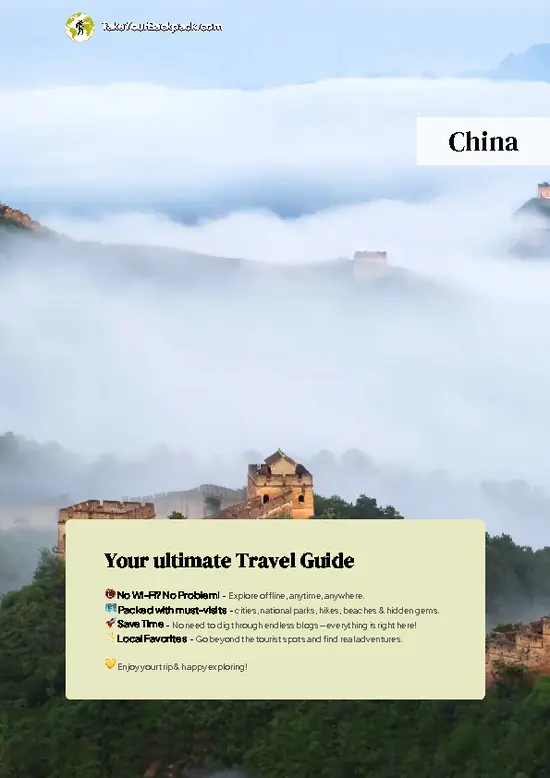
An offline-friendly backpacking guide with optimized travel routes, ranked highlights, transport advice, and the best areas to stay.
example page 0 from our offline Travel Guide for China
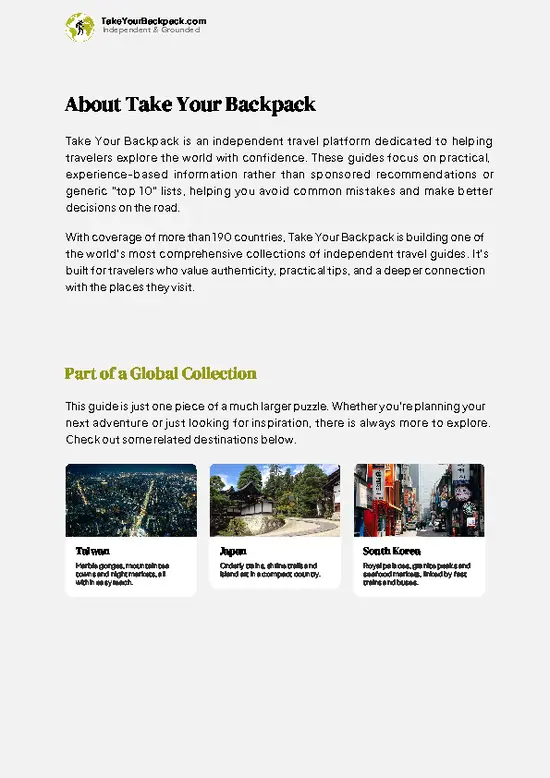
example page 1 from our offline Travel Guide for China
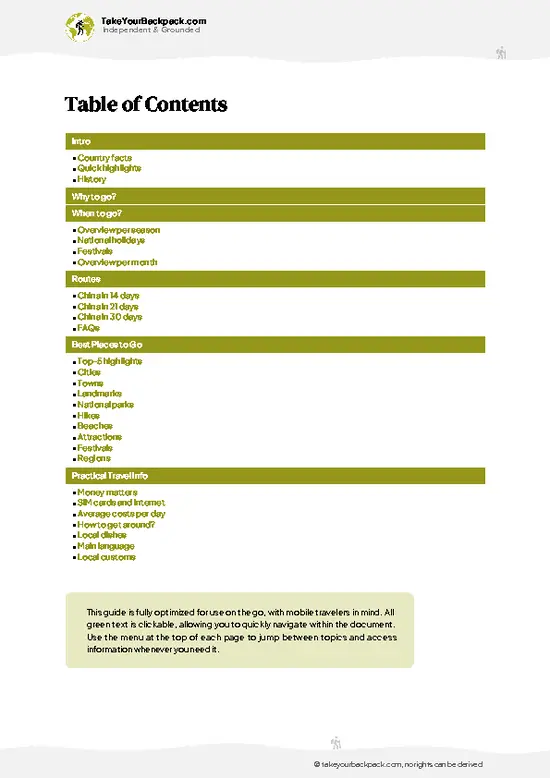
example page 2 from our offline Travel Guide for China
example page 3 from our offline Travel Guide for China
example page 4 from our offline Travel Guide for China
example page 5 from our offline Travel Guide for China
example page 6 from our offline Travel Guide for China
example page 7 from our offline Travel Guide for China
The digital guide (496 pages) contains:
139 highlights, ranked by travel appeal
Optimized 14, 21 & 30-day travel routes
Cities, national parks, landmarks, beaches
How to get around
Offline-friendly for travel without Wi-Fi
👉 Click to see all 30+ guide features

📅 Plan smarter in minutes, not weeks
Month by month travel advice
Festivals & national holidays
Budget expectations

🗺️ Go to the right places, skip the overrated ones
Honest pros & cons of destinations
Top hikes, parks & viewpoints
Lesser-known places most travelers miss
Clear “worth it vs skip it” guidance

🛏️ Travel smoothly without rookie mistakes
Best areas to stay
Transport systems explained simply
Common scams & safety advice
SIM cards, money & practical tips

🌍 Understand the country, not just visit it
Culture & traditions
52 Essential phrases & customs
Festivals worth planning around
Traveler-friendly historical context
Insights that make places more meaningful

📱 Built for real travel conditions
Fully downloadable PDF
Works completely offline
Optimized for phone use
Useful in remote areas & buses
Everything in one place
Save weeks of stressful planning
Get instant access to your full guide. 30‑day money-back guarantee.


By proceeding you agree to our terms.
Sent to your inbox immediately after payment • 100% Secure Checkout
Best Backpacking Travel Advisor 2025 tourism awardBest Backpacking
Travel Advisor
2025
What others say about Take Your Backpack Guides:
⭐⭐⭐⭐⭐
Fantastic, amazing amount of information!
⭐⭐⭐⭐⭐
My goodness this is amazing, it's what I've been looking for hats off too you!
⭐⭐⭐⭐⭐
I think this is absolutely BRILLIANT
⭐⭐⭐⭐
Very complete and informative. It's still missing places, but I gotta to commend you
⭐⭐⭐⭐⭐
This is truly amazing, thank you, can't wait to explore it with my kids!
⭐⭐⭐⭐⭐
Awesome resource, thank you!
⭐⭐⭐⭐⭐
This is amazing! Can't wait to explore the ones I haven't seen
⭐⭐⭐⭐
I love this! Well done, great idea.
⭐⭐⭐⭐⭐
Thanks for taking the time to make this gem!
⭐⭐⭐⭐⭐
This might be the best website I've ever seen.
⭐⭐⭐⭐⭐
Congratulations, and thank you so much for your work; it's incredibly valuable.
⭐⭐⭐⭐
In all seriousness I think you did a great job pointing out the important spots
⭐⭐⭐⭐⭐
10/10 very good
⭐⭐⭐⭐⭐
As someone who's only just starting to visit regularly this is awesome, thank you.
⭐⭐⭐⭐
Thank you very much! I'm going to visit my dad, it's going to be very useful!
⭐⭐⭐⭐⭐
This is really cool! We'll be travelling for the first time and this definitely come in handy.
⭐⭐⭐⭐⭐
You are now our minister of culture, congratulations 👨‍💼
⭐⭐⭐⭐⭐
Just wanted to tell you that this is a pearl! Going to follow your recommendations.
⭐⭐⭐⭐⭐
This is so cool. I'll definitely be using the resource for my travels soon.
⭐⭐⭐⭐⭐
This is very impressive! Good work.
⭐⭐⭐⭐⭐
This is an amazing and informative site. Very well done!

🛏️ Where to stay?Choosing the right base

Stay in the town of Taian for the best access to Mount Taishan. It’s buzzing with backpackers and offers a range of budget-friendly accommodations. You’ll find hostels that encourage socializing, perfect for swapping stories over a cheap beer after a day of hiking.

The area around the base of the mountain is packed with local eateries where you can fuel up on hearty noodles without breaking the bank.

If you want a quieter vibe, consider the nearby village of Daiyue. It’s less touristy, giving you a more authentic experience. Just remember, the crowds can be intense during peak seasons, so plan your hikes early to beat the rush.

👛 Costs (as of 24 January 2025)Money, prices, and spending tips

Visiting Mount Taishan is a journey worth taking, but it comes with its own set of costs that you should know about.
  • Entrance Fee: Expect to pay around €30 to €40 (or $35 to $45) for a ticket. This grants you access to the main trails and the stunning views. Keep in mind that prices can vary based on the season, with peak times often seeing a slight increase.
  • Transportation: Getting to Mount Taishan can range from €10 to €30 ($12 to $35) depending on your starting point. If you’re taking a bus from nearby cities like Tai’an, it’s on the lower end. A taxi or private transfer will cost more, but it can save you time and hassle.
  • Accommodation: Options vary widely. Budget hostels start around €10 to €20 ($12 to $24) per night, while mid-range hotels can run from €40 to €80 ($45 to $90). If you want
read more 👉
Visiting Mount Taishan is a journey worth taking, but it comes with its own set of costs that you should know about.
  • Entrance Fee: Expect to pay around €30 to €40 (or $35 to $45) for a ticket. This grants you access to the main trails and the stunning views. Keep in mind that prices can vary based on the season, with peak times often seeing a slight increase.
  • Transportation: Getting to Mount Taishan can range from €10 to €30 ($12 to $35) depending on your starting point. If you’re taking a bus from nearby cities like Tai’an, it’s on the lower end. A taxi or private transfer will cost more, but it can save you time and hassle.
  • Accommodation: Options vary widely. Budget hostels start around €10 to €20 ($12 to $24) per night, while mid-range hotels can run from €40 to €80 ($45 to $90). If you want a more upscale experience, expect to pay upwards of €100 ($110) for a night in a nicer hotel.
  • Food: Dining can be quite affordable. Street food and local eateries offer meals for €2 to €5 ($2.50 to $6). If you prefer sit-down restaurants, budget around €10 to €20 ($12 to $24) for a decent meal. Splurging on a nicer dinner? You might spend €30 ($35) or more.
  • Guided Tours: If you want a deeper dive into the history and culture, consider a guided tour. Prices typically range from €50 to €100 ($60 to $120), depending on the length and inclusions. This can be a great way to enhance your experience, especially if you’re unfamiliar with the area.

Understanding these costs helps you plan better. Mount Taishan is not just about the climb; it’s about the experience, the culture, and the stories that unfold along the way.


source: chinahighlights.com
⚠️ Prices can change and everyone travels differently, so take this as a rough guide. Hope it helps you plan your adventure!

Other Chinese landmarks near Mount Taishan

Explore more nearby:


💡 Not sure where to go next?
Create a personalized itinerary for China including Mount Taishan and the places that fit your trip.

Generate my itinerary

👉 Discover all landmarks

Or checkout all China has to offer (think cities, towns, villages, national parks, hikes, beaches, festivals)
Country photo of China

We 💚 feedbackParting advice and final tips

Mount Taishan is a spiritual powerhouse. The sunrise from the summit? Absolutely worth the climb. But brace yourself for the crowds; it can feel like a theme park at times. If you can push through, the experience is transformative. Just know what you’re signing up for.

✈️ When did I visit China?
As part of my 1.5 year travel around the world trip, I visited China in August 2015, coming from Mongolia by the TransMongolia Express.

✍️ Help improve this page!
The information on this page is based on my own backpacking experience in China, supplemented with up-to-date research and feedback from other travelers. Travel details can change, so if you notice anything outdated or incomplete, feel free to let me know.


🙋‍♂️ Give feedback

👋 Meet the founderWho’s Behind Take Your Backpack?

Johan, backpacker and founder of TakeYourBackpackHi, I’m Johan (Netherlands 🇳🇱), the creator of TakeYourBackpack. Over the past decade, I’ve backpacked through 80+ countries across six continents, gaining extensive experience with independent travel, long-term trips, and overland routes.

This site is built on a combination of firsthand travel experience and carefully curated insights from other backpackers. Many guides are based on places I’ve personally visited, while others bring together tips, observations, and practical advice shared by trusted travelers I’ve met along the way.

The goal is to provide realistic, experience-driven guidance — not generic itineraries — so you can explore destinations with better context, clearer expectations, and more confidence.

Get full China guide •
Instant download • 139 highlights • Full Offline guide