
×

China🇨🇳 | citiesPanjinred beach, reed marshes, migratory birds | things to do and best time to go

Explore YingkouExplore Jinzhou

Backpacking in Panjin
👀 For curious travelerscity ranked #43
By Johan Kruseman 🇳🇱 | Updated June 9, 2026

You land in Panjin with one big fork in the road: burn time and money chasing the famous Red Beach at peak season, or treat the city itself as a cheap, low-pressure base and skip the Instagram trophy shot. Panjin sits in Liaoning province in northeast China, between Shenyang and the coast. For backpackers, it’s calm, industrial, and very local: wide streets, wetlands, a few parks and squares, but little in the way of classic sights or nightlife. It’s safe, inexpensive, and easy to navigate, yet you’ll see almost no foreign travelers and English is rare, so it feels more like “real-life China” than a social hub. I’d pick Panjin when I want quiet, bird-filled marshes and a slow pace; I’d pick nearby Dalian or Shenyang when I want energy, history, and hostels full of new friends.

Discover everything you want to know in the 📖 China Travel Guide.


Get your China guide
139 ranked highlights, routes & tips, works offline (496 pages)
Loading the map 🌍
CLICK TO FILTER
cities
towns
landmarks
national parks
hikes
beaches
attractions
festivals
regions
SHOW COUNTRY’S BESTSHOW ALL

✨ Why go?
Ranked #43 city in China
Why visitors keep coming back

Panjin is a strategic stop for backpackers, blending affordability with a unique charm. The city offers a solid basecamp for day trips to nearby highlights, making it easy to explore without breaking the bank. Accommodations range from cozy hostels to budget hotels, ensuring you can rest well after a day of adventure. The food scene is a treat, with local eats that won’t dent your wallet. Plus, the city is walkable, allowing you to soak in the atmosphere without the hassle of transport. Nightlife is laid-back yet engaging, perfect for unwinding after a day of exploration.
Want to include Panjin in your China route?
Create a personalized China itinerary that includes Panjin and the places that fit your trip — based on your travel style, budget, and available time. Get your route in seconds.

Generate my trip

💡 HighlightsEssential experiences to have while visiting Panjin

  1. Red Beach (Honghaitan) — The headline attraction: miles of bright red sueda grass in the Liaohe Delta that turn the shoreline surreal every autumn. Great for sunrise/sunset photos and long, quiet walks along raised boardwalks.
  2. Liaohe Estuary / Liaohekou National Nature Reserve — Salt-marshes, tidal flats and reedbeds where migratory birds stop on their routes. You can walk viewpoints and see the delta’s ecology up close—real wetland vibes, not a manicured park.
  3. Reed Marsh Boat Tours (芦苇荡 boat trips) — Short, inexpensive motor-boat rides through dense reedbeds inside the delta. Simple, atmospheric and one of the best ways to experience Panjin’s wetlands without getting your boots muddy.
  4. Panjin City Museum — Small but well-curated local museum covering regional history, archaeology and
read more 👉
  1. Red Beach (Honghaitan) — The headline attraction: miles of bright red sueda grass in the Liaohe Delta that turn the shoreline surreal every autumn. Great for sunrise/sunset photos and long, quiet walks along raised boardwalks.
  2. Liaohe Estuary / Liaohekou National Nature Reserve — Salt-marshes, tidal flats and reedbeds where migratory birds stop on their routes. You can walk viewpoints and see the delta’s ecology up close—real wetland vibes, not a manicured park.
  3. Reed Marsh Boat Tours (芦苇荡 boat trips) — Short, inexpensive motor-boat rides through dense reedbeds inside the delta. Simple, atmospheric and one of the best ways to experience Panjin’s wetlands without getting your boots muddy.
  4. Panjin City Museum — Small but well-curated local museum covering regional history, archaeology and the ecology of the Liaohe Delta. Useful if you want context before exploring the wetlands.
  5. Liaohe Oilfield Exhibition / Oilfield Park — The Liaohe oilfield shaped modern Panjin. The exhibition area and nearby industrial landscapes show the city’s 20th-century development; informative and oddly photogenic.
  6. Bird-watching Towers and Observation Platforms — Scattered through the reserve, these platforms let you watch swans, geese and (in season) rare cranes with minimal disturbance. Bring binoculars and patience—rewarding for slow travelers.
  7. Dawa River Scenic Area — A quieter riverside stretch with walking paths, fishing villages and local seafood stalls. Less touristy than the Red Beach and good for seeing everyday life along the delta.
  8. Panjin Wetland Park (city wetland parks) — Urban wetland pockets and boardwalks inside the city limits where locals walk and exercise. Handy if you’re short on time but still want a taste of Panjin’s ecology without a long drive.
  9. Local Seafood Markets and Riverside Food Streets — Not a monument, but real cultural value: busy markets where you can try local river and coastal catches cooked on the spot. Cheap, fresh and full of character.
  10. Small-town/village walks around Dawa County (within Panjin’s administration) — The delta’s villages have low-key charm: reed-thatched houses, narrow lanes and friendly vendors selling reed products. Great for slow, off-the-beaten-path wandering.
A few worthwhile day trips just outside Panjin are the wider Liaohe Delta coastline, nearby fishing towns and the historical spots around Jinzhou and Yingkou—my personal favorite to return to is the Red Beach for its pure, uncanny landscape.
Spotted a mistake or missing something? Contact us.

🏘️ NeighborhoodsNeighborhood guide to Panjin

Panjin offers a unique blend of natural beauty and local culture, making it a fascinating stop for backpackers.

Red Beach Area: This is the crown jewel. Known for its stunning red marshlands, it’s a photographer’s paradise. Expect a laid-back vibe with affordable guesthouses. Walkability is high, but nightlife is minimal—perfect for those who prefer quiet evenings. Ideal for short stays focused on nature.

Panjin City Center: The bustling heart of the city. Here, you’ll find a mix of street food and local shops. Costs are moderate, and it’s well-connected by public transport. The nightlife is vibrant, with bars and eateries open late. Great for longer stays if you want to immerse yourself in local life.

Shuangtai River Area: A tranquil spot along the river. It’s less touristy, offering a … read more 👉
Panjin offers a unique blend of natural beauty and local culture, making it a fascinating stop for backpackers.

Red Beach Area: This is the crown jewel. Known for its stunning red marshlands, it’s a photographer’s paradise. Expect a laid-back vibe with affordable guesthouses. Walkability is high, but nightlife is minimal—perfect for those who prefer quiet evenings. Ideal for short stays focused on nature.

Panjin City Center: The bustling heart of the city. Here, you’ll find a mix of street food and local shops. Costs are moderate, and it’s well-connected by public transport. The nightlife is vibrant, with bars and eateries open late. Great for longer stays if you want to immerse yourself in local life.

Shuangtai River Area: A tranquil spot along the river. It’s less touristy, offering a peaceful retreat. Costs are lower, and it’s walkable, but nightlife is sparse. Best for those seeking a longer, more reflective stay.

⌛️ 1 day1-day itinerary for Panjin

Panjin, China, is a unique blend of natural beauty and cultural richness, famous for its vibrant red marshlands and the rare red-crowned cranes that call it home. Start your day in the morning at the Panjin Red Beach, where the sea of bright red Suaeda plants creates a surreal landscape. Stroll along the boardwalk, soaking in the fresh air and snapping photos of the stunning scenery.

In the afternoon, head to the nearby Dawa District. Here, you can explore the local markets, where the aroma of street food fills the air. Try some freshly made dumplings or local seafood dishes. For a less touristy experience, visit the Panjin Wetland Park, where you can spot various bird species and enjoy a peaceful walk through the lush greenery.

As evening falls, make your way to the city center. Grab dinner … read more 👉
Panjin, China, is a unique blend of natural beauty and cultural richness, famous for its vibrant red marshlands and the rare red-crowned cranes that call it home. Start your day in the morning at the Panjin Red Beach, where the sea of bright red Suaeda plants creates a surreal landscape. Stroll along the boardwalk, soaking in the fresh air and snapping photos of the stunning scenery.

In the afternoon, head to the nearby Dawa District. Here, you can explore the local markets, where the aroma of street food fills the air. Try some freshly made dumplings or local seafood dishes. For a less touristy experience, visit the Panjin Wetland Park, where you can spot various bird species and enjoy a peaceful walk through the lush greenery.

As evening falls, make your way to the city center. Grab dinner at a local restaurant, savoring the flavors of Liaoning cuisine. End your day with a leisurely walk along the riverfront, reflecting on the vibrant experiences you’ve had. Panjin may be small, but its charm is undeniable.
Turn your Panjin visit into an China adventure
Build a complete China route with Panjin, hidden gems, must-see destinations, and realistic travel times included.

Generate my trip

🌤️ When to go?Weather, crowds, and seasonal trade-offs


  • Weather: Panjin’s best window is late spring to early autumn. Summers (June-August) hit 25-30°C (77-86°F) with humidity that can sap your energy. Winters are harsh, often below freezing, making outdoor exploration tough.

  • Temperature: Spring and autumn offer mild temps around 15-22°C (59-72°F), perfect for long days on foot without overheating or bundling up.

  • Daylight Hours: May to September provides 12-14 hours of daylight, maximizing your hiking and sightseeing time.

  • Crowds: Peak tourist season aligns with summer holidays, so expect more visitors and higher prices then. Shoulder seasons are quieter and more relaxed.

  • Seasonal Activities: Autumn brings the red beach phenomenon—Panjin’s signature natural spectacle—best seen in October when the Suaeda salsa plants turn fiery red.

read more 👉

  • Weather: Panjin’s best window is late spring to early autumn. Summers (June-August) hit 25-30°C (77-86°F) with humidity that can sap your energy. Winters are harsh, often below freezing, making outdoor exploration tough.

  • Temperature: Spring and autumn offer mild temps around 15-22°C (59-72°F), perfect for long days on foot without overheating or bundling up.

  • Daylight Hours: May to September provides 12-14 hours of daylight, maximizing your hiking and sightseeing time.

  • Crowds: Peak tourist season aligns with summer holidays, so expect more visitors and higher prices then. Shoulder seasons are quieter and more relaxed.

  • Seasonal Activities: Autumn brings the red beach phenomenon—Panjin’s signature natural spectacle—best seen in October when the Suaeda salsa plants turn fiery red.

  • Price Fluctuations: Accommodation and transport costs spike in summer and during the red beach peak; booking off-peak saves money and stress.


Pro-tip: Aim for late September to early October—cool temps, fewer crowds, and the red beach in full blaze. It’s the sweet spot where comfort, cost, and spectacle align.


source: climatestotravel.comJANJanuary: below average for travelingFEBFebruary: below average for travelingMARMarch: fair for travelingAPRApril: highly recommended for travelingMAYMay: highly recommended for travelingJUNJune: good for travelingJULJuly: fair for travelingAUGAugust: fair for travelingSEPSeptember: highly recommended for travelingOCTOctober: excellent for travelingNOVNovember: good for travelingDECDecember: below average for traveling
when-to-go

✈️ The backpacker research shortcutChina Travel Guide

An offline-friendly backpacking guide with optimized travel routes, ranked highlights, transport advice, and the best areas to stay.
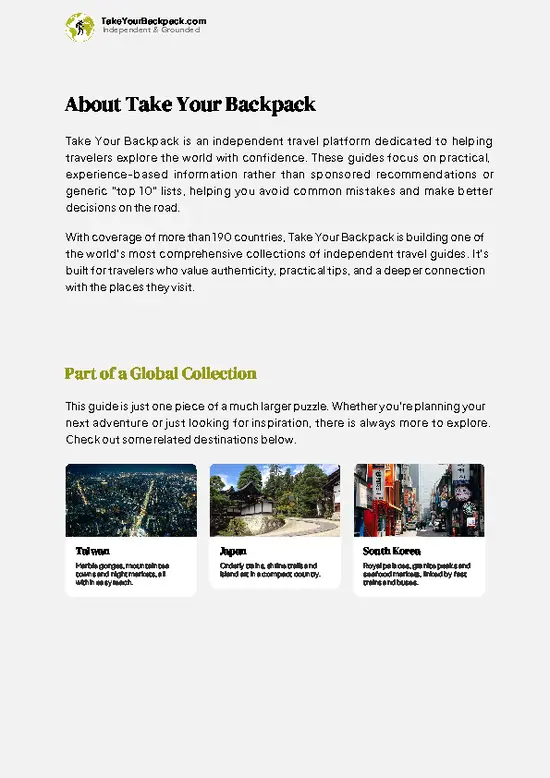
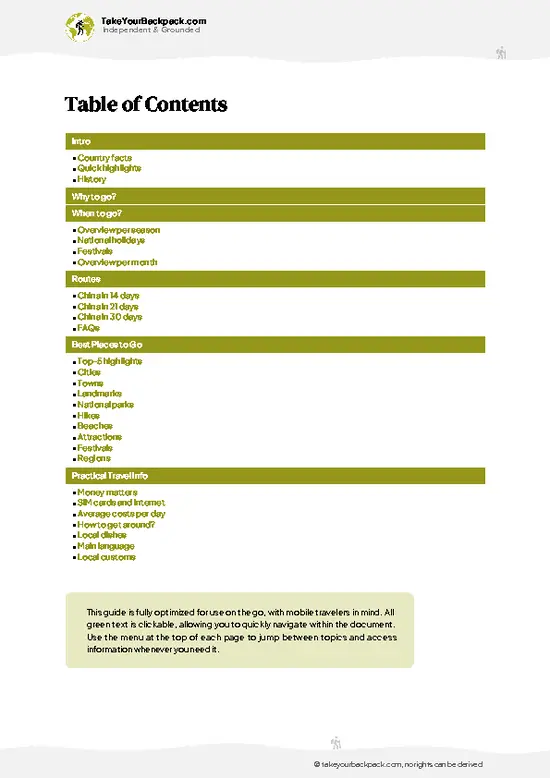
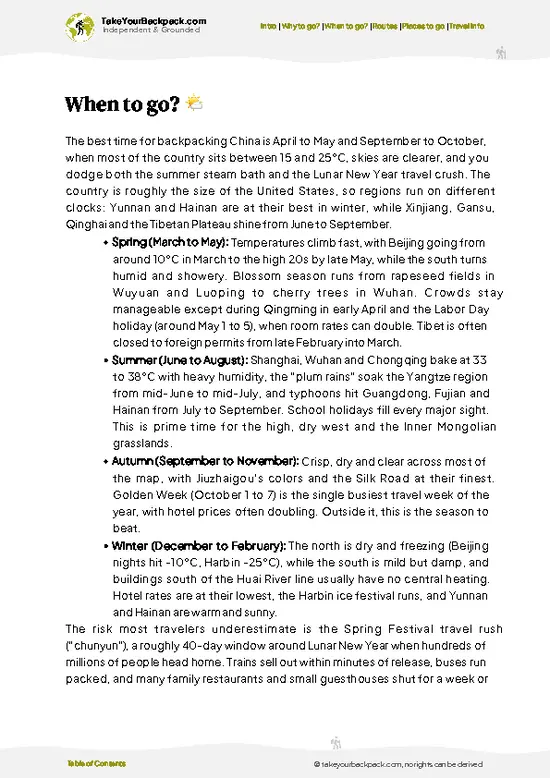
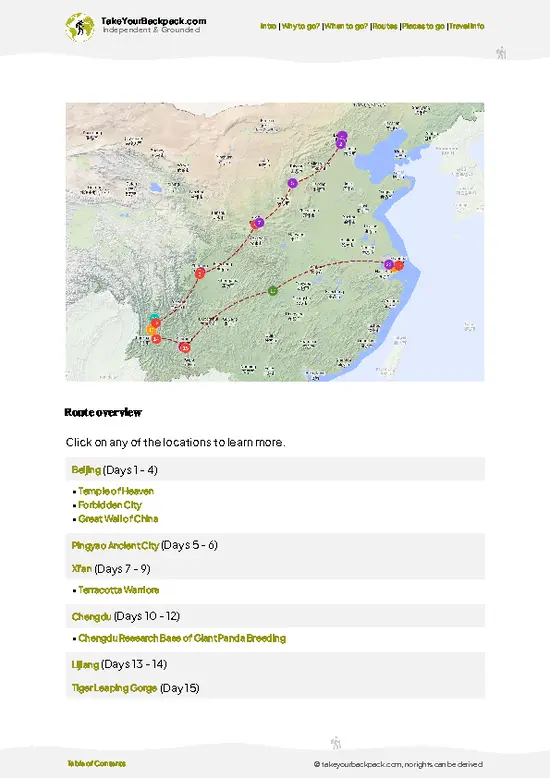
example page 0 from our offline Travel Guide for China
example page 1 from our offline Travel Guide for China
example page 2 from our offline Travel Guide for China
example page 3 from our offline Travel Guide for China
example page 4 from our offline Travel Guide for China
example page 5 from our offline Travel Guide for China
example page 6 from our offline Travel Guide for China
example page 7 from our offline Travel Guide for China
The digital guide (496 pages) contains:
139 highlights, ranked by travel appeal
Optimized 14, 21 & 30-day travel routes
Cities, national parks, landmarks, beaches
How to get around
Offline-friendly for travel without Wi-Fi
👉 Click to see all 30+ guide features

📅 Plan smarter in minutes, not weeks
Month by month travel advice
Festivals & national holidays
Budget expectations

🗺️ Go to the right places, skip the overrated ones
Honest pros & cons of destinations
Top hikes, parks & viewpoints
Lesser-known places most travelers miss
Clear “worth it vs skip it” guidance

🛏️ Travel smoothly without rookie mistakes
Best areas to stay
Transport systems explained simply
Common scams & safety advice
SIM cards, money & practical tips

🌍 Understand the country, not just visit it
Culture & traditions
52 Essential phrases & customs
Festivals worth planning around
Traveler-friendly historical context
Insights that make places more meaningful

📱 Built for real travel conditions
Fully downloadable PDF
Works completely offline
Optimized for phone use
Useful in remote areas & buses
Everything in one place
Save weeks of stressful planning
Get instant access to your full guide. 30‑day money-back guarantee.


By proceeding you agree to our terms.
Sent to your inbox immediately after payment • 100% Secure Checkout
Best Backpacking Travel Advisor 2025 tourism awardBest Backpacking
Travel Advisor
2025
What others say about Take Your Backpack Guides:
⭐⭐⭐⭐⭐
Fantastic, amazing amount of information!
⭐⭐⭐⭐⭐
My goodness this is amazing, it's what I've been looking for hats off too you!
⭐⭐⭐⭐⭐
I think this is absolutely BRILLIANT
⭐⭐⭐⭐
Very complete and informative. It's still missing places, but I gotta to commend you
⭐⭐⭐⭐⭐
This is truly amazing, thank you, can't wait to explore it with my kids!
⭐⭐⭐⭐⭐
Awesome resource, thank you!
⭐⭐⭐⭐⭐
This is amazing! Can't wait to explore the ones I haven't seen
⭐⭐⭐⭐
I love this! Well done, great idea.
⭐⭐⭐⭐⭐
Thanks for taking the time to make this gem!
⭐⭐⭐⭐⭐
This might be the best website I've ever seen.
⭐⭐⭐⭐⭐
Congratulations, and thank you so much for your work; it's incredibly valuable.
⭐⭐⭐⭐
In all seriousness I think you did a great job pointing out the important spots
⭐⭐⭐⭐⭐
10/10 very good
⭐⭐⭐⭐⭐
As someone who's only just starting to visit regularly this is awesome, thank you.
⭐⭐⭐⭐
Thank you very much! I'm going to visit my dad, it's going to be very useful!
⭐⭐⭐⭐⭐
This is really cool! We'll be travelling for the first time and this definitely come in handy.
⭐⭐⭐⭐⭐
You are now our minister of culture, congratulations 👨‍💼
⭐⭐⭐⭐⭐
Just wanted to tell you that this is a pearl! Going to follow your recommendations.
⭐⭐⭐⭐⭐
This is so cool. I'll definitely be using the resource for my travels soon.
⭐⭐⭐⭐⭐
This is very impressive! Good work.
⭐⭐⭐⭐⭐
This is an amazing and informative site. Very well done!

🛏️ Where to stay?How to pick the right area

In Panjin, the best spot for backpackers is the central district around the city center. This area strikes a smart balance: it’s safe, lively enough to meet other travelers, and packed with budget-friendly hostels. You’ll find a mix of local eateries and small shops, which keeps costs down without sacrificing authenticity. Compared to the quieter suburban zones, this neighborhood offers more social energy and easier access to public transport, which is crucial for exploring the famous Red Beach without wasting time or money on taxis. The vibe here is practical but welcoming—perfect for solo travelers … read more 👉
In Panjin, the best spot for backpackers is the central district around the city center. This area strikes a smart balance: it’s safe, lively enough to meet other travelers, and packed with budget-friendly hostels. You’ll find a mix of local eateries and small shops, which keeps costs down without sacrificing authenticity. Compared to the quieter suburban zones, this neighborhood offers more social energy and easier access to public transport, which is crucial for exploring the famous Red Beach without wasting time or money on taxis. The vibe here is practical but welcoming—perfect for solo travelers who want to plug into the city’s pulse without overspending or sacrificing comfort.

🚌 Getting aroundHow to get around Panjin

Panjin moves with a rhythm that’s part clockwork, part improvisation. The city’s pulse is set by its working-class roots and sprawling wetlands, where schedules matter but detours happen. You’ll find a blend of punctual buses and spontaneous shared rides, all woven into a fabric that rewards those who read between the lines. Time, money, and comfort don’t line up neatly here—each choice nudges you toward a different experience, a different pace. Mastering Panjin’s transit means knowing when to lean into efficiency and when to embrace the city’s unpredictable flow.


  • City Bus: Runs roughly from 6:00 AM to 9:00 PM, fares hover around 1-2 RMB, slow but reliable for budget travelers aiming to cover major urban spots without breaking the bank.

  • Shared Minivans: No fixed schedule, these hop between
read more 👉
Panjin moves with a rhythm that’s part clockwork, part improvisation. The city’s pulse is set by its working-class roots and sprawling wetlands, where schedules matter but detours happen. You’ll find a blend of punctual buses and spontaneous shared rides, all woven into a fabric that rewards those who read between the lines. Time, money, and comfort don’t line up neatly here—each choice nudges you toward a different experience, a different pace. Mastering Panjin’s transit means knowing when to lean into efficiency and when to embrace the city’s unpredictable flow.


  • City Bus: Runs roughly from 6:00 AM to 9:00 PM, fares hover around 1-2 RMB, slow but reliable for budget travelers aiming to cover major urban spots without breaking the bank.

  • Shared Minivans: No fixed schedule, these hop between key districts and outskirts, costing about 5-10 RMB; faster than buses but less predictable—perfect if you’re flexible and want to save time.

  • Taxi: Starting fare around 8 RMB, meters ticking up quickly; best for short hops or late-night returns when buses stop running, offering comfort at a price that can add up fast.

  • Walking: Panjin’s flat layout makes walking a surprisingly viable option for exploring neighborhoods and wetlands edges; zero cost, full control, but time-intensive and weather-dependent.

👛 Costs (as of 31 January 2025)What things cost and how to budget

Backpacking in Panjin, China, offers a clear trade-off map between time, money, and comfort, with costs that reflect its status as a less tourist-heavy city but still a practical stop in Liaoning Province.
  • Dorm Accommodation (High Season and Off-Season): In high season, dorm beds in budget hostels hover around $8-$12 per night. Off-season, expect prices to drop to about $5-$8. The difference comes down to demand spikes during local festivals or holidays, so booking ahead can save you a few dollars and guarantee a spot.
  • Meals: Street food and small local eateries dominate the scene. A filling meal costs roughly $2-$4, with noodle dishes, dumplings, and rice plates being staples. If you opt for a mid-range restaurant, expect to pay $6-$10 per meal. Cooking your own food is rare but possible
read more 👉
Backpacking in Panjin, China, offers a clear trade-off map between time, money, and comfort, with costs that reflect its status as a less tourist-heavy city but still a practical stop in Liaoning Province.
  • Dorm Accommodation (High Season and Off-Season): In high season, dorm beds in budget hostels hover around $8-$12 per night. Off-season, expect prices to drop to about $5-$8. The difference comes down to demand spikes during local festivals or holidays, so booking ahead can save you a few dollars and guarantee a spot.
  • Meals: Street food and small local eateries dominate the scene. A filling meal costs roughly $2-$4, with noodle dishes, dumplings, and rice plates being staples. If you opt for a mid-range restaurant, expect to pay $6-$10 per meal. Cooking your own food is rare but possible if you stay in hostels with kitchen access.
  • Local Transport: Single bus rides are cheap, around $0.30-$0.50, making it easy to hop around the city without breaking the bank. Taxis start at about $1.50 and can rise depending on distance, but they remain affordable compared to bigger Chinese cities.
  • City Transport Pass: Panjin doesn’t have a widespread metro system, so transport passes are uncommon. Instead, budget for daily bus rides if you plan to move frequently—around $1.50-$2 per day for multiple trips.
  • Basic Activities/Entry Fees: Nature reserves and parks, like the Red Beach, charge entry fees around $10-$15. Smaller cultural sites and museums typically cost under $5. These are the spots where spending a bit more adds real value to your experience.
  • Miscellaneous Expenses: Think bottled water, snacks, occasional coffee, or small souvenirs. Budget $2-$5 daily here. It’s the buffer for those little comforts that keep you energized and happy on the trail.

All told, a realistic daily budget for backpacking in Panjin ranges from about $15 on the tightest shoestring to $35 if you lean into a bit more comfort and activity. This balance lets you decide where to save and where to splurge—whether that’s a night in a quieter hostel or a day exploring the Red Beach reserve. The key is knowing what you’re trading off: a few dollars for convenience, or a bit more time navigating local buses.
⚠️ Prices can change and everyone travels differently, so take this as a rough guide. Hope it helps you plan your adventure!

🚌 Day tripsWhere to go beyond the main area

Panjin, China, serves as a fantastic launchpad for day trips that blend adventure with cultural immersion. Here are some top picks that pack a punch without draining your wallet.

Red Beach
Just a short bus ride from Panjin, Red Beach is a surreal landscape where the vibrant red seaweed transforms the marshland into a painter’s palette. The best time to visit is in late summer to early autumn when the colors are at their peak. Expect to spend around 20 RMB for the bus and a small entrance fee. Many first-timers miss the best viewpoints, so keep your eyes peeled for the raised walkways that offer stunning perspectives.


Liaoning Provincial Museum
A quick train ride will take you to the Liaoning Provincial Museum, where you can dive into the rich history of the region. Admission is free, … read more 👉
Panjin, China, serves as a fantastic launchpad for day trips that blend adventure with cultural immersion. Here are some top picks that pack a punch without draining your wallet.

Red Beach
Just a short bus ride from Panjin, Red Beach is a surreal landscape where the vibrant red seaweed transforms the marshland into a painter’s palette. The best time to visit is in late summer to early autumn when the colors are at their peak. Expect to spend around 20 RMB for the bus and a small entrance fee. Many first-timers miss the best viewpoints, so keep your eyes peeled for the raised walkways that offer stunning perspectives.


Liaoning Provincial Museum
A quick train ride will take you to the Liaoning Provincial Museum, where you can dive into the rich history of the region. Admission is free, making it a budget-friendly option. The museum features ancient artifacts and dinosaur fossils, perfect for history buffs. Aim for a weekday visit to avoid crowds. Many backpackers overlook this gem, thinking museums are boring, but this one is anything but.


Dawa County
Head to Dawa County for a taste of rural life. The journey takes about an hour by bus. Here, you can explore local markets and sample authentic cuisine. Budget around 50 RMB for food and transport. The best time to go is during harvest season when the fields are alive with activity. A common mistake is sticking to the main roads; venture into the alleys for a true local experience.
Want to know what more China offers?
The China Travel Guide describes 139 highlights, from cities to national parks, from beaches to hikes

Get the Travel Guide -

🍲 FoodEating & Drinking in Panjin

In Panjin, the food scene is a vibrant tapestry of flavors. Dive into local specialties like the famous Panjin rice, known for its unique texture, or the crab dishes that showcase the region’s coastal bounty. Street vendors line the bustling markets, serving up spicy skewers and steamed buns that are perfect for a quick bite.

When it comes to drinks, don’t miss the chance to sip on local teas that reflect the area’s agricultural roots. Eating here is often a communal affair; sharing dishes is the norm, so don’t hesitate to join in. Just remember, chopsticks are your best friends—use them wisely!

🛡️ SafetySafety Tips and Common Scams in Panjin

Panjin is generally safe, but like any city, awareness is key. Stick to well-lit areas at night, especially near the waterfront, where the scenery can distract you. Solo travelers should blend in; avoid drawing attention with flashy gear.

Scams are rare, but be cautious around busy markets—haggling is expected, but don’t let your guard down. A common annoyance is the occasional pushy vendor; a polite but firm “no” usually does the trick. Carry yourself confidently, and you’ll navigate Panjin like a pro.

Other Chinese cities near Panjin

Explore more nearby:

  • Yingkou—port city, seafood markets, Bohai coast| 52 km away
  • Anshan—steelworks, jade Buddha, hot springs| 77 km away
  • Jinzhou—ancient pagodas, coastal fortresses, seafood stalls| 79 km away

💡 Not sure where to go next?
Create a personalized itinerary for China including Panjin and the places that fit your trip.

Generate my itinerary

👉 Discover all cities

Or checkout all China has to offer (think cities, towns, villages, national parks, hikes, beaches, festivals)
Country photo of China

We 💚 feedbackSumming up the experience

Panjin’s red beach is a surreal spectacle, where vibrant hues clash with tranquil waters. It’s a photographer’s dream. Just know that getting there takes time and patience; public transport isn’t the most efficient. But if you’re willing to invest that time, the reward is worth it.

✈️ When did I visit China?
As part of my 1.5 year travel around the world trip, I visited China in August 2015, coming from Mongolia by the TransMongolia Express.

✍️ Help improve this page!
The information on this page is based on my own backpacking experience in China, supplemented with up-to-date research and feedback from other travelers. Travel details can change, so if you notice anything outdated or incomplete, feel free to let me know.


🙋‍♂️ Give feedback

👋 Meet the founderWho’s Behind Take Your Backpack?

Johan, backpacker and founder of TakeYourBackpackHi, I’m Johan (Netherlands 🇳🇱), the creator of TakeYourBackpack. Over the past decade, I’ve backpacked through 80+ countries across six continents, gaining extensive experience with independent travel, long-term trips, and overland routes.

This site is built on a combination of firsthand travel experience and carefully curated insights from other backpackers. Many guides are based on places I’ve personally visited, while others bring together tips, observations, and practical advice shared by trusted travelers I’ve met along the way.

The goal is to provide realistic, experience-driven guidance — not generic itineraries — so you can explore destinations with better context, clearer expectations, and more confidence.

Get full China guide •
Instant download • 139 highlights • Full Offline guide